Common fire valve failures during system commissioning appear with frustrating regularity on new installations and major retrofits, stalling acceptance tests, inflating punch lists, and pushing back certificates of occupancy far more than they should. Control valves left half-closed after a flow test, check valves hung up on leftover pipe scale, butterfly valves weeping at grooved joints pulled out of alignment—these problems surface exactly when the system takes its first serious pressure and flow hits. Commissioning serves as the last hard filter for build quality; issues buried in earlier phases stand out sharply once inspectors, engineers, or the authority having jurisdiction watch the gauges and listen for alarms.
The patterns described below come straight from repeated site walks, failed acceptance runs, and post-commissioning debriefs across high-rise risers, warehouse standpipes, and industrial deluge networks. Procurement leads and commissioning technicians lean on these details to sharpen vendor requirements, tighten pre-startup sequences, and keep mobilization costs from spiraling out of control.
Why Valve Failures Surface During Commissioning
Commissioning lays bare defects that static walk-throughs overlook. Lines get flushed, yet fine sediment and construction trash frequently lodge in valve cavities or low points. Valves face their initial real-world pressure spikes and flow velocities during main drain tests or full-system acceptance. Human oversights concentrate here—crews complete a zone test, shift focus, and neglect to reopen a control valve or confirm supervisory signals fire correctly. In projects fed by imported components, valves often sit boxed in humid staging areas for weeks or months, letting packing dry or surface oxidation begin.
Impairment statistics keep pointing to control valves in the wrong position as a primary contributor to system breakdowns, with a good share caught only at commissioning or the first annual inspection. Debris-related sticking shows up consistently in new construction where flushing rigor varies widely between trades. These first exposures separate valves that survive factory bench runs from those that hold up under actual field demands.
Most Common Fire Valve Failures at Commissioning
Closed or Partially Closed Control Valves
Control valves—whether OS&Y gate or butterfly—left closed or throttled after hydrostatic or flow testing remain the most persistent hold-up. Teams isolate a section, run the test downstream, then overlook restoration to full open. Supervisory switches catch some of these, but bypassed or misadjusted ones let the fault hide until residual pressures drop during main drain or acceptance runs.
Causes usually boil down to disjointed test sequences, weak tag-out discipline, or missing a standardized final-open verification step. The result is straightforward: zones or risers deliver no flow, failing the test on the spot.
Debris Jamming or Sticking in Check and Butterfly Valves
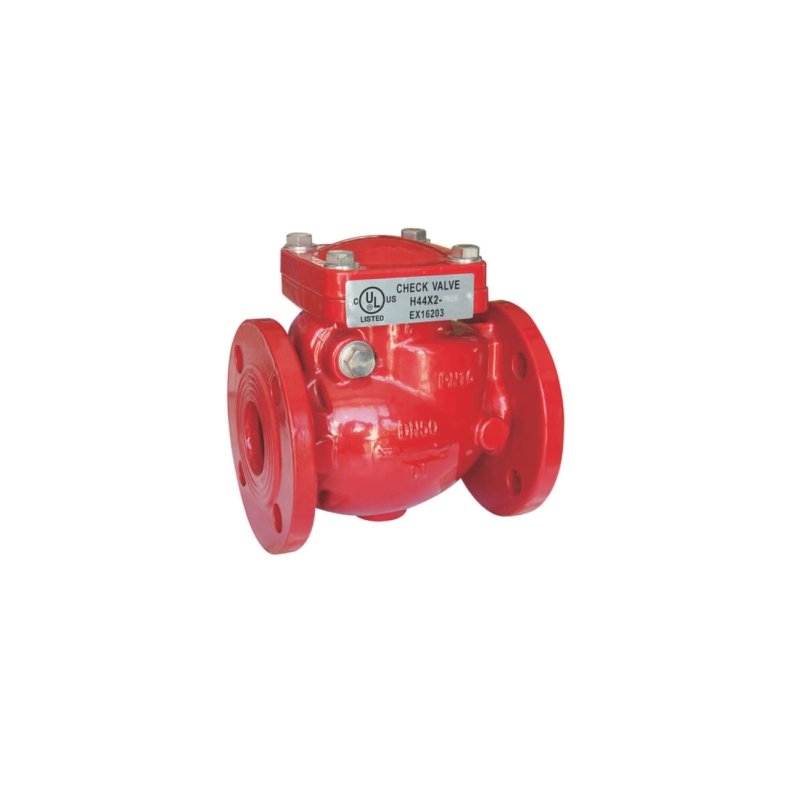
Pipe scale, welding spatter, tape fragments, or flush-water sediment settle inside check valve clappers or butterfly seats. Flow tests at commissioning reveal partial hang-up or incomplete seating, triggering false reverse-flow signals, sluggish system pressure buildup, or absent alarms on check valves.
Butterfly discs bind when light rust forms between edge and seat after extended post-install inactivity. Check clappers stick most often in vertical runs where debris collects directly above the seat.
Leaks at Stem Packing or Gaskets
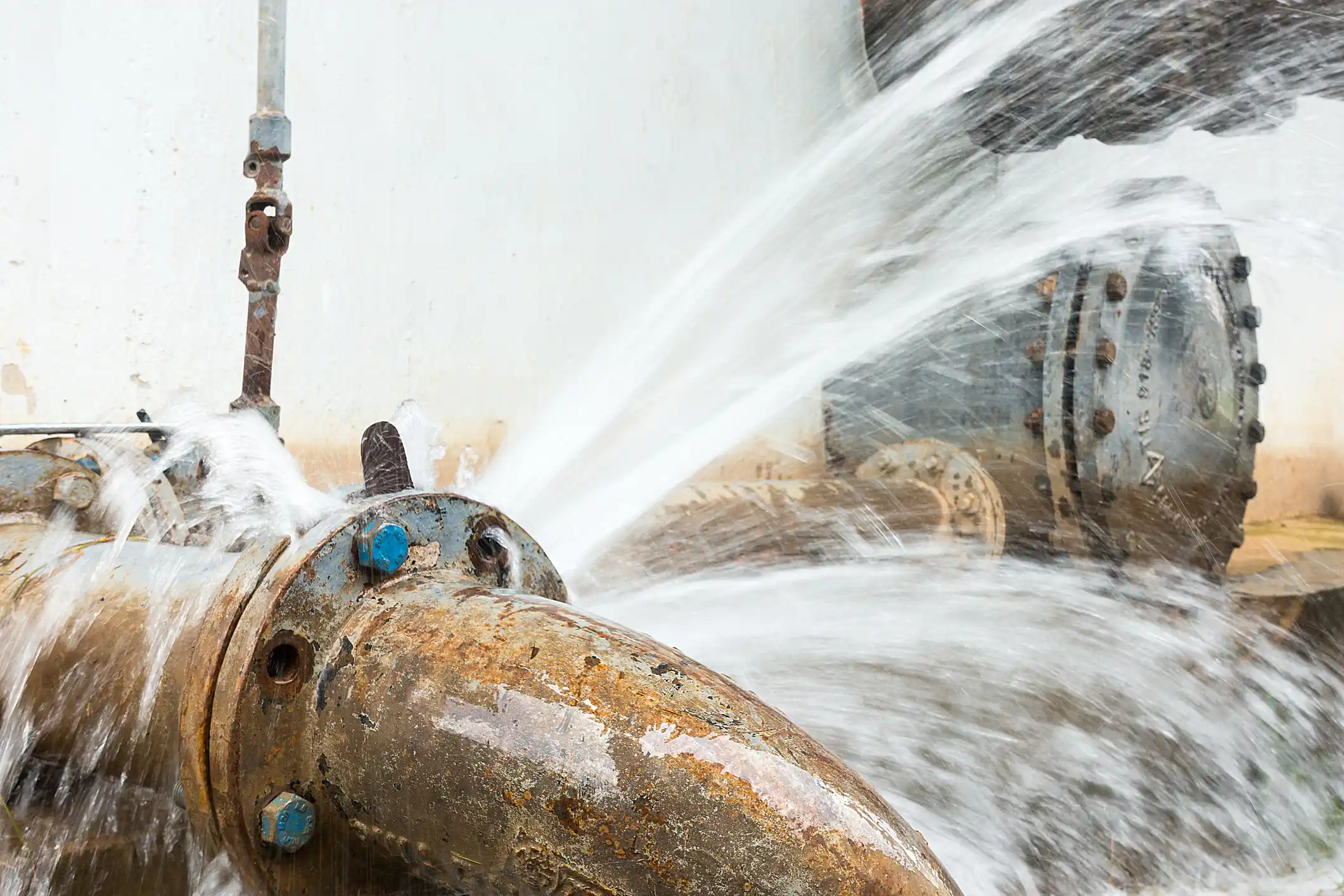
OS&Y gate valve stem packing drips when factory-set nuts stay loose or packing hardens during storage. Butterfly body gaskets weep at grooved connections if couplings sit slightly out of square, unevenly loading the gasket. Small leaks turn steady under full test pressure.
These trace back to variable torque application in the field or minor joint shifts from thermal movement before final tightening.
Supervisory Switch or Tamper Failures
Tamper switches miss position changes because wiring gets pinched during mounting, switches install crooked, or tolerances drift after initial cycling. Commissioning exposes the gap when a controlled close-open sequence produces no supervisory signal.
Pressure-Reducing Valve Malfunctions
PRVs deliver incorrect outlet pressures—too low during demand tests or unstable across flow ranges—due to factory mis-setpoints or debris blocking the pilot line. Some lock in mid-travel after surge events, starving downstream sprinklers.
Misaligned Grooved Butterfly Valves
Grooved butterfly valves leak or require excessive torque when pipe misalignment pulls the housing housing out of plane, distorting gasket compression. The problem shows as visible weeping or stiff operation during pressure holds.
Alarm Check Valve Bypass or No Alarm Activation
Alarm check valves skip alarms because retarding chambers clog with flush debris or clappers hang partially open. No gong sounds and no electric trip occurs despite confirmed flow, failing waterflow supervision requirements.
The table below captures the key failures for field reference:
| Failure Type | Typical Cause | Immediate Fix | Prevention Tip |
|---|---|---|---|
| Closed Control Valve | Post-test oversight | Re-open & confirm supervision | Mandatory open-position sign-off |
| Debris in Check/Butterfly | Incomplete flushing | Re-flush, clean internals | Upstream temporary strainers |
| Stem/Gasket Leaks | Loose torque or misalignment | Re-torque packing & couplings | Calibrated wrench at install |
| Supervisory Switch Failure | Wiring issue or misadjustment | Re-terminate & re-test signal | Bench-check switches pre-mount |
| PRV Malfunction | Debris or wrong setpoint | Clean pilot, reset per calc | Verify settings before test flow |
Root Causes of Valve Issues During Commissioning
Failures cluster around a handful of shared origins. Flushing leaves behind particulates that travel to valve internals on first flow. Torque application drifts across crews—some ease off to chase alignment, leaving gaskets vulnerable to later stress. Valves warehoused on-site in varying humidity lose packing pliability or pick up early rust.
Human factors amplify the mechanical ones. Test sequences skip systematic restoration steps. Fast-track schedules, common in expanding markets, cut corners on pre-commissioning dry cycles or stem lubrication. Long-haul shipments expose components to salt air and condensation cycles that weaken seals before the first turn.
Step-by-Step Fixes for Commissioning Valve Failures
Address failures methodically. Isolate the zone and depressurize following lockout-tagout procedures. Inspect visually for debris, misalignment, or obvious position errors. On sticking valves, flush the line again and partially disassemble if conditions allow to clear seats.
Re-torque couplings, packing glands, and operators to documented specifications—over-tightening splits gaskets, under-tightening invites leaks. Cycle the valve manually several times to bed components. Restore supervisory circuits and confirm signals trip correctly. Repeat the flow or pressure test to validate performance, then capture torque readings, photos, and notes for the as-built package.
Prevention Checklist: Avoid Valve Failures Before & During Commissioning
Prevention builds across phases. At procurement, demand UL/FM-listed valves complete with torque tables, lubrication instructions, and material traceability. Require factory stem and seat lubrication before shipment.
During installation, fit temporary strainers upstream of check and alarm valves throughout flushing. Use calibrated torque wrenches on all grooved and bolted connections. Cycle each valve fully after tie-in to dislodge early debris and confirm smooth travel.
Pre-commissioning covers dry operation of all controls, multimeter verification of supervisory switches, and PRV setpoint checks against hydraulic designs. Apply stem grease where specified.
Commissioning day relies on a written checklist: verify every valve stands open before any flow test, confirm supervision signals, record main drain data, and conduct a zone-by-zone walkthrough. Log torque values, test pressures, and observations comprehensively for authority and carrier handover.
Choosing Reliable Fire Protection Valves to Minimize Startup Issues
صمامات that perform cleanly at commissioning start with designs proven under surge and flow conditions. UL and FM listings verify survival through repeated pressure cycles, torque endurance, and full-flow endurance. Ductile iron bodies with internal epoxy lining, resilient wedge seats on gates, and replaceable packing reduce early wear points. Butterfly models benefit from geared operators and clear visual indicators.
Vendors maintaining broad certified inventories—gate, butterfly, check, alarm, hose—with uniform technical data and regional support cut supply-chain variables. Prompt delivery and local warehousing limit prolonged exposure to jobsite elements that degrade components before startup.
About Fluid Tech Piping Systems (Tianjin) Co., Ltd.
أنظمة أنابيب تكنولوجيا السوائل (تيانجين) المحدودة has focused on fire protection piping since 2018, collaborating with established foundries and machining facilities in northern China. The range covers ductile iron grooved fittings, malleable iron threaded fittings, fire valves in gate, butterfly, check, alarm, and hose configurations, sprinklers, flexible drops, hangers, and seismic bracing hardware.
Exported items hold UL, FM, CE, LPCB, and VDS approvals, produced under ISO-managed systems with supplementary SGS and TUV audits. A specialized South America team addresses regional needs, supported by northern warehousing for reliable lead times. Emphasis stays on complete-system supply, consistent quality, and field-practical support for contractors and distributors.
خاتمة
Most valve failures during system commissioning—closed controls, debris-stuck checks, leaking stems, faulty supervision—arise from avoidable gaps in flushing, torquing, cycling, and verification. Closing those gaps with structured sequences and proven components shortens punch lists, accelerates handover, and drops the odds of early impairments. Specifying UL/FM-certified valves and enforcing disciplined commissioning routines keeps systems operational from the first test onward.
الأسئلة الشائعة
What are the most common valve failures during fire sprinkler commissioning?
Control valves left closed after testing, debris jamming check or butterfly valves, stem packing leaks on gate valves, and supervisory switch failures that miss position changes top the list.
How do you fix a stuck check valve found during commissioning?
Depressurize the line, flush to clear debris, disassemble the clapper assembly if necessary to clean seats, reassemble, cycle the valve multiple times, and re-run flow tests to confirm free operation and tight seating.
Why do control valves get left closed after testing?
Control valves frequently remain closed because test sequences lack a mandatory restoration step, crews shift zones without double-checking position, or no standardized open-verification checklist exists.
What causes butterfly valve leaks during fire system commissioning?
Butterfly valve leaks usually stem from grooved couplings misaligned during install, inconsistent bolt torque stressing gaskets unevenly, or debris trapped at the seat during initial flow.
How can debris-related valve failures be prevented during commissioning?
Install temporary strainers upstream during pipe flushing, cycle valves after tie-in to flush early buildup, perform a final flush before acceptance testing, and verify clean internals on critical valves.