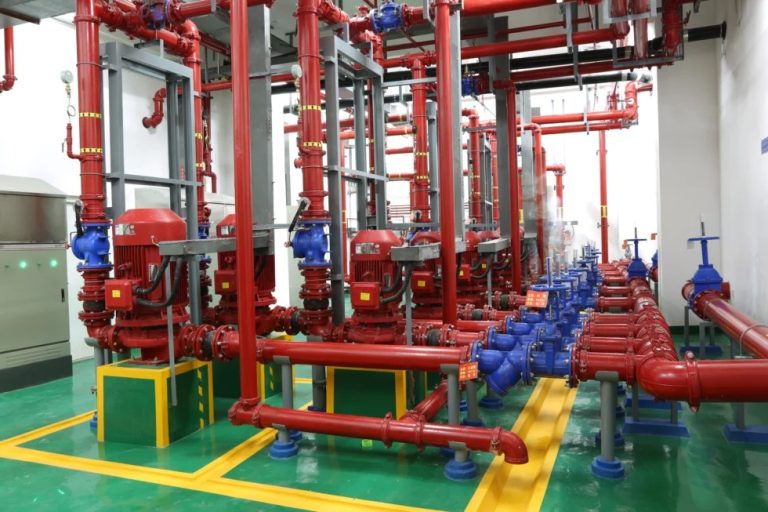
In high-rise fire protection projects located in hot and desert environments, check valve selection rarely feels like a critical decision at first. Valves are sized, pressure ratings are confirmed, and drawings move forward. On paper, most options appear compliant. In reality, check valves in these regions are often exposed to a combination of conditions that quietly push them beyond what standard selection logic anticipates.
High ambient temperatures, large vertical pressure columns, intermittent flow, and long periods of inactivity all influence how a check valve behaves once the system is installed. Problems do not usually appear during inspection or commissioning. They surface later—during pump testing, system modification, or an actual emergency event—when the valve is expected to respond instantly and predictably.
Selecting a check valve for high-rise fire protection in desert climates is less about catalog specifications and more about understanding how valves age, react, and interact with the system over time.
Why Hot and Desert Environments Change the Equation
Temperature is not just an ambient condition
In desert regions, ambient temperatures regularly exceed levels assumed in many standard designs. Pipe networks absorb heat during the day and cool rapidly at night. This daily cycle introduces expansion and contraction that accumulates stress at connection points and internal components.
Check valves sit directly in the path of these changes. Sealing elements, hinge pins, springs, and seats all experience thermal movement. Materials that perform well in moderate climates may stiffen, relax, or wear differently under prolonged heat exposure.
This is rarely visible on a drawing.
Vertical pressure magnifies small issues
High-rise systems amplify every minor inconsistency. A check valve installed several floors above a pump experiences different forces than one near ground level. Closure speed, disc alignment, and seat contact become more sensitive as static pressure increases.
In desert projects where towers often exceed conventional heights, these effects are not theoretical. A valve that behaves acceptably in a low-rise system can become unstable when exposed to tall risers and high differential pressures.
What Check Valves Are Actually Doing in Fire Systems
More than preventing backflow
At a basic level, check valves prevent reverse flow and protect water sources. That description is accurate but incomplete. In fire protection systems, check valves also influence pressure wave behavior, pump start dynamics, and system stability during testing.
When a fire pump starts abruptly, the check valve becomes one of the first components to react. Its response time, closing behavior, and internal damping all affect how pressure propagates through the riser.
In hot environments, these events often occur against a background of expanded piping and elevated system temperatures, which changes how the valve responds.
Long periods of inactivity matter
Fire protection systems spend most of their life waiting. Check valves may remain static for months or years. In desert climates, dust, temperature cycling, and water quality variations can influence how freely internal components move when the system finally activates.
A valve that does not cycle regularly must still perform instantly. That expectation places a premium on internal design stability rather than just nominal flow ratings.
Common Check Valve Types and Their Real Behavior in High-Rise Systems
Swing check valves: simple, but not forgiving
Swing check valves are widely used due to their simplicity and low pressure loss. In high-rise desert applications, their behavior depends heavily on installation orientation and flow conditions.
Under high vertical pressure, swing discs can close with significant force. Repeated events contribute to seat wear and hinge stress. Elevated temperatures accelerate material fatigue, especially if the valve experiences partial movement rather than full cycles.
These valves can work well, but only when their limitations are understood and accounted for.
Double door check valves: compact and responsive
Double door designs reduce space requirements and can offer faster closure. In tall risers, this responsiveness helps limit reverse flow and pressure spikes.
However, faster closure introduces its own risks. If damping is insufficient, pressure surges can become more pronounced, especially in systems with long vertical runs. In hot environments, maintaining consistent spring behavior over time becomes critical.
Designers who assume that compact size alone equals better performance often miss this trade-off.
Lift-type check valves: controlled but sensitive
Lift check valves rely on vertical movement and gravity or spring assistance. In high-rise systems, their performance depends heavily on alignment and cleanliness.
In desert environments where particulate contamination is more likely, lift mechanisms require careful consideration. Even small debris can interfere with seating, leading to leakage or delayed closure.
These valves demand more control than their appearance suggests.
Heat, Materials, and Internal Components
Material behavior under sustained heat
Metals expand. Elastomers age. Springs relax. These effects compound in desert climates. A check valve’s long-term reliability depends on how well its internal materials tolerate sustained temperature exposure rather than brief excursions.
Sealing materials that perform well during testing may harden or lose elasticity over time. Spring characteristics can shift, altering closure behavior in ways that are difficult to predict after installation.
This is why material selection should be driven by operating environment, not just code compliance.
Surface condition and friction
Internal friction increases as surfaces age and coatings degrade. In high-rise systems, even small increases in friction affect response time.
Heat accelerates these changes. Valves that rely on precise movement benefit from designs that tolerate gradual surface wear without binding or sticking.
Placement and System Integration Matter More Than Valve Type
Location within the riser
Where a check valve sits in the system influences how it experiences pressure changes. Valves near pumps see rapid transients. Valves higher in the riser deal with sustained static loads.
In desert high-rises, combining these forces with temperature cycling creates unique stress profiles. Selecting the same valve for all locations without adjustment often leads to uneven performance.
Interaction with pumps and control valves
Check valves do not operate in isolation. Their behavior interacts with pump start curves and control valve settings. In systems where pumps start aggressively to overcome tall risers, check valve response becomes critical.
Coordination between these components reduces noise, vibration, and wear—issues that tend to surface early in harsh environments.
Failure Patterns Seen in Hot-Climate High-Rise Projects
Certain patterns appear repeatedly in desert high-rise fire systems.
Valves that pass commissioning but become noisy during periodic testing. Check valves that begin to leak slightly, triggering maintenance calls. Components that seize partially due to material changes and lack of movement.
These issues rarely stem from a single poor choice. They develop from assumptions that did not account for heat, height, and inactivity acting together.
A Practical Approach to Check Valve Selection
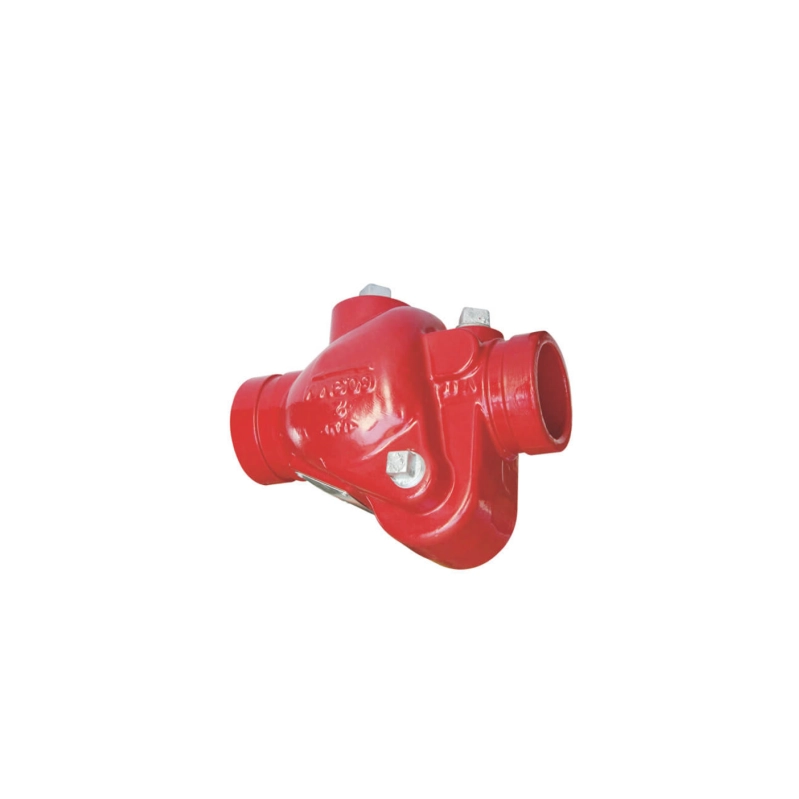
Start with operating behavior, not size charts
Flow rate and pressure rating are necessary but insufficient. Selection should begin with questions about how the valve will experience temperature cycles, how often it will move, and what pressure dynamics it will face.
In high-rise desert systems, these questions narrow options more effectively than catalog comparisons.
Accept trade-offs explicitly
No check valve design eliminates all risk. Faster closure reduces backflow but may increase surge. Simpler designs reduce complexity but may tolerate heat less gracefully.
Making these trade-offs explicit early leads to systems that behave predictably rather than surprisingly.
Design for maintenance reality
Valves that require frequent adjustment or sensitive alignment are less forgiving in environments where access is limited and conditions are harsh. Predictable behavior over time matters more than theoretical efficiency.
Supporting High-Rise Fire Systems Through Component Understanding
In many projects, check valves are treated as interchangeable. In reality, their behavior under pressure, heat, and inactivity varies widely.
Fluid Tech Piping Systems (Tianjin) Co., Ltd. supplies check valves and related fire protection piping components used in high-rise applications across demanding environments. Practical experience in hot and desert regions highlights the importance of aligning valve selection with system behavior rather than relying solely on nominal specifications.
Supporting reliable fire protection systems requires understanding how components respond after installation—during pump events, pressure changes, and years of standby operation.
About Fluid Tech Piping Systems (Tianjin) Co., Ltd.
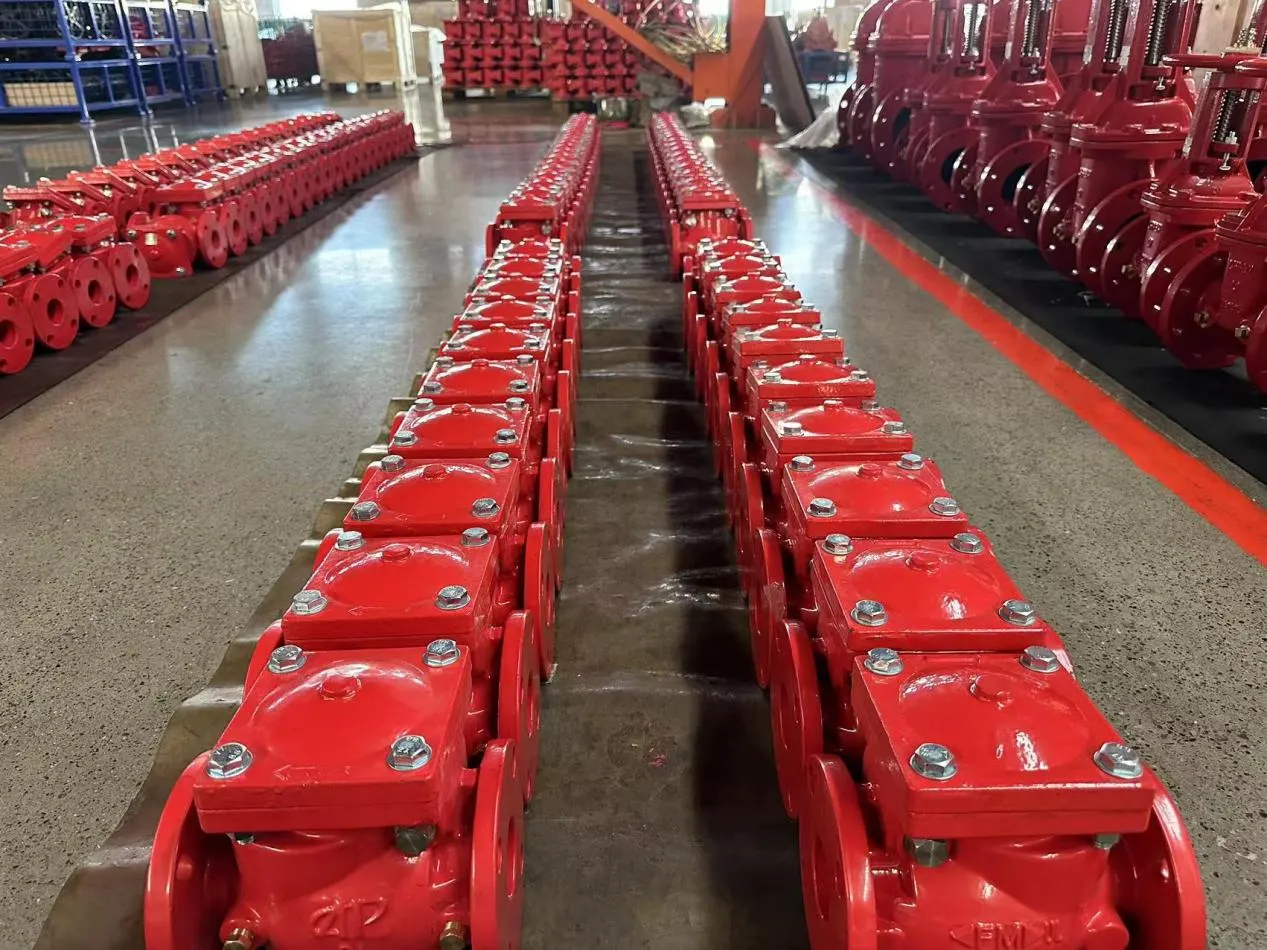
Fluid Tech Piping Systems (Tianjin) Co., Ltd. focuses on piping systems and components for fire protection and fluid conveyance. With a portfolio covering valves, fittings, and system accessories, the company supports projects that operate under varied environmental and regulatory conditions.
By working with customers during the design phase, the engineering team helps align component choices with installation realities and long-term system behavior, especially in high-rise and climate-challenged projects.
Conclusion
Check valve selection for high-rise fire protection in hot and desert environments is rarely about finding a single “best” product. It is about understanding how heat, height, and inactivity shape valve behavior over time.
Systems that remain stable do so because early assumptions were questioned. When valve choice reflects real operating conditions rather than abstract ratings, fire protection networks become quieter, more predictable, and easier to maintain long after commissioning.
FAQs
Why do check valves fail more often in desert high-rise projects?
Because sustained heat, high static pressure, and long inactivity periods accelerate material aging and affect internal movement.
Is faster valve closure always better in tall fire systems?
Not necessarily. Faster closure can limit backflow but may increase pressure surges if not properly managed.
How does temperature affect check valve sealing performance?
Heat changes material properties over time, influencing elasticity, friction, and closure consistency.
Should different check valves be used at different riser locations?
In many cases, yes. Valves near pumps and those higher in the system experience different forces.
When is the best time to evaluate check valve selection?
During early design, before system layout and component assumptions become difficult to change.