If you’ve been involved in fire protection or MEP work over the past decade, you’ve probably noticed something: seismic bracing is no longer treated as a “nice addition” or something only needed in high-risk seismic regions. These days, it sits in the same category as valves, hangers, and mainline supports—completely standard, fully expected, and non-negotiable. Many engineers say it’s now one of the first things reviewers check on a drawing set. Miss it, and the plans come right back.
This shift didn’t start because designers wanted more hardware. It came from real failures. Sprinkler mains broke off at couplings after moderate tremors. Long duct sections pulled from their hangers. Cable trays twisted and dumped their load. A single unbraced run acted like a pendulum and damaged multiple systems at once. Once building departments and insurance groups saw what could happen, seismic bracing systems became mandatory across fire protection and major MEP installations.
What Mandatory Means in Fire Protection and MEP Today
Fire protection systems have strict requirements now
Sprinkler systems look simple, but they carry heavy water-filled pipes. During shaking, these pipes don’t move with the building—they lag behind, creating large lateral loads. Codes now require:
- Lateral bracing at fixed intervals
- Longitudinal restraint on major runs
- Certified clamps, fasteners, and structural connections
- Calculation sheets with actual load paths
Plan reviewers don’t skip this part. If your seismic package is incomplete, they stop everything until the correct documentation arrives.
The same rules apply to MEP systems
HVAC ducts, plumbing mains, electrical trays, and mechanical piping all experience similar forces.
Without proper bracing, MEP components can:
- Tear out anchor points
- Break flanges or flexible joints
- Deform and collapse onto ceilings
- Damage nearby systems
And because MEP trades overlap in crowded ceiling spaces, one poorly protected component can affect multiple systems.
Non-compliance gets expensive fast
Contractors often feel the pain here:
- Failed inspections
- Red-tagged sections
- Forced removal and reinstallation
- Delayed finishes and handovers
- Added labor and material
A single missing diagonal brace or an incorrect anchor can hold up a whole floor’s final inspection.
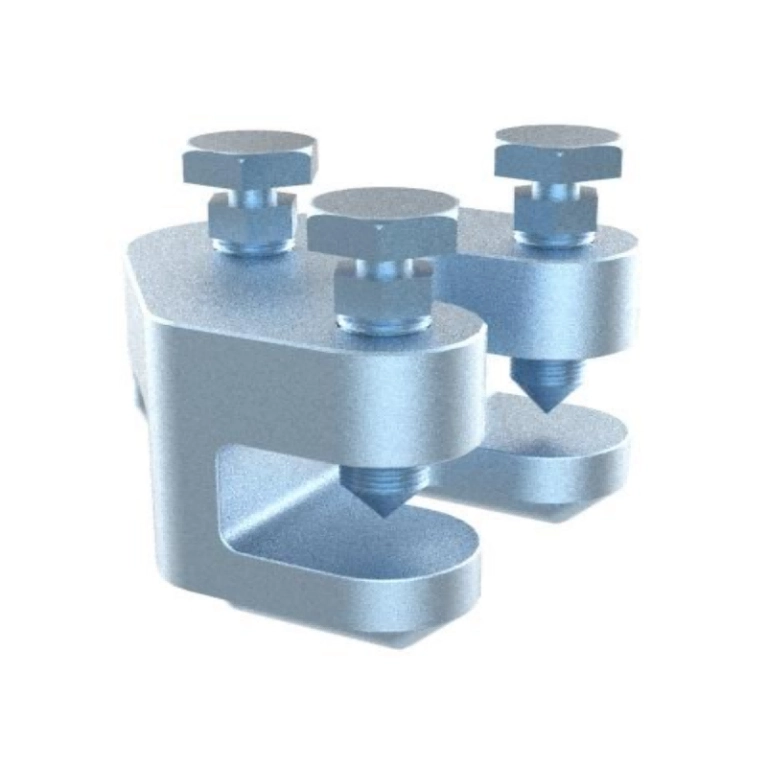
Why Fire Protection Relies Heavily on Seismic Bracing
Sprinkler mains carry weight—and that weight works against them
A water-filled pipe run has real mass. When a quake hits, the building moves first and the pipe follows. This delay produces:
- Bending on hangers
- Stress on tees and elbows
- Pressure on threaded joints
Without seismic braces, the pipe can swing and create shock loads far beyond what a simple vertical hanger can handle.
A broken sprinkler main kills the entire system
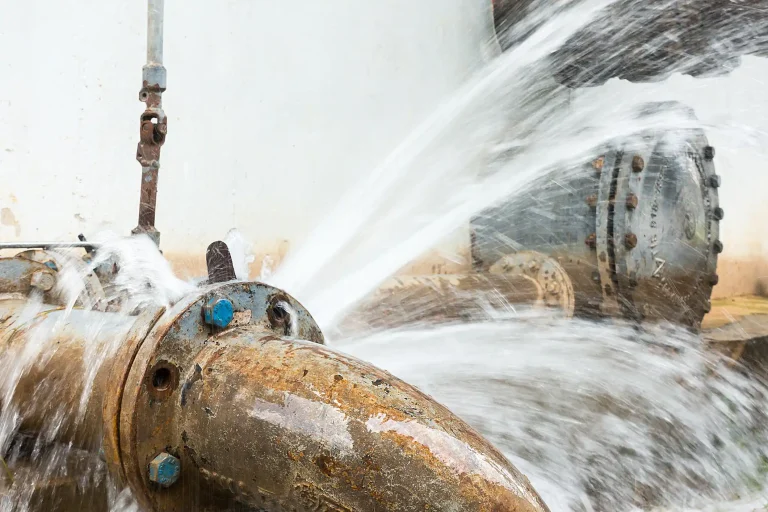
Fire sprinklers depend on maintained pressure. A cracked main or separated joint means:
- Pressure collapse
- No sprinkler activation
- Flooding instead of suppression
- Electrical hazards
- Downtime and major repairs
A seismic bracing system doesn’t just protect pipes—it protects the building’s entire life-safety plan.
How Seismic Bracing Supports Critical MEP Systems
HVAC ducts take big hits during shaking
Large ducts have big surface areas. Shaking forces them to flex, pivot, and twist.
Without bracing, they can:
- Separate at joints
- Break at connection points
- Drop sections onto ceilings
Even small movement can disrupt building airflow or damage sensitive mechanical rooms.
Mechanical piping is vulnerable too
Chilled water, heating water, and gas lines all experience stress during lateral movement. Unbraced systems may:
- Crack insulation
- Bend threaded joints
- Tear away from unreinforced hangers
Bracing turns uncontrolled movement into predictable, limited motion.
What Review Teams Look For in Seismic Bracing Submittals
Documentation must be complete
Most reviewers expect:
- UL/FM certifications (when required)
- Load calculations
- Detailed spacing and orientation diagrams
- Structural anchoring methods
- Component datasheets
Missing documentation almost guarantees a resubmittal.
Inspectors verify every detail on-site
Field inspectors check:
- Brace angles
- Rod diameters
- Correct attachment points
- Approved clamps and adapters
- No swapped or improvised hardware
Installers who try to skip steps usually end up redoing whole sections.
About Fluid Tech Piping Systems (Tianjin) Co., Ltd.
Before the conclusion and FAQs, here’s a straightforward, natural introduction integrated into the article.
Fluid Tech Piping Systems (Tianjin) Co., Ltd. manufactures fire protection fittings, seismic bracing components, grooved couplings, and other hardware used across global commercial and industrial projects. The company’s experience supplying fire sprinkler networks and MEP installations gives it a practical understanding of what inspectors look for and what contractors face on-site.
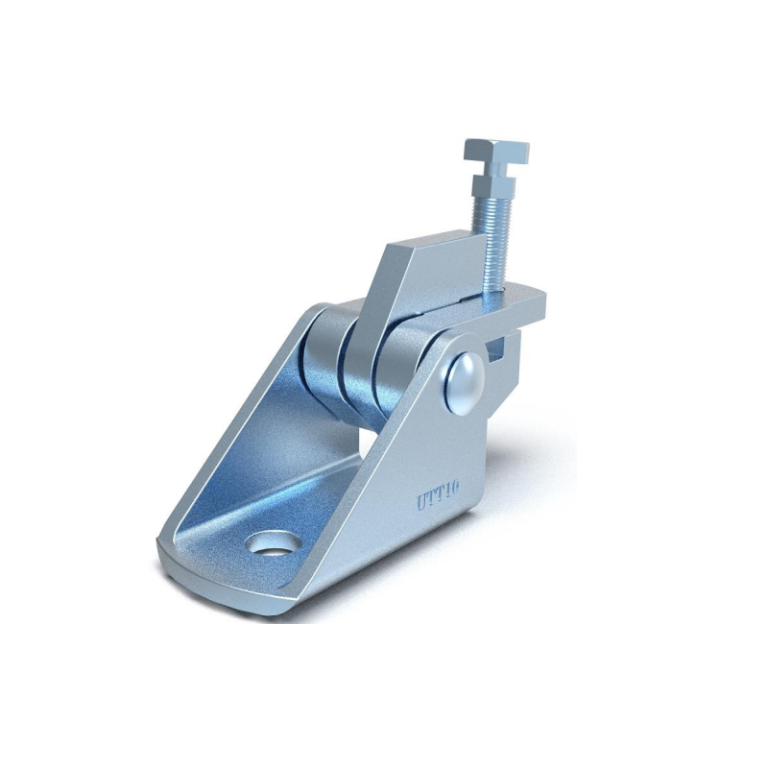
Its product range includes diagonal bracing components, restraints, structural attachments, pipe hangers, and accessories. By focusing on consistent quality and stable supply, Fluid Tech supports contractors working under tight deadlines and strict seismic-compliance rules.
Conclusion
Seismic bracing systems have moved from the margins of design work into the core of both fire protection and MEP installations. They are now tied directly to code requirements, insurance expectations, and building safety practices. What used to be handled with a handful of extra hangers is now a carefully engineered system that determines whether pipes, ducts, or trays stay in place when the building starts to move.
Contractors who take seismic bracing seriously save themselves trouble—fewer rejections, fewer callbacks, fewer emergency fixes. And when the components come from a supplier like Fluid Tech Piping Systems (Tianjin) Co., Ltd., which knows the realities of code compliance and project schedules, the process becomes far smoother. In a world where one missing brace can stall an entire inspection, dependable hardware makes a noticeable difference.
FAQs About Seismic Bracing Systems for Fire Protection and MEP Projects
Why are seismic bracing systems required in fire protection work now?
Most codes call for bracing because sprinkler mains must keep working after a quake. Without seismic support, pipes can shift or break, which stops the entire fire system from functioning.
How do seismic bracing systems help MEP installations?
They limit how much ducts, trays, and mechanical pipes can move when the building shakes. Less movement means fewer joint failures and fewer hazards inside the ceiling space.
What happens if a project doesn’t include the required bracing?
Plan reviewers may reject the drawings, and inspectors can fail the installation. That usually means rework, added cost, and delays to occupancy.
Are seismic braces the same as regular pipe hangers?
No. Standard hangers support weight downward. Seismic braces control sideways and longitudinal movement. Each plays a different role.
Does Fluid Tech supply hardware for seismic bracing systems?
Yes. Fluid Tech Piping Systems (Tianjin) Co., Ltd. produces bracing components used in fire protection and MEP installations, helping contractors meet current seismic requirements.