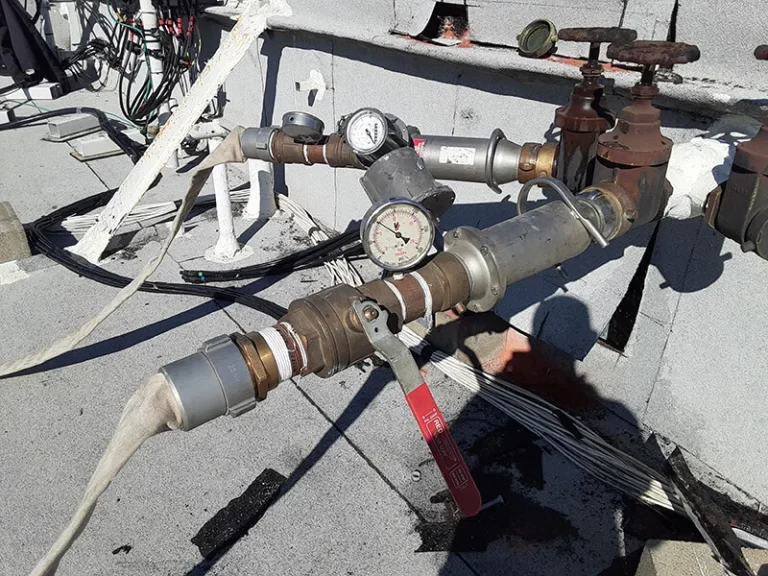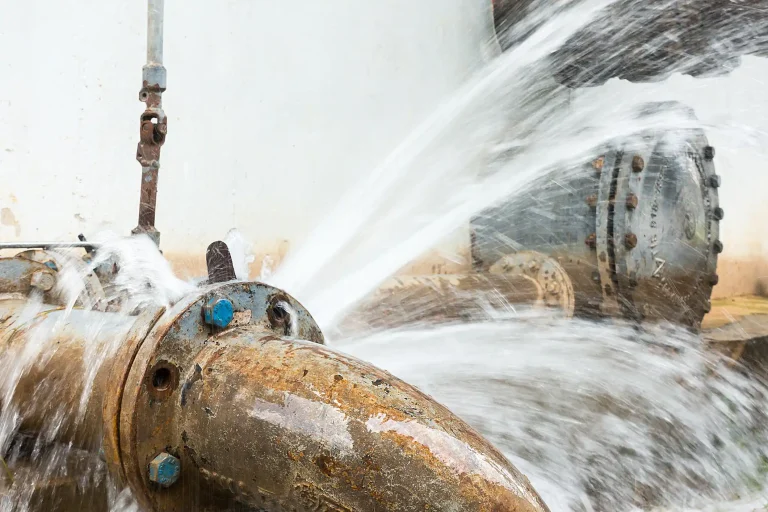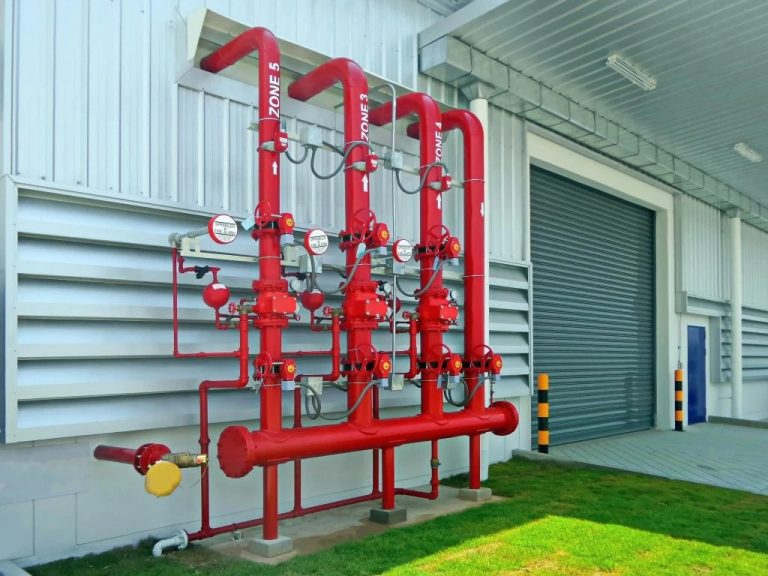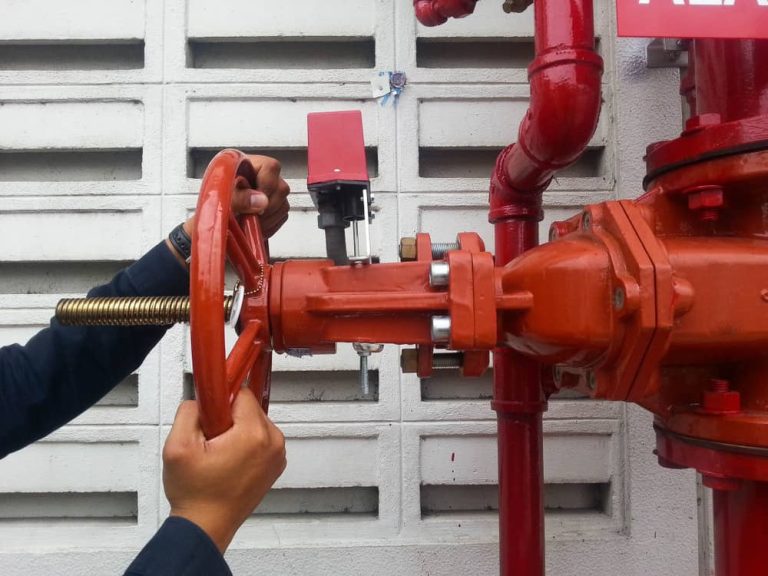
Large firefighting networks look straightforward on drawings—straight mains, branch lines, hangers every so often. But anyone who has stood inside a busy mechanical floor during installation knows the reality: a fire sprinkler network is a heavy, constantly stressed system. Once it’s filled with water, it behaves more like a moving mass than a set of static pipes. That’s why seismic bracing becomes so important, especially in large commercial buildings, industrial plants, hospitals, and data centers where a single failure can compromise the entire fire protection system.
Choosing the right seismic sprencing system isn’t just about buying braces and clamps. It’s about matching the structure, pipe size, building layout, movement patterns, and code requirements. And in many large-scale projects, the difference between a bracing system that simply “passes inspection” and one that works reliably during an actual seismic event can be significant.
This guide walks through the key considerations engineers and contractors should keep in mind when selecting seismic bracing systems for large firefighting pipe networks—and how the right supplier can simplify that process.
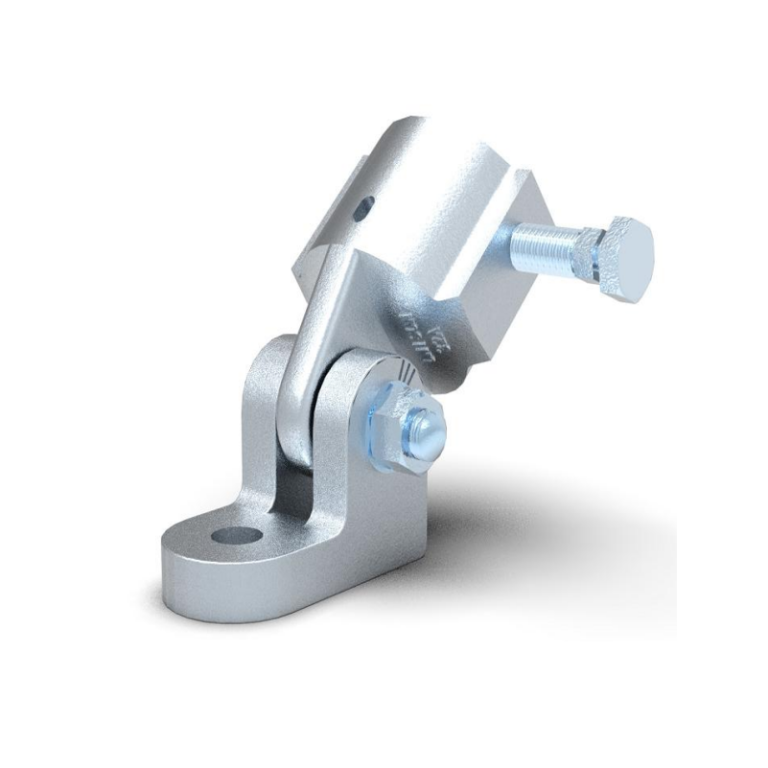
Understanding What a Firefighting Pipe Network Faces During a Seismic Event
Fire mains are heavy—and react slowly to building motion
A water-filled pipe does not move in sync with the building. When the building starts to shake, the pipe briefly stays still, then suddenly swings. This lag time creates:
- Lateral force on hangers
- Stress on elbows and tees
- Twisting on threaded joints
- High load on branch connections
For large mains—especially 4”, 6”, 8”, or 10”—this movement can be severe.
Branch lines add complexity
In large networks, hundreds of branch lines hang off the mains. During shaking, if these branches move unpredictably, they can:
- Push the main off-center
- Increase stress on risers
- Hit other MEP systems
- Cause joint separation
Choosing a bracing system means accounting not just for the main line, but for the entire connected network.
Ceiling congestion increases risk
Firefighting pipes rarely run alone. They share ceiling space with:
- HVAC ducts
- Cable trays
- Plumbing mains
- Electrical conduits
If fire pipes swing too far, they collide with other systems, increasing the risk of cascading failures.
Key Criteria When Selecting a Seismic Bracing System
Verify that components are rated for the correct loads
Different pipes carry different seismic loads based on:
- Diameter
- Water volume
- Span between hangers
- Building height
- Seismic zone classification
The right system includes certified components with verified load ratings for tension, compression, and combined loads. Underrated components are a common cause of failed inspections.
Look for compatibility with pipe size and material
Not all braces fit all systems. For large firefighting networks, common pipe materials include:
- Schedule 10 / Schedule 40 steel pipe
- Grooved pipe systems
- Threaded steel networks
The seismic bracing system must integrate cleanly with these materials and with the clamps used in the fire protection industry.
Consider installation sequence and site conditions
Large networks often span crowded ceilings. When selecting a bracing system, consider:
- Whether components can be installed in tight spaces
- The length of adjustable rods
- Whether braces can be pre-assembled
- The time needed for proper alignment
Complex bracing systems that look good in catalogs often become impractical in the field.
Ensure proper anchorage to structure
Even a strong brace is useless if the anchorage fails.
Different building structures require different anchoring methods:
- Concrete slab
- Steel beams
- Composite decking
- Precast concrete
The seismic bracing system must offer anchor solutions that match the structure—not generic fasteners that “fit anything.”
Confirm compliance with applicable standards
Depending on project location, bracing systems may need to meet:
- UL / FM testing requirements
- NFPA 13 bracing rules
- Local seismic design codes
- Structural engineer calculations
Using uncertified or substitute components almost always leads to failed inspections or forced rework.
Choosing Bracing Types for Large Fire Pipe Networks
Lateral Bracing
Used to control side-to-side movement.
Critical for:
- Long horizontal mains
- Areas with wide ceiling spans
- Large-diameter pipes
Longitudinal Bracing
Controls pipe movement parallel to its length.
Useful for:
- Preventing “pipe whipping”
- Reducing stress on couplings
- Protecting branch connections
Sway Brace Assemblies
Used at critical intersections, risers, or where pipes change direction.
A steady brace keeps these sections from shifting.
Riser Bracing
Vertical risers experience high compressive loads during earthquakes.
Proper riser bracing prevents buckling and joint separation.
Common Mistakes to Avoid in Large-Scale Bracing Projects
Using standard hangers instead of seismic braces
Vertical load support ≠ horizontal load restraint.
Standard hangers only carry weight; they do not restrict lateral or longitudinal movement.
Incorrect brace angles
Brace angles too shallow or too steep reduce load capacity.
Inspectors look for this and reject incorrect installations immediately.
Improper clamps or unapproved substitutions
Contractors sometimes swap certified clamps with cheaper ones.
This almost always results in rework.
Poorly executed structural anchoring
Even with the right brace, a weak or mismatched anchor can fail.
Missing bracing calculations
Large systems require documented calculations for spacing, angle, and load capacity.
Missing paperwork often delays approval.
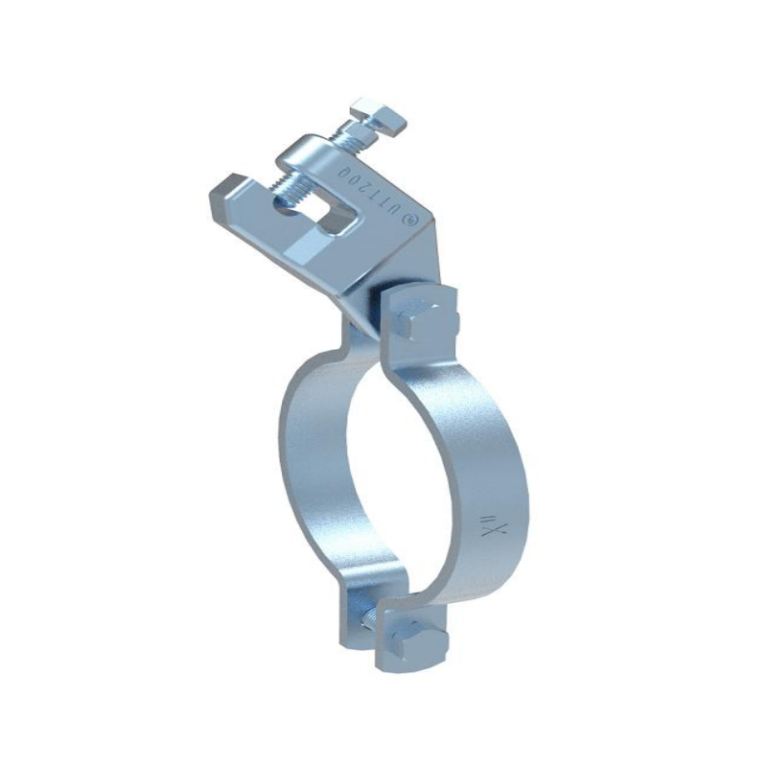
About Fluid Tech Piping Systems (Tianjin) Co., Ltd.
Before moving into the conclusion and FAQs, here’s a natural introduction.
Fluid Tech Piping Systems (Tianjin) Co., Ltd. manufactures fire protection fittings and seismic bracing components used widely in commercial, industrial, and infrastructure projects. With experience across global firefighting specifications, the company supplies tension braces, compression braces, structural attachments, sway braces, pipe clamps, and related hardware designed specifically for fire sprinkler and MEP systems.
Its production capabilities and stable material quality help contractors avoid the common issues seen during seismic inspections—such as inconsistent threads, unmatched load ratings, or incomplete component sets.
Abschluss
Selecting a seismic bracing system for a large firefighting pipe network isn’t a matter of checking a box. The system has to match the building layout, the pipe loads, the structural conditions, and the local code requirements. It must also work in crowded ceiling spaces and withstand real movement—not just pass a paper calculation.
When a bracing package is chosen carefully and installed correctly, the fire system stays intact when the building shakes. When corners are cut, inspectors catch it quickly—or worse, the system fails when it’s needed most. Working with a supplier like Fluid Tech Piping Systems (Tianjin) Co., Ltd., which understands both the technical and practical sides of seismic bracing, makes the entire process smoother for contractors and engineers.
FAQs About Selecting Seismic Bracing Systems for Firefighting Pipe Networks
What factors matter most when choosing a seismic bracing system?
Pipe size, water volume, structural conditions, brace load ratings, and code requirements all play major roles. Large firefighting networks especially need components rated for high lateral and longitudinal loads.
Are standard hangers enough for seismic protection?
No. Standard hangers only carry vertical weight. Seismic bracing systems control sideways and lengthwise movement, which is what prevents failures during shaking.
Why do inspectors focus so heavily on brace spacing and anchor points?
Improper spacing or weak anchorage can cause the entire brace to fail. Inspectors look closely at these details because they determine whether the system will actually hold during an earthquake.
What documents are usually required during plan review?
Load calculations, brace layout drawings, anchor details, and certification documents for components. Large projects often require a complete package before approval.
Does Fluid Tech supply bracing systems suitable for large fire pipe networks?
Yes. Fluid Tech Piping Systems (Tianjin) Co., Ltd. produces a full range of seismic bracing components designed for high-load sprinkler mains and complex MEP layouts.