2026

Recomendado

No se encontraron publicaciones

Todas las noticias

ULFM Grooved Fire Protection Piping for Saudi Vision 2030 Mega-Projects NEOM, Red Sea & Qiddiya Demand, Specs & Fast Delivery Guide 2026
UL/FM Grooved Fire Protection Piping for Saudi Vision 2030 Mega-Projects: NEOM, Red Sea & Qiddiya Demand, Specs & Fast Delivery Guide 2026
In the midst of Saudi Arabia’s Vision 2030 execution during 2026, the sheer volume of ongoing work across NEOM, the Red Sea Project, and Qiddiya continues to generate substantial requirements for fire protection piping capable of performing reliably in demanding field environments. UL/FM certified grooved...
NFPA 13 2025 Edition Updates How Grooved Fittings Help You Pass Inspections Faster
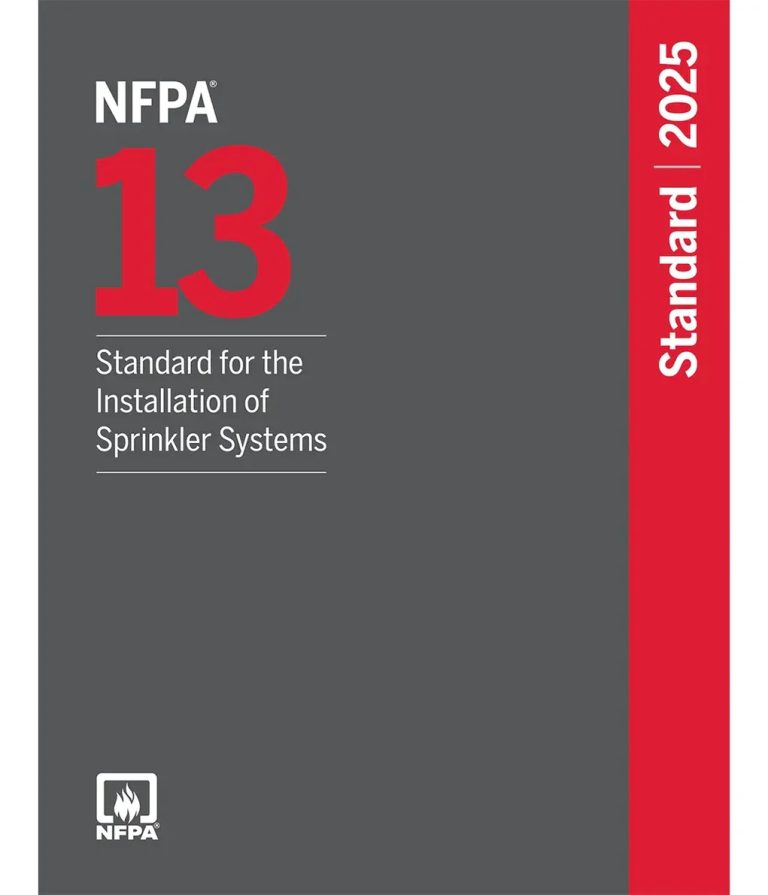
NFPA 13 2025 Edition Updates: How Grooved Fittings Help You Pass Inspections Faster
The 2025 edition of NFPA 13, Standard for the Installation of Sprinkler Systems, went into effect late last year, and crews in the field are navigating the consequences on current installations. The standard applies tighter criteria to dry and preaction systems, introduces expanded protection approaches...
2026 Old & High-Rise Building Fire Retrofit Wave Why ULFM Ductile Iron Grooved Fittings Are the Preferred Choice
2026 Old & High-Rise Building Fire Retrofit Wave: Why UL/FM Ductile Iron Grooved Fittings Are the Preferred Choice
Old and high-rise building fire protection retrofits keep building volume in 2026, driven by the ongoing weaknesses in aging stock and the steady tightening of code enforcement after several high-loss events. Ductile iron grooved fittings sit at the front of most project specifications now because they...
Why Ductile Iron Grooved Fittings with Rigorous Quality Control Are the Future of Sustainable Fire Safety Piping
Ductile iron grooved fittings with rigorous quality control continue to position themselves as a practical forward choice for sustainable fire safety piping through 2026. Regulations stay on a tightening track—LEED v4.1 keeps raising the bar on embodied carbon, the EU Carbon Border Adjustment Mechanism...
How Advanced Manufacturing Ensures Zero-Leakage Grooved Pipe Fittings in Fire Protection Systems (2026 Guide)
In fire protection piping field practice, the grooved pipe fittings manufacturing process stands as the main factor deciding joint seal performance under service pressure and repeated cycles with no leakage allowed. Jobs on high-rises, data centers, and industrial plants keep shortening timelines while...
Why Grooved Coupling & Grooved Pipe Fittings Reduce Installation Risk in Large Fire Protection Projects
Grooved coupling & grooved pipe fittings fire systems serve as a proven mechanical joining approach that markedly cuts installation risks across extensive fire protection installations, spanning vast airport terminals through to multi-story commercial developments. Teams managing these large-scale...
Grooved Coupling & Grooved Pipe Fittings Systems in Fire Protection Performance, Compliance, and Field Reality
Grooved Coupling & Grooved Pipe Fittings Systems in Fire Protection: Performance, Compliance, and Field Reality
Grooved coupling & grooved pipe fittings fire protection systems represent essential elements in contemporary fire suppression networks, offering secure linkages that resist severe stresses while easing assembly in varied settings. Within demanding structures such as those towering in the Middle...
Malleable Iron Fitting Installation Issues in Middle East Fire Systems
  Commercial projects in the Middle East have a way of turning small installation lapses into expensive punch-list items. A threaded joint looks fine on day one, passes a quick visual check, and then starts weeping during hydrostatic testing—or worse, weeks after handover when ceilings are closed...