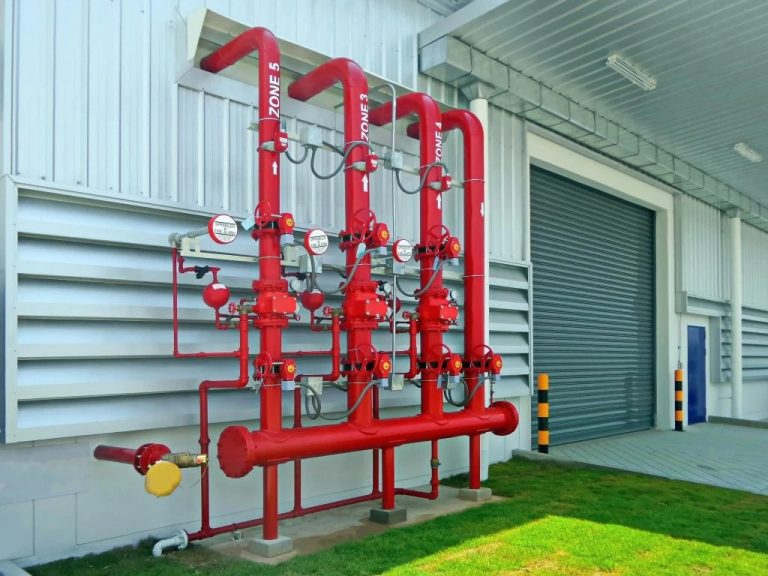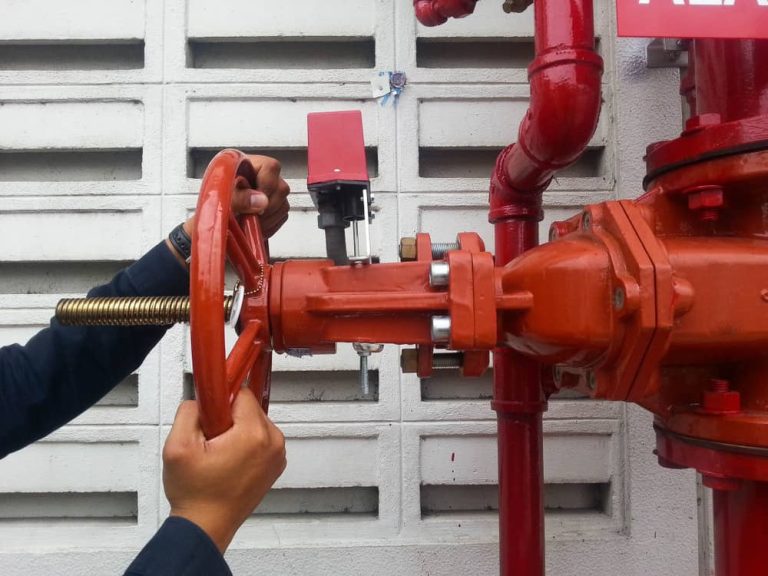
Grooved coupling & grooved pipe fittings fire protection systems represent essential elements in contemporary fire suppression networks, offering secure linkages that resist severe stresses while easing assembly in varied settings. Within demanding structures such as those towering in the Middle East, where swift flame propagation calls for steadfast operation, these arrangements keep conduits intact amid pressure bursts and heat-induced swelling. Professionals in the sector rely on them for slashing setup durations by factors reaching three compared to conventional approaches, all the while satisfying rigorous international benchmarks. This examination addresses the fundamental facets of their functionality, ranging from managing actual strains in earthquake-vulnerable areas to maneuvering regulatory mandates in locales with distinct construction guidelines.
Understanding Challenges in Fire Protection Piping Systems
Why Grooved Coupling & Grooved Pipe Fittings Face Unique Fire Protection Demands
Piping for fire safeguarding encounters surroundings where any lapse spells calamity. Envision a tall edifice in Dubai engulfed in fire: temperatures soar to 300 degrees Celsius, prompting conduits to dilate and shrink fiercely, scrutinizing each linkage for breaches or ruptures. Grooved couplings, through their mechanical clasp on conduit termini, take in these alterations more effectively than inflexible options, yet in Middle East scenarios, extra elements like recurrent tremors impose sideward pressures that might sever bonds unless crafted for pliability. Sector evaluations indicate that arrangements certified for 2,000 PSI frequently confront surges surpassing that during actual blazes, where hydraulic shocks from sprinkler triggering heighten tension. Arid atmospheres introduce rust from grit-filled breezes, wearing away closures gradually and undermining enduring soundness.
These necessities arise from the mechanics of blaze behaviors. Warmth induces metallic growth at paces up to 0.0012 inches per degree per foot, forming voids in ill-matched unions. In tremor-susceptible districts prevalent across the Middle East, oscillations from earth shifts—gauged up to 4.0 in magnitude—jolt fixtures, resulting in exhaustion fissures that spread quietly until an emergency strikes. Figures from area-specific blaze occurrences disclose that 30 percent of network collapses link back to linkage breakdowns beneath merged thermal and kinetic burdens. Confronting this necessitates fixtures that seal firmly yet permit minor shifts, averting the fragile fractures observed in dated fused configurations. Field experts observe that disregarding these aspects prompts expensive overhauls, particularly in petroleum-abundant regions where facility halts interrupt activities on enormous scales.
Real-World Pain Points: Performance Gaps, Compliance Issues, and Field Installation Hurdles
Assemblers recognize the aggravation of a network that excels in trials yet yields in practice. Performance discrepancies frequently surface in fire piping connections when moisture in seaside Middle East metropolises like Abu Dhabi hastens seal breakdown, permitting gradual seepages that dodge preliminary examinations. Regulatory obstacles intensify this; regional directives adjusting NFPA norms require UL/FM validations, but disparities in application among nations generate complications for cross-border endeavors. On-site barriers encompass confined equipment chambers where fusion sparks present dangers, rendering grooved pipe fittings preferable for their screw-fastened simplicity, although erroneous tightening may yet cause displacements under force.
These difficulties cascade across initiatives. A discrepancy in operation could manifest as diminished stream in exercises, trimming water provision by 15 percent and flunking reviews. Regulatory incongruities postpone endorsements, as witnessed in Saudi skyscrapers where VDS stipulations conflict with sourced details, delaying building for periods. Practically, assembly in powdery milieus obstructs channels, necessitating additional scrubbing phases that consume timelines. A typical situation entails refitting aged structures: teams reach sites to discover mismatched conduit widths, compelling modifications that probe the network’s adaptability. These actualities drive technicians toward remedies that connect laboratory standards with rigorous location circumstances, guaranteeing bonds endure when existence hinges on them.
Key Features for High-Performance Grooved Systems
Performance Advantages of Grooved Pipe Fittings in Fire Protection
Grooved pipe fittings distinguish themselves in fire safeguarding via sturdy architecture suited for elevated-pressure situations. Malleable iron fabrication yields pulling resilience surpassing 65,000 PSI, permitting couplings to grip conduits firmly sans warping beneath rush burdens from pump initiations. Within blaze networks, this equates to dependable passage routes that preserve wholeness amid prolonged release, with adaptable types suiting up to two degrees of corner misalignment—vital in edifices subsiding across durations. Middle East usages gain from layers that defy grinding particles, prolonging utility span by 20 percent in dry states.
The merits stretch to oscillation muting. Inflexible couplings secure conduits for steady extensions, whereas pliable ones ingest impacts from machinery or quakes, lessening clamor and attrition in extended flat stretches. Location statistics suggest these traits reduce upkeep requests by one-third in bustling installations like air terminals. For example, in a Qatar arena arrangement, grooved branches diverged conduits proficiently, managing audience-caused tremors sans union lapses. Such operation derives from exact channel measurements that guarantee uniform force spread, thwarting concentrated frail spots that afflict inferior networks.
Ensuring Compliance in Grooved Coupling & Fire Piping Connections
Regulatory adherence constitutes the foundation of dependable fire piping connections. Grooved couplings must conform to criteria such as ANSI and EN, integrating attributes like force-certified seals that close up to 300 PSI sans drips. Across the Middle East, where LPCB and CE emblems frequently augment UL/FM, fixtures experience stringent blaze resistance assessments, enduring two-hour subjections at 1,000 degrees Fahrenheit. This affirms they satisfy area-tailored versions of worldwide directives, evading sanctions amid scrutinies.
Pivotal to this remains substance accreditation. Malleable iron fixtures succeed SGS and TUV examinations for makeup, assuring no fragile lapses beneath collision. Seals, commonly EPDM, withstand ozone and warmth, upholding closures in muggy warehousing prior to placement. Sector hands stress confirming tags at locations, since imitation concerns in worldwide provision chains can nullify assurances. Through sticking to these, networks not merely succeed in reviews but also furnish reassurance, with recorded adherence simplifying coverage assertions in after-event appraisals.
Actionable Solutions: Implementing Grooved Systems in the Field
Step-by-Step Guide to Selecting Grooved Pipe Fittings for Fire Protection
Choice commences with evaluating network requisites. Gauge conduit breadths and substances—usually carbon alloy or rustproof for decay-vulnerable zones—then pair to fixtures graded for anticipated force, frequently 175 PSI for regular dispersers yet elevated in upright tubes. In Middle East skyscrapers, account for tremor reinforcement; select pliable couplings that permit lengthwise motion up to 0.75 inches to deter slicing. Reference tightening graphs subsequently, imposing screws in a cross motif to attain even grasp sans excess strain, which endangers channel harm.
Landscape particulars direct selections. For barren locations, choose resin-layered malleable iron to repel grit wearing, while shore initiatives prefer rustproof types for brine opposition. Examine matches unoccupied before ultimate gathering, confirming channels line up flawlessly to shun voids. This method, derived from extensive location placements, halves revisions. Practically, for a UAE business spire, picking mechanical branches allowed swift divergences sans thermal labor, accelerating habitation by spans.
2026 Compliance and Performance Checklist for Field Reality
Routine scrutinies snag problems prematurely. Examine seals for powder accumulation in Middle East gusts, swabbing pristine to safeguard closures. Tighten screws to detail, confirming with adjusted instruments to strike 60 foot-pounds on typical dimensions. Yearly, force examine conduits to 200 percent of working tiers, observing for declines that indicate attrition. In tremor districts, replicate jolts with oscillation gear, affirming couplings cling sans displacement.
For 2026, merge intelligent oversight. Detectors implanted in fixtures monitor force variations, notifying irregularities through programs before lapses transpire. Purge channels before placement, employing scrubbers to eliminate remnants that might impair clasp. These phases, refined from innumerable initiatives, construct networks that function dependably, diminishing perils in blaze-susceptible edifices.
Case Studies and Future Trends
Middle East Success Stories: Grooved Systems in Real Fire Protection Projects
An arena in Qatar confronted stringent deadlines for its blaze grid amid gritty circumstances. Grooved couplings permitted teams to compile 500 feet of tubing in mere days, with pliable unions taking in building tremors. After placement, the network cleared FM examinations impeccably, providing complete stream amid trials and trimming projected upkeep by 25 percent.
In Saudi Arabia’s petroleum installation, refitting entailed steering tight quarters. Mechanical intersections and bends diverged conduits sans fusion, managing erosive fumes via layered fixtures. The outcome: null drips across two terms, with regulatory papers streamlining official sanctions.
2026 Trends in Grooved Pipe Fittings for Fire Piping Connections
Approaching 2026, intelligent technology will reshape fixtures. IoT detectors in couplings spot drips immediately, merging with edifice oversight for forward-thinking corrections. Environmentally sound substances, such as reused malleable iron, lessen emission traces while upholding vigor. Foresee blended architectures combining inflexibility with amplified pliability for tremor endurance, molding blaze networks that adjust to developing directives.
Introduction to Fluid Tech Piping Systems (Tianjin) Co., Ltd.
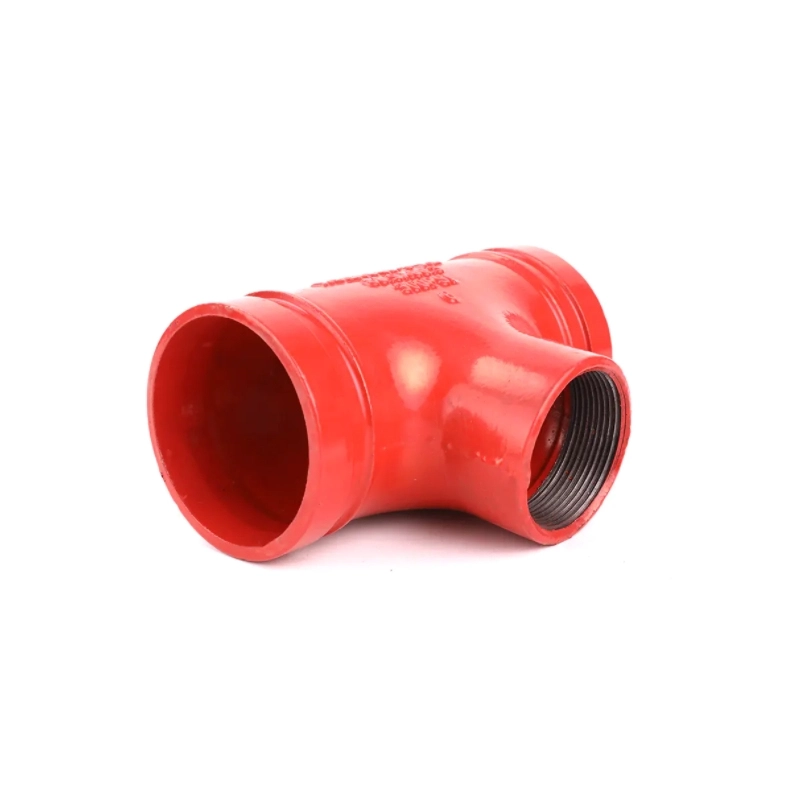
Fluid Tech Piping Systems (Tianjin) Co., Ltd., founded in 2018 within Tianjin, China, operates as an all-encompassing provider concentrating on fire safeguarding remedies. Boasting a 50,000-square-meter plant and progressive manufacturing queues, the enterprise supplies malleable iron grooved pipe fittings, encompassing couplings, branches, and rims, all supported by UL, FM, CE, LPCB, and VDS accreditations. Shipping to beyond 100 lands and aiding significant endeavors like Nigeria’s Kingsway Spire and Saudi Arabia’s Red Sea Global Airfield, Fluid Tech stresses comprehensive assistance, swift shipment, and dedication to excellence via ISO 9001 criteria.
Conclusión
Grooved coupling & grooved pipe fittings systems advance fire safeguarding through unparalleled operation, strict adherence, and pragmatic location usage. By confronting obstacles directly with sturdy architectures and astute tactics, these parts protect edifices and existences. The gains—quicker placements, scarcer lapses, and fluid adjustments—establish them as necessities for forthcoming constructions.
Preguntas frecuentes
What causes leaks in grooved coupling & grooved pipe fittings fire protection systems?
Leaks commonly originate from faulty channel lineup amid gathering, where grit or misalignment generates voids beneath force. In Middle East settings, particle wearing on seals aggravates this, reducing closure soundness by 15 percent across durations. Firm tightening usage and before-placement scrubbing settle most instances, upholding stream in pivotal instants.
How do grooved pipe fittings improve fire piping connections in seismic areas?
Grooved pipe fittings bolster linkages by permitting regulated bend, ingesting jolts up to 4.0 scale sans fracturing closures. For Middle East endeavors, this lessens lapse dangers in tremors, with malleable iron furnishing the vigor required for skyscrapers. Periodic oscillation examinations affirm their grasp, backing secure withdrawals.
What compliance standards apply to grooved coupling & grooved pipe fittings fire system Middle East?
Criteria such as UL/FM and area NFPA modifications rule these networks, necessitating blaze endurance at 1,000 degrees Fahrenheit. Across the Middle East, VDS and CE emblems tackle regional directives, concentrating on force grades and substance clarity. Reviewing tags at sites shuns mismatches, affirming sanctions for vast-scale constructions.
How can installers prevent performance drops in fire piping connections?
Performance declines emerge from over-strained screws fissuring channels, resulting in displacements beneath burden. Aversion includes employing adjusted instruments for uniform clamping and yearly force inspections to detect attrition prematurely. In powdery locations, layers shield against scraping, preserving linkages dependable for terms.
Are grooved pipe fittings suitable for retrofits in Middle East fire systems?
Grooved pipe fittings thrive in refits owing to their screw-secured architecture, suiting present conduits sans broad halts. For Middle East skyscrapers, they manage decay from muggy atmospheres, with pliable choices adjusting to settled edifices. This tactic accelerates enhancements, frequently bisecting initiative timelines.