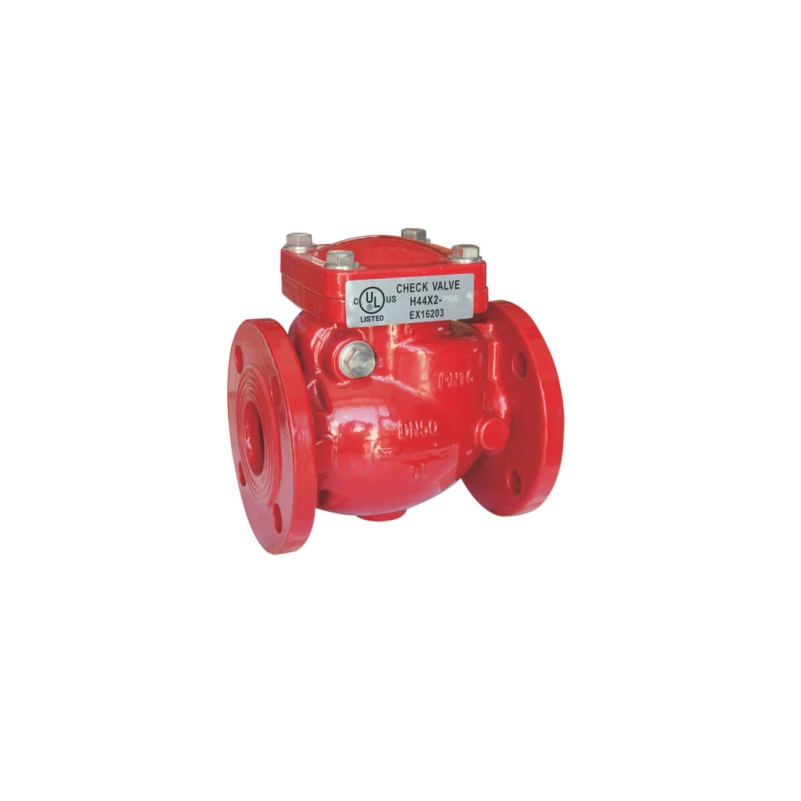
Fire sprinkler systems in the UK must work reliably when called upon, but they also have to coexist with day-to-day building use. In occupied offices, hotels, and residential towers, noise from the system can become a real issue during testing or normal operation. Water hammer from traditional swing check valves creates sharp bangs that travel through pipes and structure. Tenants complain. Property managers receive reports. Contractors get called back. Silent check valves have emerged as a practical way to address this in both new installations and retrofits. The question for M&E teams working on UK projects is how these valves perform in real sprinkler systems and whether they deliver meaningful noise reduction without compromising flow or reliability.
The Noise Problem in UK Fire Sprinkler Systems
Sprinkler systems in multi-storey buildings often run through risers that pass close to occupied spaces. When pumps start for testing or a head opens, water surges through the lines. Traditional swing check valves close with the disc slamming against the seat as flow reverses. That impact generates water hammer—a pressure spike and audible bang. In steel pipe, the sound carries easily along the run and into floors or walls.
Property managers in office towers report the issue frequently. A monthly test in a 20-storey London block can produce noises loud enough to disturb open-plan floors. Hotels face similar feedback from guests during routine checks. Residential conversions with sprinkler retrofits see complaints from leaseholders who were not expecting periodic thumping from the pipes. The problem grows in buildings with long riser runs or multiple zones, where the hammer effect amplifies.
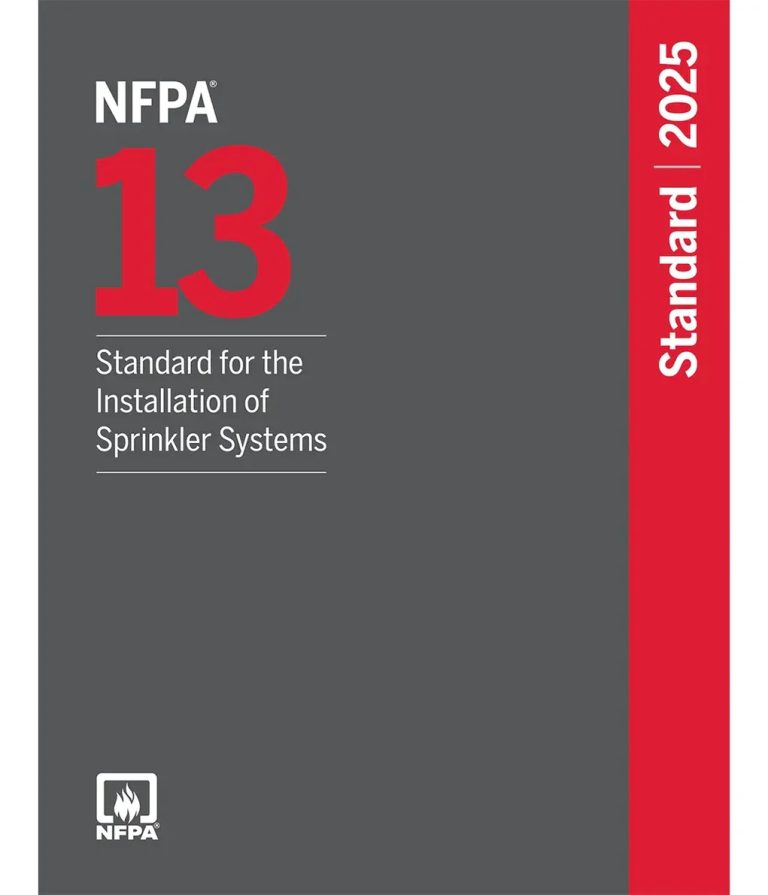
British standards address system performance but leave noise largely to building management. BS EN 12845 covers design and installation for sprinkler systems, focusing on flow and pressure. It does not set specific noise limits. HSE guidance on workplace noise applies more to construction than operation. The result is that noise complaints fall to property teams to resolve, often leading to ad-hoc fixes or restrictions on testing times.
Why Water Hammer Occurs and How It Affects Occupied Buildings
Water hammer starts with sudden flow changes. Pumps starting or stopping, quick-closing valves, or zone isolation create pressure waves. In rigid piping, those waves reflect back and forth until energy dissipates. Swing check valves contribute because the disc has mass and closes under gravity or light spring pressure. Reverse flow builds speed before the disc seats, producing a sharp impact.
The sound level depends on pipe material, diameter, and building construction. In steel risers common in UK high-rise work, the bang can reach 80–90 dB at the source. It transmits through the structure, dropping but still audible several floors away. In lightweight modern floors with suspended ceilings, the noise travels even farther.
Tenants in office buildings often log complaints after tests. One central London property manager noted multiple reports during quarterly checks, leading to restrictions on test times. Hotels receive guest feedback about “banging pipes” during early morning maintenance. Residential blocks with retrofitted systems face leaseholder associations raising the issue at meetings. The disruption affects occupancy satisfaction and can complicate lease renewals.
How Silent Check Valves Address the Issue
Silent check valves use a different closure mechanism. A spring or dual-plate design brings the disc or plates to the seat gradually as flow slows. The controlled movement eliminates the slam associated with swing types. The result is a much quieter operation—typically reducing peak noise by 20–30 dB in comparable systems.
The design varies by type. Centre-guided silent valves use a spring-loaded disc that closes smoothly against the seat. Dual-plate versions fold two semi-circular plates together under spring pressure. Both approaches prevent reverse flow while minimising impact. Flow characteristics remain suitable for sprinkler use, with low pressure drop across the valve.
In UK installations, silent check valves fit standard wafer or flanged connections, allowing drop-in replacement of swing valves during upgrades. The compact profile suits tight plant rooms common in older buildings. Testing to BS EN 12259-9 for sprinkler components confirms performance under flow and pressure conditions typical of UK systems.
Practical Benefits in UK Occupied Buildings
Office towers provide clear examples. A 25-storey building in Canary Wharf replaced swing check valves with silent versions on main risers during a phased refurbishment. Quarterly testing noise complaints dropped to zero from previous levels. The change allowed full system checks during normal hours without tenant disruption.
Hotels see similar results. A chain property in Manchester installed silent check valves as part of a fire system upgrade. Guest feedback on pipe noise during maintenance fell noticeably. The quieter operation supported early morning testing schedules without affecting occupancy.
Residential conversions benefit too. A London block of flats retrofitted with sprinklers used silent check valves from the start. The managing agent reported no noise-related complaints in the first two years, compared to neighbouring buildings with traditional valves.
The reduced water hammer also protects the system itself. Lower pressure spikes mean less stress on pipe joints and supports over time. Maintenance teams note fewer reports of loose hangers or minor leaks in systems with silent valves.
Fluid Tech’s Approach to Silent Check Valves for Fire Systems
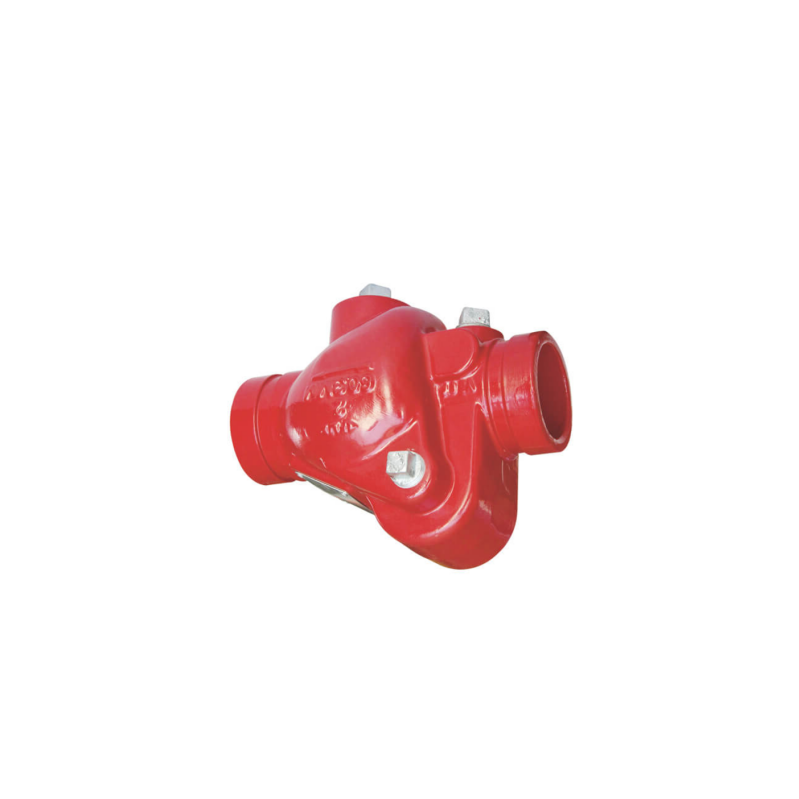
Fluid Tech produces silent check valves for fire protection applications. The range includes wafer and flanged designs in sizes suitable for sprinkler risers. The centre-guided models use spring-assisted closure for quiet operation. Dual-plate options provide similar performance in compact form. Materials follow standards for fire service, with body and disc construction rated for required pressures.
Gaskets are EPDM for water compatibility. The valves carry UL and FM listings, meeting requirements for sprinkler system components. Installation follows standard practices for wafer or flanged connections in riser applications.
About FLUID TECH PIPING SYSTEMS (TIANJIN) CO.,LTD
Fluid Tech Piping Systems (Tianjin) co., Ltd operates production facilities in Tianjin, specializing in valves and fittings for fire protection and building services. The company has focused on check valves, butterfly valves, and related components for commercial systems. Export markets include the UK and Europe, with products carrying UL and FM approvals for fire sprinkler use.
Conclusione
Noise from fire sprinkler systems in occupied UK buildings can create practical problems for property teams. Silent check valves offer a way to reduce water hammer and associated complaints while maintaining system reliability. When incorporated into new or existing installations, they support smoother operation and testing schedules in offices, hotels, and residential properties.
FAQs – Silent Check Valves in Fire Sprinkler Systems
Q: How do silent check valves reduce noise in UK fire sprinkler systems?
A: The spring-assisted closure in silent check valves eliminates the slam of traditional swing designs, cutting water hammer noise significantly.
Q: Are silent check valves suitable for retrofits in occupied UK buildings?
A: The compact design and drop-in compatibility of silent check valves make them practical for upgrades without major pipework changes.
Q: Do silent check valves affect flow in fire sprinkler systems?
A: Properly sized silent check valves maintain low pressure drop suitable for sprinkler system requirements.
Q: Can silent check valves help with testing schedules in UK properties?
A: Reduced noise from silent check valves allows testing during normal hours with less disruption to occupants.
Q: What standards do silent check valves meet for UK fire protection?
A: Silent check valves with UL and FM listings comply with common requirements for UK sprinkler installations.