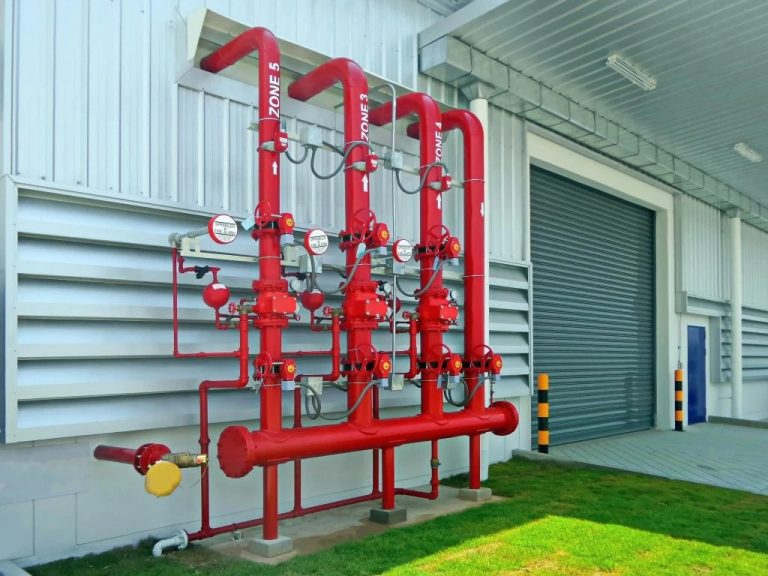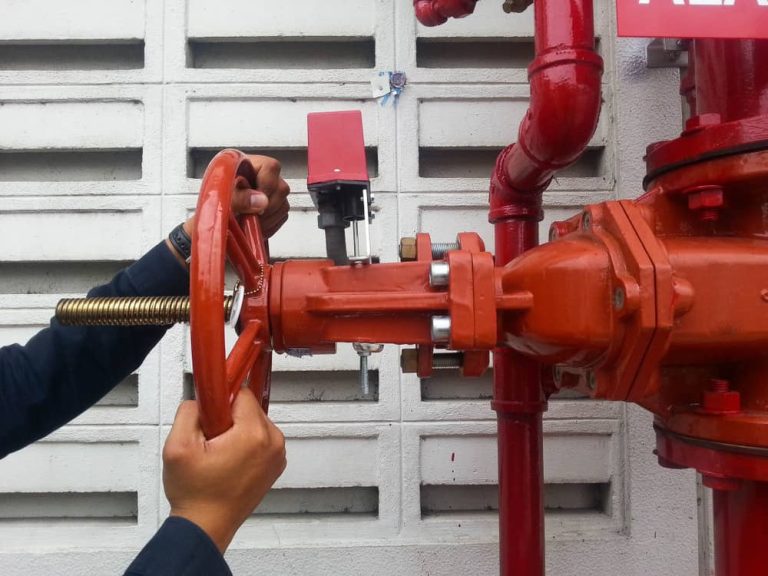
Injap perlindungan kebakaran stand between reliable water delivery and complete system impairment in suppression networks—controlling supply to sprinklers, standpipes, and deluge lines while feeding signals the instant flow starts. One valve that binds, drips steadily, or remains half-closed after servicing can leave heads dry when activation matters most. Fire protection valves call for exact specification against pressure and environment, awareness of recurring breakdowns such as seat corrosion or stem galling, and strict NFPA 25 schedules to hold impairment numbers down and keep AHJs satisfied.
Patterns from commissioning walks, annual tests, and post-impairment investigations across high-rises, distribution centers, and process plants shape the discussion below. Procurement engineers and maintenance supervisors draw on these observations to vet supplier lines, head off service interruptions, and set up cycles that limit rework without inflating budgets.
Types of Fire Protection Valves: Overview
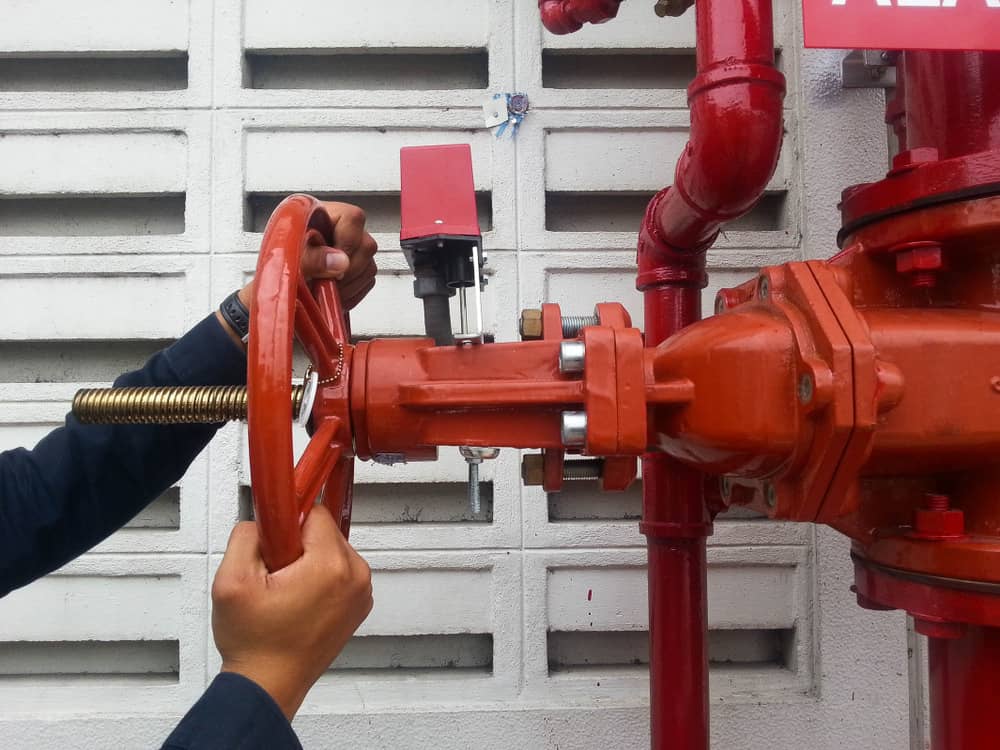
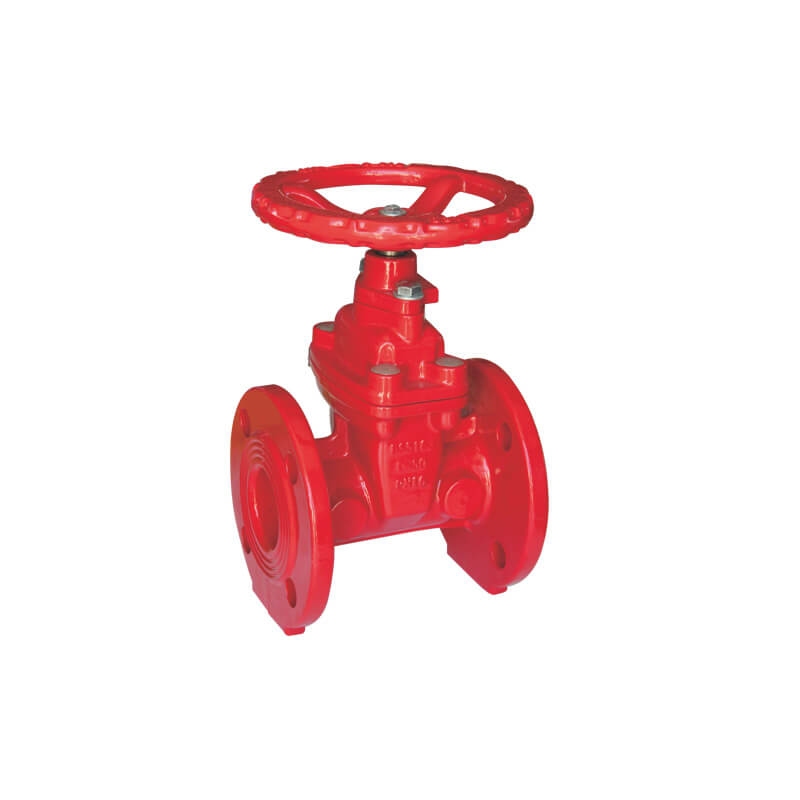
OS&Y gate valves hold position as go-to isolation points in wet-pipe and dry-pipe layouts. The outside screw rises visibly when open and drops when closed, giving crews and inspectors an unmistakable status check at a glance. Ductile iron bodies with resilient wedge seats manage 250–300 psi working pressures in most listed models, while internal and external epoxy coatings fight the pitting that develops from stagnant or chemically active water sources.
Butterfly valves provide a shorter take-out length and 90-degree actuation, slotting easily into risers or cross-mains where vertical clearance runs short. Grooved or flanged patterns speed up connections, and geared operators tame larger sizes. Full-open position keeps the disc nearly edge-on to flow, holding friction losses low, though gasket life depends heavily on uniform bolt torque and absence of debris at the seat.
Check valves stop backflow to protect jockey pumps and maintain static pressure. Swing-check bodies in ductile iron with bronze or stainless trim cover the bulk of fire-service listings, accommodating horizontal or vertical mounting as needed. Alarm check valves add supervisory flow detection—mechanical gong or electric switch trips once flow crosses the preset limit—critical for occupant notification in wet systems.
Hose valves and angle stations sit at standpipe landings or fire-department inlets, usually brass or bronze to take the abuse of repeated hose coupling. 2.5-inch NST threads dominate, with larger openings specified for high-flow standpipes.
Together these types handle isolation, backflow prevention, alarm initiation, and outlet control across water-based fire protection installations, backed by listings that confirm survival through full-flow endurance runs.
How to Select the Right Fire Protection Valves
Valve choice begins with system hydraulics and site conditions. Wet-pipe risers typically take OS&Y gate valves or butterfly valves for dependable shutoff, while dry and preaction arrangements lean on listed check valves that seal against supervisory air loss. Working pressures—175 psi standard, stretching to 300 psi on taller buildings—need headroom above pump churn plus surge allowance.
Material decisions weigh exposure. Ductile iron with fusion-bonded epoxy suits typical indoor settings; bronze construction or trim extends intervals in marine or industrial atmospheres. End styles drive labor hours—grooved ends mate directly with grooved runs, flanged bolt to pump discharges or headers, threaded handle compact branches.
UL and FM markings set the performance floor, proving the valve passed flow capacity, pressure cycling, and torque endurance trials tailored to fire duty. Supervisory hardware—padlock hasps, tamper switches, position sensors—meets NFPA 13 monitoring mandates.
Site details refine the pick. Seismic areas benefit from valves with heavy-duty stems and bodies that absorb minor shifts. Standpipe hose valves require compatible threads and visible tamper indicators. When capital stays tight, lifecycle math favors replaceable seats and packing over one-and-done designs that drive up future outage costs.
Quick side-by-side shows the contrasts:
OS&Y gate valves supply unobstructed flow and clear position feedback but demand stem travel space. Butterfly valves fit crowded mechanical rooms and install quickly, yet long-term tightness rests on seat condition. Check valves operate without manual input to block reverse flow, although upstream sediment can jam the clapper absent strainers.
Buyers managing portfolios or regional distribution look for vendors stocking full certified families—OS&Y gate, butterfly, check, alarm, hose—with matching data sheets, torque charts, and flow coefficients ready for submittals.
Common Failure Modes in Fire Protection Valves
Corrosion inside the body ranks highest among documented impairments. Condensation or untreated supply water attacks seats, stems, and disc edges, carving leak paths or blocking full closure. Epoxy-lined ductile iron buys time in ordinary conditions, but nicks from handling or installation expose iron that rusts fast.
Binding or seizing hits when lubricant dries, scale accumulates, or valves sit idle for months or years. Butterfly discs lock against seats from surface rust; OS&Y stems develop thread galling without regular turning. Excessive force to free them risks stem breakage or operator damage.
Stem packing and gasket leaks develop from hardening, compression set, or bonnet cracks under repeated surges. Gate valve packing shrinks and cracks after prolonged inactivity; butterfly gaskets take a set if bolts over-tighten during setup. Water-hammer events widen these flaws, ejecting seals from marginal installations.
Position errors persist as a leading human-caused issue. Valves returned partially closed after maintenance or testing starve downstream zones—impairment statistics repeatedly flag closed control valves as a top contributor. Defective or jumpered supervisory switches let the condition go unnoticed by central stations.
Field installation oversights add failures. Grooved butterfly valves under pipe misalignment stress develop eccentric gasket wear and early weeping. Valves too small for calculated demand throttle flow, dropping residuals below sprinkler K-factors during full discharge.
Examples from the field repeat the themes. A logistics facility retrofit found several butterfly valves frozen after minimal use—scale and rust fused disc to seat. A high-rise traced chronic stem drips on OS&Y valves to packing that dried out without follow-up adjustment.
NFPA 25 Inspection and Testing Essentials
NFPA 25 Chapter 13 spells out the cadence and actions for valve upkeep. Control valves get weekly eyes-on checks for open position unless secured by lock, chain, or electronic supervision, dropping to monthly when those controls exist. Checks cover visible leaks, unobstructed access, intact seals or locks, legible identification, and supervisory switch operation.
Pressure gauges undergo quarterly verification against baseline—steady downward creep signals slow leakage requiring prompt tracing. Alarm check retarding chambers drain quarterly to confirm no ongoing discharge that would indicate bypass.
Annual testing mandates full-stroke operation of each control valve and return to normal, with OS&Y stems greased during the cycle. Main drain tests log static and residual pressures to spot supply shortfalls or underground restrictions.
Internal inspections run every five years on dry, preaction, and deluge valves—bonnets come off, seats, stems, clappers, and springs get examined for pitting, buildup, or obstruction. Strainers and orifices in alarm valves clear of debris during these intervals.
Routine checkpoints break down as follows:
Weekly or monthly visuals confirm position, external integrity, supervision status, gauge stability, and clear access. Quarterly tests prove tamper switches and waterflow alarms respond to deliberate flow. Annual exercise confirms smooth travel, applies stem lubricant per specs, and records main drain data. Five-year internals reveal corrosion trends, replace worn packing or seats, and capture detailed notes.
Complete documentation—inspection dates, conditions noted, actions taken, and signatures—meets authority-having-jurisdiction and carrier requirements.
Prevention and Best Practices: Actionable Solutions
Begin with UL/FM-listed valves to lock in proven endurance under fire conditions. Lubricate stems annually—or more often in arid regions—to keep threads from galling and discs from binding.
Exercise valves more frequently than the code floor in critical occupancies—quarterly full cycles wipe seats and refresh packing resilience. Install upstream strainers before check valves to trap particulates early.
Fight corrosion with intact coatings, periodic flushing in marginal water quality, and close gauge monitoring for trend detection. Follow torque tables exactly during installation and repacking to protect gaskets from uneven crush.
Keep valve histories current—commissioning records, test logs, lubrication dates, component changes—for quick diagnostics and pattern recognition.
Sourcing favors suppliers that carry comprehensive certified inventories of gate, butterfly, check, alarm, and hose valves with short lead times and field-oriented support.
About Fluid Tech Piping Systems (Tianjin) Co., Ltd.
Fluid Tech Piping Systems (Tianjin) Co., Ltd. has concentrated on fire protection piping since 2018, working with established foundries and machining operations in northern China. The lineup includes ductile iron grooved fittings, malleable iron threaded fittings, fire valves across gate, butterfly, check, alarm, and hose types, sprinklers, flexible drops, hangers, and seismic bracing.
Export products carry UL, FM, CE, LPCB, and VDS approvals, manufactured under ISO systems with added SGS and TUV audits. A dedicated South America desk manages regional requirements, backed by northern warehousing for consistent delivery. Focus remains on integrated supply, repeatable quality, and responsive technical assistance for contractors and distributors.
Conclusion
Injap perlindungan kebakaran hold up under real conditions when sized and specified correctly, shielded from corrosion and binding through consistent cycling, and maintained via disciplined NFPA 25 protocols. Careful upfront choices combined with ongoing vigilance keep impairment risks contained, code compliance current, and system capability intact through years of standby and occasional demand.
FAQs
What are the most common failure modes for butterfly valves in fire protection systems?
Butterfly valves most often see gasket leakage from uneven compression or wear, corrosion binding the disc to the seat, seizing from long inactivity or sediment, and flow restriction when the valve diameter underserves calculated demand.
How often should fire protection control valves be inspected per NFPA 25?
Control valves require weekly visual inspection of position and condition unless locked, chained, or under electronic supervision, at which point NFPA 25 allows monthly intervals.
What causes OS&Y gate valves to leak in fire sprinkler systems?
OS&Y gate valves commonly leak from hardened or shrunken stem packing, corrosion damaging the wedge or seat, over- or under-torqued installation, or extended periods without cycling that let scale prevent full seating.
Are UL/FM-listed fire protection valves required for all systems?
UL and FM listings demonstrate that valves pass the flow, pressure, and endurance testing required for fire service, establishing them as the prevailing standard across most commercial, industrial, and high-rise water-based suppression designs.
How do you prevent seizing in fire protection valves during long idle periods?
Prevent seizing by operating valves through full travel at least annually, applying manufacturer-specified stem lubricant regularly, and flushing the system periodically to clear sediment that hardens and restricts movement over time.