Old and high-rise building fire protection retrofits keep building volume in 2026, driven by the ongoing weaknesses in aging stock and the steady tightening of code enforcement after several high-loss events. Ductile iron grooved fittings sit at the front of most project specifications now because they combine solid long-term toughness, practical field adjustability inside live or tight spaces, and dependable hydraulic delivery with almost no extended outages. Latin America sees more than half its structure fires hitting older residential and commercial buildings where corroded or undersized piping routinely lets suppression fall short or allows unchecked extension. The same kinds of degradation show up across the Middle East high-rise portfolio and came into clear view with the Wang Fuk Court fire in Hong Kong late in 2025. Regulators in Latin America, the Middle East, and elsewhere have turned up the pace on mandatory upgrades, which puts UL/FM certified ductile iron grooved fittings squarely in the path of engineers and installers looking for components that hold hydraulic performance over decades while keeping labor and disruption under control.
The 2026 Global Retrofit Surge Driven by Fire Risks
Upgrade activity on standing buildings has crossed firmly into execution phase. Latin American cities carry the weight of fast mid-to-late 20th-century growth that filled streets with concrete mid-rises and towers fitted with fire-protection lines now far past prime. The original galvanized or early ductile networks inside these properties lose bore area to internal scaling and pitting, drop flow at the tap, develop chronic leaks at fittings, and block sprinkler outlets. Housing ministries and city codes in Brazil, Mexico, Colombia and others have started requiring retrofits on publicly backed multi-family blocks and commercial occupancies, pulling in NFPA references for standpipe output and upper-floor sprinkler density.
The Middle East follows its own version of the pattern. Earlier boom-era construction left behind thick high-rise clusters that now face full riser and main upgrades to hit current HCIS rules and NFPA thresholds. Salt-laden air near the coast, blowing sand in desert zones, and big daily temperature swings eat away at unprotected or lightly coated pipe over time.
The Wang Fuk Court fire in Hong Kong toward the end of 2025 put a sharp spotlight on the dangers that come with work inside occupied structures. The blaze took more than 150 lives as flames climbed seven towers during exterior renovation, fed by combustible scaffolding wraps and poor containment. The root cause sat mostly outside the piping, but the scale of loss reminded everyone that retrofit methods carrying any open-flame risk in tenanted buildings can turn routine jobs into disasters.
All these factors maintain steady call for fire-protection retrofits that keep tenants in place as much as possible, cut hot-work exposure to near zero, and lock in reliable water supply. Ductile iron grooved fittings match those site realities day after day.
Why Aging Buildings Are Fire-Prone: Key Risks in Latin America & Middle East
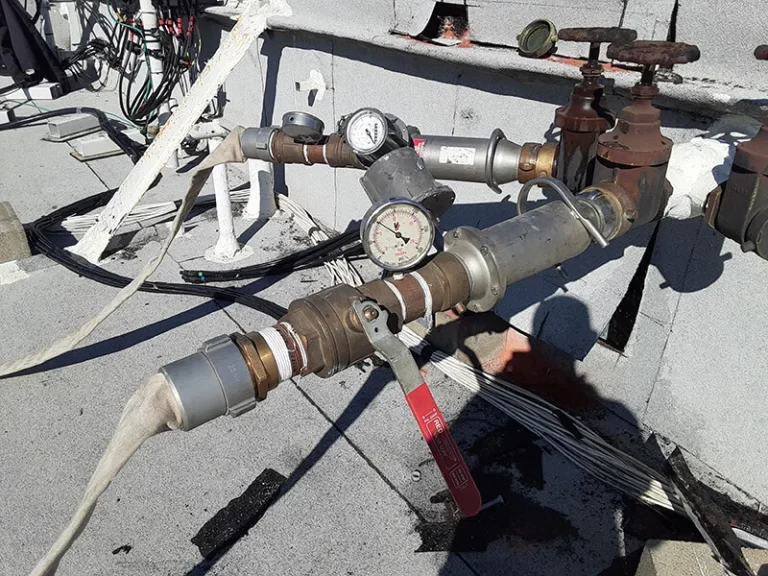
Older occupancies carry a set of fire weaknesses that repeat across regions. In Latin America dense urban blocks pack people into concrete frames where internal corrosion has eaten pipe walls for decades. Flow area shrinks, branch lines weep steadily, sprinkler heads plug partially or completely. Ignition from overloaded wiring, kitchen ranges, or tossed cigarettes escalates because discharge at the upper floors comes up short on volume or pressure. Humid coastal air speeds surface rust while inland heat cycles fatigue joints and loosen connections.
Middle East high-rises run into the same corrosion from salt spray in waterfront districts and abrasive dust inland. Wide temperature ranges push expansion and contraction that eventually work conventional joints loose. Towers from prior decades now go through required standpipe and riser work to reach today’s code flow and pressure marks at the top.
The Hong Kong fire showed how renovation itself can make hidden problems worse. Exterior coverings and scaffolding became fuel ladders that let flames travel vertically and enter floors. In retrofit settings any dependence on welding, cutting torches, or grinding puts ignition sources right inside occupied zones and lifts the chance of starting a fire during the upgrade.
These conditions demand fittings that go in fast, stand up to years of exposure, and keep water moving reliably. Ductile iron grooved fittings handle most of that list in normal field use.
Ductile Iron Grooved Fittings: The Top Choice for Retrofit Projects
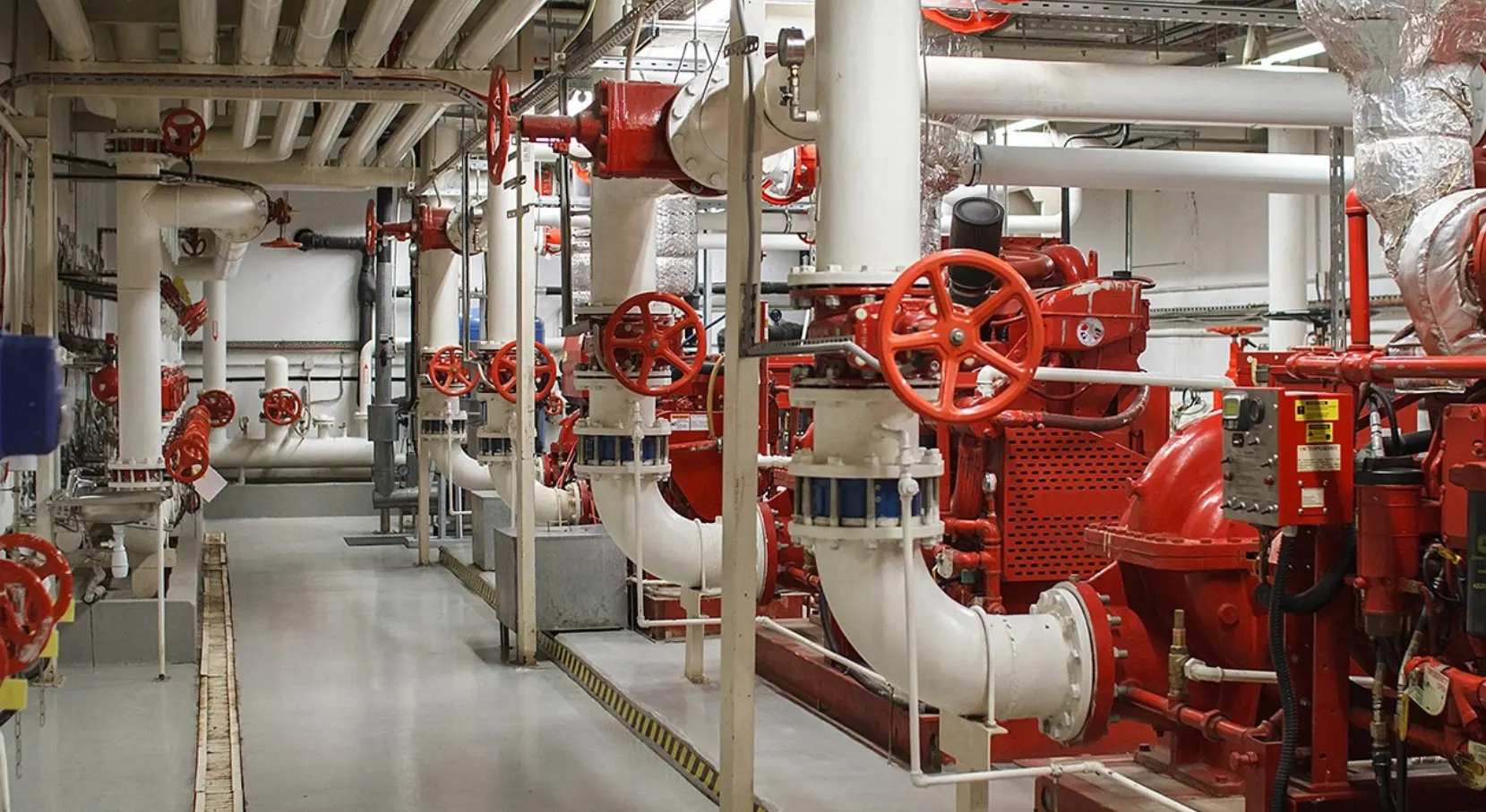
Durability & Longevity in Harsh Conditions
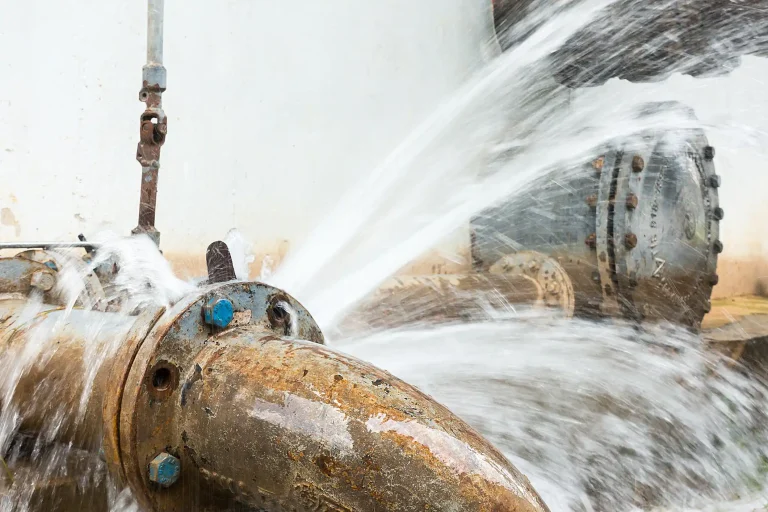
Ductile iron carries tensile strength between 500 and 800 MPa, which drops the odds of sudden brittle breaks under surge pressure or impact compared with gray iron. Retrofits often deal with pipe that shows slight out-of-roundness, surface scale, or small offsets, and the material’s toughness stops cracks from starting or running at the joint. Epoxy linings block internal pitting and buildup from water chemistry, while red alkyd or fusion-bonded epoxy on the outside holds off atmospheric attack. In Latin American wet tropics or Middle Eastern salty and dusty zones those coatings push service life ten years or more past uncoated pipe.
Records from installed fire mains show ductile iron rated at 300 PSI working pressure stays intact and sealed through repeated standpipe demands in tall buildings. The material keeps enough ductility to avoid clean ruptures even after long cycles of pressure changes.
Ease of Modification & Installation in Occupied Retrofits
Most retrofit jobs run with buildings at least partly occupied, so speed of install and low impact on daily use rank highest. Grooved mechanical joints skip field welding and threading completely. Crews groove the pipe—or pull pre-grooved lengths—line up the coupling halves, set the gasket, and torque the bolts. One joint finishes in minutes, not hours. No flame means no extended fire watches, no extra ventilation in tight spaces, no post-weld testing.
Vertical risers that dominate high-rises get flexible couplings that take axial travel and small angular shifts from temperature swings or settlement, while rigid couplings hold straight sections firm. That pairing lets crews dial in alignment without tearing into walls or replacing long runs. Mechanical tees bolt onto live mains with only brief downtime.
Against flanged or threaded setups grooved work cuts labor time by half or better inside vertical chases and plenums. Bolted joints open easily later; loosen the fasteners and the line is ready for inspection, flushing, or new branches without cutting pipe.
Seismic & Vibration Resilience
Places with earthquake risk or steady vibration from wind, traffic, or equipment gain from the movement tolerance built into grooved systems. Flexible couplings allow controlled deflection and travel while keeping the gasket seated, meeting NFPA 13 seismic bracing rules in active Latin American cities or tall Middle Eastern towers that sway. Rigid couplings lock mains against unwanted shifts.
Compliance & Reliability for Code-Driven Retrofits
UL and FM listings prove ductile iron grooved fittings pass the required hydrostatic, heat-soak, and vibration tests. Those approvals line up with NFPA 13, 14, 20, HCIS standards in the Middle East, and the international references many Latin American codes now pull in. Tight joints keep flow steady to sprinklers and standpipes, especially critical where pressure drops off at higher floors.
Inspectors and carriers treat listed ductile iron grooved fittings as a safe, predictable choice when replacing worn sections in older buildings.
Regional Hotspots & Real-World Applications
Latin American retrofits focus on crowded residential areas and dated commercial zones. Government money flows more often into sprinkler and standpipe work for public housing. Ductile iron grooved fittings fit well here with their hold against humidity corrosion and fast mechanical put-together that keeps residents inconvenienced as little as possible.
Middle East high-rise retrofits tie into larger stock renewal programs. Older towers get riser and main upgrades to clear new fire-safety levels. Epoxy-lined ductile iron grooved pieces handle salty air and dust while allowing quick install in working buildings. Shipping lanes from northern China usually land material at regional ports in 20–30 days.
The Hong Kong fire drove home the benefit of connection styles that stay cold during renovation. Grooved systems sidestep many of the fire-start and spread dangers tied to hot-work in occupied places.
Fluid Tech Piping Systems (Tianjin) Co., Ltd.
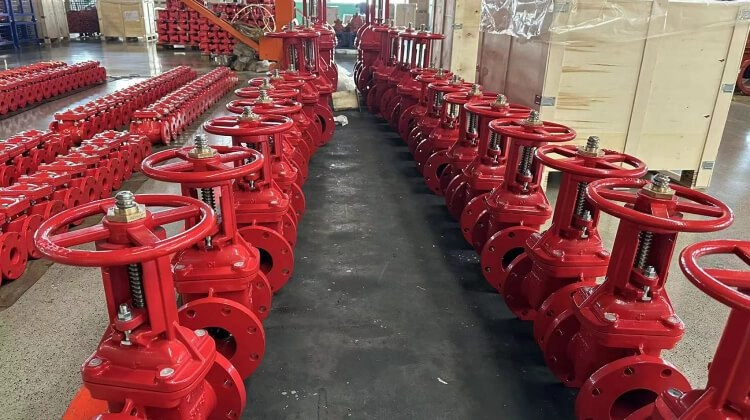
Fluid Tech Piping Systems (Tianjin) Co., Ltd., set up in 2018 inside the Fluid Tech Group in northern China, keeps its focus on fire-protection parts with ductile iron grooved fittings at the center. The lineup covers UL/FM certified rigid and flexible couplings, elbows, tees, reducers, mechanical tees, crosses, and related items in sizes from 1 inch through 12 inches. Parts come from high-grade ductile iron, finished red standard for fire identification, with epoxy coating choices where extra corrosion protection matters. Extra listings include CE, LPCB, VDS. Production runs under ISO, SGS, TUV controls, backed by warehouse space in logistics areas that keeps common sizes in stock and speeds international orders.
Conclusie
The rising number of retrofits on old and high-rise buildings in 2026 comes straight from the clear fire dangers inside aging stock, made sharper by regional fire statistics and the hard lessons from the 2025 Hong Kong fire. UL/FM ductile iron grooved fittings give a strong, balanced answer—tough enough for rough climates, flexible enough for tight retrofit conditions, and compliant enough to pass strict codes. With Latin American and Middle Eastern programs moving upgrades forward, these fittings make fire-protection improvements safer and smoother with less hit to occupancy. Putting ductile iron grooved systems in place raises building safety and keeps projects on a steadier track.
FAQs
Why are ductile iron grooved fittings preferred for Latin America old building retrofits?
Ductile iron grooved fittings stand up to corrosion in humid city climates and go together quickly with mechanical joints that cut downtime in occupied residential blocks. UL/FM certification lines up with strengthening local rules, and flexible couplings take the small settlement common in older bases.
How do UL/FM ductile iron grooved couplings help in Middle East high-rise upgrades?
The couplings hold seal under high pressure and fight atmospheric corrosion with epoxy finishes matched to coastal and desert air. Bolt-on install drops hot-work needs during retrofits, while rigid and flexible types handle thermal growth plus wind movement in tall buildings.
Why choose grooved over welded fittings for aging structure fire protection retrofits?
Grooved fittings finish joints much faster without welding, slashing labor hours and removing fire hazards inside occupied structures. Bolted connections open easily for checks or later changes, and ductile iron’s strength handles pressure spikes better than brittle options over long runs.
What makes ductile iron grooved fittings suitable for high-rise standpipe retrofits after events like the Hong Kong fire?
Flame-free mechanical joints lower ignition chances during renovation work, a point driven home by earlier losses. High tensile strength and UL/FM proven performance keep flow steady to top floors, and sizes to 12 inches fit main risers while working around existing pipe offsets without full replacement.
How should sizes be selected for ductile iron grooved fittings in old high-rise fire upgrades?
Start with hydraulic runs per NFPA 13 and 14—usually 2–6 inches on branches and 6–12 inches on vertical risers. Confirm 300 PSI working pressure fits the job, check UL/FM listings cover wet or dry use. Rigid couplings steady distribution mains, flexible ones manage riser movement.