Saudi Arabia has seen a surge in high-rise development under Vision 2030. Projects in Riyadh, Jeddah, and the NEOM area push building heights higher while demanding robust fire protection. The desert environment brings its own challenges— temperatures regularly topping 50°C, fine sand that gets everywhere, low humidity that dries out materials. Fire sprinkler and standpipe systems in these towers have to perform without fail, yet the connections face accelerated wear from heat and dust. Engineers and contractors on Saudi projects often weigh check valve options carefully to meet local codes and stand up to the conditions. The right selection can make a difference in long-term reliability and maintenance needs.
The Unique Challenges for Check Valves in Saudi High-Rise Fire Systems
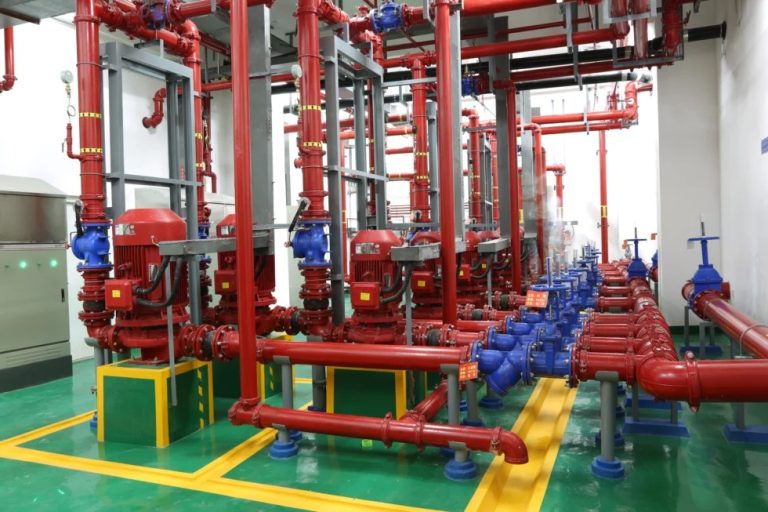
High-rise fire protection in Saudi Arabia follows the Saudi Building Code (SBC 2018) and Saudi Fire Code requirements, with UL/FM listings common for components. Systems include wet risers, dry risers in some cases, and sprinkler networks feeding multiple zones across dozens of floors. The vertical runs create high static pressure at the bottom, while pumps deliver flow during activation.
Desert heat speeds up material degradation. Daytime temperatures push pipe and valve bodies through wide cycles. Gaskets dry out faster in low humidity. Sand particles carried by wind find their way into construction sites and can embed in seals during installation. Corrosion becomes an issue when systems use treated water or when condensation forms on cold lines in air-conditioned spaces.
Water hammer shows up more in tall risers. Long pipe runs amplify pressure surges when pumps start or alarms valves close. Traditional swing check valves can produce noticeable spikes as the disc seats. In a 40-storey tower, that energy travels far. Maintenance access is limited—risers run through shafts with little room, and work often happens in occupied buildings.
Traditional threaded or welded joints require cutting and re-welding for replacement. In a high-rise, that means scaffolding, hot work permits, and potential shutdown of multiple floors. The downtime and labour push costs up quickly.
Common Issues with Traditional Check Valves in Saudi Desert Environments
Swing check valves have been the go-to for years, but the desert throws extra stress at them. The disc closes under gravity or light spring, so reverse flow builds speed before impact. That slam creates water hammer, stressing pipe joints and supports over time. In long Saudi risers, the effect magnifies.
Coatings on ordinary valves flake or degrade faster under UV and heat cycling during construction. Internal parts pit from sand abrasion or chloride in make-up water. Gaskets harden in dry air, losing seal over a few years. A valve that works fine in temperate climates can start leaking sooner in Riyadh or Jeddah summer conditions.
Repair work turns into a bigger job. To swap a swing valve, crews drain the riser, cut the pipe, and weld or thread in the new one. Hot work in a shaft needs ventilation and fire watches. The building may stay occupied, so work happens nights or weekends. One valve change on a mid-level floor can take a full shift or more.
Key Performance Features for Check Valves in Saudi Conditions
Corrosion resistance heads the list for Saudi projects. Epoxy or heavy galvanization on the body protects against sand abrasion and chloride exposure. Internal components benefit from stainless or coated discs. The coating needs to hold up to heat cycling without cracking.
Sealing reliability comes from gasket material and design. EPDM works well for most fire water temperatures. In hotter applications or where chemical treatment is used, alternatives handle wider ranges. The joint must maintain pressure even after years of thermal expansion and contraction.
Low water hammer design reduces system stress. Spring-assisted or dual-plate closure brings the moving parts to seat gradually. The controlled motion cuts pressure spikes and noise. In high-rise risers, this protects hangers and joints from fatigue.
Fast assembly helps during construction and later repairs. Wafer or flanged connections drop in between pipe ends. Bolting takes minutes instead of hours for welding. In Saudi’s fast-track projects, that speed keeps schedules tight.
Selection and Application Tips for Saudi High-Rise Projects
System layout sets the foundation. Place check valves at zone boundaries and pump discharge to prevent backflow. In tall buildings, consider pressure drop across multiple valves—low-loss designs keep pump sizing reasonable.
Support spacing follows code, but flexible connections tolerate slight movement from thermal changes. Pair the valves with proper hangers to control sway.
Match the valve to the service. Fire suppression lines stay clean, so standard EPDM works. If the building has treated water loops, check compatibility.
Compliance covers SBC 2018 and local civil defence rules. UL and FM listings meet common requirements for imported components. Documentation speeds approval.
Maintenance planning pays off. Choose valves that allow inspection without full drain-down. Quick-release designs cut future downtime.
Fluid Tech’s Check Valves for Saudi Applications
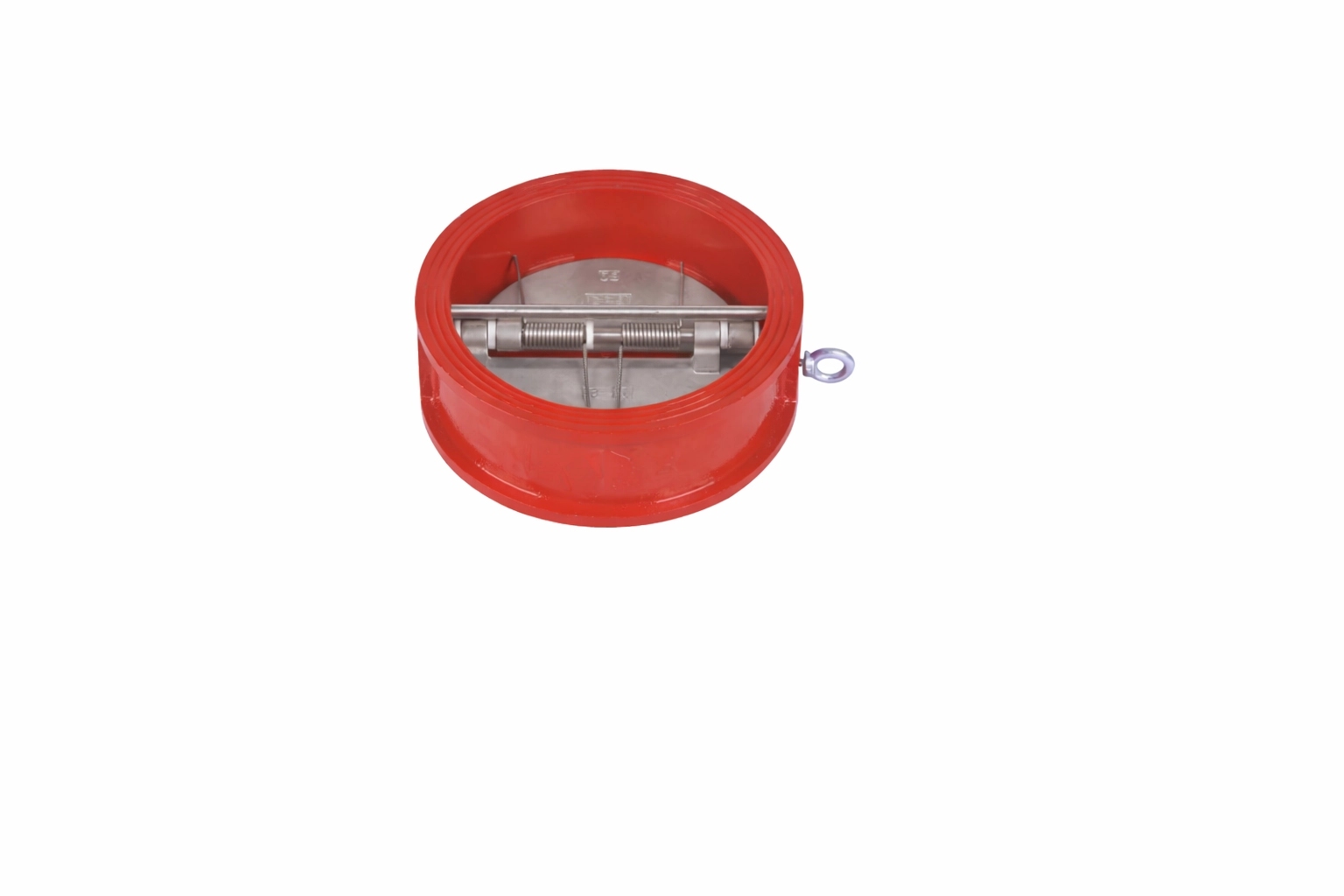
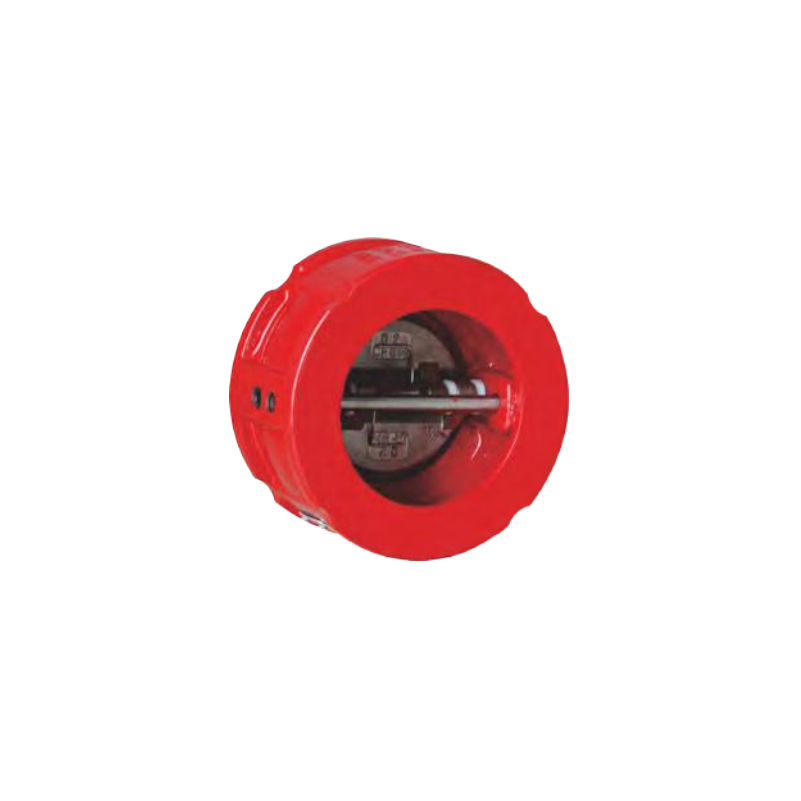
Fluid Tech manufactures check valves for fire protection. The range includes wafer, flanged, swing, and dual-plate designs in sizes common for high-rise risers. Body material is ductile iron with epoxy coating or galvanization for corrosion resistance in harsh environments.
Swing models use resilient seats for tight closure. Dual-plate versions offer compact length and low pressure drop. All carry UL and FM listings for fire service use.
About FLUID TECH PIPING SYSTEMS (TIANJIN) CO.,LTD
Fluid Tech Piping Systems (Tianjin) co., Ltd operates production facilities in Tianjin, specializing in valves and fittings for fire protection and building services. The company has focused on check valves, butterfly valves, and related components for commercial systems. Export markets include Saudi Arabia and the Middle East, with products carrying UL and FM approvals for fire sprinkler use.
Conclusie
High-rise fire protection in Saudi Arabia operates under extreme desert conditions and strict codes. Check valves that resist corrosion, maintain seals, reduce water hammer, and install quickly provide practical benefits for new construction and upgrades. Proper selection supports system reliability in demanding environments.
FAQs – Check Valves in Saudi High-Rise Fire Protection
Q: How do check valves handle desert heat in Saudi high-rise systems?
A: Coatings and gasket materials in modern check valves resist high temperatures and dry conditions common in Saudi projects.
Q: What check valve features reduce water hammer in tall Saudi buildings?
A: Spring-assisted or dual-plate designs in check valves control closure to minimise pressure spikes in long risers.
Q: Are check valves with epoxy coating suitable for Saudi fire protection?
A: Epoxy-coated check valves offer corrosion resistance needed for desert exposure and chloride in water sources.
Q: How does check valve design affect installation in Saudi high-rise projects?
A: Compact wafer or flanged check valves speed assembly compared to welded alternatives in tight shafts.
Q: Can check valves meet Saudi fire code requirements for high-rise use?
A: Check valves with UL and FM listings align with common specifications under SBC 2018 for Saudi fire systems.