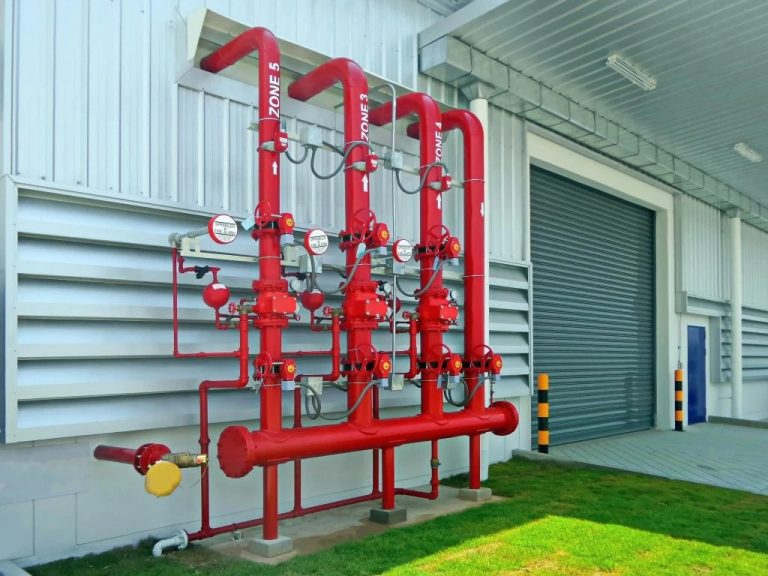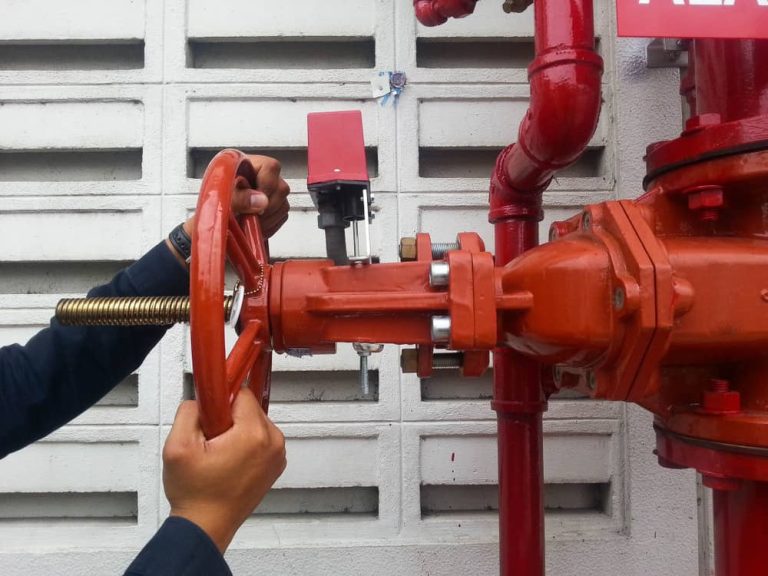
South American fire protection jobs—from towering office blocks going up in São Paulo to massive mining complexes in the Peruvian highlands and warehouse expansions around Santiago—keep pushing contractors and engineers to pick between grooved fittings and threaded fittings for the sprinkler mains, standpipes, and branch runs. Grooved vs threaded fittings in fire protection installations draws steady attention because the call shapes everything from crew hours on site to how the system holds up years later under seismic loads, temperature swings, and the kind of aggressive timelines that come with regional growth.
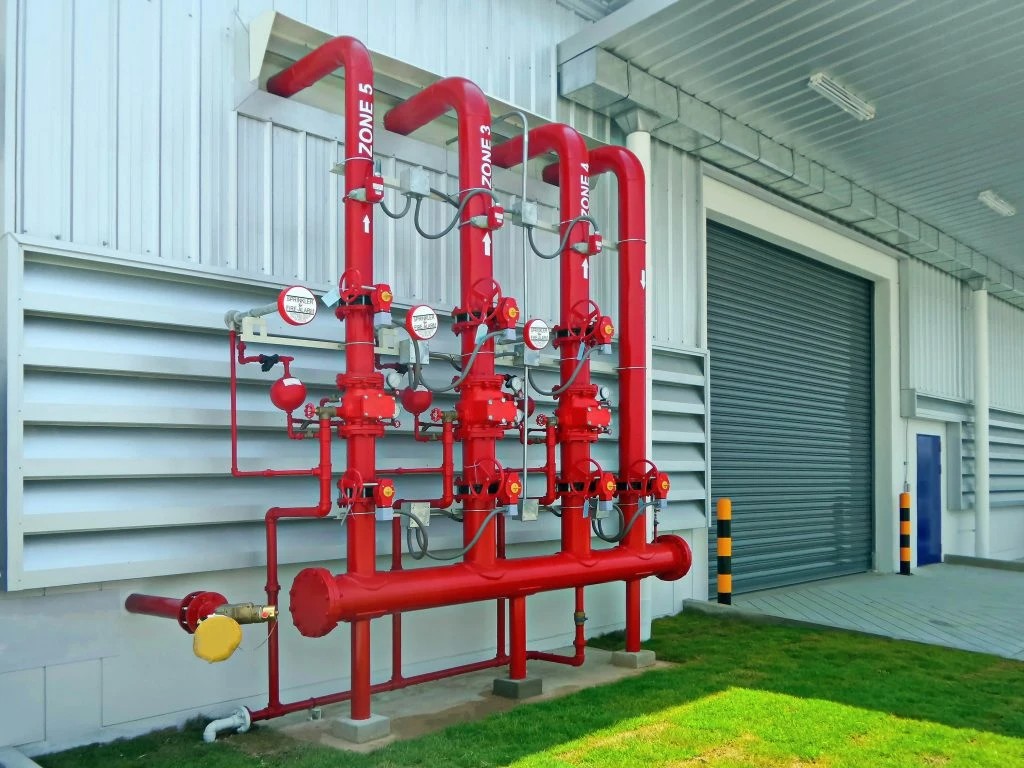
The breakdown below pulls from patterns seen across actual Latin American sites rather than textbook scenarios. Procurement leads and project engineers use these details to sharpen vendor lists and defend choices when budgets tighten and deadlines loom.
What Are Grooved and Threaded Fittings? A Quick Overview
Grooved fittings connect pipe via circumferential grooves rolled or cut near each end. A split housing clamps around the grooves, compresses an EPDM gasket, and draws tight with two bolts. The joint assembles fast, skips heat sources and threading gear entirely, and tolerates small angular shifts plus some axial play. In listed fire sprinkler service, ductile iron grooved couplings manage the 175–300 psi range common to NFPA systems and stay sealed through pressure spikes when heads discharge.
Threaded fittings rely on tapered male-female threads—NPT dominates in much of South America thanks to U.S. influence, while BSPT shows up where European specs carry weight. Pipe ends thread into fittings, typically sealed with PTFE tape or joint compound. The approach has stayed standard for smaller lines where exact alignment counts and flow paths need to stay as unrestricted as possible.
Both styles link pipe in fire protection networks, but once the crew starts turning wrenches, the practical differences stack up quickly.
Grooved vs Threaded Fittings: Head-to-Head Comparison
Installation pace marks the biggest gap favoring grooved systems on South American projects. A solid two-person team knocks out a grooved joint in a couple of minutes with hand tools and a torque wrench—no torches, no threading stands, no pipe prep beyond checking the groove depth. Reports from Brazilian and Chilean sites show grooved trunk lines going in 50–70% quicker than threaded equivalents, a difference that hits hard when labor costs rise or when work happens far from urban centers with thin skilled trades.
Threaded joints pile on steps: cut or source threaded pipe, dab on sealant, align carefully, torque without crossing threads or leaving gaps. Every connection drags longer, needs more experienced hands to get right, and produces more rework in the dust, humidity, or altitude shifts typical across the region.
Leak behavior over time leans grooved. The gasket seats evenly and keeps contact through thermal cycles, minor ground settlement, or vibration from adjacent machinery. Hydro tests on grooved setups pass cleaner with fewer re-calls. Threaded joints count on thread bite plus sealant; looseness from vibration or sealant breakdown can start slow drips that surface during annual checks or after a flow test.
Seismic areas hand grooved couplings the advantage. Flexible styles allow several degrees of angular deflection—depending on size and tolerances—without loading the pipe excessively. Along the Andean belt, that movement absorption matches tightening seismic rules for piping. Rigid threaded joints lock forces into the connection, increasing crack or pull-out odds in shaking.
Size still steers many calls. Threaded fittings rule drops to heads and branches 2 inches and under because they handle tight bends, precise drops, and clean hydraulics in packed plenums. Grooved fittings run reliably across sizes but pay off most on mains and cross-mains 2 inches up, where Schedule 10 pipe lightens the load and joints weigh less.
Service and retrofit work tips toward grooved. One person breaks and remakes a grooved joint without draining risers or cutting pipe. Threaded changes mean re-threading lengths, stretching outages in live buildings or critical plants.
Certification gaps have narrowed; quality lines in both categories carry UL and FM listings for fire duty. Grooved setups skip hot work, easing permits in occupied spaces or classified zones.
When to Choose Grooved Fittings in South American Fire Installations
Grooved fittings shine brightest where schedules compress, crews stay lean, or sites complicate access. Commercial towers in Brazil, industrial builds in Colombia, and mining setups in Peru lean on grooved mains to trim critical-path time and man-hours. Dropping hot-work permits cuts safety overhead and fire-watch costs on multi-level or enclosed jobs.
In seismic zones, the built-in deflection of listed grooved couplings adds resilience that shows up in updated risk reviews. Groups sourcing UL/FM-certified ductile iron grooved pipe fittings match local pipe walls more easily and consolidate shipments through suppliers covering full lines.
When Threaded Fittings Still Make Sense
Threaded connections keep their place on small-diameter work needing fine control. Branch mazes, cramped ceilings, or tie-ins to old threaded runs often stick with threaded for drops and offsets. Some legacy specs and cautious firms hold threaded for pipes 2 inches and below, pointing to familiarity and flow consistency.
The shift continues, though, as rising labor and proven grooved track records erode those preferences even on smaller runs.
Real-World Applications & Case Insights in South America
A São Paulo mid-rise office job ran grooved ductile iron couplings on distribution mains and threaded at final sprinkler drops. The grooved section wrapped early, freeing interior trades sooner. A Chilean warehouse add-on used grooved standpipes and deluge headers to limit shutdowns—key for keeping the client running.
Peruvian mining sites spec grooved for fire-water mains and foam lines near heavy equipment vibration. The joints take movement without weeping, cutting repair frequency versus past threaded setups that needed constant tightening.
How to Select and Source the Right Fittings for Your South American Project
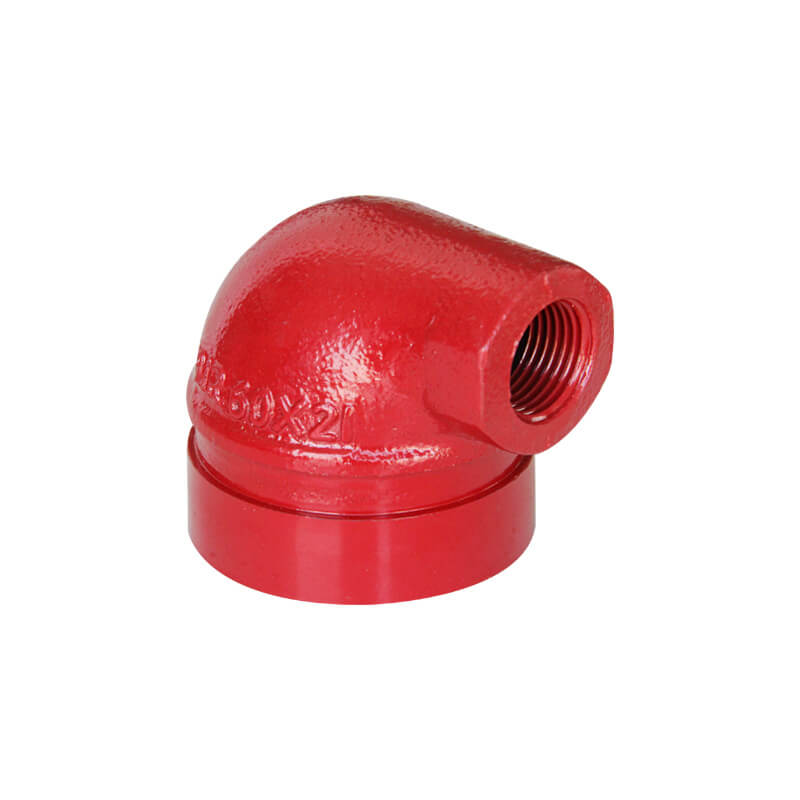
Kick off with local code checks—NFPA 13 as modified nationally, plus seismic bracing rules and thread preferences (NPT or BSPT). Weigh whether speed on big runs or accuracy on branches drives the job.
Require UL and FM listings across key pieces; cross-check torque specs and gasket fit against pipe schedule. Run total cost numbers, not just piece prices—labor cuts, shorter outages, and fewer service trips often swing grooved ahead.
Target suppliers with broad certified ranges of ductile iron grooved fittings, malleable iron threaded fittings, valves, and supports, plus steady delivery and local-language support. Pull recent certs, install guides, and data sheets before committing orders.
About Fluid Tech Piping Systems (Tianjin) Co., Ltd.
Fluid Tech Piping Systems (Tianjin) Co., Ltd. concentrates on fire protection piping, launched in 2018 via ties to established foundries and processing plants in northern China. The lineup includes ductile iron grooved pipe fittings, malleable iron threaded fittings, fire valves, sprinklers, flexible drops, hangers, and seismic bracing items.
Exported components hold UL, FM, CE, LPCB, and VDS approvals, with production under ISO, SGS, and TUV-monitored quality systems. A northern China logistics warehouse backs global shipments, and a dedicated South America team fields inquiries, offers technical detail, and coordinates delivery to streamline sourcing for contractors and distributors in Brazil, Chile, Argentina, Colombia, Peru, and beyond.
Conclusie
Patterns from South American fire protection sites show grooved fittings pulling ahead on installation pace, seismic tolerance, leak resistance, and project economics, especially across trunk lines and larger piping. Threaded fittings hold for precise small-branch duty and select legacy cases, but efficiency demands keep tilting the field toward grooved. Specifying UL/FM-certified ductile iron grooved fittings equips systems to handle present pressures while keeping lifetime costs in check.
FAQs
Is grooved better than threaded for fire sprinkler systems in South America?
Grooved fittings generally deliver faster assembly, stronger long-term sealing, and better movement handling—advantages that stand out in accelerated projects and seismic regions common throughout South America. Threaded remains practical for branches 2 inches and smaller.
What pipe sizes typically use threaded vs grooved fittings in South American fire protection projects?
Threaded fittings cover most lines 2 inches and under, particularly final drops and routed branches where alignment and flow matter. Grooved fittings lead on 2-inch-plus trunk lines, cross-mains, and standpipes, enabling quicker joints and lighter pipe walls.
Are grooved fittings approved for NFPA 13 compliance in Latin American installations?
UL/FM-listed grooved couplings and fittings satisfy NFPA 13 standards as adopted in South America, provided installation follows listed torque values and any local amendments.
Why do some South American specs still require threaded fittings for smaller pipes?
Older specs, traditional engineering practices, or jobs with detailed branch routing continue calling for threaded joints on pipes under 2 inches because of established habits, hydraulic familiarity, or stock on hand.
How do grooved fittings help with seismic performance in countries like Chile or Peru?
Grooved couplings allow defined angular deflection and axial play, absorbing seismic forces without overloading joints or pipe—performance that lowers break risk relative to rigid threaded connections in tremor-active areas.