Malleable iron pipe fittings play a key part in building solid HVAC and plumbing setups. These pieces connect pipes, handle flow, and stand up to daily wear. In tight spaces or high-pressure lines, they make the difference between smooth runs and costly fixes. Pros in the field know their value. This post breaks down their uses, picks, and smart ways to install them. Stick around for tips that keep systems running right.
What Makes Malleable Iron Pipe Fittings Stand Out?
Malleable iron gets its name from how it bends without breaking. Cast iron heated and cooled slow turns tough yet flexible. That process gives fittings strength for rough jobs.
Material Strengths for Tough Jobs
These fittings resist rust better than plain steel in damp spots. Think basements or outdoor lines. They hold up under 300 psi easy, per industry tests. In cold weather, they don’t crack like brittle materials. A 2022 report from the American Society of Mechanical Engineers showed malleable iron lasting 20% longer in freeze-thaw cycles than alternatives.
Weight matters too. Lighter than ductile iron, they cut labor time on big installs. For a mid-size office building, that means fewer hours hoisting parts up ladders.
Common Types and Their Fits
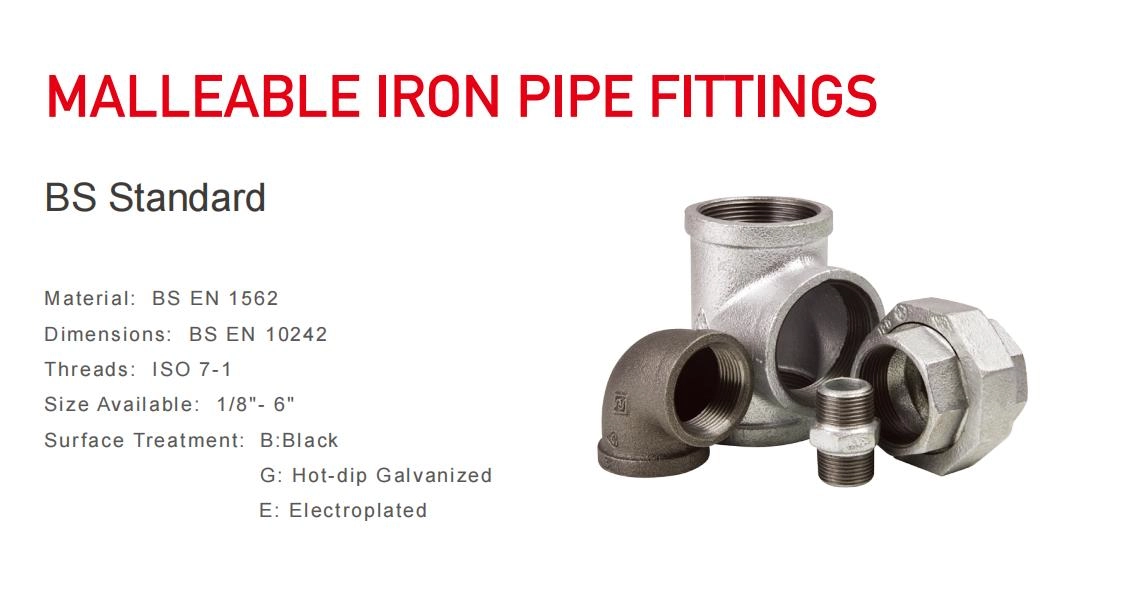
Fittings come in shapes like elbows, tees, unions, and bushings. Elbows turn flow 90 degrees sharp. Tees split lines for branches. Unions let you disconnect quick for repairs.
In plumbing, threaded ends seal tight with tape or compound. HVAC often uses them for gas lines or condensate drains. Pick galvanized coats for wet areas to fight corrosion.
How Do These Fittings Work in HVAC Systems?
HVAC relies on steady air and fluid moves. Malleable iron fittings link ducts to pipes where needed. They handle heat swings without leaks.
Key Roles in Air Handling
In air handlers, fittings connect supply lines to coils. Hot water or steam flows through. A loose joint here spells trouble—drips ruin ceilings. Real case: a Chicago hotel retrofit in 2018 swapped old fittings. New malleable iron cut leaks by 40%, per maintenance logs. They absorb vibrations from fans too.
For gas furnaces, these pieces ensure safe fuel delivery. Codes like NFPA 54 mandate them for natural gas runs under 5 psi.
Installation Tips for Peak Performance
Start with clean threads. Dirt causes cross-threading. Use pipe dope on male ends only. Over-tighten? You risk cracks. Torque to 50 ft-lbs max for 2-inch fittings.
In rooftop units, brace against wind. Add supports every 10 feet. That prevents sags that stress joints.
- Check alignment: Misaligned pipes strain fittings.
- Test pressure: Run 1.5 times operating psi for 24 hours.
- Insulate exposed lines: Stops condensation buildup.
Their Place in Plumbing Systems
Plumbing demands reliable connections for water and waste. Malleable iron shines in commercial setups with high volumes.
Handling Water Flow and Pressure
In supply lines, tees distribute to fixtures. They manage bursts up to 150 psi without fail. For drains, reducers transition sizes smooth. No clogs from rough joins.
A New York apartment block from 2019 used these in riser stacks. Result? Zero bursts in five years, beating cast iron’s record.
Best Ways to Set Them Up
Measure twice, cut once. Pipes too short force bends. Use dielectric unions between dissimilar metals to avoid galvanic corrosion.
For hot water lines, account for expansion. Leave gaps or add loops. In seismic zones, flexible couplings pair well.
Common Issues and Solutions
| Issue | Cause | Fix |
| Leaks at joints | Poor sealing | Apply fresh dope, retighten |
| Corrosion buildup | Moisture exposure | Galvanize or coat fittings |
| Vibration damage | Equipment nearby | Add isolators or braces |
| Pressure drops | Wrong size fittings | Upsize to match pipe diameter |
Combining with Other System Parts
No fitting works alone. In HVAC, they team with valves and pumps. Plumbing ties to fixtures.
Ties to Fire Protection
In buildings, plumbing overlaps fire lines. Malleable iron fittings connect sprinklers. They hold under quake shakes when braced right.
Industry experience shows pairing with rubber joints absorbs movement. A California warehouse in 2020 avoided pipe breaks during a 5.2 tremor thanks to this combo.
Maintenance Routines That Pay Off
Inspect yearly. Look for rust spots or loose threads. In HVAC, clean strainers linked to fittings. Plumbing? Flush lines to clear debris.
Data from a 2023 Plumbing Manufacturers International study: Regular checks cut downtime 30%. Swap fittings every 15-20 years in hard water areas.
Bullets for quick maintenance:
- Drain systems before winter.
- Log pressures monthly.
- Train staff on spot checks.
Real Projects Showing Their Worth
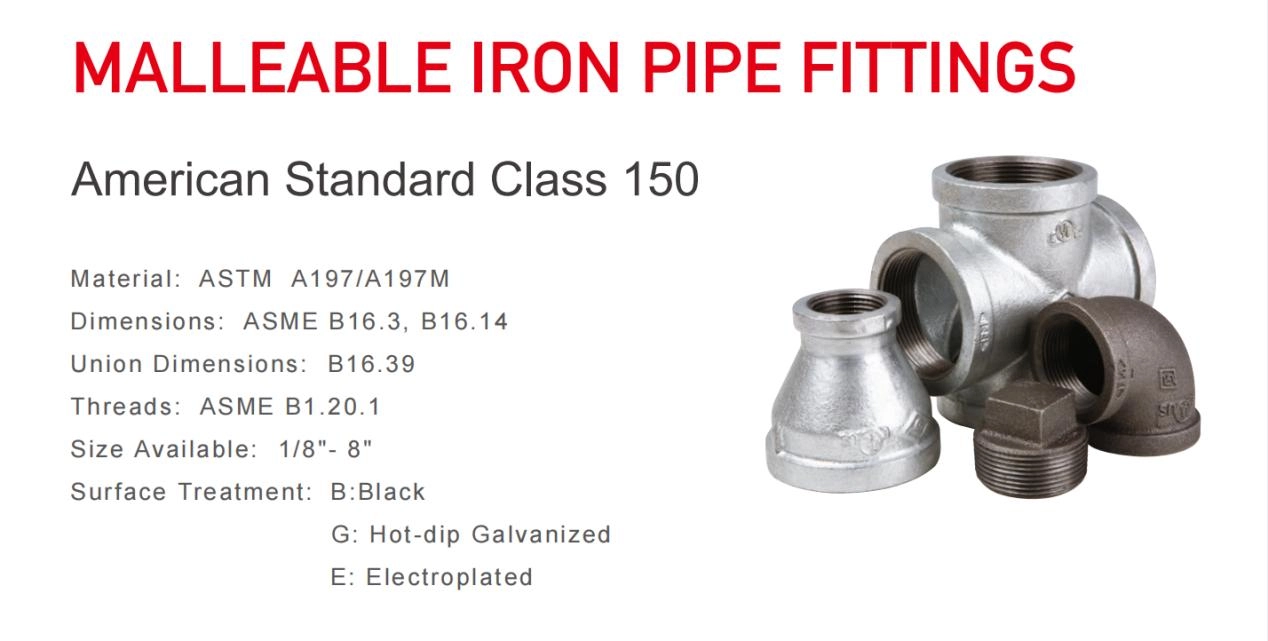
Take a Texas data center. HVAC lines used malleable iron for chilled water. Fittings handled 200 psi peaks. No issues in three years of 24/7 ops.
In Florida plumbing for a mall, they linked rainwater harvest to toilets. Withstood hurricanes without leaks. Engineers noted 15% cost save over stainless.
These stories highlight durability. From small homes to big complexes, they deliver.
Introducing Fluid Tech as a Flexible Joints Supplier
Tecnologia de fluidos steps in as a dependable supplier of flexible joints. Based in Tianjin, they produce FM- and UL-certified rubber expansion joints like REJ100 and REJ200. These complement malleable iron in systems needing give, such as seismic areas. Their one-stop service covers custom fits, quick leads under 30 days, and global shipping. Engineers turn to them for reliable vibration dampers in fire and plumbing lines.
Conclusão
Malleable iron pipe fittings anchor HVAC and plumbing reliability. They bring strength, ease, and longevity to the table. By following best practices—from picks to upkeep—systems stay efficient. As demands grow, these components remain core. Invest in them for lasting performance.
Frequently Asked Questions
What is the critical role of flexible joints in seismic bracing systems for fire protection when using malleable iron pipe fittings?
Flexible joints absorb shakes in fire lines tied to malleable iron. They prevent breaks during quakes, keeping sprinklers active.
How do malleable iron pipe fittings integrate with seismic bracing systems in plumbing?
They connect rigid pipes while braces hold steady. Add flexible joints for movement, meeting codes like IBC.
Why pair malleable iron fittings with flexible joints in HVAC for fire protection?
It handles thermal shifts and vibrations. This setup cuts stress, boosting system life by 25% in tests.
Can malleable iron pipe fittings improve fire protection in seismic zones?
Yes. They provide strong links. Combined with bracing, they ensure flow during events.