Introduction
Construction surges across Dubai skylines or Brazilian industrial corridors often reveal weaknesses in fire suppression designs. When extreme heat meets desert dust, or seismic shifts test urban expansions, the network of pipes delivering water to sprinklers faces relentless strain. Recent reports peg the Middle East fire suppression market at roughly USD 1.22 billion in 2024, heading toward 2.07 billion by 2033 as energy projects demand stricter safeguards. In South America, Brazil’s segment alone reached USD 1.70 billion last year, projected to hit 2.65 billion by 2030 amid tightening regulations and growing infrastructure needs. These figures highlight the pressure on project teams to select components that endure local conditions, meet meaningful codes, and sidestep failures that escalate small incidents into disasters. Context dictates success—generic approaches rarely survive real-world demands in these regions.
Not every site tolerates shortcuts. Overlooking environmental factors turns reliable systems into liabilities.
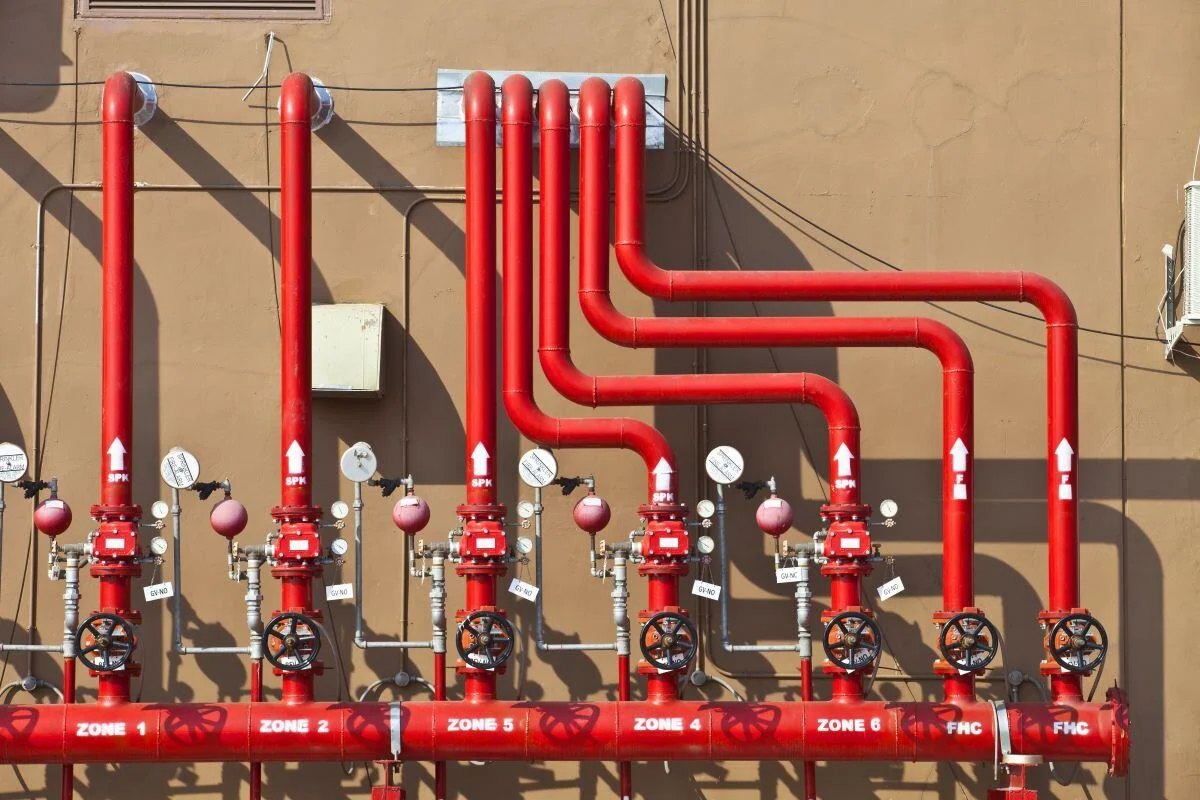
Overview of Fire Protection Piping Systems in Middle East and South America
Suppression networks depend on robust piping to route agents effectively, yet regional differences reshape priorities. Middle East developments contend with scorching climates and abrasive particles, while South American installations navigate ground instability and moisture extremes. Durability becomes non-negotiable.
Middle East Project Characteristics
Temperatures routinely exceed 50°C, accelerating material stress, while saline-laden air promotes rapid corrosion. Oil facilities and high-rises require layouts that accommodate confined routing without compromising flow. Sand infiltration threatens valves and joints if seals fall short. Grooved connections often gain favor here, allowing faster assembly and fewer weld-related weak points in dusty environments.
Coastal versus inland sites shift the balance—humidity can outweigh pure heat in some locations.
South America Project Characteristics
Earthquake zones demand flexibility. Rigid lines fracture under lateral forces, whereas compliant joints absorb movement. Tropical humidity encourages internal deposits that restrict passages over time. Retrofitting blocked systems proves far costlier than preventive measures. Evolving urban codes in major cities add enforcement challenges.
Common System Types
Wet configurations release water instantly, suitable for consistently heated structures. Dry variants delay discharge to prevent freezing in variable conditions. Deluge arrangements saturate high-hazard areas quickly. Hybrid approaches frequently emerge when projects span diverse zones.
Material decisions rarely follow catalog defaults. Site realities override assumptions.
Key Materials Selection and Regional Adaptations
Component choices hinge on proven resistance to specific threats. Ductile iron delivers strength under pressure, yet requires protective layers against aggressive elements. Malleable iron fittings excel in threaded applications but need vigilance against fatigue in unstable ground. Compatibility testing prevents minor discrepancies from compounding.
Recommended Materials
Grooved ductile iron fittings manage vibration effectively, maintaining flow even at high velocities. Epoxy internal linings combat mineral scaling common in hard-water sources. Stainless reinforcements enter the picture when corrosion potential spikes, despite added expense.
Adaptations for Middle East
Thermal cycling expands metals unevenly—unrated fittings loosen joints prematurely. Thick galvanized coatings on malleable iron counter saline intrusion prevalent near coasts. Large-scale airport terminals demonstrate this resilience, enduring daily temperature swings without integrity loss.
Budget constraints tempt reductions in protection. Risks rise sharply when those temptations win.
Adaptations for South America
Seismic resilience favors rubber-gasketed connections paired with ductile components. Antimicrobial pipe treatments inhibit growth in humid climates. Mining operations in variable soils benefit from these combinations, accommodating settlement without rupture.
Interpreting International and Regional Standards
Regulatory frameworks define acceptable performance thresholds. FM and UL certifications subject parts to extreme pressure and exposure trials, establishing baseline confidence. Local overlays introduce additional requirements—compliance delays stall progress.
Core Standards
Approvals such as CE, LPCB, and VDS address broader criteria including flame containment. Site-specific verification remains essential despite global markings.
Middle East Standards
NFPA guidelines integrate with national directives like Saudi HCIS, prioritizing thermal endurance in hazardous industries. Petrochemical environments tolerate no deviations.
Standards adapt over time. Enforcement consistency varies.
South America Standards
National codes in Brazil and Chile build on NFPA foundations while mandating seismic bracing. Budget-code conflicts occasionally force uneasy compromises.
Common Failure Risks and Mitigation Strategies
Breakdowns rarely occur suddenly. Corrosion gradually thins walls, installation flaws create hidden leaks, and debris accumulation chokes pathways. Reports attribute roughly 20% of incidents to internal obstructions alone. Proactive identification changes outcomes.
Types of Risks
Fatigue develops through repeated stress cycles. Incorrect torque at joints invites seepage. External impacts dent surfaces, initiating cracks. Debris enters during construction phases.
Regular examination catches issues early. Neglect guarantees escalation.
Risks in Middle East Contexts
Desert salinity accelerates surface degradation on exposed metals. Expansion mismatches in prolonged heat fracture seals, particularly in processing plants.
Risks in South America Contexts
Ground movement shears unsupported segments. Microbial activity in damp conditions blocks internals, especially in isolated facilities.
Effective countermeasures begin with thorough exposure mapping. Protective coatings, structural bracing, and scheduled pressure testing form reliable defenses. Simulations mirroring local hazards expose vulnerabilities before commissioning.
Occasional oversights still occur. A single compromised joint can undermine an entire network.
Long-term cost calculations favor upfront investment in resilient materials over reactive repairs.
Case Studies and Best Practices
Field examples clarify decision pathways. The Red Sea International Airport in Saudi Arabia deployed epoxy-lined grooved ductile iron fittings compliant with NFPA and HCIS requirements. Corrosion resistance proved adequate across expansive layouts, with commissioning tests showing no deficiencies.
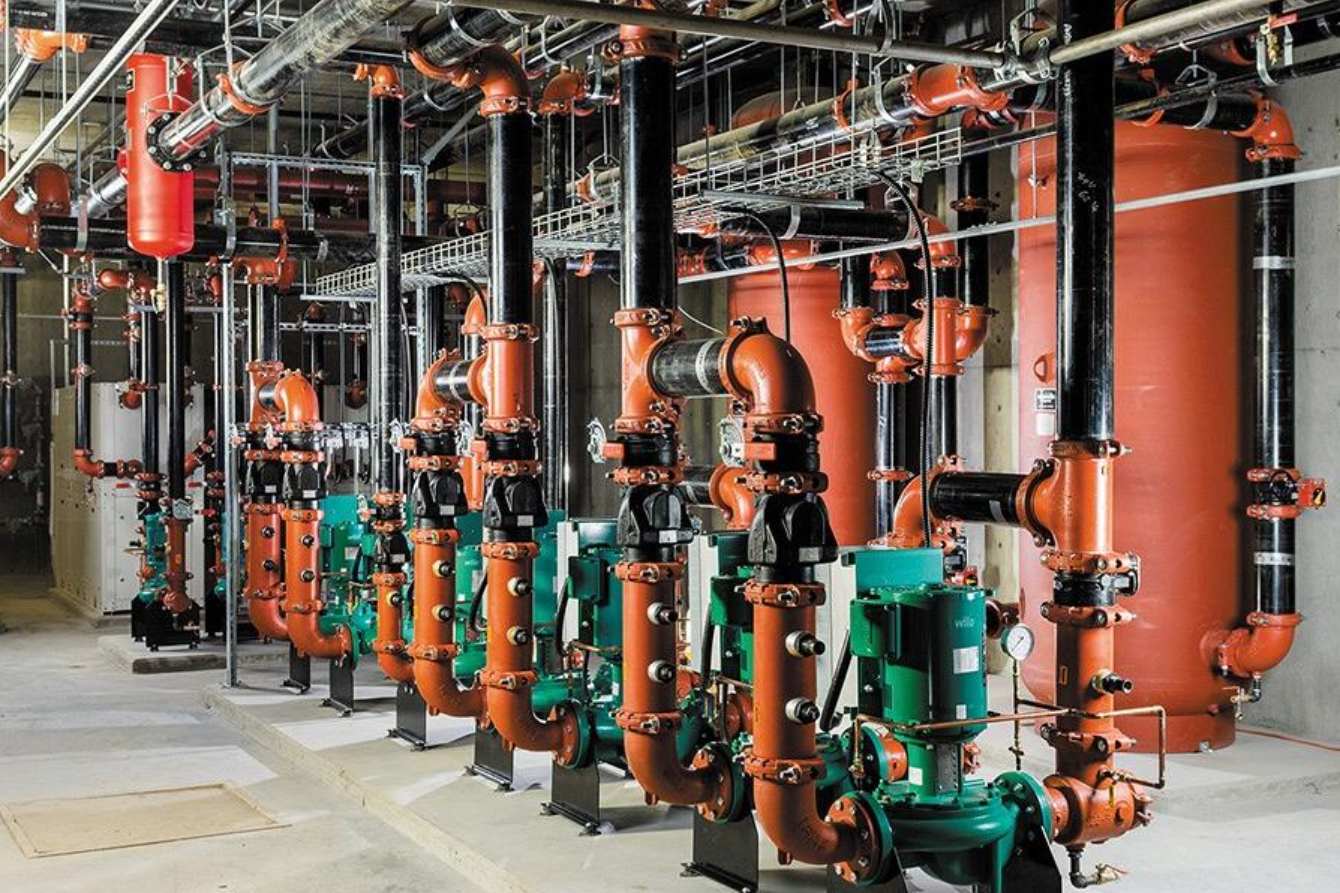
The Ovalle Casino Resort in Chile incorporated flexible malleable iron connections certified to UL and local seismic standards. Simulated magnitude-7 events confirmed system stability, ensuring occupant protection.
Patterns emerge across successful deployments: comprehensive early assessments, certified component selection, and documented installation protocols. Quarterly audits and crew training reinforce longevity.
Established suppliers with consistent certification records simplify procurement. On-site integration trials validate performance claims. Thorough documentation supports future maintenance.
About FLUID TECH PIPING SYSTEMS (TIANJIN) CO.,LTD
Formed in 2018 through partnerships with experienced northern Chinese foundries and processing facilities, FLUID TECH PIPING SYSTEMS (TIANJIN) CO.,LTD delivers complete fire protection solutions. The product range includes malleable iron pipe fittings, grooved fittings, valves, and sprinklers, all carrying FM, UL, CE, LPCB, and VDS certifications. Focused on providing economical yet secure options worldwide, the company maintains substantial warehouse capacity in a key northern logistics center for rapid delivery. Dedicated regional directors serve Middle East and South America markets, supporting installations such as the Red Sea International Airport and Ovalle Casino Resort through streamlined one-stop sourcing.
Заключение
In the end, successful fire piping deployments in these regions come down to matching components to actual conditions—resisting heat or movement, satisfying applicable codes, and staying ahead of gradual deterioration. Growing markets raise the stakes, but thoughtful preparation minimizes surprises. Reliable systems protect people and assets without unnecessary complications.
Часто задаваемые вопросы
Does skipping extra corrosion protection on Middle East fittings really create problems?
It does—salty air and heat combine to degrade malleable iron quickly without adequate coatings, increasing leak potential at critical moments. Adding epoxy or heavy zinc layers upfront avoids expensive mid-life replacements.
How can teams confirm seismic measures suffice for South American projects?
Subject assemblies to simulated local quake loads—if joints maintain seal integrity, confidence rises. Meeting Chile or Brazil code requirements prevents post-event failures that could otherwise cascade.
What practical steps reveal emerging failure risks early?
Quarterly pressure monitoring and flow checks flag restrictions. Early detection of corrosion on ductile sections allows intervention before performance drops during actual emergencies.
Why follow multiple international standards when simpler options exist?
Certified performance under FM or UL testing ensures components withstand real stresses, smoothing inspection processes. Cutting corners risks rejected installations and delayed project timelines.
Do completed case examples offer genuine guidance for new builds?
They do when relevant lessons transfer—grooved fitting success in Saudi heat, for instance, informs similar hot-climate decisions. Adapting proven approaches sharpens planning without starting from scratch.

 Russian
  English
  Arabic
  Spanish
  Italian
  Portuguese
  German
  French
  Dutch
Dutch  Japanese
  Vietnamese
  Korean
  Malay
Malay  Thai
Thai  Danish
  Swedish