
Introduction: The Hidden Workhorse of Every Fire Pump Room
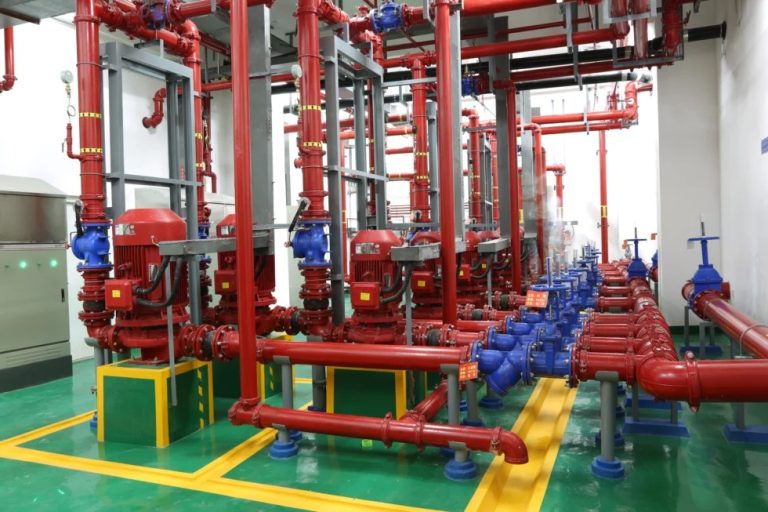
In every major fire pump room, whether it sits beneath a high-rise tower, a petrochemical site, or a large logistics complex, there is a silent component that rarely draws attention until something goes wrong: the fire pump room gate valve. Engineers tend to talk about pumps, controllers, jockey lines, testing routines, and flow curves, yet the gate valve often sets the tone for the entire system’s reliability. If the high-pressure gate valve fails to open fully during a pump start, or if it leaks under shock loads, the entire fire protection strategy for the building is compromised.
What makes this more serious is that fire pump rooms operate under conditions that most water distribution systems never experience. Rapid pump starts, high-velocity surges, weekly churn tests, full-flow annual testing, and unplanned pressure spikes constantly stress the fire protection gate valve. In these rooms, a gate valve isn’t merely a shutoff mechanism; it becomes the point of truth that determines whether water moves into the suppression network immediately and consistently. And this is exactly why facility managers, EPC firms, and system designers spend so much time rethinking gate valve for fire pump suction line specifications.
Why Gate Valves Play a Unique Role in Fire Pump Rooms
The reason gate valves gain priority in fire pump rooms is their ability to offer a full, unobstructed waterway when correctly selected. A properly engineered fire pump room gate valve reduces turbulence on the suction side, keeps cavitation risks manageable, and offers dependable closure during system isolation or testing.
Many engineers in high-risk industries admit they have seen pump start-ups fail simply because the fire protection gate valve was not fully open, was distorted internally, or had deteriorated due to mineral buildup. In other cases, the wrong material choice created micro-leak paths that escalated into suction instability. These events don’t just slow the system—they threaten lives. What complicates this further is that fire pumps draw enormous volumes instantly, and any restriction in a high-pressure gate valve can turn a stable suction line into a collapse-prone section.
Gate Valves Under Pressure: Real Conditions Inside a Fire Pump Room
A fire pump room doesn’t behave like a typical municipal pressure zone. Instead, the pressure profile is closer to a mechanical heartbeat. The moment a pump controller sends a start signal, the system jumps from static pressure into full dynamic flow. The gate valve for fire pump suction line must tolerate this transition without sticking, vibrating, or shifting position. Many operators have reported that valves with lightweight discs or poorly machined wedges tend to chatter under the first pressure rise, eventually damaging the seating surfaces.
Another issue rarely documented outside engineering circles is the effect of repetitive churn cycles. Most pump rooms run weekly churn tests, which means the fire pump room gate valve experiences frequent pressure fluctuations without flow. Over time, this creates wear patterns that only high-quality metallurgy and proper heat treatment can withstand. A lesser valve may pass the first inspection but struggle after six months of full-scale operation.
High-Risk Facilities Demand More from Gate Valves
In environments like chemical plants, power stations, cold storage warehouses, and refineries, the fire pump room is more than a mechanical space; it’s the backbone of the facility’s protection strategy. Here, the high-pressure gate valve must handle shock loads that exceed those in commercial buildings.
Many high-risk facilities operate with suction lines that run at lengths over 40 meters, achieving flow rates that push turbulence to levels conventional valves cannot manage. A weaker fire protection gate valve may distort when exposed to repeated 16–25 bar impulses. Engineers who have worked in northern Europe and the Middle East often mention that systems with low-grade wedge materials develop leakage rings, forcing premature replacement. That is why these operators increasingly insist on valves with precision-cast bodies and reinforced wedges—design choices aligned with the performance thresholds required of a gate valve for fire pump suction line.
Where Many Gate Valves Fail: Common Engineering Pain Points
Failures inside fire pump rooms follow patterns that repeat across industries. One failure mode involves at-rest swelling of sealing components, especially in warm pump rooms. Another involves micro-vibration zones in the suction pipe where flow instability hits the fire pump room gate valve directly. Over months, this can loosen the stem-to-wedge interface or distort the disc alignment.
Engineers also report that some valves deteriorate due to corrosion accelerated by stagnant pockets of water trapped behind the wedge. Once corrosion sets in, the valve loses its ability to close tightly, especially in high-pressure scenarios. This is particularly problematic because a significant number of insurance audits specifically check the performance of the high-pressure gate valve during pump performance testing. If it fails, the entire installation risks demerit points or corrective orders.
The Mechanical Qualities That Matter Most in Gate Valves
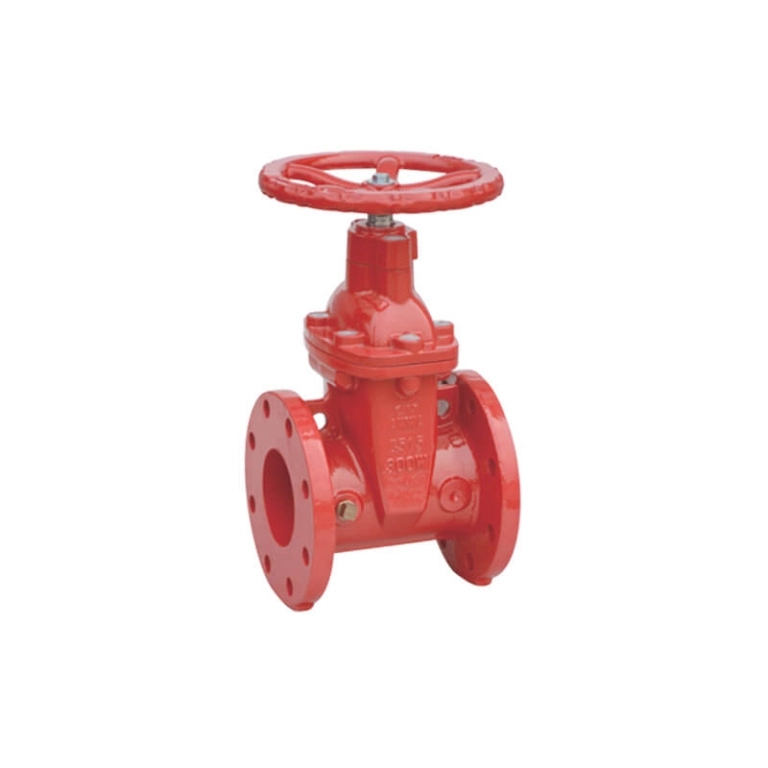
To perform reliably, a fire protection gate valve needs three mechanical traits that operators notice immediately during pump tests: stability, material endurance, and consistent operation. Stability determines how well the valve resists vibration when the pump hits peak flow. Material endurance dictates how long the seating surfaces hold up under fatigue cycles. Operational consistency means the valve feels the same during every inspection—no sudden stiffness, no erratic movement, no drift.
None of these qualities appear by accident. They depend on casting integrity, disc geometry, machining tolerances, and protective coating technology. Valves with uneven cast walls or gaps in epoxy coverage often fail earlier because the gate valve for fire pump suction line experiences both vacuum conditions and full-pressure surges. Only valves with rigid structural design maintain seating accuracy under such conditions.
Why More Facilities Choose FLUID TECH for Gate Valves
Engineers who evaluate fire pump rooms often highlight the need for manufacturers capable of producing valves that withstand long-term mechanical stress, thermal swings, and pressure shock waves. FLUID TECH PIPING SYSTEMS (TIANJIN) CO., LTD has gained recognition in these circles because its gate valves are built with the pressure ratings, mechanical rigidity, and long-cycle durability required in modern fire protection engineering.
The company’s manufacturing strengths come from consistent metallurgy, tight machining control, and multi-stage inspection protocols. These features directly address the fatigue-related issues that commonly appear in fire pump room gate valve installations. With high-pressure body ratings, stable disc geometry, and coating systems that resist corrosion in warm pump rooms, FLUID TECH offers a value proposition that many EPC contractors and municipal authorities now expect. Their valves are designed to survive the conditions that challenge every high-pressure gate valve in a fire pump room environment.
Conclusion: Why the Gate Valve Sets the Tone for System Reliability
When evaluating fire pump room performance, the gate valve may look like a small part of a large mechanical ensemble, yet its influence spreads across the entire suppression loop. A resilient fire protection gate valve stabilizes the suction line, protects pump longevity, supports reliable pump starts, and maintains predictable flow performance.
As buildings get larger and industrial sites handle more volatile materials, system reliability becomes a matter of engineering foresight. That foresight begins with choosing a gate valve for fire pump suction line capable of surviving pressure surges, fatigue cycles, and demanding inspection schedules. In that respect, high-quality manufacturing—such as that offered by FLUID TECH PIPING SYSTEMS (TIANJIN) CO., LTD—is no longer optional. It is the foundation of operational safety.
FAQs about Gate Valves in Fire Pump Rooms
Why is a fire pump room gate valve so important for system performance?
Because it regulates the incoming flow path on the suction side, even small restrictions in a fire pump room gate valve can reduce pump efficiency and delay water delivery during emergencies.
What makes a high-pressure gate valve suitable for fire pump rooms?
A high-pressure gate valve must withstand sudden pressure jumps, repetitive churn cycles, and extended static load without interior distortion or leakage.
Do fire protection gate valves require frequent maintenance?
A properly engineered fire protection gate valve usually requires minimal intervention, but regular inspections help confirm that the seating surfaces and stem mechanisms remain stable.
What type of gate valve is best for a fire pump suction line?
A gate valve for fire pump suction line should offer a full-bore opening, strong casting, corrosion-resistant coatings, and predictable operation during weekly and annual pump tests.
How long can a well-made gate valve last inside a fire pump room?
With robust metallurgy and precision machining, a high-grade fire pump room gate valve can perform reliably for many years, even under demanding high-pressure conditions.