Fire safety equipment trends in 2026 concentrate on grooved fittings, seismic bracing, and smart systems while contractors manage increasingly rigid codes, shortened delivery windows, and the proliferation of demanding installations such as battery energy storage sites and multi-story developments. The fire safety equipment sector advances steadily beyond the $49 billion mark recorded in 2025, propelled by sustained commercial expansion, renewable infrastructure build-out, and progressive changes within standards including the 2026 NFPA 855 revision. Contractors regularly confront specifications calling for components that join swiftly, endure seismic stresses, and incorporate ongoing surveillance without inflating complexity or expenditure disproportionately. Grooved fittings offer secure, labor-efficient connections. Seismic bracing safeguards piping against dynamic forces. Smart systems accelerate detection through networked sensors and diagnostic capabilities. This analysis examines these three principal trends, their tangible influence on construction sites, and sourcing practices that correspond to project necessities while containing exposure and financial pressures.
Overview of 2026 Fire Safety Equipment Trends
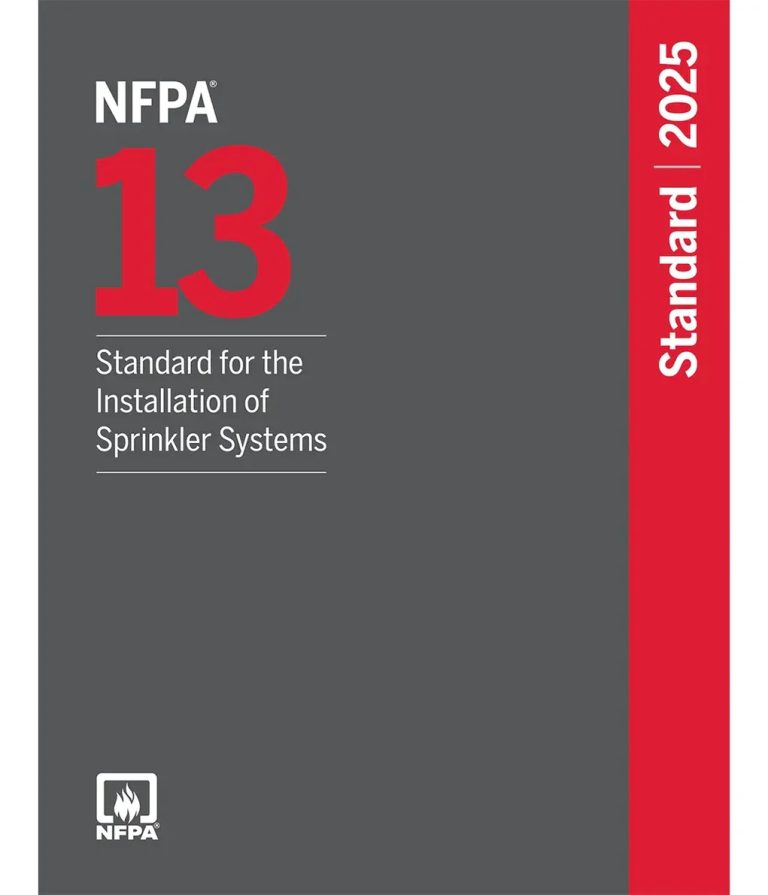
Patterns emerging in 2026 repeatedly manifest in three domains across bid documentation and technical evaluations. Grooved fittings expand their footprint owing to rapid joint assembly and superior containment of leaks within fire protection networks. Seismic bracing stipulations intensify in light of recent code refinements and accumulated evidence from seismic occurrences. Smart systems transition toward anticipatory functions by means of sensor arrays and connectivity. These evolutions link directly to observable drivers: the 2026 NFPA 855 edition broadens applicability to further battery compositions, positions hazard mitigation analysis as routine procedure, and establishes obligations for emergency planning together with comprehensive fire performance testing in energy storage arrangements. NFPA 13 provisions governing sprinkler piping under seismic conditions likewise reinforce the necessity of flexible couplings, sufficient spacing, and bracing to counteract stresses arising from differential displacement.
The pace of high-rise construction in expanding metropolitan areas combined with battery storage deployments amplifies urgency. Contractors integrating these elements promptly enhance their standing in competitive procurements and yield installations that navigate inspections with limited corrections.
Trend 1: Smart & IoT-Enabled Fire Systems
Smart fire systems operate through sensors that maintain constant condition surveillance and transmit notifications well before activation thresholds are reached. Within data centers and substantial commercial premises, connection to building management infrastructure diminishes false activations that suspend activities and initiate unwarranted occupant movement. Service records indicate a marked decline in after-hours call-outs once remote diagnostics detect pressure irregularities or sensor deterioration proactively.
The configuration proves especially suitable for locations with dense occupancy. Advance indications of degradation or irregularity permit intervention during planned downtime instead of reactive measures. Procurement directs attention toward hardware carrying FM and UL certifications that substantiate dependable function in interconnected arrangements. Current specifications frequently mandate interoperability with installed networks to circumvent standalone configurations that eventually necessitate total replacement. Contractors observe improved commissioning outcomes when smart functionalities synchronize with cloud platforms for persistent monitoring.
Trend 2: Seismic-Resistant Grooved Fittings & Couplings
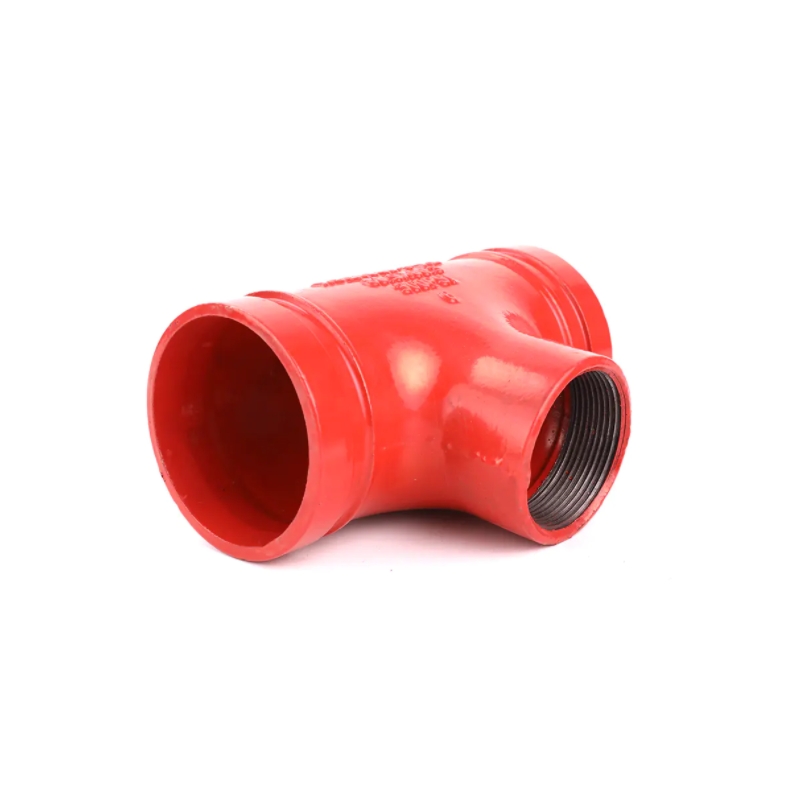
Seismic-active territories specify grooved fittings capable of preserving joint sealing under displacement. Flexible couplings permit controlled movement, thereby curtailing the probability of failure during shaking. These fittings merge ductile iron robustness with grooved interfaces that connect absent welding, commonly diminishing installation periods by 30-40% in contrast to conventional techniques.
Savings in manpower accumulate notably on projects involving multiple floors—frequently translating to weeks excised from critical path schedules by obviating thermal joining and intricate positioning. Ductile iron grooved fittings developed specifically for seismic exposure demonstrate greater consistency in satisfying inspection criteria within designated zones. Suppliers that present thorough test documentation conforming to applicable standards avert authorization delays. Operationally, these fittings accommodate lateral excursions and thermal variations while upholding necessary hydraulic performance, rendering them standard selections for primary feeders, transverse mains, and prolonged distribution branches.
Trend 3: Advanced Seismic Bracing for Piping & Suppression Systems
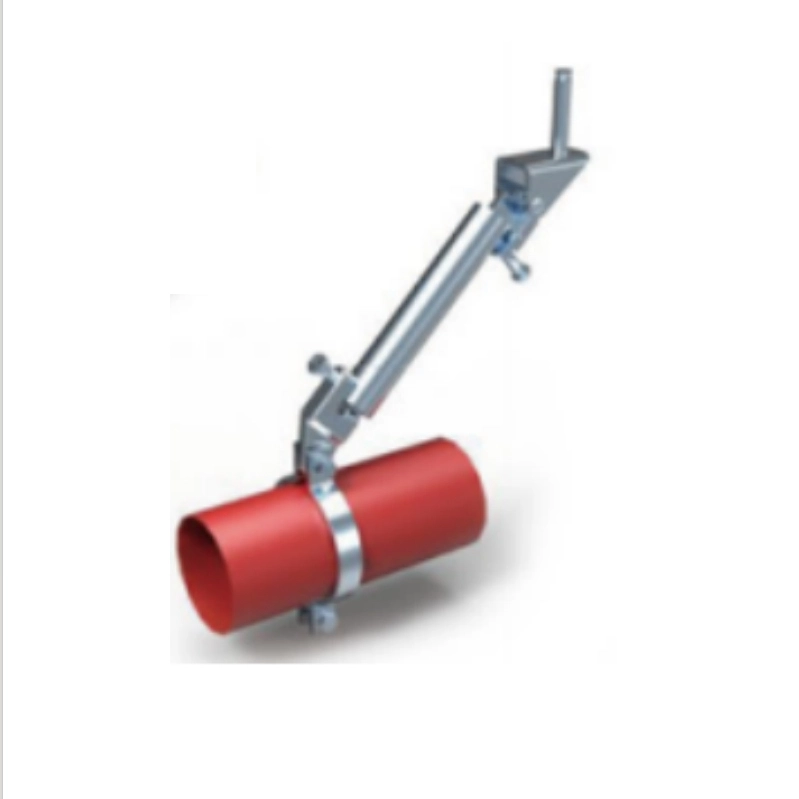
Contemporary code revisions insist upon bracing that confines piping displacement during seismic loading yet tolerates ordinary thermal expansion or contraction. Present-day seismic bracing utilizes modular channel-based frameworks and attachment elements that facilitate quicker placement and more equitable load distribution. Such assemblies harmonize with grooved fittings to construct networks that remain stable under impulsive forces while retaining operational adaptability.
Benefits surface distinctly in vertical and industrial contexts where piping traverses extended spans. Bracing mitigates undue deflection capable of compromising joint integrity or dislodging supports. Contractors encounter diminished event-related complications when bracing adheres to rectilinear layouts and eschews asymmetrical imposition on fittings. Procurement concentrates on elements equipped with pertinent certifications and arrangements that integrate fluidly with grooved configurations. Installation-friendly variants curtail labor input and contribute to compliance with abbreviated project timelines.
Integration & Emerging Applications
The fusion of smart systems, grooved fittings, and seismic bracing generates multi-layered defense suited to elevated-hazard contexts. Energy storage installations derive particular advantage from NFPA 855 2026 modifications that institute default hazard mitigation analysis, extend coverage across additional battery types, and incorporate directives for flow battery arrangements, barge-mounted deployments, and detailed emergency protocols. Passive barriers allied with active suppression, supplemented by instrumented piping, constrain propagation in thermal runaway scenarios.
Data centers and high-rise structures utilize the combination to support protracted piping with augmented diameters, seismic endurance, and continuous condition verification. Contractors deploy these unified strategies to counteract thermal incidents, seismic excitation, and connectivity obligations within coherent engineering solutions. Installations relying upon components substantiated via extensive fire propagation and seismic endurance trials progress through design validation with greater efficiency and exhibit reduced service incidence following occupancy.
Ultimate Sourcing Guide for 2026 Projects
Assessment of suppliers commences with methodical scrutiny. Certifications represent the essential baseline—FM and UL for North American undertakings, LPCB for United Kingdom compliance, VDS for European engagements. Correspondence to project geography forestalls rejection of submittals and accelerates regulatory concurrence.
Throughput capacity bears directly upon fulfillment intervals. Automated production environments generate uniform output across considerable volumes. Order quantity minima for grooved fittings ordinarily align acceptably with routine contractor requirements. Supply chain dependability assumes heightened importance amid enduring disruptions; organizations operating centralized distribution points and diversified carriage maintain adherence to committed dates.
Fluctuations in commodity pricing justify contractual mechanisms that stabilize costs for protracted intervals whenever feasible. Persistent difficulties commonly derive from certification discrepancies, absent seismic performance records, or misalignment between bracing and fittings. Suppliers furnishing detailed fabrication drawings, precedent installation examples, and on-site technical direction alleviate execution obstacles. Extensive assortments encompassing ductile iron grooved fittings, seismic sway bracing elements, fire valves, pipe hangers, and supplementary components diminish the burden of multi-vendor administration.
FLUID TECH PIPING SYSTEMS (TIANJIN) CO.,LTD – A Trusted Partner in Fire Protection Solutions
บริษัท ฟลูอิดเทค ไพพิ้ง ซิสเท็มส์ (เทียนจิน) จำกัด has functioned as a focused supplier within fire protection piping since 2018. Positioned in Tianjin, China, supported by a northern logistics facility, the company furnishes an inclusive selection comprising ductile iron grooved pipe fittings, malleable iron threaded fittings, fire valves, sprinklers, flexible hoses, pipe hangers, and seismic sway bracing accessories.
Items designated for export maintain FM, UL, CE, LPCB, and VDS certifications to correspond with varied global standards. Production sites possess ISO, SGS, and TUV accreditations. Specialized regional personnel deliver assistance to construction entities throughout North America, South America, the Middle East, Asia, Europe, and Africa.
Principal attributes include consolidated one-stop acquisition, comprehensive technical advisory services tailored to project particulars, and expeditious fulfillment from centralized stockholding for time-critical demands. Enduring alliances with manufacturing partners uphold supply dependability and present economical, safety-centric alternatives for international construction endeavors.
Conclusion
Trends in 2026 fire safety equipment concerning grooved fittings, seismic bracing, and smart systems furnish contractors with practical means to address contemporary project challenges. These developments promote expedited assembly, fortified tolerance of seismic loading, and anticipatory oversight that curtails interruptions and vulnerabilities. Acquisition from authenticated, competent suppliers facilitates conformity with regulations and preserves project cadence. Contractors synchronizing materials with these directions elevate procurement competitiveness and realize consistent functionality in rigorous settings. Regular appraisal of supplier congruence with impending requirements establishes sustained efficacy across the calendar year.
คำถามที่พบบ่อย
What are the key 2026 fire safety equipment trends for grooved fittings?
Grooved fittings trends in 2026 highlight seismic-resistant flexible couplings capable of accommodating displacement, increased diameters suited to high-rise hydraulic requirements, and joining techniques that markedly decrease labor relative to welded counterparts.
How do seismic bracing requirements change in 2026 for fire piping?
Seismic bracing requirements in 2026 adopt more stringent modular configurations, rectilinear arrangements to preclude uneven force application, and enhanced compatibility with grooved fittings to regulate sway while permitting thermal displacement in seismically active regions.
Which certifications are essential for smart fire systems in international projects?
Critical certifications encompass FM and UL for North American applications, LPCB for UK adherence, and VDS for European obligations. Correspondence of listings to project jurisdiction averts postponements in authorization and document resubmission.
Why choose seismic-resistant grooved fittings for high-rise 2026 bids?
Seismic-resistant grooved fittings manage movement via flexible connections, mitigate breach likelihood during seismic activity, and permit more rapid installation than rigid systems, supporting inspection passage and timeline compression on elevated constructions.
What’s new in NFPA 855 2026 for energy storage fire protection?
NFPA 855 2026 establishes default hazard mitigation analysis, widens coverage of battery chemistries, mandates extensive fire performance testing, refines emergency response planning, and adds targeted provisions for flow batteries and barge-mounted configurations.