Fire protection systems in 2026 reflect ongoing changes in construction demands, regulatory updates, and technology adoption across high-rise buildings, industrial sites, and energy storage facilities. Contractors handle tighter timelines, stricter inspections, and the constant push for components that manage higher pressures while reducing long-term service issues. Real-time monitoring shortens response delays in occupied structures. Flexible piping withstands ground motion in seismic zones. Eco-conscious selections meet green mandates on public bids. Oversized piping supports greater volumes in tall risers and expansive plants. Specialized valves control surges that affect vertical supply lines. Layered approaches safeguard battery installations against emerging hazards. This overview examines the dominant directions and practical steps for sourcing grooved pipe fittings, seismic bracing, fire valves, and related hardware that meet project specifications without unnecessary rework.
What Are the Top Fire Protection Trends for 2026?
Industry patterns in 2026 come down to six clear shifts that appear repeatedly in bid documents and site surveys. Connected devices provide continuous oversight and shorten reaction windows in commercial spaces. Grooved systems with flexible elements absorb displacement in active seismic regions. Low-carbon materials respond to sustainability requirements on institutional developments. Larger diameters handle increased flow in dense urban and industrial builds. Surge mitigation prevents damage from sudden pressure changes in tall structures. Combined passive and active measures protect stationary energy storage systems. Each direction draws from field realities: fewer callbacks, smoother approvals, and installations that perform under actual operating conditions.
High-rise expansion in major cities intensifies the need for resilient networks. Data centers and renewable projects layer complexity around thermal events. Contractors who follow these shifts early secure advantages on the same large contracts.
Trend 1: Smart & IoT-Enabled Fire Suppression Systems
Connected suppression setups depend on sensors that track conditions continuously and issue notifications before full activation occurs. In office towers or healthcare facilities, integration with building platforms reduces false activations that disrupt operations. Technicians experience fewer emergency calls when diagnostics operate remotely.
The approach proves effective in high-traffic areas. Predictive signals identify pressure drops or sensor wear before escalation. Procurement targets hardware with FM and UL listings that verify performance in networked environments. Projects more often require backward compatibility to avoid expensive future upgrades.
Trend 2: Seismic-Resistant Grooved Piping & Fittings
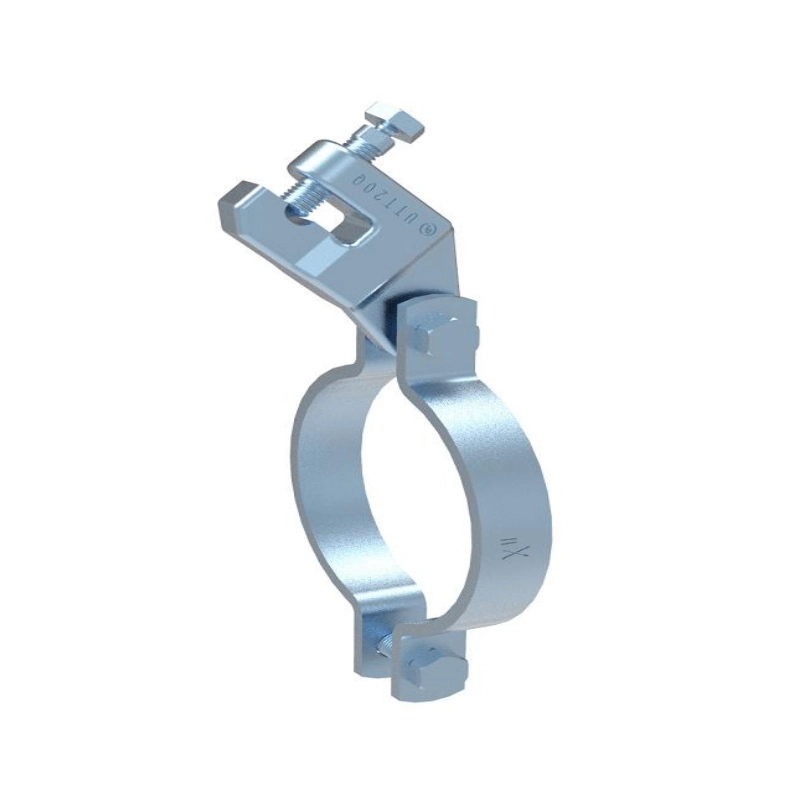
Regions subject to shaking demand piping that retains integrity during events. Grooved couplings with flexible joints absorb displacement, limiting breach risks. Bracing restrains lateral forces while allowing normal expansion and contraction.
Assembly time decreases significantly compared to welded joints—frequently by weeks on multi-story jobs. Ductile iron grooved fittings designed for seismic loads clear inspections more consistently in active zones. Suppliers that deliver test reports aligned with current protocols prevent hold-ups during permitting.
Trend 3: Sustainable & Low-Carbon Fire Protection Materials
Project owners require reduced environmental impact through ductile iron components with low-emission coatings and increased recycled content. These meet ESG evaluations on commercial and institutional developments.
Bids for certified green buildings regularly emphasize lifecycle benefits. Durable fittings decrease replacement frequency, offsetting any premium through insurance advantages and owner priorities. Sourcing requires verification of origin and environmental claims that withstand regional scrutiny.
Trend 4: Larger Diameter & High-Pressure Systems for High-Rise & Industrial Projects
Urban density and industrial growth drive specifications for 8-inch-plus grooved fittings and elevated pressure ratings. These accommodate extended runs and greater demands without integrity loss in warehouses or manufacturing complexes.
Specifications surface more frequently as buildings rise higher and footprints expand. Precise manufacturing tolerances maintain consistent performance on large orders. Reliable delivery from capable facilities becomes essential when construction windows narrow.
Trend 5: Advanced Check Valves & Anti-Water Hammer Solutions
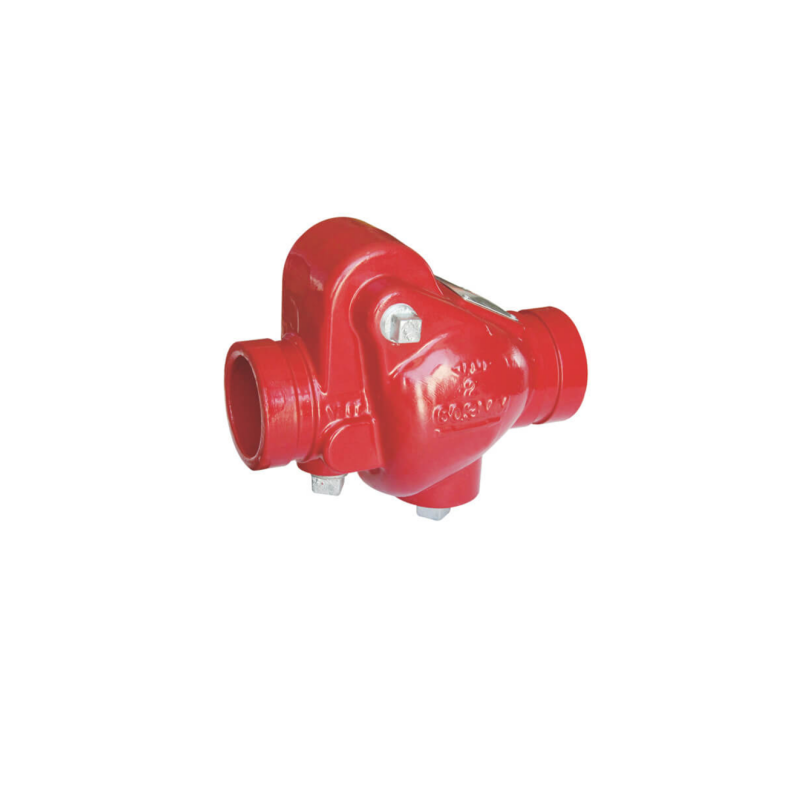
Tall risers produce surges that vibrate pipes and shorten service life. Slow-closing mechanisms and damping features moderate those spikes reliably. Systems endure longer with less vibration-related wear.
Field observations indicate substantial improvement in retrofitted tall structures. Procurement favors valves supported by flow simulation data that replicates site conditions. Accurate sizing to pressure and medium prevents persistent downstream problems.
Trend 6: Integrated Passive Fire Protection for Energy Storage Safety
Stationary battery setups present specific risks, with NFPA 855 updates detailing containment and suppression adapted to chemistry types. Barriers combined with suppression limit propagation during incidents.
Renewable energy contractors routinely incorporate these combinations. Components validated through large-scale trials confirm spacing and compatibility align with hazard analyses. Experience in comparable applications directs selections that pass engineering reviews.
Ultimate Sourcing Guide: How to Choose Reliable Suppliers in 2026
Supplier evaluation follows a practical checklist. Certifications establish the foundation—FM and UL suit North American work, LPCB covers UK specifications, VDS fits European demands. Alignment with project location avoids rejection in submittals.
Capacity affects turnaround. Mechanized operations produce uniform quality across volume runs. Order minimums for grooved fittings remain reasonable for standard contractor requirements.
Disruptions underscore the importance of stable logistics. Multiple transport partners keep shipments on schedule. Raw material fluctuations favor contracts that stabilize pricing over longer terms.
Avoidable issues commonly stem from mismatched approvals or incomplete documentation. Partners supplying installation references, technical drawings, and field support simplify execution. Comprehensive ranges covering grooved fittings, valves, hangers, and bracing decrease coordination demands.
FLUID TECH PIPING SYSTEMS (TIANJIN) CO.,LTD – A Trusted Partner in Fire Protection Solutions
บริษัท ฟลูอิดเทค ไพพิ้ง ซิสเท็มส์ (เทียนจิน) จำกัด functions as a dedicated supplier in fire protection piping since 2018. Situated in Tianjin, China, with a northern logistics center, the company supplies a complete range including ductile iron grooved fittings, malleable iron threaded fittings, fire valves, sprinklers, flexible hoses, pipe hangers, and seismic sway bracing accessories.
Exported products carry FM, UL, CE, LPCB, and VDS listings to correspond with international requirements. Manufacturing facilities hold ISO, SGS, and TUV approvals. Regional support reaches construction clients in North America, South America, the Middle East, Asia, Europe, and Africa.
Advantages center on one-stop procurement, thorough technical guidance, and efficient handling from centralized warehousing. Established manufacturer partnerships sustain supply consistency and provide economical, safety-focused options for global projects.
Conclusion
Trends defining fire protection in 2026 require deliberate material decisions from contractors. Connected monitoring, seismic durability, sustainable selections, expanded capacities, surge controls, and energy storage safeguards determine successful bids and installations. Sourcing through verified, dependable channels streamlines compliance and reduces exposure. Contractors aligning components with these patterns enhance project delivery and establish credibility in competitive markets. Evaluating supplier fit against current and future work establishes consistent performance throughout the year.
คำถามที่พบบ่อย
What are the top fire protection trends for 2026?
Dominant trends include IoT-enabled suppression for continuous oversight, seismic-resistant grooved systems in active zones, low-carbon materials for sustainability mandates, larger high-pressure piping in tall and industrial builds, advanced check valves against water hammer, and integrated passive safeguards for energy storage installations.
Which certifications matter most when sourcing grooved pipe fittings in 2026?
FM and UL listings prove essential for North American projects, LPCB for UK compliance, and VDS for European markets. Matching approvals to job location avoids delays in plan checks and authority sign-offs.
How do seismic-resistant grooved fittings perform on high-rise projects?
Flexible joints and bracing permit controlled movement during seismic activity, reducing leak potential and accelerating assembly over rigid methods. They conform to updated guidelines while facilitating efficient construction sequencing.
Do sustainable fire protection materials justify higher costs on commercial projects?
Low-carbon options with eco-coatings and recycled elements support green certifications and decrease ongoing upkeep. Contractors often recover the difference through owner incentives, insurance benefits, and preferences on ESG-driven developments.
What key factors help prevent water hammer when sourcing check valves in 2026?
Slow-closing designs supported by high-flow test results deliver reliable performance. Compatibility verification against system pressure and inclusion of surge data minimize vibration and damage in vertical supply lines.