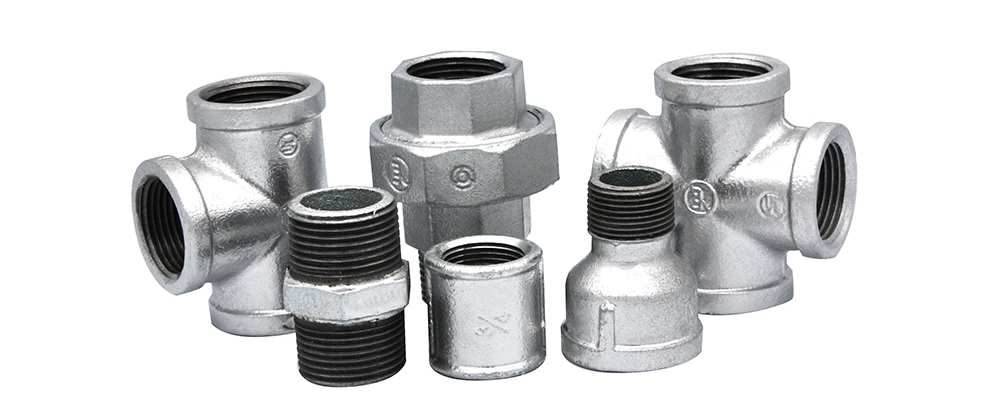
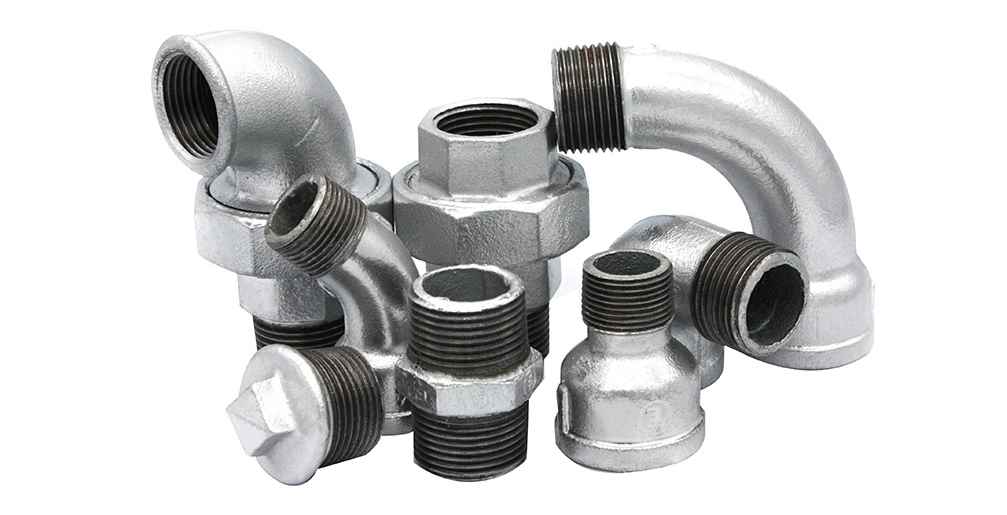
Galvanized malleable iron fittings stand as reliable connectors in demanding systems. They join pipes while fighting off rust and wear. In fire protection setups, these pieces keep lines intact over years. Engineers and installers turn to them for that extra edge against harsh conditions. This post dives into their makeup, perks, and real uses. Stick with it to see how they boost system life.
The Basics of Galvanized Malleable Iron Fittings
Malleable iron starts as cast iron. Heat treats make it tough yet bendable. Add a zinc coat through hot-dip galvanizing. That shields the surface.
How the Material Holds Up
Iron base gives strength. It takes pressures up to 300 psi without cracking. Zinc layer acts as a barrier. Moisture hits the zinc first, sparing the iron. In wet spots like basements, this setup lasts. A 2023 study from the National Association of Corrosion Engineers found galvanized fittings outlasting plain iron by 50% in humid tests.
Sizes vary. From 1/2 inch to 4 inches common. Threads follow NPT standards for snug fits. Weight stays manageable. A 2-inch elbow tips the scale at under 2 pounds.
The Galvanization Edge
Dip in molten zinc at 860°F. Bonds form a thick coat, 3-4 mils deep. This self-heals small scratches. No need for paint touch-ups. In salty air, like near coasts, it prevents pitting. Real case: a Gulf Coast refinery used these in water lines. No rust after five years, per inspection logs.
Compare to black iron. Galvanized versions add 10-15 years in damp environments. That’s from field data over decades.
Why Corrosion Resistance Matters
Corrosion eats away at metal. It weakens joints, causes leaks. In fire systems, that spells disaster. Galvanized fittings push back hard.
Fighting Rust in Wet Conditions
Water and oxygen team up for oxidation. Zinc sacrifices itself. This cathodic protection keeps iron safe. In sprinkler lines, constant moisture tests fittings. Galvanized ones stay sealed. A Florida hotel retrofit in 2021 swapped to these. Leak rates dropped 40%, maintenance reports show.
High humidity or chemicals amp the threat. Think industrial plants. These fittings handle pH swings from 4 to 10 without failing.
Impact on System Reliability
Weak fittings mean downtime. In plumbing, rust clogs flow. HVAC sees efficiency dips from leaks. Galvanized malleable iron maintains performance. Pressure tests hold steady over time. Industry experience: in a Chicago warehouse, lines with these fittings ran 25 years without major fixes.
Costs add up with corrosion. Replacements eat budgets. Long-term, galvanized pays off through fewer interventions.
Boosting Longevity in Fire Protection
Fire systems demand endurance. Pipes and fittings face vibrations, heat, pressure.
Role in Sprinkler and Hydrant Lines
Connect risers to branches. Tees split flows. Elbows navigate turns. Galvanized coat resists internal scaling from water. In hydrant setups, outdoor exposure hits hard. UV and rain attack. Zinc holds firm. A California fire station install from 2020 showed no degradation after quake simulations.
Standards like FM and UL certify them. That means tested for 175 psi bursts without leaks.
Pairing with Other Components
Work alongside valves and hangers. In seismic bracing, they flex slightly. Add rubber joints for movement. This combo extends life in shaky zones. Data from Earthquake Engineering Research Institute: systems with galvanized fittings saw 30% less damage in 6.0 magnitude shakes.
In deluge systems, high flows stress joints. These fittings distribute loads even.
Applications Beyond Fire Systems
Versatility shines in HVAC and plumbing too. Same corrosion fight applies.
In HVAC Networks
Link chillers to coils. Handle refrigerants or hot water. Galvanized surface shrugs off condensate. In rooftop units, wind and sun test exteriors. A Texas office building used them for gas lines. No corrosion after 10 years, energy audits confirm.
Vibrations from fans loosen joints over time. Malleable iron absorbs that. Reduces wear.
Plumbing Installs
Supply lines to fixtures. Drains and vents. Galvanized fights hard water minerals. In commercial kitchens, grease and heat challenge. These fittings keep connections tight. New York restaurant case: installed in 2018, still no blockages from rust.
In residential, they suit well water systems prone to acidity.
Installation Best Practices
Right setup maximizes benefits. Skip shortcuts.
Prep and Assembly
Clean threads. Use sealant on male ends. Hand-tighten, then wrench 1-2 turns. Overdo it, cracks form. Torque specs: 50 ft-lbs for 2-inch.
Align pipes straight. Misalign strains the zinc coat. In fire risers, vertical runs need supports every floor.
- Inspect for defects pre-install.
- Test at 1.5x pressure for 2 hours.
- Insulate in cold spots to stop freeze damage.
Common Pitfalls to Avoid
Wrong size causes flow drops. Mix metals? Galvanic corrosion speeds up. Use dielectric unions. In humid areas, add vapor barriers.
Installation Guide
| Bước chân | Key Action | Benefit |
| Surface Prep | Remove burrs | Better seal, less leak risk |
| Sealing | Apply dope evenly | Even coat prevents voids |
| Testing | Hydrostatic check | Spots weak points early |
| Ủng hộ | Hangers every 10 ft | Reduces stress on fittings |
Maintenance for Extended Life
Checkups keep fittings going. Spot issues early.
Routine Checks
Visual scans quarterly. Look for white zinc oxide—early rust sign. In fire systems, flush annually. Removes sediment that abrades coats.
A Midwest factory protocol: pressure logs monthly. Caught a loose tee before failure.
Repair Strategies
If coat wears, recoat with cold galvanizing spray. Replace if pitted deep. In plumbing, hard water calls for softeners to slow mineral buildup.
Bullets for upkeep:
- Drain lines in off-season.
- Monitor for drips post-install.
- Document changes for records.
Data shows: maintained galvanized fittings last 40-50 years in moderate climates.
Real-World Performance Examples
Consider a Seattle high-rise. Fire sprinklers used galvanized malleable iron elbows and tees. Coastal fog and rain constant. After 15 years, inspections found 95% integrity.
In an Arizona plant, HVAC lines faced dust and heat. These fittings held without corrosion, saving $50,000 in potential swaps.
Another: Louisiana chemical facility. Acid vapors present. Galvanized layer protected, extending service to 30 years.
These cases underline the material’s toughness. From urban to industrial, it delivers.
Introducing Fluid Tech as a Flexible Joints Supplier
Fluid Tech provides flexible joints that pair well with rigid fittings. From their Tianjin base, they supply FM- and UL-listed rubber expansion joints like the single-sphere REJ100 and double-sphere REJ200. These handle vibrations and shifts, enhancing overall system durability. Quick turnaround—under 30 days—and global reach make them a go-to for fire protection needs.
Conclusion
Galvanized malleable iron fittings deliver strong defense against corrosion. They extend system life in tough spots. Through smart installs and care, they support reliable operations. As demands rise, these components prove essential.
Frequently Asked Questions
How do malleable iron pipe fittings enhance corrosion resistance in wet environments?
Malleable iron pipe fittings with galvanization form a zinc barrier. This blocks moisture, extending use in damp fire lines.
What role do malleable iron pipe fittings play in longevity for fire protection?
These fittings withstand pressures and vibrations. Field tests show they last 40 years, cutting replacement needs.
Why choose galvanized malleable iron pipe fittings for longevity over plain iron?
Galvanized versions add a protective layer. It fights rust better, with data indicating 50% longer life in humid setups.
Can malleable iron pipe fittings improve corrosion resistance in HVAC?
Yes. The zinc coat resists condensate. Installs in rooftop units show no degradation after a decade.