Introduction
Projects in scorching environments, from Middle Eastern oil fields to Southeast Asian industrial zones, push fire suppression systems to their limits. Temperatures that climb past 50°C day after day, combined with salty air and dust, accelerate wear on components that must perform flawlessly during emergencies. Engineers often turn to Phụ kiện ống sắt dễ uốn for these setups, valuing their ability to handle thermal stress without compromising integrity. Market trends reflect this preference—fire protection demands in hot regions drive steady growth, with systems needing parts that resist deformation under heat while maintaining tight seals. In practice, when a blaze erupts in a refinery under blazing sun, the fittings connecting sprinklers and pipes face intense pressure and expansion forces. Choices made early in design dictate whether the network holds or fails. This discussion explores the reasons behind the widespread adoption of these fittings in such demanding conditions, drawing from material properties, standards compliance, and field performance.
Hot climates don’t forgive weak links. Corrosion creeps faster, and heat cycles test joints repeatedly.
Core Advantages of Malleable Iron Pipe Fittings in Fire Systems
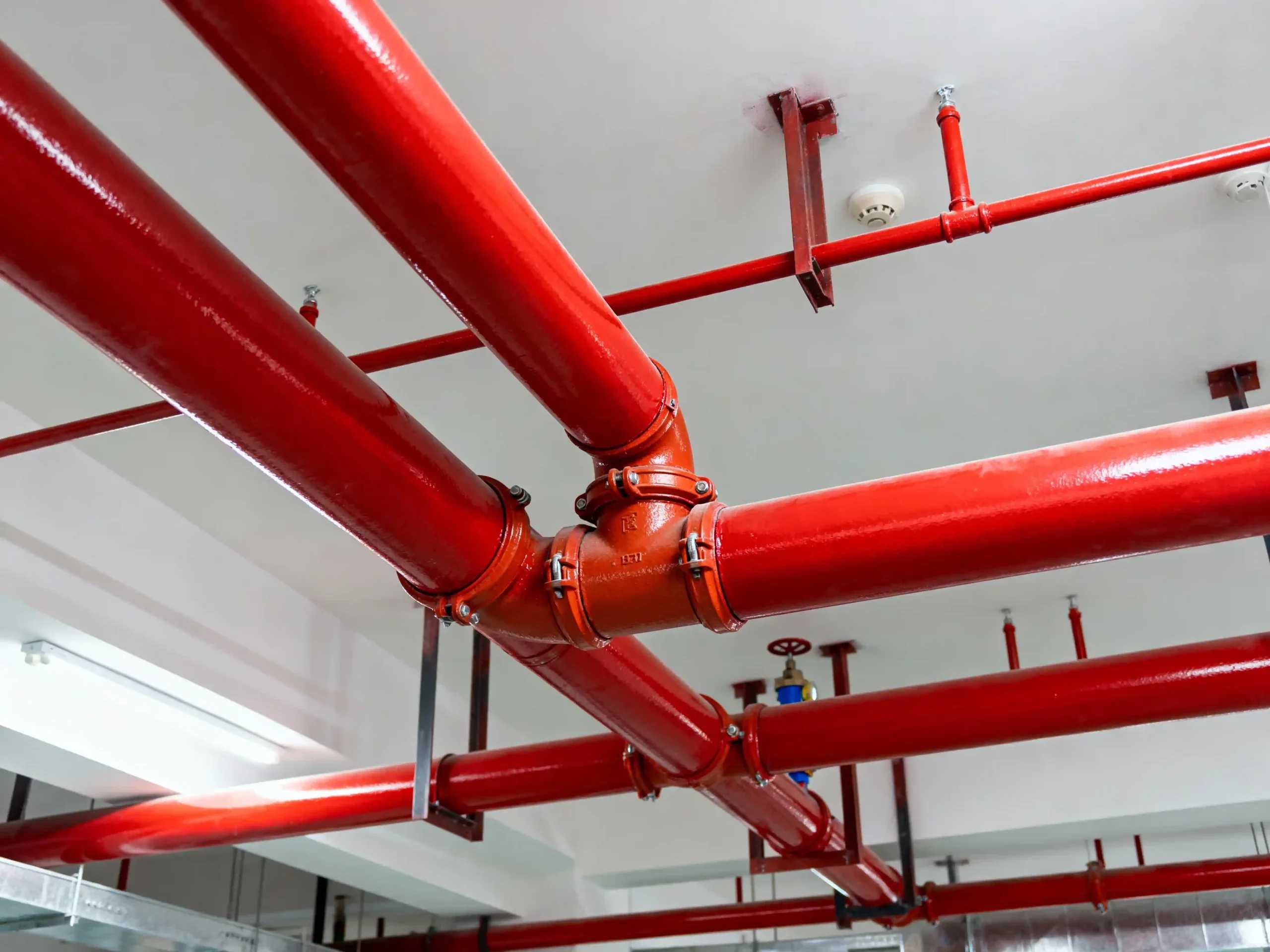
Fire system fittings require a balance of strength, ductility, and resistance to environmental assaults. Malleable iron stands out because it combines toughness with adaptability, allowing it to absorb shocks and maintain shape even as temperatures spike.
High Temperature Resistance
During a fire, pipes and fittings endure rapid heating, often reaching hundreds of degrees Celsius in minutes. Malleable iron retains structural stability far better than many alternatives, avoiding brittleness that could lead to cracks. Tests under NFPA guidelines show these fittings holding pressure at elevated temperatures without leaking, a critical factor in hot climate fire piping material choice. In desert refineries, where ambient conditions already strain materials, this property prevents premature fatigue.
Thermal expansion poses another hurdle. Metals grow when heated, but if expansion rates mismatch across components, joints loosen. Malleable iron’s moderate coefficient helps alignments stay true.
Corrosion Protection in Harsh Conditions
Salt-laden winds in coastal hot zones eat away at unprotected metals quickly. Hot-dip galvanizing, standard on quality malleable iron pipe fittings, creates a thick zinc layer that sacrifices itself to shield the base material. This barrier performs exceptionally in humid heat, where corrosion rates can double compared to temperate areas. Field reports from Middle Eastern installations indicate galvanized fittings lasting decades with minimal pitting, even exposed to occasional seawater spray.
Without this protection, rust builds inside threads, restricting flow when seconds count.
Strength and Installation Flexibility
Threaded connections dominate in many fire systems for their reliability and ease of adjustment. Malleable iron threads cleanly and grips tightly, supporting high torque without stripping. This matters in hot climate projects, where crews work in sweltering conditions and need parts that assemble smoothly to meet tight schedules. The material’s ductility also forgives minor misalignments during fitting, reducing on-site rework.
Adaptations for Hot Climate Challenges
Hot regions introduce specific stresses that generic materials struggle against. Dust settles in crevices, moisture condenses overnight, and intense sunlight degrades coatings over time.
Managing Thermal Expansion and Fatigue
Repeated heating and cooling cycles fatigue metals, leading to micro-cracks at stress points. In hot climate fire piping material choice, engineers favor malleable iron because it flexes slightly under load, dissipating energy that would otherwise cause failure. Large warehouse projects in arid zones benefit from this, as roof temperatures soar midday and drop sharply at night.
One common issue arises when pipes run through unconditioned spaces—expansion pushes against fixed supports, straining elbows and tees. Properly specified malleable fittings accommodate this movement without permanent deformation.
Combating Accelerated Corrosion
Humidity spikes during rare rains in deserts, trapping moisture against surfaces. Galvanized malleable iron pipe fittings counter this effectively, with zinc layers thick enough to endure years of exposure. In contrast, thinner coatings flake sooner, exposing iron to rapid oxidation. Industrial sites near oceans see this difference clearly—systems with robust galvanizing show clean threads after inspections, while others require frequent replacements.
Dust abrasion adds another layer. Fine particles grind against surfaces, wearing away protection. The durable zinc on these fittings resists such erosion better, maintaining seal integrity.
Comparison with Other Materials
Debates often arise around ductile vs malleable iron for fire applications. Ductile iron excels in grooved systems with superior burst strength, ideal for large-diameter mains. Yet in threaded branch lines common to many hot-zone setups, malleable iron offers easier machining and better thread quality. Cost plays a role too—malleable versions frequently come in lighter, reducing transport expenses to remote sites.
Plastic alternatives falter in sustained heat, softening and losing pressure ratings. Steel rusts aggressively without heavy protection. Malleable iron strikes a practical middle ground for secondary networks.
Standards and Certification Considerations
Compliance drives material selection in fire protection. UL and FM approvals demand rigorous testing, including heat exposure and pressure cycles that simulate real emergencies.
Key Requirements for Hot Environments
Standards like NFPA 13 account for ambient conditions indirectly through material performance thresholds. Fittings must withstand operating temperatures without degradation, a test malleable iron passes consistently when properly galvanized. Certifications verify zinc thickness and adhesion, critical for long-term corrosion resistance in hot climates.
Local codes in Gulf countries sometimes mandate additional salinity tests, aligning with malleable iron’s proven track record.
Practical Compliance Steps
Project specifications list approved materials. Selecting fittings with multiple certifications—UL, FM, and others—streamlines approvals across international borders. In hot regions, documentation of galvanizing processes becomes essential during audits.
Non-compliance risks delays. Inspectors reject undersized coatings outright.
Risk Factors and Prevention Approaches
Even strong materials face threats if mishandled. Over-torquing threads during sweaty installations strips them, while improper storage exposes parts to pre-construction rust.
Typical Failure Modes in Heat
Heat-induced loosening occurs when cycles expand pipes more than fittings. Corrosion under insulation traps moisture, creating hidden pits. Dust-packed threads seize, complicating maintenance.
Effective Mitigation
Storage under cover prevents early oxidation. Torque wrenches ensure consistent assembly. Regular inspections catch zinc wear early, allowing touch-ups before base metal exposure. In extreme cases, supplemental coatings extend life further.
Engineers mitigate expansion with loops or flexible sections, but reliable threaded joints remain foundational.
Prevention starts at procurement—specifying heavy galvanizing pays off over decades.
Application Insights and Field Practices
Warehouse distribution centers in hot inland areas rely heavily on threaded malleable systems for their branch flexibility. Oil processing plants use them extensively in secondary suppression lines, where heat and chemicals coexist.
Lessons from past projects highlight the value of material consistency. Mixing grades leads to galvanic corrosion; sticking to one proven type avoids surprises.
Crew training on thread compound application in high heat prevents galling. Documentation of batch certifications aids traceability during investigations.
Successful deployments share traits: thorough site assessments, certified components, and proactive maintenance schedules.
About FLUID TECH PIPING SYSTEMS (TIANJIN) CO.,LTD
Established in 2018 through partnerships with established northern Chinese foundries and processing facilities, Công ty TNHH Tech Tech (Tianjin), Ltd specializes in comprehensive fire protection components. The range centers on malleable iron pipe fittings, including hot-dip galvanized threaded options carrying UL, FM, CE, LPCB, and VDS approvals. With a focus on delivering reliable, cost-effective solutions for global projects, the company maintains extensive warehouse stock in a northern logistics hub for prompt shipments. Regional support teams address demands in hot climate markets, providing one-stop sourcing that simplifies specification and procurement for fire system installations.
Conclusion
Hot climate regions demand fire system components that endure relentless thermal and environmental assaults without faltering. Phụ kiện ống sắt dễ uốn meet these challenges through inherent strength, effective galvanizing, and compliance with demanding standards. Thoughtful selection considering expansion, corrosion, and installation realities leads to networks that protect assets reliably over long service lives. As projects expand in these areas, prioritizing proven materials reduces risks and supports smoother operations.
FAQs
Why choose malleable iron pipe fittings over alternatives in hot climate fire systems?
Malleable iron pipe fittings handle thermal cycles and corrosion from salty heat better, maintaining seals when temperatures soar. Galvanized versions resist pitting that plagues lesser materials in desert or coastal sites.
How does galvanizing impact performance in high temperature environments?
Thick hot-dip zinc layers on malleable iron pipe fittings sacrifice themselves slowly, protecting against accelerated rust in humid hot conditions. This extends service life significantly compared to uncoated or thinly protected options.
What differences matter when considering ductile vs malleable iron for fire protection?
Ductile iron suits grooved high-pressure mains with greater burst resistance, while malleable iron excels in threaded connections for branch lines, offering easier installation and heat tolerance in hot climate fire piping material choice.
Can improper installation affect malleable iron fittings in heat?
Yes—over-torquing in sweltering conditions strips threads, and poor storage invites early corrosion. Using torque tools and covered staging prevents these issues common to hot site work.
How do standards influence material decisions for hot regions?
UL and FM testing verifies heat and pressure endurance, with galvanizing specs ensuring corrosion resistance. Meeting these for malleable iron pipe fittings speeds approvals in demanding climate projects.

 Vietnamese
  English
  Arabic
  Spanish
  Italian
  Russian
  Portuguese
  German
  French
  Dutch
Dutch  Japanese
  Korean
  Malay
Malay  Thai
Thai  Danish
  Swedish