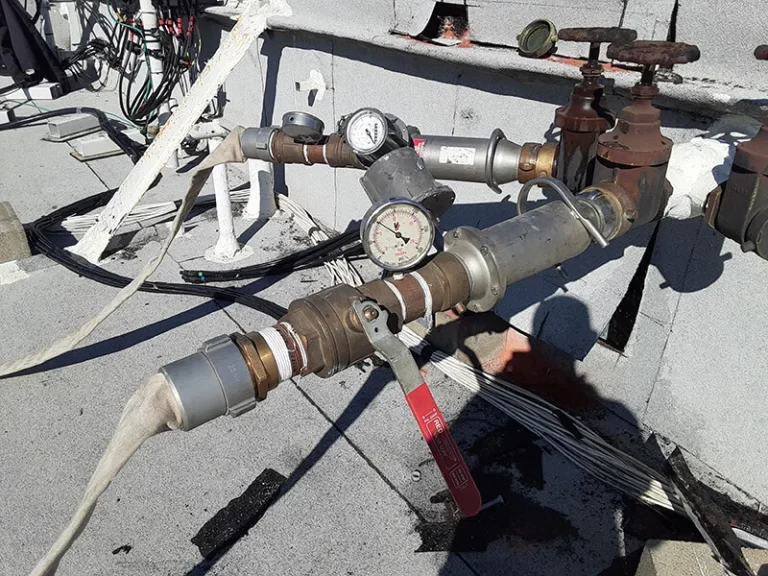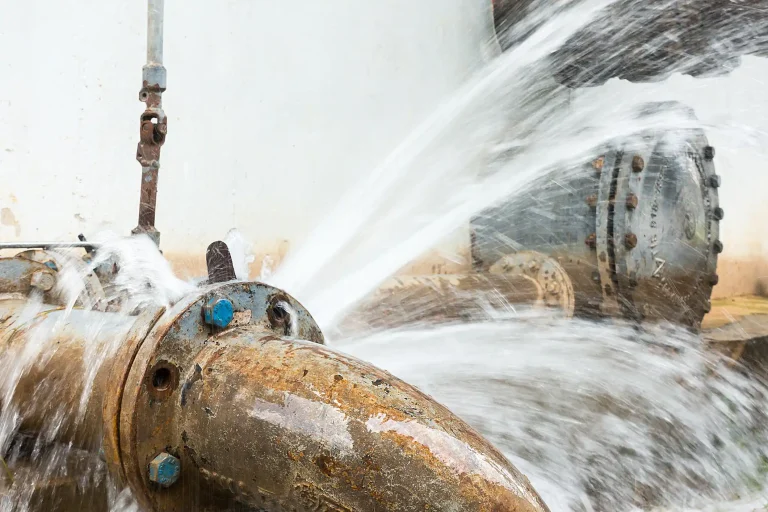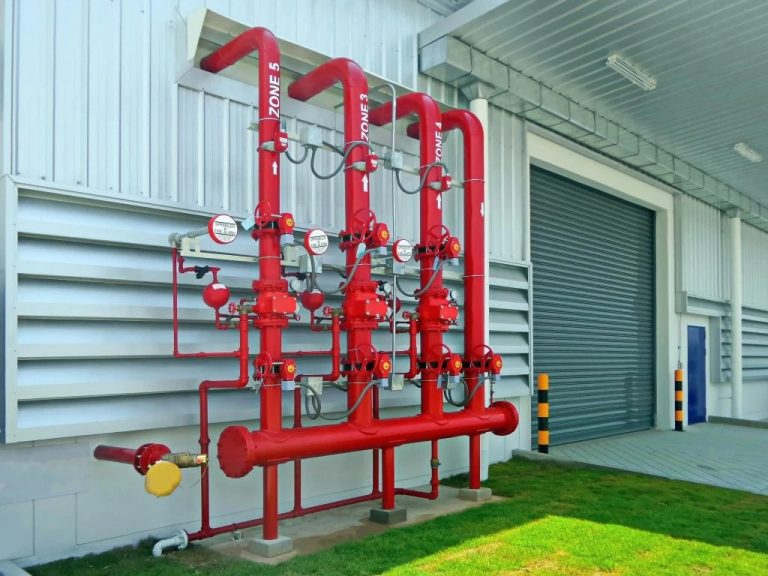
Water hammer represents a type of hydraulic shock that happens when water flow speed shifts quickly inside a sealed pipe setup. In fire networks, it might cause strong mechanical strain, loud sounds, and possible structural harm. The quick rise in pressure from water hammer could weaken the dependability and security of key firefighting setups.
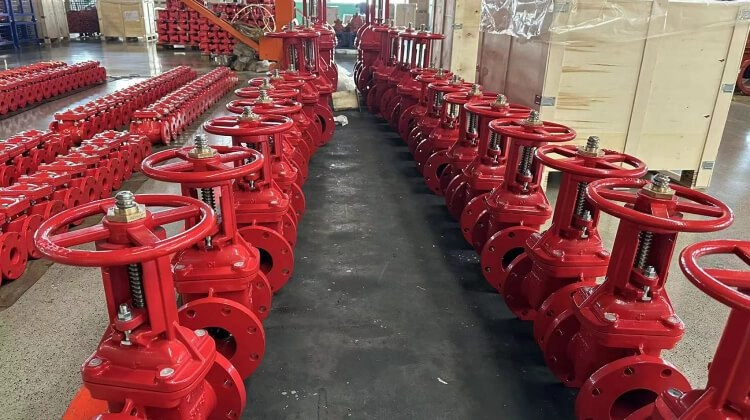
Rapid Valve Closure
Quick valve shutting stands as a frequent reason for water hammer in fire networks. A valve that shuts fast stops water movement all at once. This builds a strong pressure wave moving along the pipe. That wave bounces to and fro in the setup. It boosts strain on pipes and parts. The surge that follows might go beyond the planned pressure bounds of the network. Such action can cause breaks or failures in joints. To cut down these issues, operate valves slowly. Or fit them with devices made for steady shut speeds. Strong pressure shifts can further loosen links. They wear down seals as time passes. This lowers the full strength of the system.
Engineers often see this problem in busy fire systems. Quick closure traps the moving water. The energy has nowhere to go. So it turns into a pressure build-up. This wave can travel at the speed of sound in water. It hits pipe walls hard. Fittings feel the force too. Over repeated events, this leads to cracks. Joints may leak. To avoid this, choose valves with slow action. Train staff to handle them carefully. Add sensors to monitor closure. These steps keep the system safe. They extend the life of components. Fire safety depends on reliable pipes. Ignoring this risks failure in emergencies.
Sudden Pump Starts or Stops
A key factor in water hammer comes from sharp pump actions. This includes starting or halting abruptly. A pump that begins too swiftly speeds up the liquid in the pipe fast. It creates short-term pressure jumps. On the other hand, a quick halt leads to backward flow. It also forms empty spaces. These can crush pipes. Or harm pump blades. Such incidents upset the steady state of the system. They affect how well it works. This happens through uneven flow that stresses parts. Using gentle start tools or variable frequency drives helps control speed changes. Thus, it lessens the shock from hydraulics.
Pumps in fire networks run under high demand. Sudden starts pull in water too fast. The column of water jerks. Pressure rises sharply. Stops create a vacuum pull. Water slams back. This bangs against the pipes. Impellers twist under the strain. Stability breaks down. Performance drops. Soft starts ease the acceleration. VFDs adjust power smoothly. They prevent spikes. Maintenance checks catch issues early. Regular tests ensure smooth operation. This keeps the network ready for use. Reliability improves with these methods. Safety in fires relies on quick response. Avoidable damage costs time and money.
Changes in Flow Velocity
Shifts in flow speed happen often in detailed fire networks. Many lines run at the same time. Yet quick changes, like swapping water sources or turning on several outlets, start pressure waves. These move across the network. The waves meet joints and curves. This heightens stress in spots. It can lead to wear-out breaks in the long run. Keeping even flow shapes via good balance in the network helps. Flow control tools also aid. They make changes gentler. And boost steadiness in active setups.
Complex systems have branches everywhere. Flow varies with use. Switching sources causes sudden pulls. Activating hydrants draws water fast. Waves form and spread. They clash at bends. Stress builds locally. Pipes tire over cycles. Failures creep in. Balance the network first. Use meters to check flows. Install regulators at key points. This smooths out shifts. Reliability grows. Dynamic conditions test the setup. Proper tools handle them well. Fire response needs consistent pressure. These steps ensure that.
How Can Valve Damage Be Minimized?
Valve harm usually arises from repeated hits by hydraulic shocks such as water hammer. It also comes from ongoing mechanical rubbing. Good ways to fight this center on picking strong valve kinds. Add surge guard tools. Keep up regular check routines.
Damage builds slowly. Shocks hit hard each time. Wear adds up. Strategies must cover all angles. Select valves that last. Integrate protectors. Inspect often. This combo works best. Systems stay strong. Fire protection holds up.
Selection of Appropriate Valve Types
Picking valves built to handle changing pressures matters a lot for lasting use in fire networks. Rate valves for short bursts above usual pressures. This covers likely surges. Items like ductile iron or stainless steel give better toughness versus hit forces than weak options. Parts such as flexible seats and strong stems add more guard against bending in shock situations. Plus, valves like butterfly or globe that close slowly work well when exact speed control counts.
Durability starts with choice. Pressures fluctuate daily. Surges add risk. Strong materials resist better. Iron holds shape. Steel fights rust. Seats seal tight. Stems turn smooth. Slow close prevents bangs. Butterfly valves fit wide pipes. Globe ones control fine. Match to the need. Test ratings carefully. This choice saves repairs later. Networks run longer. Safety improves.
Implementation of Surge Protection Devices
Surge protection devices hold an important job in taking in extra power made in water hammer moments. Air chambers, surge tanks, and accumulators serve as cushions. They squeeze air or liquid to soften pressure peaks before hitting weak parts. Through steadying inside pressures, these tools shield valves from quick force flips. That could lead to splits or shifts out of place. Fitting right-sized surge stoppers at key spots in pipes helps keep even pressure spread over the whole network.
Energy from shocks needs a place to go. Devices catch it. Chambers use air to buffer. Tanks store extra flow. Accumulators hold pressure back. Spikes drop fast. Valves stay safe. No cracks form. Alignment holds. Place arrestors wisely. Near valves or pumps. This evens out waves. Network stays balanced. Install with care. Size to the flow. Test after setup. Protection works fully then.
Regular Maintenance and Inspection
Standard upkeep plays a key role in spotting wear signs early. These might make valves prone to breaks under strain. Regular checks make sure seals stay whole. Moving pieces work easy without too much rub. Stick to oil plans closely. This stops rust-caused hardness that could slow valve action in urgent times. Logging work details like open counts aids in seeing patterns of wear. It spots decline before big failures hit.
Wear shows in small ways. Checks find it soon. Seals crack first. Parts stick next. Oil keeps motion free. Rust builds in damp spots. Delays hurt in fires. Log every cycle. Trends appear clear. Fix before break. Schedules keep steady. Teams train on signs. Tools aid the job. This prevents downtime. Systems last years. Integrity holds firm.
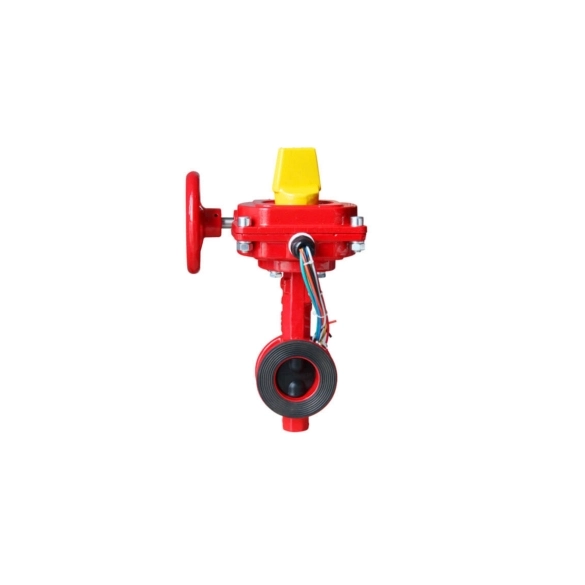
Are There Effective Methods to Control Water Hammer?
To manage water hammer, use design steps to prevent it. Add work methods to ease fluid motion in fire guard systems.
Control needs planning. Design blocks issues. Operations smooth daily use. Fluid dynamics stay calm. Protection works better. Methods prove useful over time.
Gradual Valve Operation Techniques
Teach workers to ease valves open or shut. This cuts chances of making harmful shock waves. Auto systems with tunable drivers let adjust shut speeds from live flow info. Such way lessens quick speed shifts. It aids steady pressure return after the valve area.
Training builds habits. Gradual moves avoid shocks. Systems automate the process. Feedback guides speed. Changes stay mild. Pressure evens out. Downstream flow stabilizes. Techniques save the setup. Operators gain skill. Reliability rises.
Use of Pressure Relief Valves
Pressure relief valves serve as must-have safety parts. They let out liquid on their own when inside pressures pass set levels. By letting extra power out safely to side lines or storage, they stop harmful high-pressure states linked to water hammer cases. Putting these valves smartly near pumps or risky joins boosts their guard power over linked areas.
Safety valves watch levels. They open at limits. Fluid escapes quick. Energy vents away. Overpressure fades. No damage builds. Place near weak spots. Pumps need them close. Junctions too. Zones link safe. Effectiveness grows. Install per code. Test yearly. Control stays strong.
Installation of Check Valves
Check valves stop backward flow if pumps halt without warning. Or if front pressures fall fast. These cases often spark strong back surges. Their auto-close setup keeps flow one way. It shuts quick to stop reversal. Yet without hard slams. Adding spring-help designs improves shut timing. This gives best cushion against short forces.
Reverse flow harms fast. Check valves block it. Pumps stop sudden. Pressures drop. Surges build back. Auto action works alone. Flow stays forward. Shut is timely. No violent close. Springs aid speed. Damping improves. Forces tame down. Install in lines. Size right. Test for leaks. Prevention holds.
What Role Does System Design Play in Preventing Water Hammer?
The way a system is built greatly affects how open a fire network stands to quick hydraulic changes like water hammer.
Design shapes risks. Good plans cut them. Networks resist better. Prevention starts here. Role proves vital.
Network Layout Considerations
A well-thought pipe shape lessens spots where pressure waves might build on each other badly. Making soft curves over sharp turns cuts swirl strength in fast flow changes. Also, keeping right tilts helps let air out from top spots. This avoids stuck air that worsens quick events when squeezed.
Layout plans paths. Reflections cause trouble. Soft bends ease waves. Tilts drain air. Pockets form risks. Compression amps shocks. Consider every turn. Map the flow. Build for smooth. Air vents help. Prevention works from start.
Integration of Flexible Joints and Supports
Flexible joints take in length shifts from heat growth or shake moves after shock times. They work like soft pads. This spreads strain equal over joined parts. Not bunching it at fixed holds only. Good pipe holds add to line steadiness. So shakes don’t spread free through build ties in quick load times.
Movements happen often. Joints flex with them. Heat expands pipes. Shocks cause vibes. Cushions absorb. Stress shares out. No weak points. Supports keep straight. Vibes stay local. Attachments hold firm. Integrate well. Space them right. Design for flex. Systems endure.
How Reliable is Fluid Tech Piping Systems (Tianjin) Co., Ltd. as a Fire Protection Supplier?
Fluid Tech Piping Systems (Tianjin) Co., Ltd. has set up as a dependable supplier. It focuses on modern fire guard answers built tough against fluid shakes like water hammer. And harm risks to valves in high-pressure setups. Their know-how covers making joined pipe groups fit for top firefighting networks. These need steady trust in tough work settings. With strict quality checks and following world rules, they provide items set for long use. While cutting upkeep costs in factory sites around the globe. The company’s drive for new ideas keeps bettering stuff tech. This backs stronger safety results no matter where used.
This firm builds trust over years. Solutions handle real-world stress. Hydraulic issues get tamed. Valves last longer. Piping fits needs. High performance shines. Environments demand much. Reliability delivers. Protocols ensure quality. Standards guide all. Products serve long. Costs stay low. Innovation pushes ahead. Materials improve fast. Safety wins everywhere. Global reach proves it. Choose them for peace.
Conclusion
To stop water hammer and valve harm, join forces in build fields. Back with solid gear picks. Pair with careful upkeep ways. This keeps steady work strength over full use stages. In key fire guard builds around the world.
Efforts must align. Design leads the way. Gear choices matter. Upkeep seals it. Integrity lasts. Phases cover all. Global needs met. Protection endures.
FAQs
What is the primary cause of water hammer in fire networks?
The primary cause is rapid changes in flow velocity due to sudden valve closures or pump operations, leading to hydraulic shock waves that stress the system components.
How do surge protection devices help prevent valve damage?
Surge protection devices like air chambers absorb excess energy from pressure surges, reducing the impact on valves and preventing potential damage from hydraulic shocks.
Why is regular maintenance important for preventing valve damage?
Regular maintenance allows for early detection of wear and tear, ensuring timely repairs or replacements that prevent failures due to accumulated stress or unnoticed issues.