Seismic bracing is a basic part of retrofitting that keeps the strength of buildings during earthquakes. It means strengthening old structures to handle side forces from ground shaking. This lowers the chance of falling apart and keeps people inside safe. In retrofitting work, seismic bracing updates older buildings to match current earthquake rules. It turns them into stronger and tougher buildings.
Core Principles of Seismic Bracing
The main job of seismic bracing is to spread side forces from ground shaking evenly over the structure. This spread stops too much bending that might cause wobbling or falling. Well-planned bracing setups not only boost safety for lives but also guard important items inside the building. Adding bendable materials and parts that soak up energy helps these setups take in and let out energy well during a quake.
Types of Seismic Bracing Systems Used in Retrofitting
Rigid bracing systems use steel or aluminum parts that give strong push-back against side loads. Parts like steel pipes and fittings often work well because of their toughness and power. ERW steel pipe is rolled by Cold-formed steel strip or coil and then resistance welding along the seam where the edges meet, without the need for additional welding material. These features make ERW pipes great for rigid bracing jobs where firmness and weight-holding ability matter most.
Cable bracing systems offer bendy options that use pulled-tight cables to steady structures. Their flexibility fits well for updating spaces with tight entry or odd shapes.
Hybrid systems mix both stiff and bendy parts to get a good mix of power and give. They provide better results under moving earthquake forces.
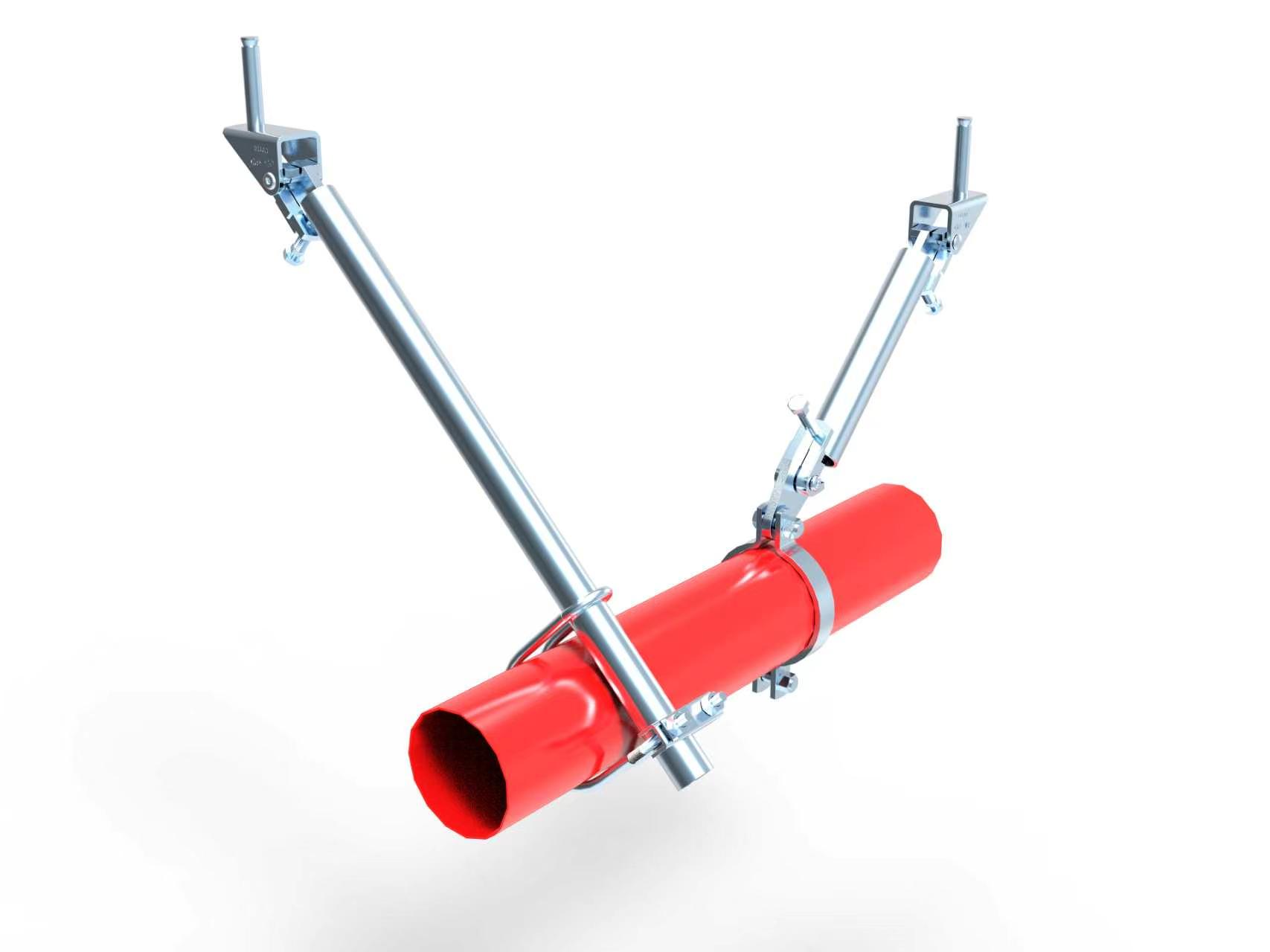
How Does Seismic Bracing Improve the Performance of Existing Structures?
Updating with seismic bracing greatly boosts a building’s power to handle earthquake loads without big rebuilds. It fixes built-in weak spots in old plans. As a result, it improves steady setup and safety for those inside.
Reinforcing Load Paths for Stability
Braces make steady load paths. These paths move earthquake forces safely from top floors down to the base. This steady flow cuts down on twisting unevenness. Such twists can happen in a quake. It also toughens soft spots in the building’s design. Better load sharing lowers stress in one area. Thus, no single part takes too much pressure during ground shifts.
Enhancing Ductility and Energy Dissipation
Bendable materials allow steady bending under pressure. They soak up energy without sudden breaks. Parts in joints that release energy stop sharp cracks. They keep the whole setup sound even after many force cycles. Better bendability means updated structures stay usable after quakes. This cuts down on stop time and fix costs.
What Are the Key Design Considerations for Effective Seismic Bracing?
Planning a good seismic bracing setup needs close care to basic engineering ideas, material traits, and rules in place.
Factors Influencing Bracing Design Choices
The shape of the building, its height, who uses it, and what it’s for all shape the pick of bracing setup. Ground type sets needs for tying down the base. Local earthquake zones set force levels based on area rules.
Material Selection and Connection Detailing
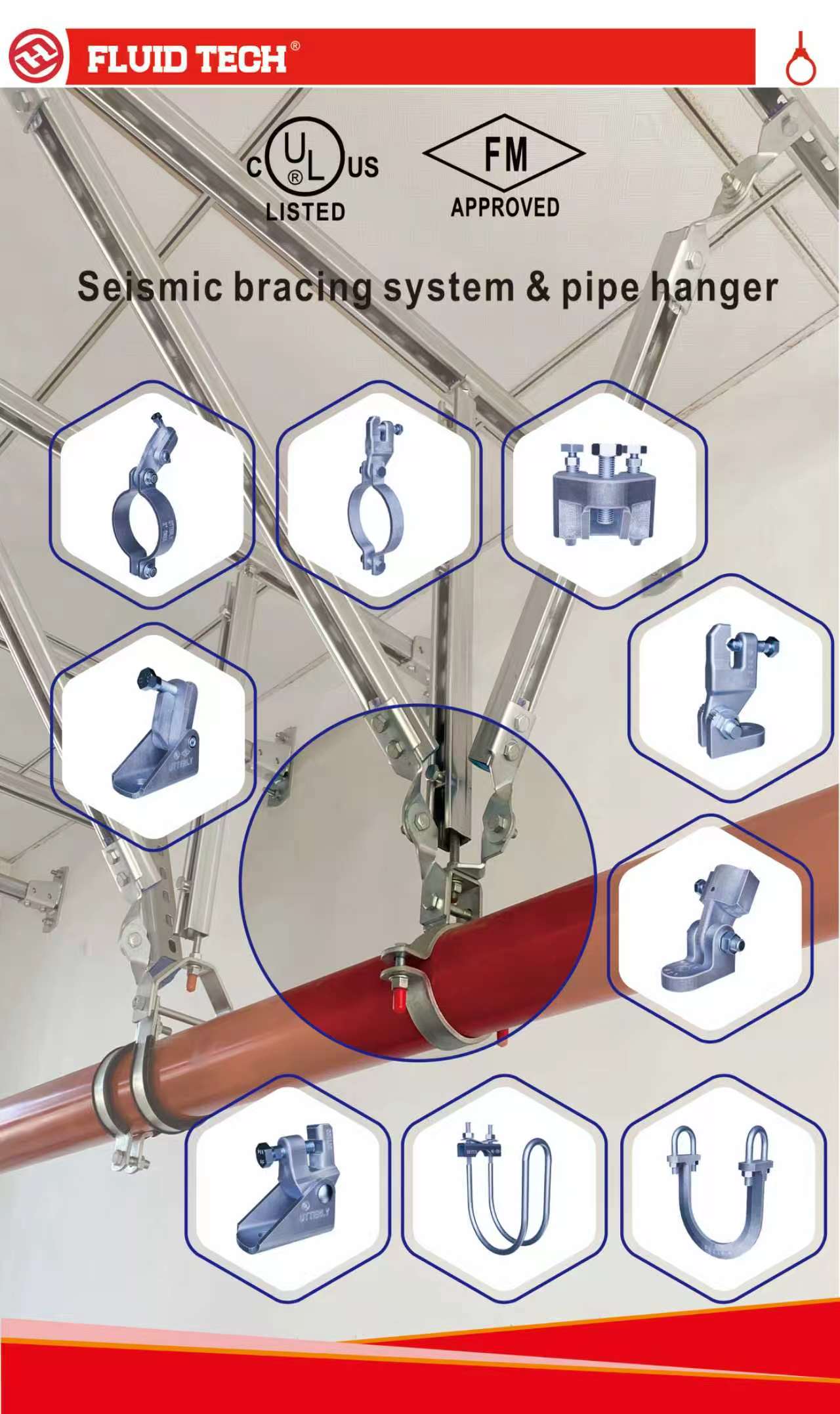
Strong steels work best because of their top pull strength under repeated loads seen in quakes. Rust-proof covers lengthen life in tough spots or near the sea. Fasteners like bolts, washers, nuts, and hangers hold key roles in making sure ties between structure parts are firm.
Hex head bolt is a type of fastener characterized by a hexagonal-shaped head that allows it to be tightened or loosened with a wrench or socket.
Washer is a thin, typically disc-shaped plate with a hole in the center, used to distribute the load of a threaded fastener.
These items ensure power and bend under moving loads when set up right by engineering plans.
How Is Seismic Bracing Installed During a Retrofitting Project?
The setup process changes based on building kind, reach limits, and current state. Teamwork among engineers, builders, and checkers is key for good results.
Pre-installation Assessment and Planning
A full structure check spots weak areas that need strengthening. Tools like 3D models or Building Information Modeling (BIM) help plan exact spots. Working with current utility setups makes sure new braces do not block mechanical or electrical lines during setup.
Execution and Quality Control Measures
Step-by-step setup keeps steady during build stages. It adds braces from bottom levels up. Checks on site confirm right lineup, tie strength, and pull levels in cable setups. Tests that do not harm check material work after setup. This step is key for quality checks in big retrofit jobs.
How Do Codes and Standards Influence Seismic Bracing Practices?
Following set rules makes sure updated structures hit main safety marks set by country or world groups.
Key Regulatory Frameworks Governing Seismic Retrofitting
ASCE 7 lists least design loads for buildings hit by quakes. It brings steady ways in engineering work. AISC 341 gives clear rules just for steel structures’ quake detail needs. Area building rules adjust these world standards to match local ground facts and risk checks.
Importance of Certification and Documentation
Full records keep track through each project part—from plan to last check. They ensure those involved take responsibility. Checked materials prove they meet work standards set by groups like FM or UL listings often used in fire safety hardware making.
Engineering documentation provides traceability throughout the project lifecycle. Proper recordkeeping facilitates future maintenance or upgrades while supporting audit processes related to safety compliance.
Why Choose Fluid Tech Piping Systems (Tianjin) Co., Ltd as a Seismic Bracing Supplier?
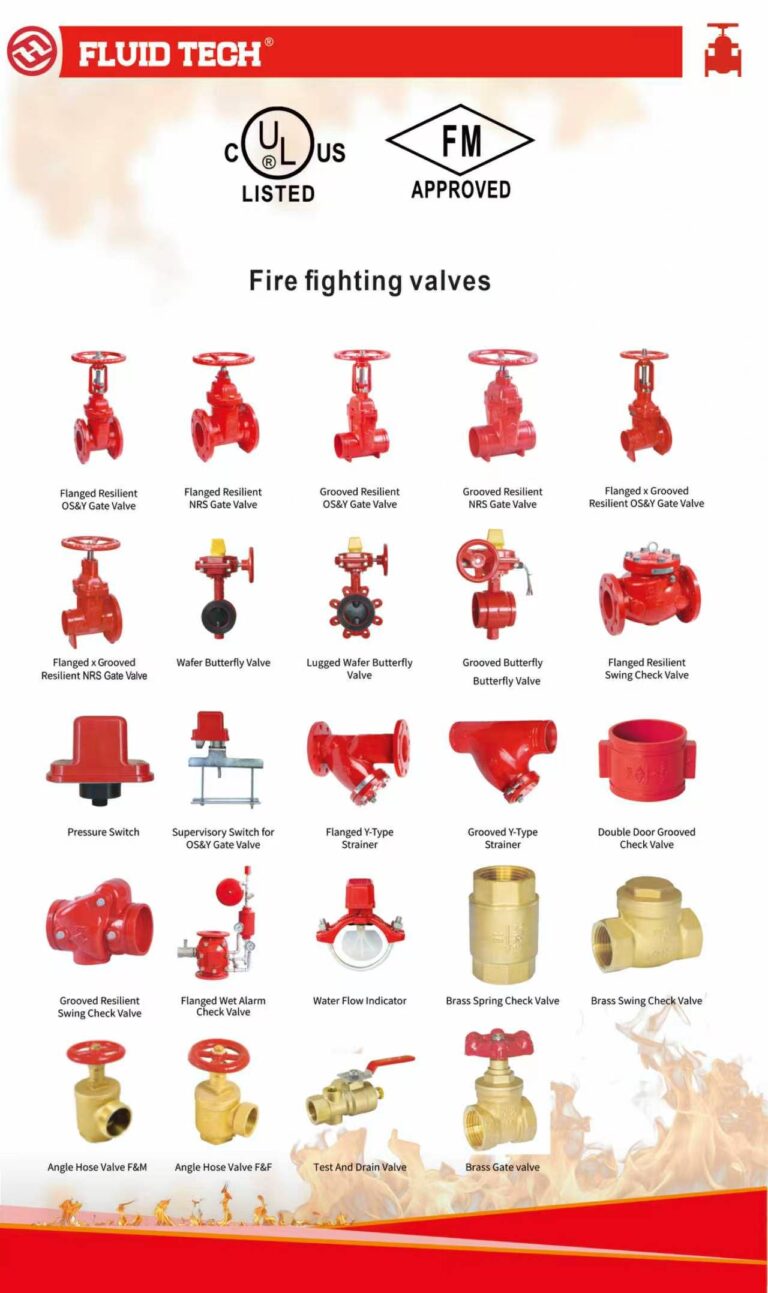
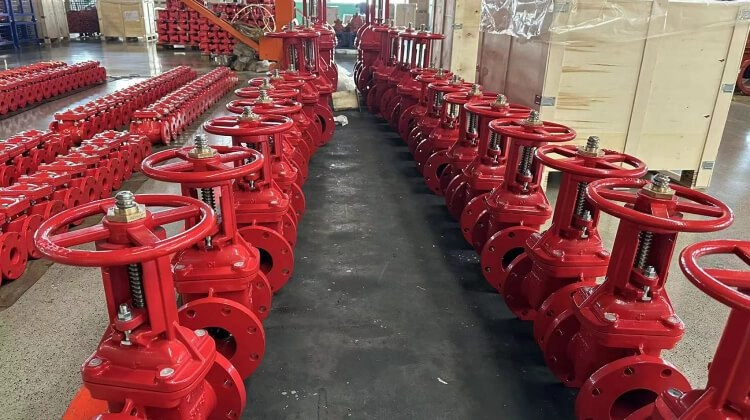
Fluid tech group is the first company in northern China that specializes in the field of fire protection with his own brand -IF grooved coupling and grooved fittings. The company has built itself as a world supplier of good-quality piping setups made for hard tasks like seismic bracing in update projects.
The fire protection products exported by us have passed FM/UL/CE/LPCB/VDS certifications, and the factories involved in the production have passed iso, sgs, and tuv certifications. These certifications prove product trust under key work conditions where machine steady is most important.
Key Advantages of Partnering with Fluid Tech Piping Systems (Tianjin) Co., Ltd
Fluid Tech gives a full set of stiff, cable, and mixed bracing fixes that fit different project needs around the world. Its engineering group offers full help—from idea plan talks to on-site setup advice. This ensures smooth fit into current setup frames. The company’s clear history shows steady supply of lasting parts that meet world code rules. It also cuts costs through one-stop buy services made for build pros everywhere.
Summary of Strategic Benefits Achieved Through Seismic Bracing in Retrofitting
Seismic bracing changes weak buildings into tough ones that can take big ground shakes. They keep working after the event. By smartly strengthening key load paths and boosting bend in joints and ties, updated structures get better energy soak power. This is vital for lasting strength.
Long-Term Value of Structural Retrofitting
Updated buildings gain longer use life from better quake push-back. This comes from new material tech like high-pull steels mixed with rust-proof finishes like electro-galvanization used much in Fluid Tech’s product set.Our aim is to use high-quality products to ensure the safety of the project, use professional knowledge to solve customer questions, and use professional one-stop services to reduce customer costs. This way cuts fix costs after events. It also builds trust in building safety among users. Checks through strict test ways match world standards.
FAQs About Seismic Bracing in Retrofitting
1. What factors determine which type of seismic bracing system should be used?
Choice relies on things like how complex the structure setup is. It also looks at space limits in current designs. Plus, it checks fit between materials for main frame parts versus add-on strengths like braces or holds. And it follows local code orders that set okay force-hold setups per area risk types.
2. Can seismic bracing be added without disrupting building operations?
Yes. Many update plans use step setup orders. They allow work in off times or set-apart areas in used buildings. This keeps down time short while holding steady safety watch during build tasks.
3. How often should a retrofitted structure’s seismic bracing be inspected?
Regular checks every three to five years are suggested. Or do them right after any big quake. These are standard ways to keep sure all parts work well. This includes bolts, hangers,riser clamp is a robust and durable clamp designed for securing riser pipes,and other hold tools key for steady load move over time.