Fire Protection Pipeline System for Reliable Firefighting Water Distribution
A fire protection pipeline system is the pipe network used to transport firefighting water from the water supply to hydrants, sprinkler systems and other fire protection equipment throughout a building or facility. Rather than functioning as a single pipe, the system is made up of multiple coordinated components that work together to provide a continuous and dependable water distribution path when firefighting equipment is activated.
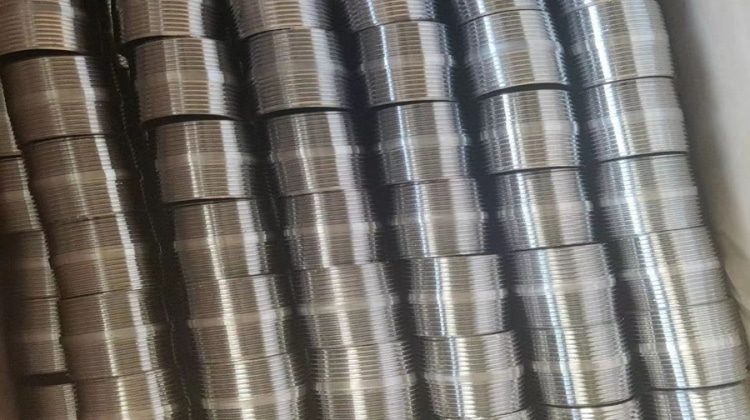
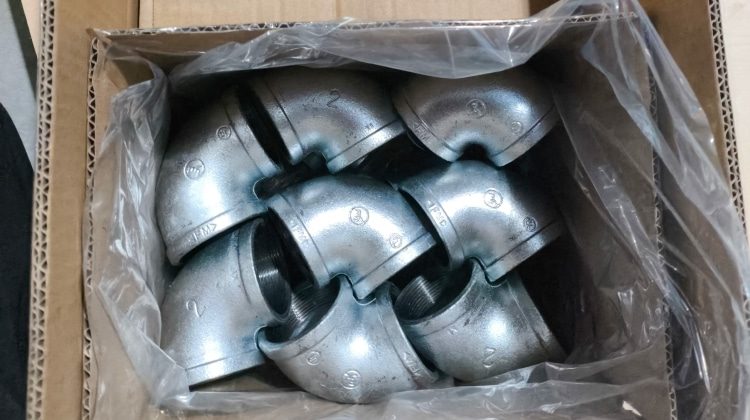
In a typical fire protection installation, steel pipes form the main water transportation network, while fittings, couplings, elbows and tees are used to connect pipe sections, change direction and create branch lines. Valves may be installed to control or isolate different sections of the pipeline, and pipe hangers or other support components help keep the installed pipework properly positioned. The selection of each component therefore affects not only installation efficiency, but also the overall compatibility of the fire protection piping network.
Main Components of a Fire Protection Pipeline System
Depending on the connection method and project requirements, a fire protection pipeline system may use a combination of different pipe and fitting solutions. Common components include:
-
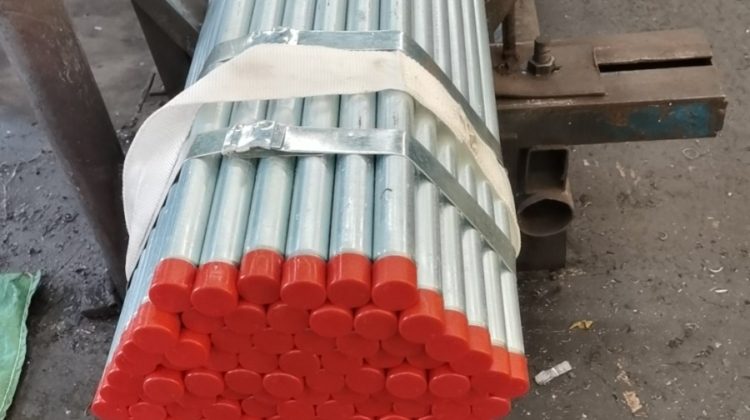
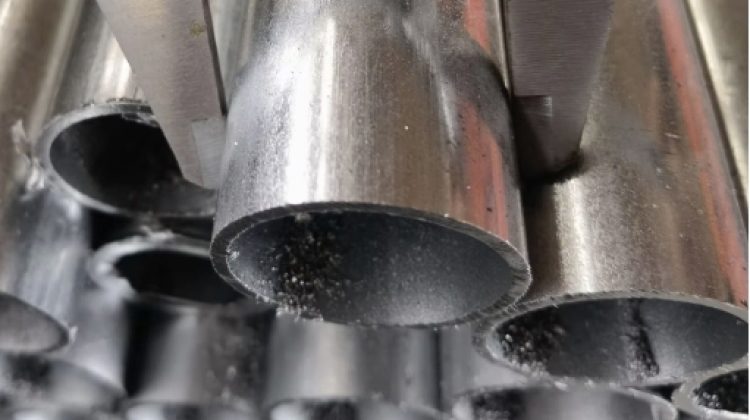
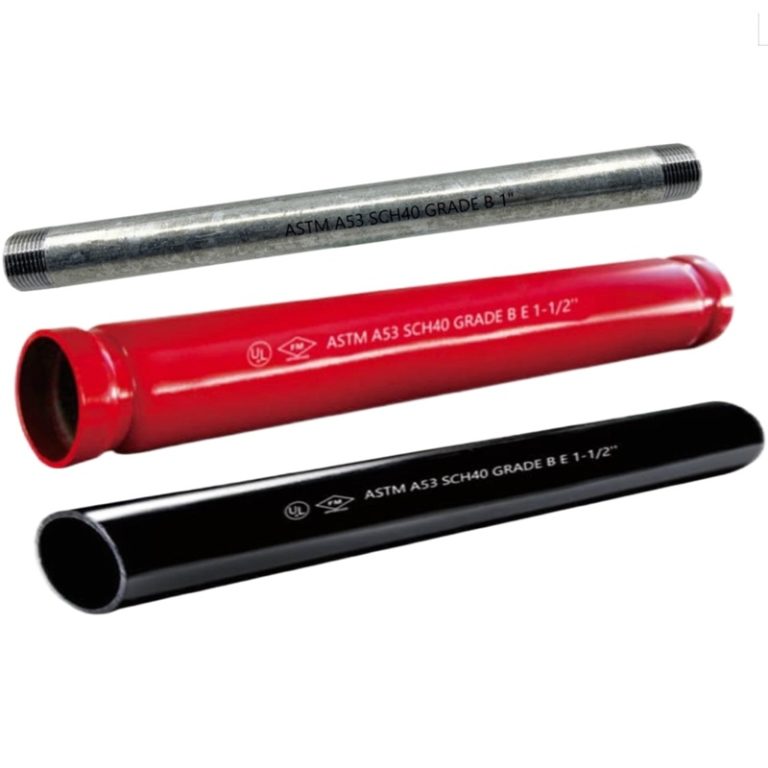
ERW steel pipe for transporting firefighting water through the main pipeline network.
-
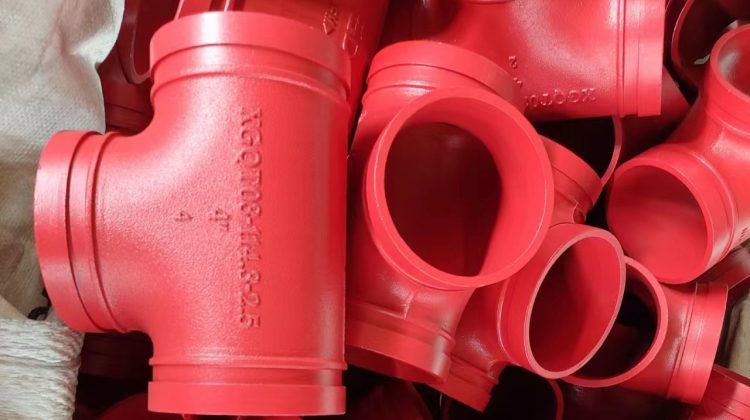
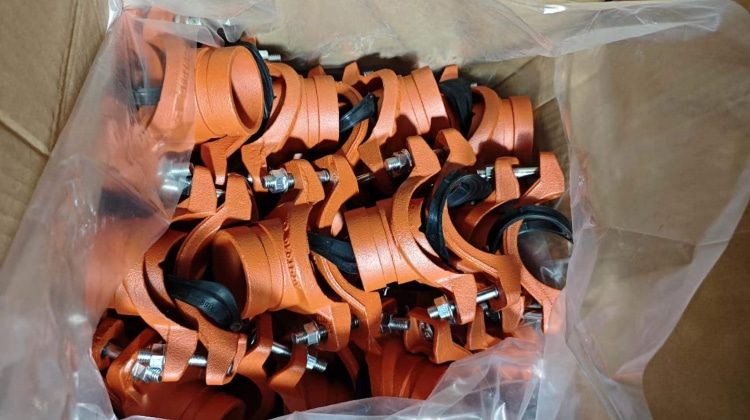
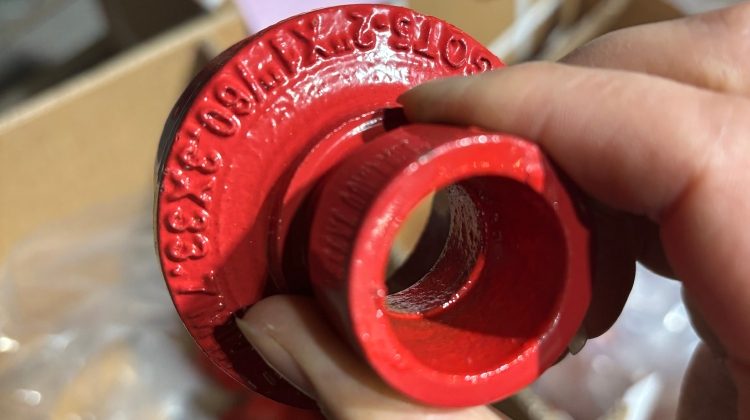
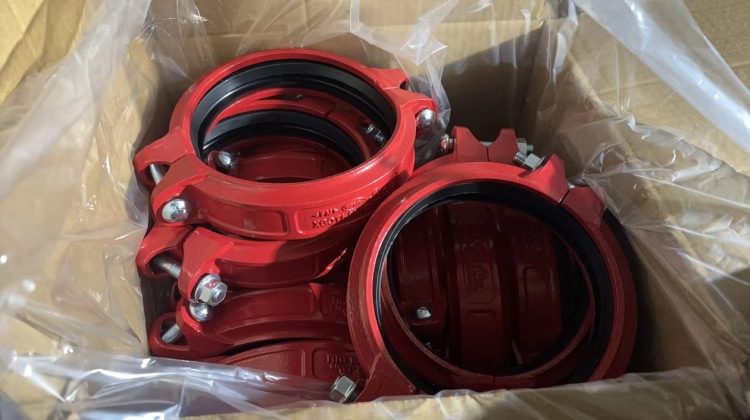
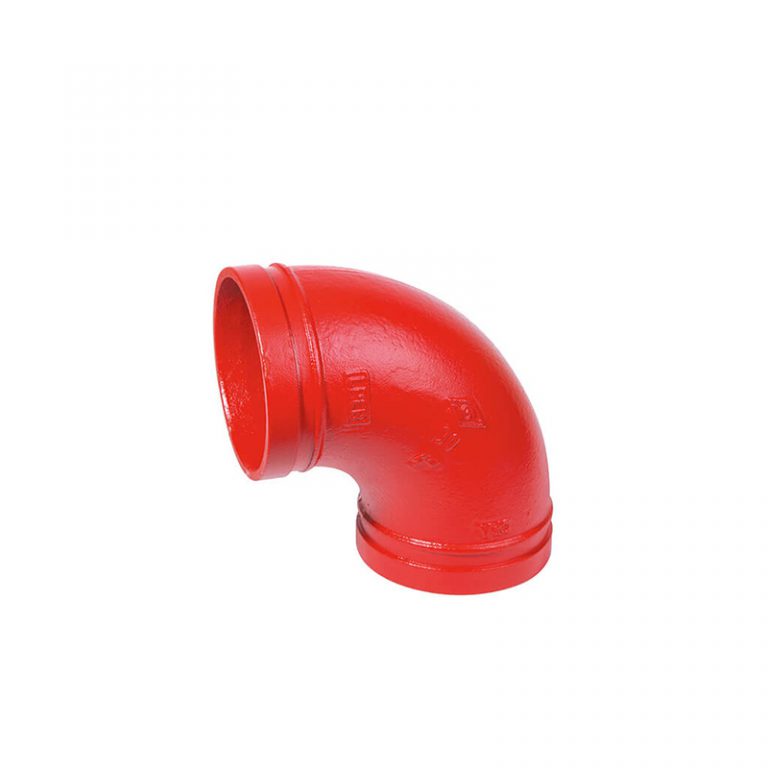
Grooved pipe fittings, including elbows and tees, for connecting pipe sections, changing pipeline direction and creating branch connections.
-
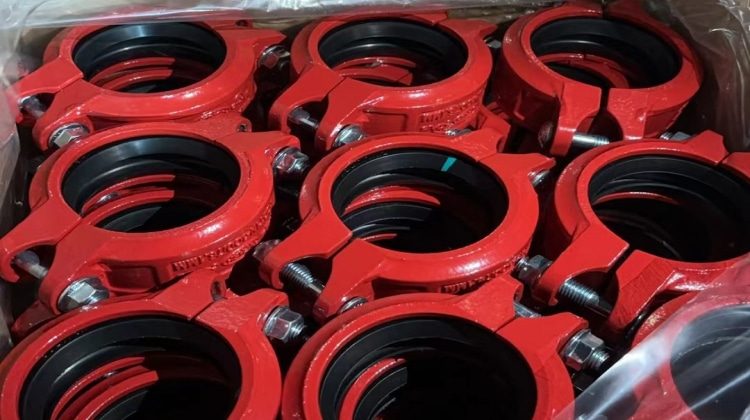
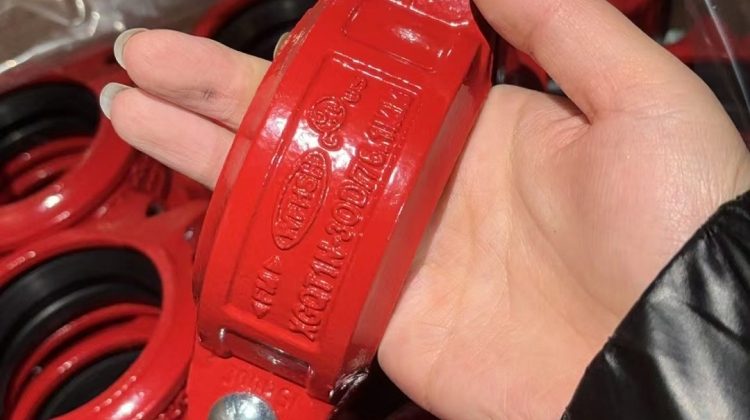
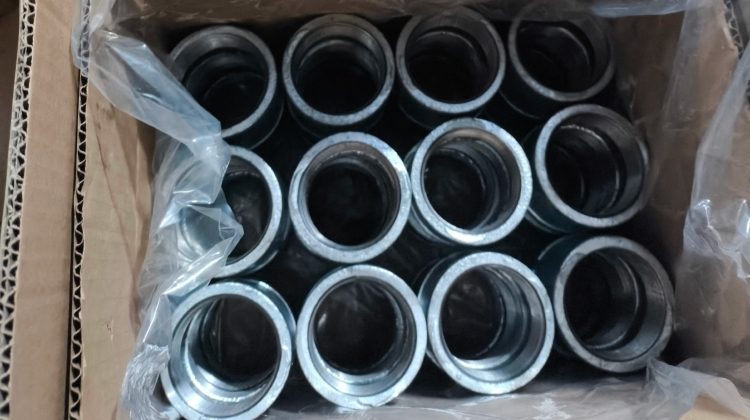
Grooved couplings for joining compatible grooved pipe and fitting sections.
-
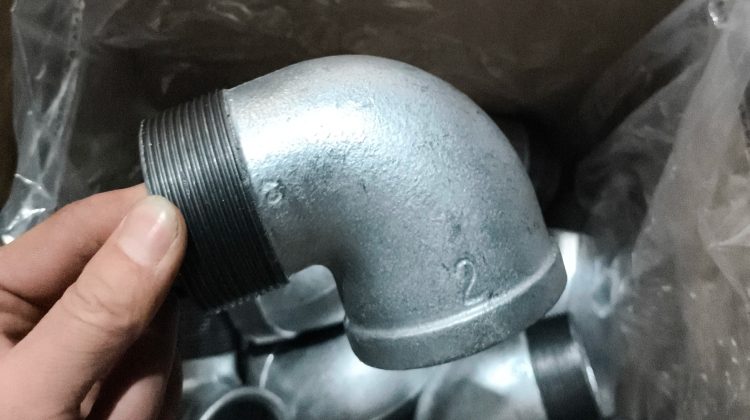
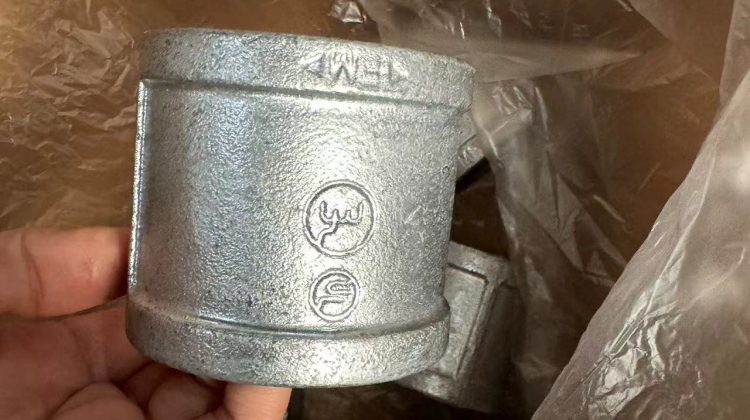
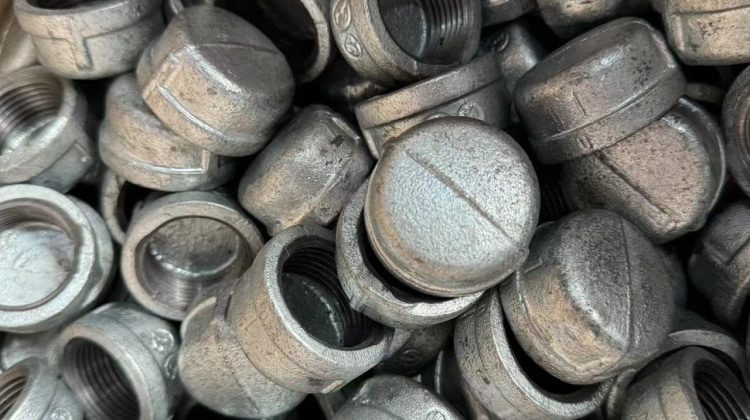
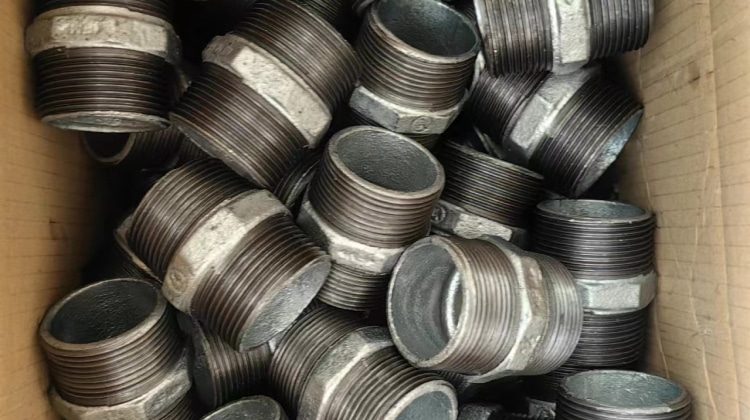
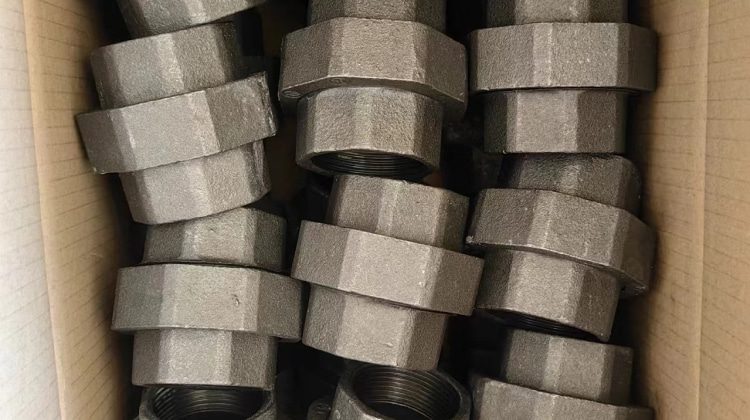
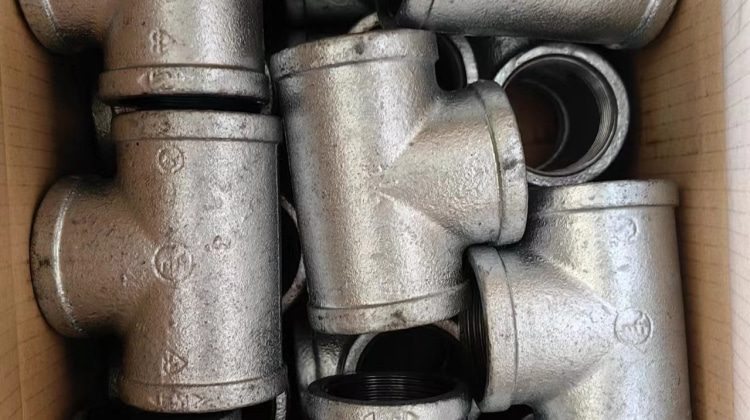
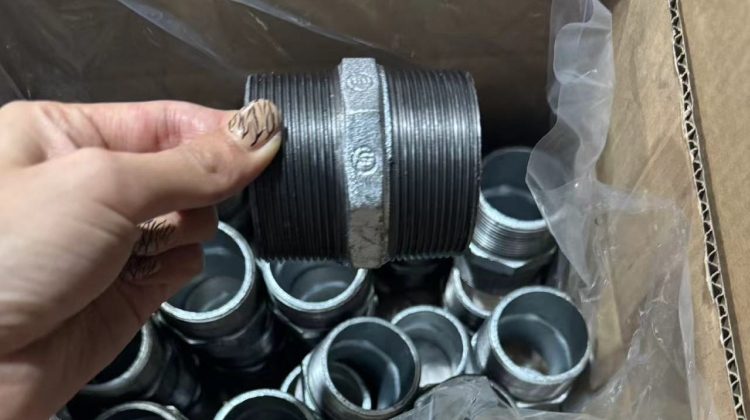
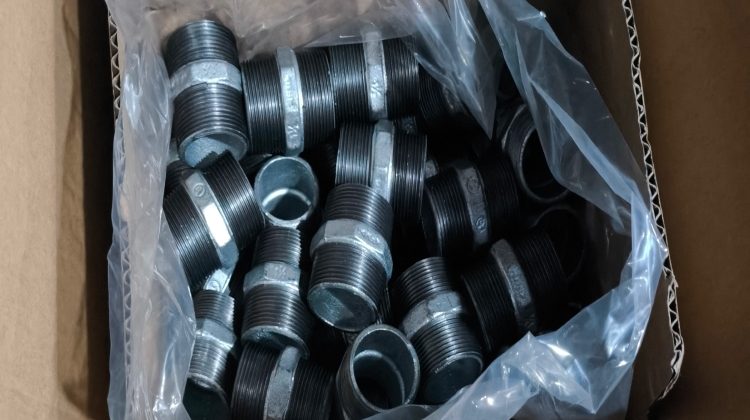
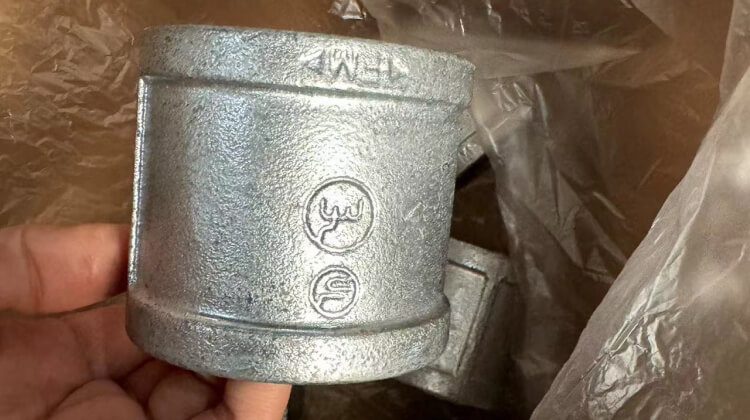
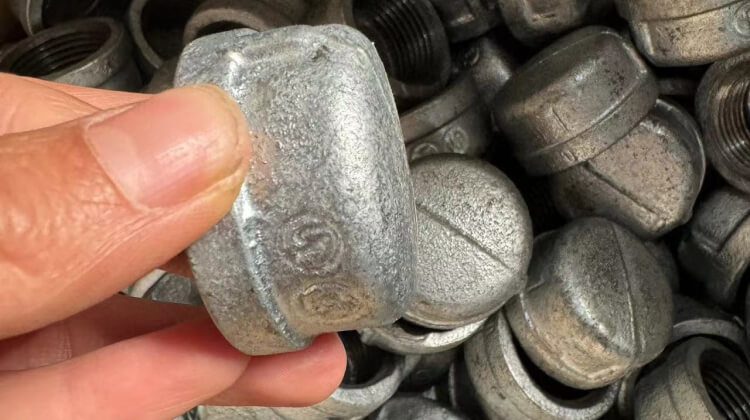
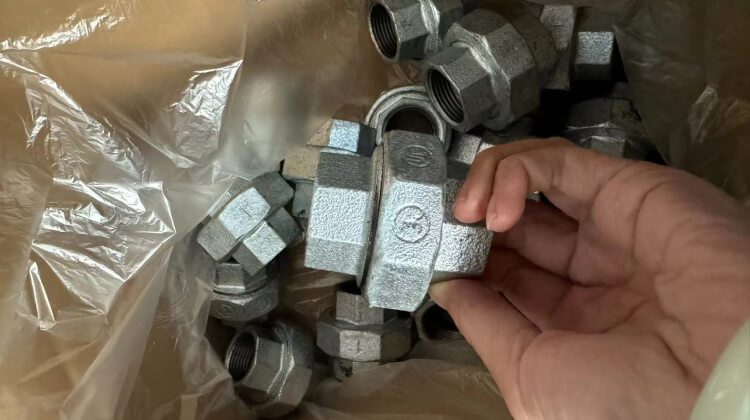
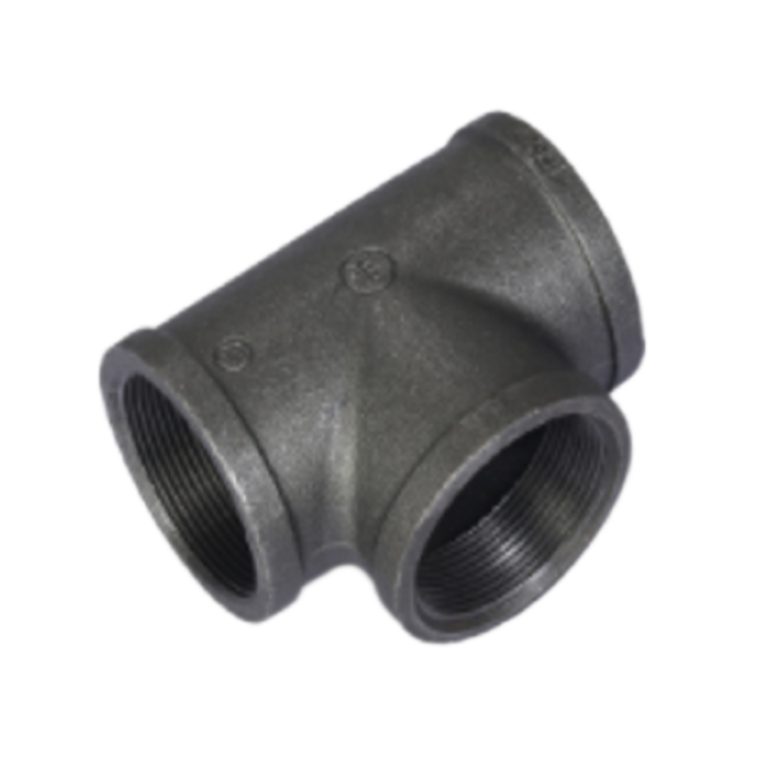
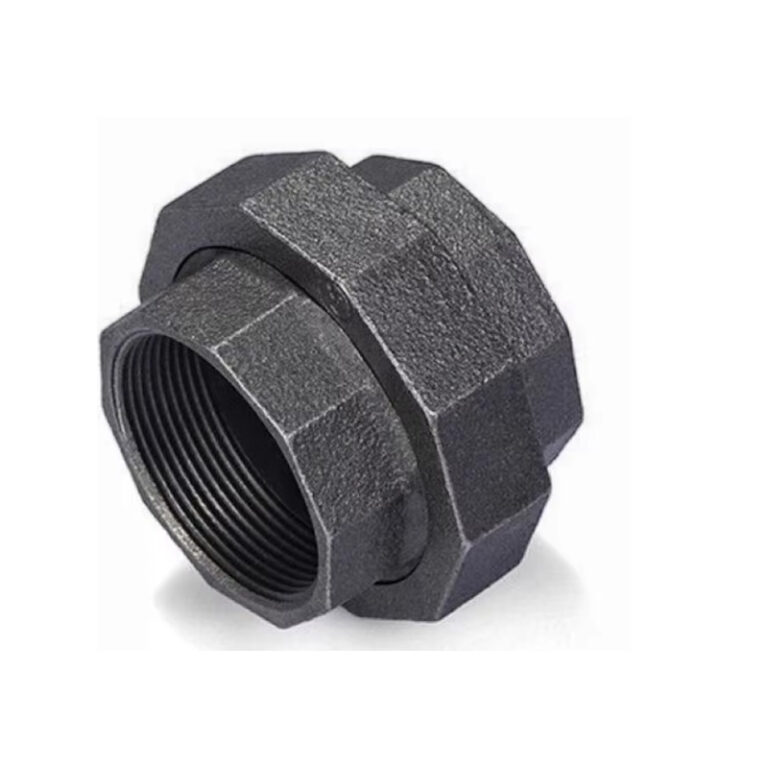
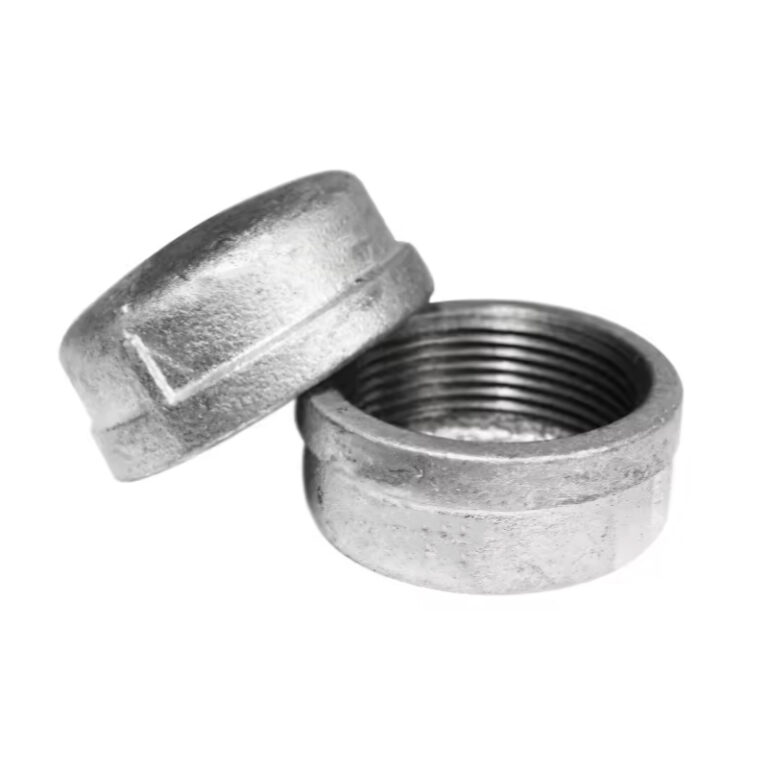
Malleable iron pipe fittings, such as tees, unions and caps, for threaded pipeline connection requirements.
-
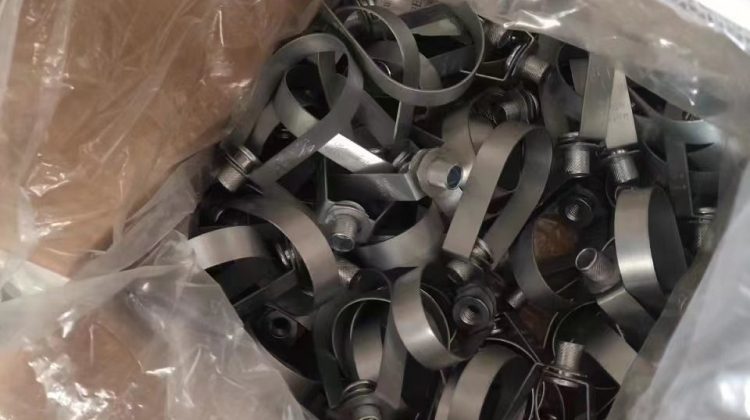
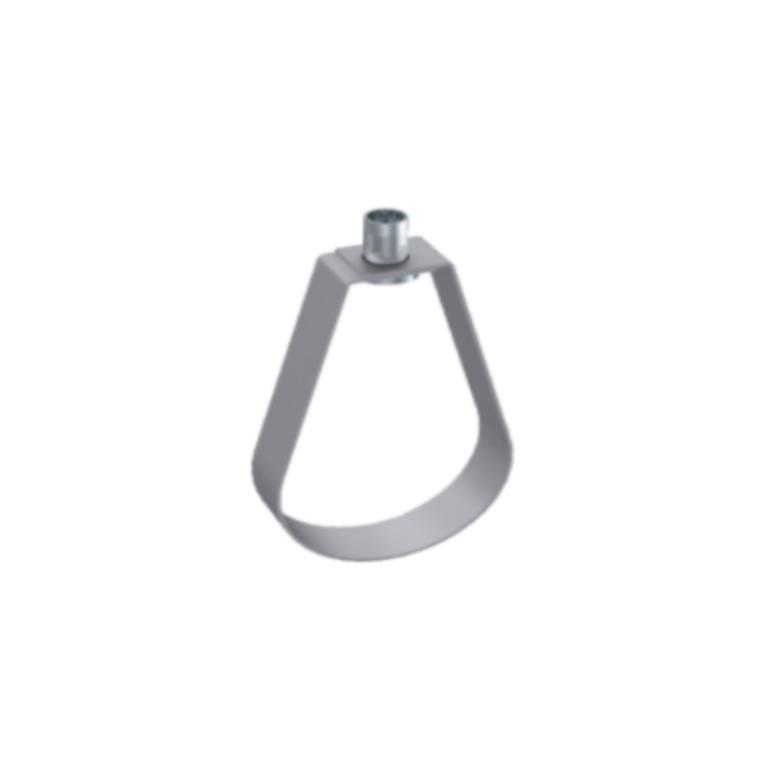
Pipe hangers and support accessories for supporting and securing the installed pipework.
These components should not be selected independently. Pipe diameter, connection type, fitting dimensions, pressure requirements and the applicable project standard need to be considered together. For example, a grooved piping section requires compatible grooved fittings and couplings, while threaded sections may require a different combination of fittings and connection accessories. Confirming compatibility before purchasing helps simplify installation and reduces the risk of mismatched components arriving at the jobsite.
Selection for Different Building and Project Requirements
Fire protection pipeline requirements vary according to the type and scale of the project. Hospitals, hotels, high-rise buildings, warehouses, commercial buildings and industrial facilities may have different pipeline layouts, water distribution points and installation conditions. The required pipe sizes, branch arrangements, connection methods and supporting components should therefore be reviewed according to the actual system design rather than selected from a single standard configuration.
Installation space is another important consideration. Pipe networks often need to coordinate with ceilings, structural elements, ventilation systems, electrical services and other building utilities. Elbows, tees, couplings and hangers make it possible to adapt the pipeline route to the available installation space while maintaining a practical connection between the main pipe network and the required firefighting equipment.
Fire Protection Pipeline Products from Fluid Tech
Fluid Tech supplies a range of products that can be used as part of fire protection pipeline projects, including ERW steel pipe, grooved ductile iron pipe fittings, grooved couplings, elbows, tees, malleable iron pipe fittings, ring hangers and related pipeline accessories. The Related Products section below presents the main product categories currently available for different connection and installation requirements.
For contractors, distributors and project buyers, selecting a complete group of compatible components is often more efficient than reviewing each product separately. When preparing an inquiry, it is helpful to provide the required product type, pipe or fitting size, connection method, applicable standard, quantity and any specific project requirements. This allows the requested product list to be reviewed more accurately before quotation.
If your project requires multiple fire protection pipeline components, Fluid Tech can help review the requested product scope and match suitable pipe, fitting, coupling and support products according to the information provided. For project-specific quantities, hydraulic design requirements, installation responsibilities, delivery schedules or acceptance requirements, the relevant information should be confirmed according to the actual project documentation before final selection.