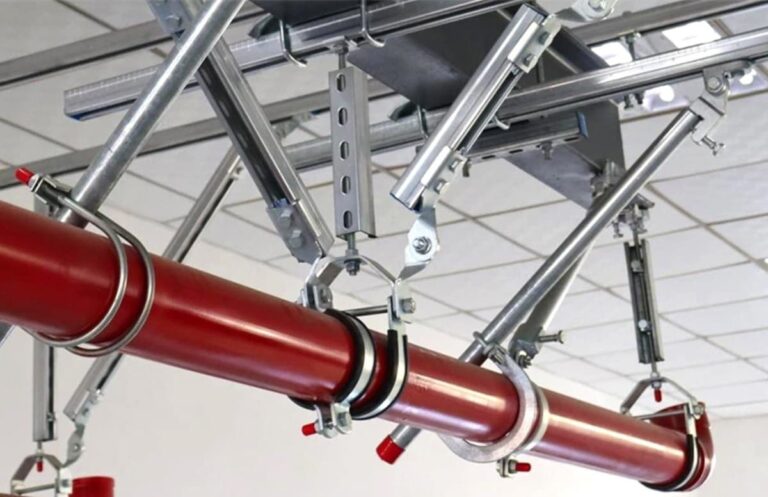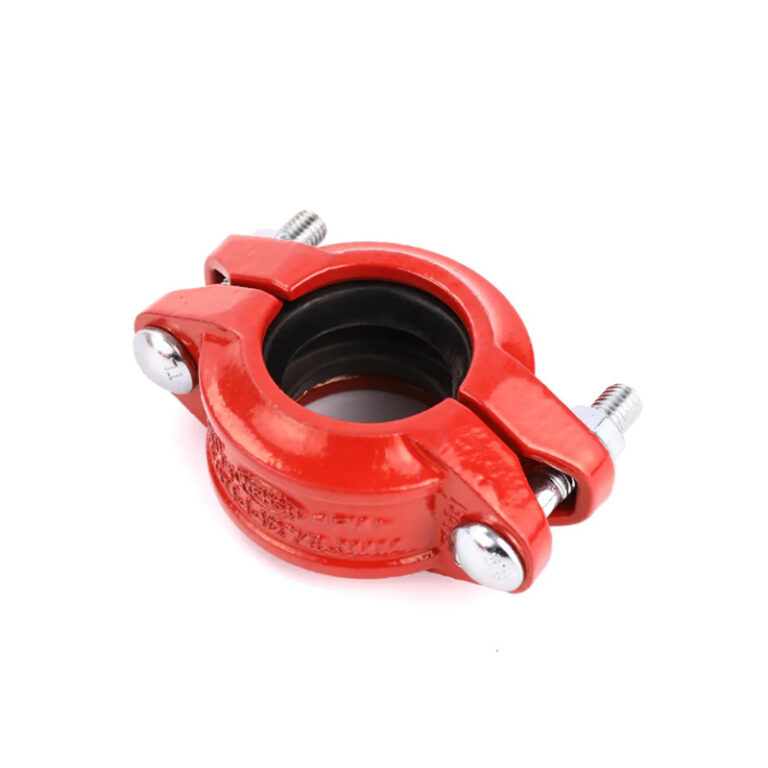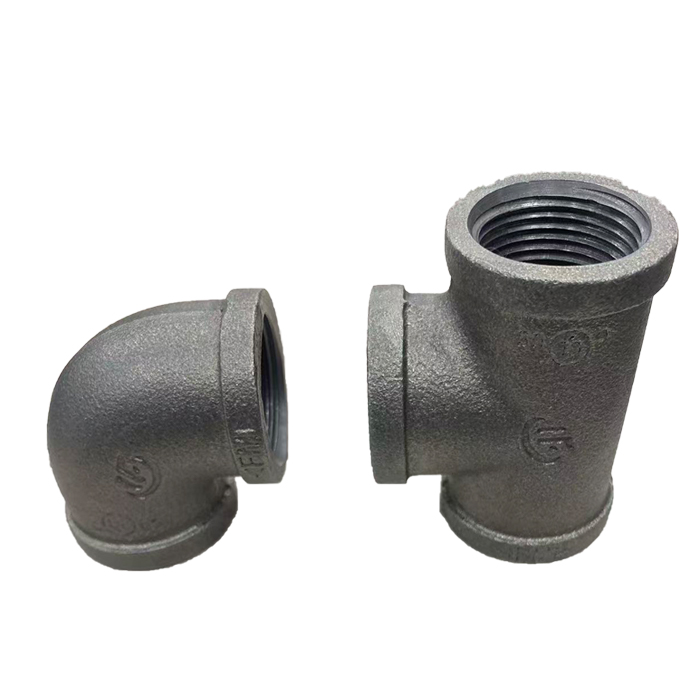
A fire-safety valve with a fusible link serves as an automatic thermal shutoff device. It aims to cut off pipelines that transport flammable or hazardous fluids. This occurs when the device encounters high temperatures. Such valves hold great importance in industrial safety systems. They function as passive protective barriers. These barriers automatically halt the movement of fuel, gas, or chemicals in fire situations. In turn, they stop the situation from worsening and avoid harm to equipment.
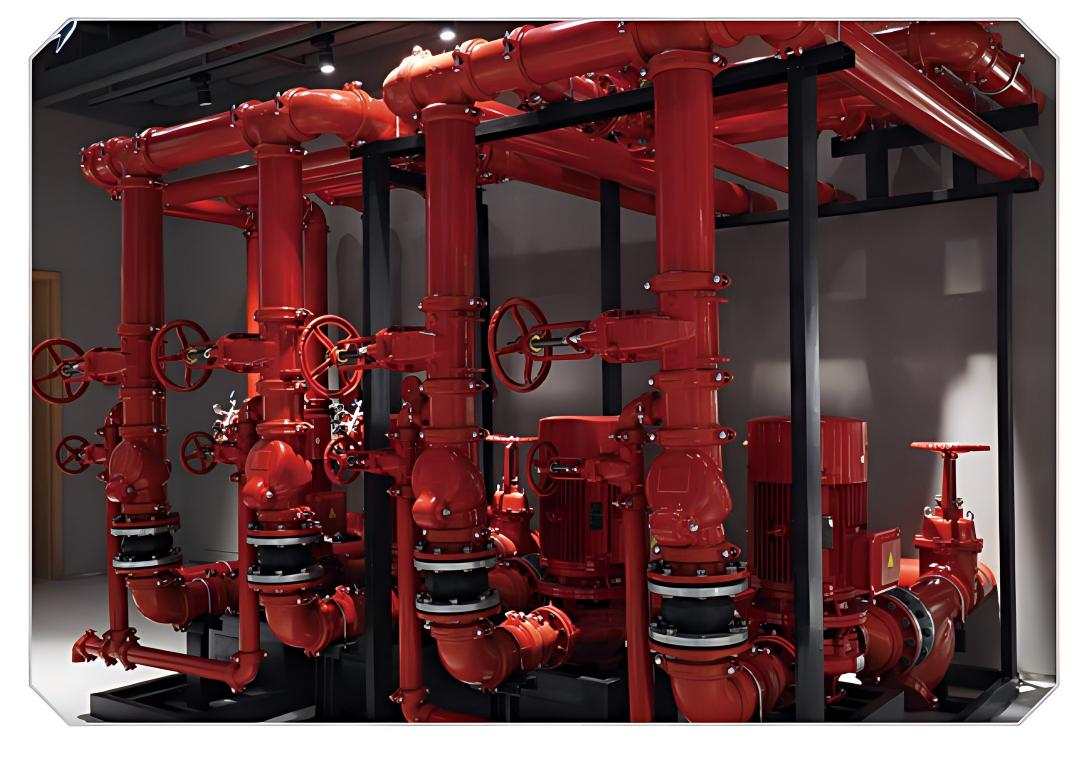
Key Components of a Fire-Safety Valve
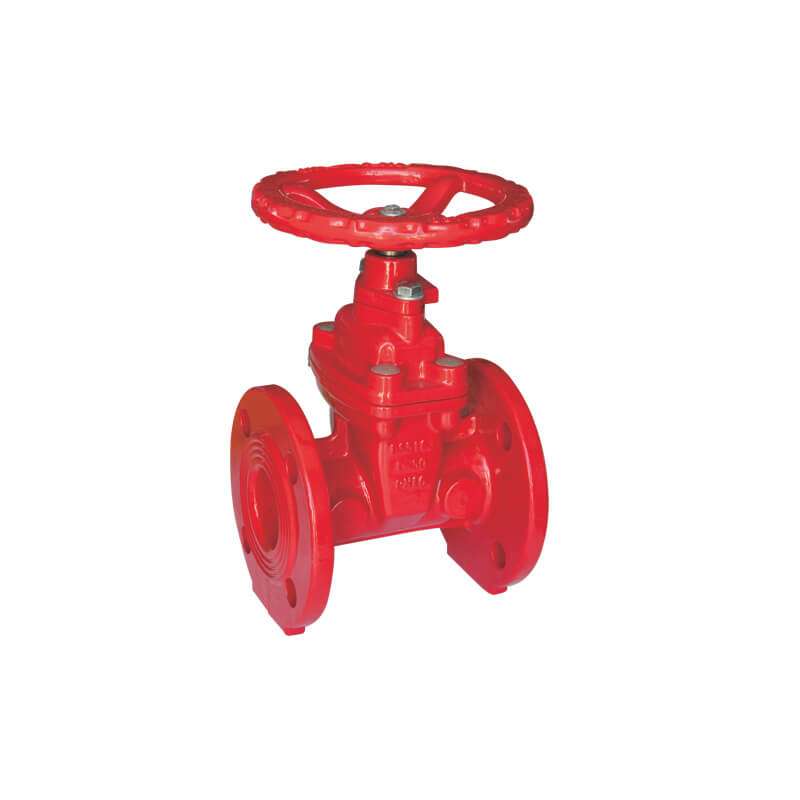
- Valve Body: This forms the main framework. It links to the piping system. It also contains every internal part. The body needs to come from materials that resist heat. These materials must endure severe fire scenarios.
- Fusible Link: This is a part that reacts to temperature. It is built to melt at a particular level. That melting starts the mechanical closing of the valve.
- Actuator Mechanism: It changes the melting of the fusible link into movement. This movement seals the valve without delay.
- Sealing Elements: They deliver firm shutoff results. This keeps leaks from happening, even with strong pressure and heat.
Common Types of Fire-Safety Valves
- Spring-Loaded Valves: They make use of saved spring power to seal. This happens right after the fusible link melts.
- Lever-Operated Valves: They apply mechanical advantage for swift sealing. Folks commonly use them in pipelines with wide diameters.
- Motorized Valves with Thermal Release: They blend electric operation with fusible-link starters. This setup offers two layers of operational safety.
How Does the Fusible Link Mechanism Operate in Fire Conditions?
The fusible link mechanism works like an automatic heat starter. When the air temperature climbs over its set melting level, the link falls apart. As a result, it frees up stored mechanical power. That power cuts off the fluid movement at once. This setup runs by itself. It guarantees dependability. And it does not rely on outside power supplies.
The Role of Temperature Thresholds
Builders craft each fusible link to melt in a defined span. That span often sits between 70°C and 165°C. The exact choice hinges on the surroundings and process setups. Choosing the right temperature threshold proves crucial. It makes sure the device starts up promptly in actual fire cases. Meanwhile, it prevents early starts during routine tasks. To explain further, the threshold balances quick response with everyday stability. Designers consider factors like nearby heat sources and expected fire risks. This careful selection helps the valve serve its purpose without false alarms. In practice, many installations use links rated around 135°C for common industrial spots. Such choices match typical fire growth patterns. Overall, the threshold directly affects how well the safety system holds up in tough moments.
Sequence of Operation During Fire Exposure
- Heat from flames or radiant energy boosts the air temperature close to the valve.
- The fusible alloy within the link starts to get soft. Then it melts at its adjusted point.
- The melting sets free the actuator or spring setup.
- The valve seals on its own. This cuts off dangerous lines. It also blocks fire from growing.
Why Are Fire Valves with Fusible Links Critical in Industrial Safety Systems?
Fire-safety valves fitted with fusible links play a vital role. They deliver self-running protection against major disasters. They do this without needing people to step in or electrical help. Their skill to work alone keeps safety steady. This holds true even when power setups break down in crises. In short, these valves add a layer of assurance. They respond fast to heat threats. And they do so in places where quick action saves lives and property. Many industries count on them for this reason. Without such devices, risks would climb sharply during unexpected fires.
Applications Across Industries
Experts apply these valves broadly in areas that manage burnable items:
- Oil and Gas Facilities: They cut off hydrocarbon transfer lines in refineries or terminals.
- Chemical Processing Plants: They limit the flow of risky chemicals in fire times.
- Marine and Offshore Installations: They guard tight engine spaces or fuel setups from fire spread.
Advantages in Safety Design Integration
Fitting these valves improves following worldwide fire safety rules. Examples include API 607 and NFPA rules. They lessen the call for hands-on involvement. They also strengthen backup options in Safety Instrumented Systems (SIS). Further, they secure speedy containment actions in urgent situations. To add detail, integration often involves placing valves at key points in the layout. This setup allows for better flow control. It also aligns with overall emergency plans. As a result, facilities meet inspection needs more easily. And they lower the chance of big losses from fires.
How Should Fire-Safety Valves Be Installed and Maintained for Optimal Performance?
Sound installation and upkeep habits make sure fire-safety valves work well in urgent cases. Matching up with rule-based standards matters for lasting system soundness.
Installation Considerations
Set up valves in places easy to access. This supports checks or hand overrides when called for. The setup direction should match the flow signs on the body. That way, sealing works right. Steer clear of spots near heat from non-fire causes. Those could spark early action in fusible links. In addition, consider the pipe size and pressure ratings during setup. Proper tools help avoid stress on joints. Teams often test the full line after installation. This confirms no leaks exist before full use. Such steps build confidence in the system’s readiness.
Maintenance Practices for Long-Term Reliability
Steady checks are key to spotting rust, dirt pile-up, or part wear. According to “Regular inspections of these valves are essential to maintain system integrity, prevent failures, and ensure compliance with safety standards.” From time to time, run functional tests. These verify the actuation holds up. They do so without hurting seals. If fusible links meet raised temperatures, swap them out quickly. This keeps their precision. Moreover, keep records of each check. Log any changes or replacements. Train staff on spotting signs of trouble. This proactive approach cuts downtime risks. It also extends the life of the valves in daily operations.
Who Is FLUID TECH PIPING SYSTEMS (TIANJIN) CO., LTD and Why Are They a Reliable Supplier?
Fluid tech group stands as the initial firm in northern China. It focuses on fire protection fields with its own brand -IF grooved coupling and grooved fittings. Back in 2018, it formed FLUID TECH PIPING SYSTEMS (TIANJIN) CO., LTD. This resulted from teaming up with foundries and pipe fitting producers. The aim was to grow into world markets. The firm supplies complete procurement help for building outfits globally.
Their goods have earned FM/UL/CE/LPCB/VDS certifications. This brings worldwide quality nods. Our goal stays simple. We employ fine products to guard project safety. We draw on skilled insights to tackle client issues. We offer skilled full-service aid to trim client spending. Beyond that, the company invests in research for better designs. It also builds strong ties with partners abroad. These efforts make sourcing smoother for buyers. Clients value the consistent support from start to finish.
Key Strengths of FLUID TECH PIPING SYSTEMS (TIANJIN) CO., LTD
- Established know-how in exact casting methods for thermal-actuated valves.
- Adherence to ISO, SGS, TUV certifications that secure uniform product standards.
- Worldwide shipping skills that aid prompt supply for major projects.
- Full-range technical aid spanning design talks to post-sale help.
What Are Common Challenges Faced When Using Fusible-Link Fire Valves?
Even with their sturdy build, outside conditions can harm ongoing dependability. This happens if handlers do not manage exposure correctly.
Environmental Factors Affecting Performance
Biting air can wear down metal pieces as time passes. Dust or oil stacks might block actuator shifts. Ongoing heat rounds close to melt levels can sap strength from fusible stuffs. This can cause late starts.
Mitigation Strategies
To fight back against these problems:
- Put on coatings that fend off rust. Or pick stainless-steel stuffs.
- Set routine cleaning times near valve groups.
- Swap worn links at set intervals. Do this before breakdown hits function.
How Can System Designers Optimize Fire Protection Using Fusible-Link Valves?
Thoughtful fitting boosts the whole system’s toughness. It does this by setting valves well in process plans.
Strategic Placement Techniques
Mount valves by spark-risk spots such as burners or heaters. Set them on main fuel paths for quick cut-off power. Mix them with hand seal devices in stacked guard plans.
Integration with Broader Safety Systems
Tie valve state signs to control-room watches. This brings instant sight in urgent times. Line up start levels with sprinkler setups. This yields matched replies that lift containment strength. Backup schemes with paired-valve setups on key paths add more guard solidity. To expand, designers often map out fire paths in advance. They place valves to block those paths early. Software tools help simulate scenarios. This refines choices for best coverage. Teams also review past incidents. Such reviews guide updates to placements. In the end, this method creates robust networks that adapt to various threats.
Conclusion: Enhancing Industrial Safety Through Intelligent Valve Design
Fire-safety valves loaded with fusible links create a must-have shield in industrial spots that handle burnable stuffs. Their hands-off but prompt move guarantees hold-back under harsh heat hits. They manage this without leaning on outside power feeds. When fitted properly into larger safety frames, they excel. Certified sellers like FLUID TECH PIPING SYSTEMS (TIANJIN) CO., LTD prop them up. These tools bring peerless dependability. They shield goods, staff, and setups in industries everywhere.
FAQs
Q1: What temperature range do typical fusible links operate within?
A1: Most standard fusible links melt between 70°C and 165°C depending on application requirements.
Q2: Can a fire-safety valve be reset after activation?
A2: No; once activated by melting of its fusible link, replacement is necessary before reactivation since it cannot be reused.
Q3: Are there regulatory standards governing fusible-link fire valves?
A3: Yes; API 607 outlines testing requirements for fire-safe valves while NFPA provides installation guidelines applicable across industrial safety systems.