
Top grooved coupling & pipe fittings trends for 2026 high-rise projects continue to prioritize rapid joint assembly, improved seismic tolerance, and effective management of extended vertical runs as contractors pursue bids on progressively taller and more intricate structures. High-rise developments maintain strong momentum in key urban markets, with fire protection piping depending predominantly on grooved technology to satisfy compressed timelines and rigorous approval processes. Grooved couplings and fittings reduce field installation duration markedly compared to welded methods, frequently achieving 30 to 50 percent savings across riser and main segments. The method confronts recurring difficulties in vertical construction: prolonged standpipe drops that intensify water hammer effects, thermal movement spanning multiple stories, seismic displacement in designated zones, and persistent requirements to minimize labor exposure at height. Contractors engaged in 50-story commercial cores, residential towers, or data center verticals face these conditions on a regular basis. This examination details five primary trends influencing grooved couplings and pipe fittings in 2026 high-rise applications, together with sourcing practices that facilitate acquisition of components matching project criteria while containing expenses and potential setbacks.
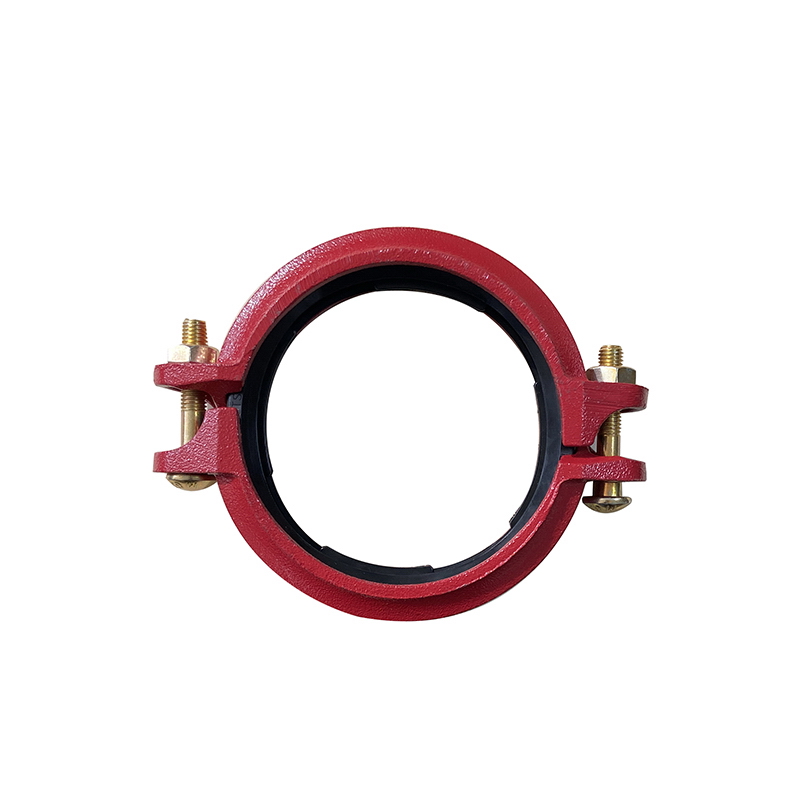
Overview of Grooved Coupling & Pipe Fittings Trends in 2026 High-Rise Projects
Multiple elements converge to shape the 2026 environment for grooved couplings and pipe fittings in high-rise fire protection. Tower construction persists at pace in North American and Asian city centers, where sprinkler and standpipe networks require dependable, expeditious piping solutions. NFPA 13 stipulations retained from preceding cycles underscore flexible couplings for risers exceeding 30 feet, sufficient penetration clearances, and bracing to restrain stresses from differential floor shifts. Seismic design categories in numerous areas mandate supplementary restraint, directing grooved systems toward configurations that tolerate movement without seal compromise.
Installation speed constitutes a central priority. Teams on high-rise sites contend with restricted access, weather interruptions, and elevated work constraints. Grooved connections remove hot work, decrease dependence on specialized welding personnel, and enable modular progression that advances through demanding schedules. Industry observations place grooved fittings in a leading position for fire protection use, commonly surpassing 50 percent of new vertical installations. These developments assist contractors in compressing critical path durations, curtailing rework frequency, and producing systems that clear pressure testing and authority reviews with reduced iterations.
Trend 1: Seismic-Resistant & Flexible Grooved Couplings
Seismic demands grow more prominent in 2026 high-rise documentation, especially within higher seismic design category locations. Flexible grooved couplings permit axial, lateral, and angular displacement while sustaining joint performance during events. Gaskets in these couplings accommodate repeated flexure without pressure loss, frequently combined with riser anchors or sway bracing to manage excessive oscillation.
In a standard 50-story riser, rigid joints face elevated fracture risk from inter-floor motion. Flexible alternatives alleviate that concern by permitting limited deflection—typically 0.25 inches per coupling in many certified designs—while retaining pressure capabilities up to 300 psi and beyond. Observations from earlier seismic incidents indicate that appropriately braced grooved risers exhibit lower post-event leakage rates than rigid counterparts. Contractors note accelerated inspection passage when couplings include verified seismic performance records.
Sourcing concentrates on listings with FM and UL approvals incorporating seismic qualifications. Suppliers must furnish test documentation demonstrating adherence to applicable loading and vibration protocols. Aligning coupling type with the assigned seismic design category avoids submittal rejections and prevents expensive on-site adjustments.
Trend 2: Larger Diameter Grooved Fittings for High-Rise Risers & Mains
Tall structures necessitate increased hydraulic capacity in standpipes and sprinkler risers, prompting greater reliance on grooved fittings in 8-inch through 12-inch sizes. Expanded mains supply multiple levels with reduced transitions and lower friction losses over substantial heights.
Manufacturing precision assumes greater importance at these dimensions. Ductile iron grooved elbows, tees, reducers, and caps require accurate tolerances to achieve proper gasket compression and alignment without undue effort. Contractors placing 10-inch grooved cross mains in a 60-story core encounter fewer alignment difficulties and quicker joint completion when fittings originate from operations equipped with sophisticated casting and machining.
Procurement requires confirmation of supplier tooling and inventory for oversized diameters, as availability varies across manufacturers. Delivery periods extend during construction peaks. Order minima generally accommodate high-rise quantities, though advance commitment assists in stabilizing costs against material price shifts.
Trend 3: Prefabricated & Modular Grooved Assemblies
Prefabrication advances steadily in 2026 high-rise work as contractors transfer labor away from the building envelope and decrease exposure during elevated phases. Modular grooved assemblies encompass factory-prepared riser sections, pre-joined branch takeoffs, and spool configurations incorporating couplings, elbows, and tees.
A 40-story riser delivered in 10-foot to 20-foot prefabricated modules connects in the field with minimal additional grooving or coupling. Shop conditions yield uniform quality through calibrated equipment and pre-shipment hydrostatic verification. On-tower crews perform less joining at height, diminishing safety exposures and weather dependencies.
Sourcing demands suppliers proficient in BIM modeling and shop drawing development. Transport logistics for lengthy modules require precise planning to prevent transit damage. Contractors gain from partners capable of suggesting module sizing adjustments to accommodate shaft dimensions or story heights.
Trend 4: IoT-Enabled Monitoring in Grooved Systems
Sensor incorporation within grooved systems surfaces as an emerging direction for 2026 high-rise installations. Torque-sensing couplings, joint-level pressure transducers, and vibration monitors transmit information to cloud interfaces for ongoing condition evaluation.
In a high data center riser, persistent surveillance identifies incipient loosening or pressure deviations, permitting intervention prior to leakage. The capability aids regulatory record-keeping by capturing performance metrics across the structure’s service period. Contractors value the decrease in occupancy-phase service interruptions when alerts prompt routine checks instead of urgent repairs.
Procurement emphasizes hardware that preserves FM and UL certifications alongside IoT functionality. Open platforms reduce dependency on closed ecosystems that hinder later modifications. Specifications progressively incorporate connectivity requirements to facilitate comprehensive building oversight.
Trend 5: Sustainable & Low-Carbon Grooved Materials
Green criteria surface with greater regularity in high-rise procurement, notably for developments seeking environmental certifications. Grooved fittings featuring reduced-emission finishes, elevated recycled ductile iron content, and documented lifecycle impacts address these expectations.
Developers and owners prefer components that diminish embodied carbon while upholding operational standards. Long-lasting, corrosion-resistant surfaces prolong usability, decreasing replacement cycles. Contractors weigh full lifecycle expenses, recognizing that modest upfront differences frequently balance through insurance considerations and owner directives.
Sourcing entails obtaining environmental product declarations and material provenance records. Suppliers supplying verifiable carbon data support contractors in satisfying submittal and certification processes.
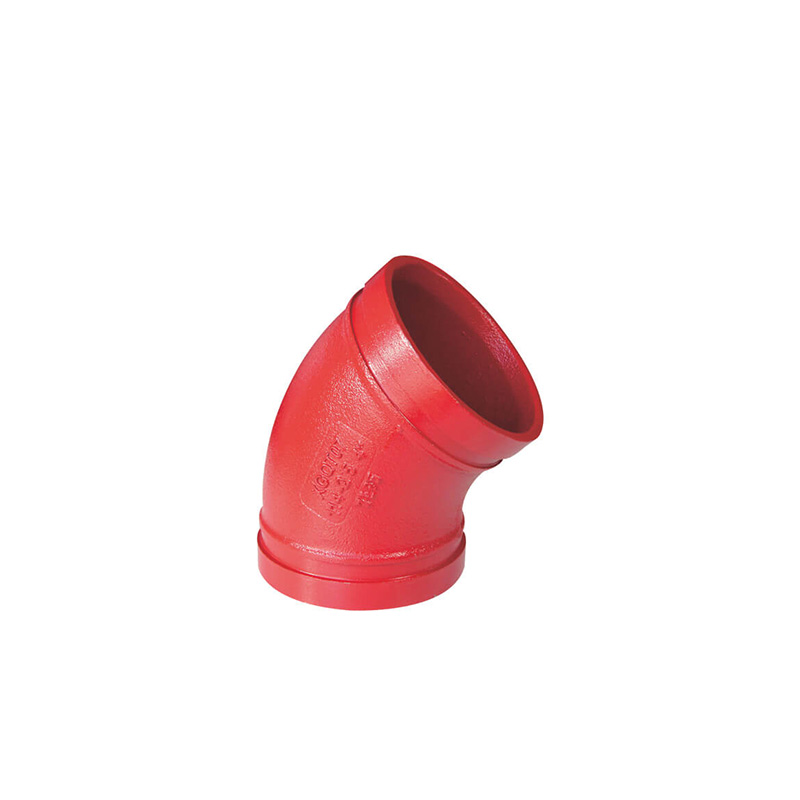
Ultimate Sourcing Guide for 2026 High-Rise Projects
Supplier review proceeds through systematic criteria. Certifications establish the baseline—FM and UL for North American high-rise compliance, LPCB for UK applications, VDS for European projects. Correspondence to the controlling authority prevents documentation rejections.
Capacity governs delivery consistency, particularly for oversized fittings and modular units. Specialized production lines manage volume requirements reliably. Minimum orders for grooved couplings and fittings align with typical high-rise packages, with larger scopes benefiting from customized terms.
Supply chain dependability supports demanding vertical schedules. Centralized distribution and diversified carriage maintain timeline adherence. Pricing agreements with protection mechanisms mitigate commodity volatility.
Frequent difficulties arise from seismic listing mismatches, insufficient performance documentation for flexible couplings, and incompatibility in prefabricated components. Suppliers providing fabrication details, reference installations, and project-oriented assistance diminish implementation challenges. Broad inventories including grooved couplings, larger fittings, bracing elements, and associated valves reduce multi-source oversight.
FLUID TECH PIPING SYSTEMS (TIANJIN) CO.,LTD – Reliable Supplier for High-Rise Fire Piping
FLUID TECH PIPING SYSTEMS (TIANJIN) CO.,LTD has concentrated on fire protection piping solutions since 2018. Located in Tianjin, China, supported by a northern logistics center, the company delivers a complete assortment encompassing ductile iron grooved pipe fittings, grooved couplings, fire valves, sprinklers, flexible hoses, pipe hangers, and seismic sway bracing accessories.
Products for export maintain FM, UL, CE, LPCB, and VDS certifications to satisfy international high-rise standards. Production facilities possess ISO, SGS, and TUV accreditations. Regional teams extend assistance to clients in North America, South America, the Middle East, Asia, Europe, and Africa.
Principal attributes comprise consolidated procurement for full piping assemblies, thorough technical advisory tailored to vertical construction needs, and efficient dispatch from centralized stock for schedule-critical shipments. Sustained manufacturer relationships preserve supply reliability and furnish economical, safety-oriented alternatives for tall building projects globally.
Conclusion
Trends shaping grooved couplings and pipe fittings for 2026 high-rise projects equip contractors with effective responses to the distinctive requirements of vertical construction. Seismic-resistant flexible configurations, expanded diameter ranges, prefabricated modules, IoT monitoring integration, and sustainable material advancements together facilitate accelerated assembly, heightened durability, and sustained performance. Procurement from verified, proficient suppliers simplifies adherence and advances project progress. Contractors synchronizing selections with these patterns enhance bid positioning and produce systems that withstand operational stresses. Ongoing assessment of supplier suitability relative to forthcoming high-rise requirements establishes dependable outcomes across the year.
FAQ
What are the top grooved coupling trends for 2026 high-rise projects?
Grooved coupling trends in 2026 high-rise projects emphasize seismic-resistant flexible joints that tolerate displacement, larger diameters for riser capacity, prefabricated modular segments for field efficiency, IoT sensor integration, and low-carbon ductile iron options for sustainability compliance.
How do seismic-resistant grooved fittings help in high-rise risers?
Seismic-resistant grooved fittings accommodate movement through flexible couplings, lower leakage probability during seismic activity, and install more swiftly than rigid systems, contributing to inspection success and schedule reduction on tall risers.
Which certifications are must-have for grooved pipe fittings in 2026 high-rise bids?
FM and UL certifications remain critical for North American high-rise work, LPCB for UK compliance, and VDS for European projects. Matching listings to the governing authority avoids submittal rejections and approval postponements.
Why are prefabricated grooved assemblies gaining traction for high-rise?
Prefabricated grooved assemblies move assembly off-site, deliver uniform quality in controlled settings, decrease elevated labor hours, and reduce safety hazards, making them increasingly prevalent for risers and branches in tall structures.
What’s the benefit of larger diameter grooved fittings in 2026 high-rise mains?
Larger diameter grooved fittings provide increased flow capacity in standpipes and mains, decrease pressure losses over extended vertical distances, reduce joint count, and assist in mitigating water hammer in high-rise hydraulic networks.


