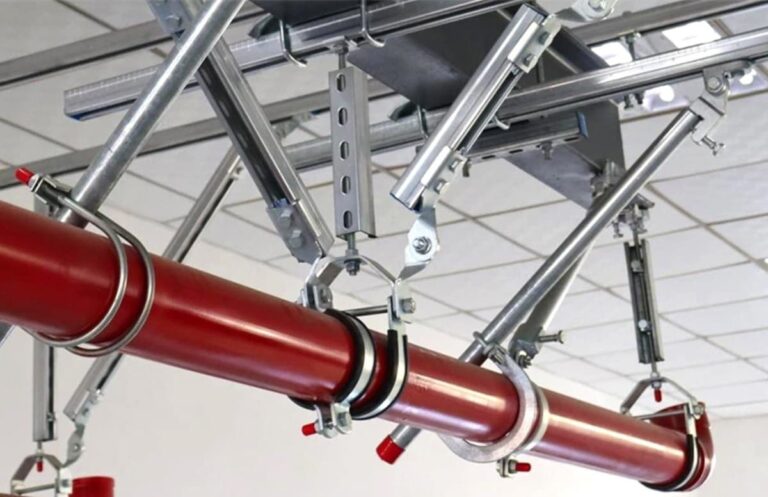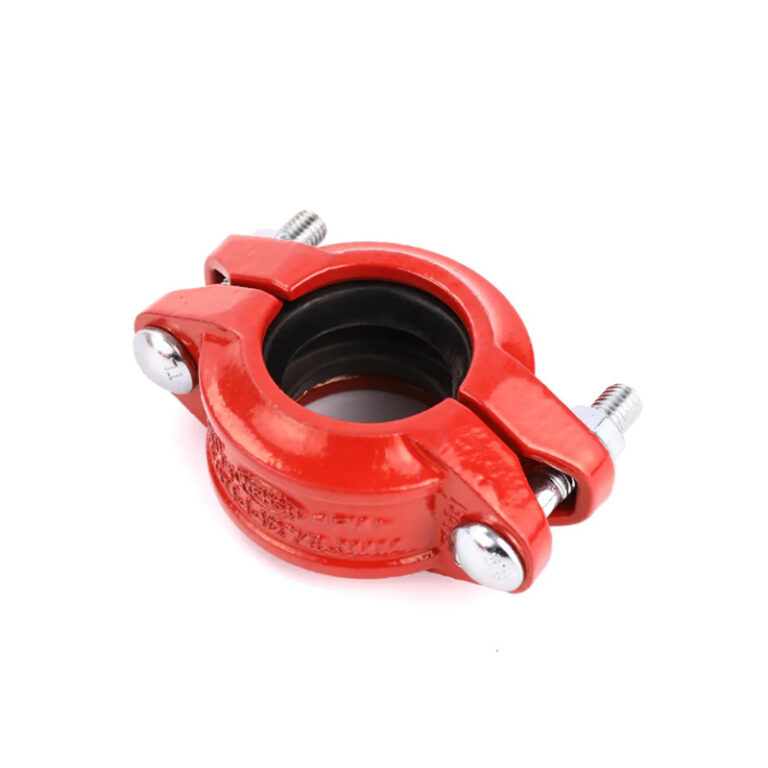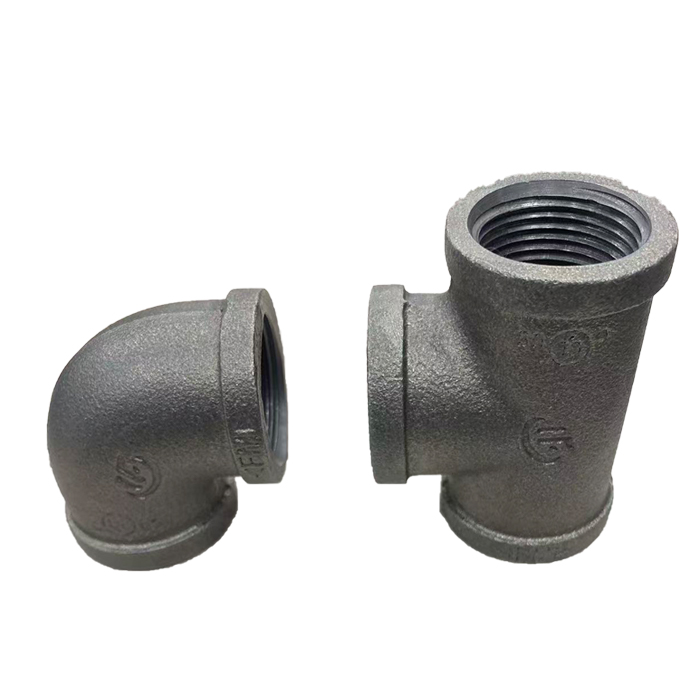
The success and dependability of any fire fighting setup rely heavily on picking the right valves and how well they work. Valves act as key parts that manage, separate, and direct fluid flow inside fire suppression setups. They keep pressure steady, allow for upkeep tasks, and make sure quick action happens in crises. In a fire fighting system, valves guide the movement of water or fire-extinguishing materials to specific spots when needed. This helps suppression systems run smoothly under different situations.
Key Functions of Fire Valves
Fire valves handle several vital tasks that shape the overall performance of a fire protection setup.
- They direct water flow to different parts of the fire network.
- They separate broken or idle areas for upkeep. And they do this without stopping the whole system.
- They keep enough pressure levels. This guarantees strong output from sprinklers or hydrants.
- They allow testing and checking steps. These verify the system’s reliability.
These tasks make sure water supply stays even. Pressures remain inside safe working bounds. And upkeep work can happen without risking protection in busy areas.
Which Valves Are Commonly Used in Fire Fighting Systems?
Various valve kinds serve unique roles based on build needs and setup designs. Each valve kind must follow global rules like NFPA, UL, or FM approvals. This ensures safe operation. Choosing the proper valve kind boosts performance. It also meets fire protection standards.
Gate Valves
Gate valves see wide use for separating tasks in fire mains. They have a wedge-like gate that shifts up and down to begin or halt flow. When fully open, they cause little flow blockage. So, they suit mainline separation where a full passage is key. You often find gate valves at main control spots or area separation zones. There, a total cutoff is vital during upkeep or urgent cases.
Butterfly Valves
Butterfly valves bring benefits of a small design and fast handling. They use a turning disc to control water path through the pipe. And they permit a quarter-turn action for quick close or open. Their light build fits tight spaces like pump areas or risers. The swift action also helps in fast separation during urgent replies.
Check Valves
Check valves stop backflow. They ensure water moves only one way in the system. They shut on their own when flow reverses. This shields pumps and supply lines from harm. These valves prove crucial in setups with linked supply sources. They keep hydraulic strength across all branches.
Alarm Valves
Alarm valves sit in wet pipe sprinkler setups. They spot flow start during fire events. They set off alarm tools when water enters sprinkler pipes from heat triggers. Alarm valves have bypass setups for testing. This avoids unwanted alarms. So, they support both readiness and simple checks.
Pressure Reducing Valves (PRVs)
Pressure reducing valves hold steady downstream pressures in tall buildings or spots with changing supply pressures. They adjust outlet pressure on their own. This happens no matter inlet changes. They guard downstream gear from too much pressure harm. At the same time, they keep good output rates at sprinklers or hydrants.
Deluge Valves
Deluge valves suit open-nozzle setups that need even discharge over big zones. They run on outside signals like heat or smoke detectors. And they offer quick flooding of guarded areas such as chemical storage spots or aircraft hangars.
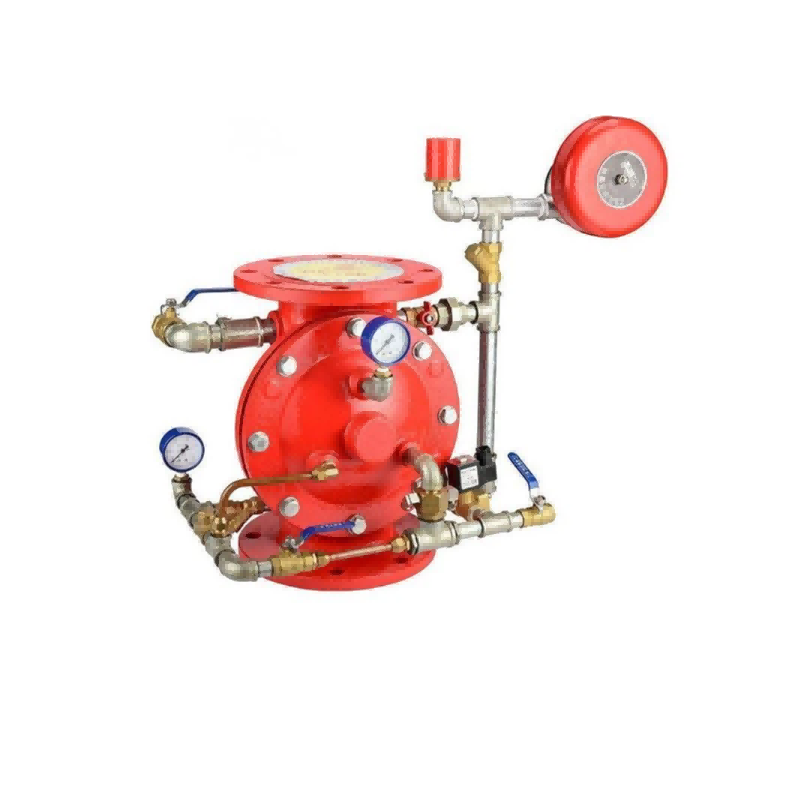
Deluge alarm valve serves as a main part in fire sprinkler systems. It sees broad use in fire-extinguishing setups in fields like industry, petroleum and natural gas, chemical industry, and electric power.
Connection Ends: BS EN 1092-2:1997; Working Pressure: PN10/16; Temperature Range: 0℃–80℃; Coating: Fusion Bonded Epoxy Coating in accordance with ANSI/AWWA C550. These details show their strong build under tough industrial settings.
Test and Drain Valves
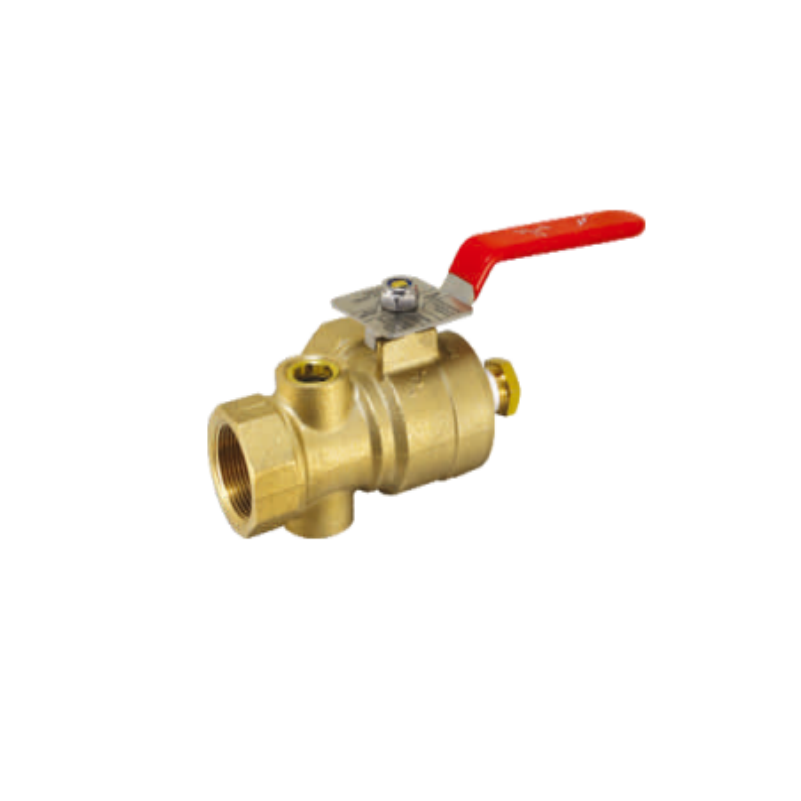
Test and drain valves merge two key tasks—testing and draining—into one piece for better system handling.
Test and drain valve acts as a multi-task valve made just for fire protection systems. It blends test and drain roles.
It lets you check the work of pressure switches or flow alarm tools in the system. At the same time, it allows safe and controlled water release from the pipe.
These valves follow NFPA 13 standards. And they are UL Listed / FM Approved. This guarantees fit with worldwide safety rules.
How Are Valves Selected for Different Fire Fighting Applications?
Valve choice hinges on things like system kind (wet, dry, deluge), pressure levels, setup surroundings, and upkeep access needs. Engineers need to weigh both tech details and surroundings factors. They do this to pick which valve fits each part of a network best.
Factors Influencing Valve Selection
- System Design: The layout decides if separation, control, or check roles are required at certain points.
- Pressure Range: Choice must match top working pressures set by design rules and pump power.
- Material Compatibility: Rust-proof materials like ductile iron, bronze, or stainless steel boost lifespan in rough spots.
- Maintenance Requirements: Simple checking and swapping ensures lasting trust with little stop time.
Tall buildings might need PRVs to handle shifting static pressures across levels. Meanwhile, deluge setups call for quick deluge alarm valves. These can manage sudden jumps in flow speed.
How Should Fire System Valves Be Maintained?
Regular checks and upkeep lengthen valve life. They also ensure the system is ready for crises. Steady looks help spot rust or part wear early. This stops issues from hitting work in key moments.
Inspection Practices for Optimal Performance
- Do sight checks for rust, leaks, or part wear at set times.
- Work isolation valves now and then. This avoids sticking from long idle times.
- Confirm alarm valve work through managed test flows. These mimic start conditions.
These steps make sure all parts stay fully working over their full use period.
Testing Procedures for Reliability Assurance
- Run pressure tests after setup or big fixes. They confirm no leaks under levels above usual work.
- Set PRVs each year. This keeps output pressures matching design goals.
- Use test-and-drain parts often. They check alarm tool replies without breaking service flow.
Why Choose FLUID TECH PIPING SYSTEMS (TIANJIN) CO., LTD as a Fire Valve Supplier?
FLUID TECH PIPING SYSTEMS (TIANJIN) CO., LTD earns worldwide notice for giving top-quality fire protection parts. These meet global safety certs like UL/FM standards.
Fluid tech group stands as the first firm in northern China focused on fire protection. This focus brings strong tech know-how across all firefighting gear types.
Strengths of FLUID TECH PIPING SYSTEMS (TIANJIN) CO., LTD
- It supplies a full lineup. This includes gate valves, butterfly valves, check valves, alarm valves, PRVs, deluge system parts, test-and-drain units.
- It uses modern making methods. These ensure exact sizes and lasting strength under hard use.
- It gives tech help matched to build specs for projects in industry, business, and city works.
- It keeps product lines in line with NFPA 13D/13R standards. This assures they work well in current sprinkler networks.
By getting from a full maker like FLUID TECH PIPING SYSTEMS (TIANJIN) CO., LTD, engineers get matching goods. These undergo shared quality checks. As a result, setup gets simpler. And long-term trust improves.
What Are the Key Takeaways About Fire Fighting System Valves?
A smart-built fire fighting network depends on well-picked and cared-for valves. These ensure steady work in crises. Each part—from separation gate valves to exact pressure controls—helps protect assets and people. It does this through reliable fluid handling.
Essential Insights for Professionals
- Right valve kind choice lifts work speed and safety rule fit.
- Steady check plans cut failure chances in key times.
- Working with certified sellers ensures good quality tied to global rules.
- Adding multi-task tools like test-and-drain setups eases regular checks. And it keeps rule fit.
FAQs
What is the difference between gate valves and butterfly valves in fire systems?
Gate valves give full-passage separation. This fits mainline parts needing low pressure drop when open. Butterfly valves bring small size with quicker quarter-turn handling. They work well in tight spots where fast moves matter.
How often should fire fighting system valves be tested?
Test timing varies by local rules. But it often covers quarterly sight checks and yearly work tests per NFPA guides. These confirm part strength under fake work setups.
Can one supplier provide all required valve types for a complete fire protection network?
Yes. Full sellers like FLUID TECH PIPING SYSTEMS (TIANJIN) CO., LTD supply whole valve sets. These cover separation, control, check, alarm, pressure control, deluge uses—and even multi-task test-and-drain units. They ensure they match across all parts in complex firefighting builds.