Before looking at the two types, you need to understand what roll grooving and cut grooving involve when it comes to pipe fittings. Both methods help form grooves near the ends of pipes. This lets workers join them with grooved fittings. Such grooves make setup simple. They also offer solid sealing and good mechanical power in different piping setups.
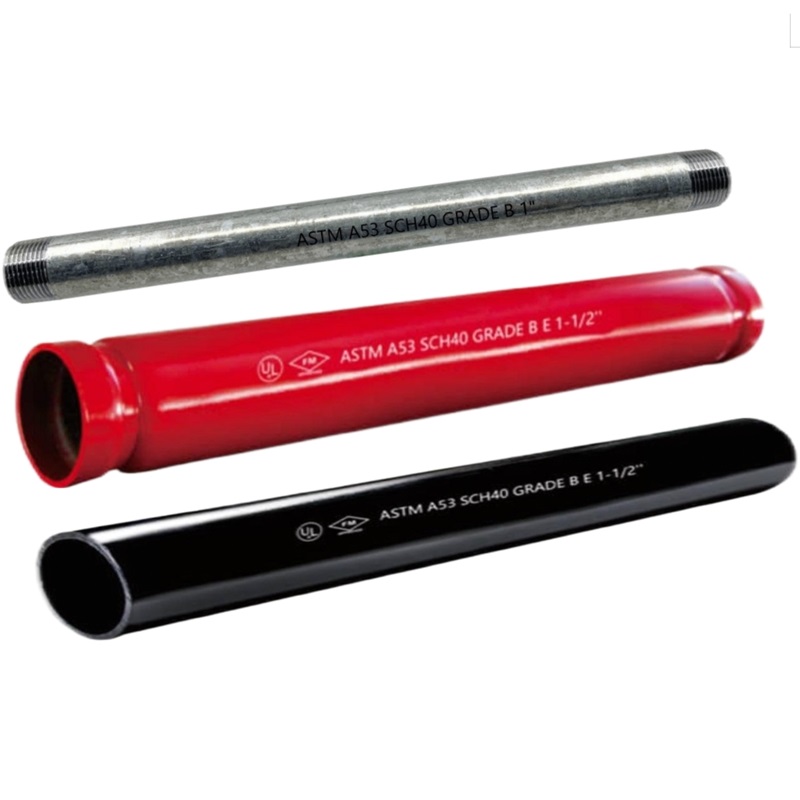
Roll Grooved Pipes
Roll grooving means using rollers to push a groove into the pipe’s wall. This action moves the material instead of cutting it out. Therefore, the wall stays the same thickness. This way works well for pipes with narrow walls. It also helps keep the inside coating safe. No material gets removed, so roll grooved pipes keep much of their first strength. They suit systems that need protection from rust and even inside surfaces.
Engineers often pick this method for its gentle approach. The rollers apply steady pressure. As a result, the pipe does not lose any mass. This keeps the overall build strong. Plus, it avoids issues with inner layers. For example, in pipes used for water or air, smooth insides matter a lot. Roll grooving ensures that without extra steps.
Cut Grooved Pipes
Cut grooving cuts away material from the pipe’s end with a tool. Workers machine the groove to a set depth. This creates even contact with couplings. Most times, it goes on pipes with thick walls. It fits systems that deal with strong pressure. The exactness of this process gives full control over sizes. That leads to correct positioning and firm links between couplings. It works reliably even in hard settings.
During the cut, the tool shapes the groove carefully. This precision matters for tight fits. Thicker pipes handle the removal better. High-pressure jobs benefit from this control. In the end, connections stay secure under stress.
How Do Manufacturing Processes Affect Pipe Integrity?
The approach to making grooves changes the pipe’s build power, inside surface state, and how it performs over time in many uses. When you grasp these points, engineers can select the best option for their setup needs.
Each method brings unique effects. For instance, how the groove forms impacts strength right away. It also affects long-term use. Clear knowledge guides smart choices in projects.
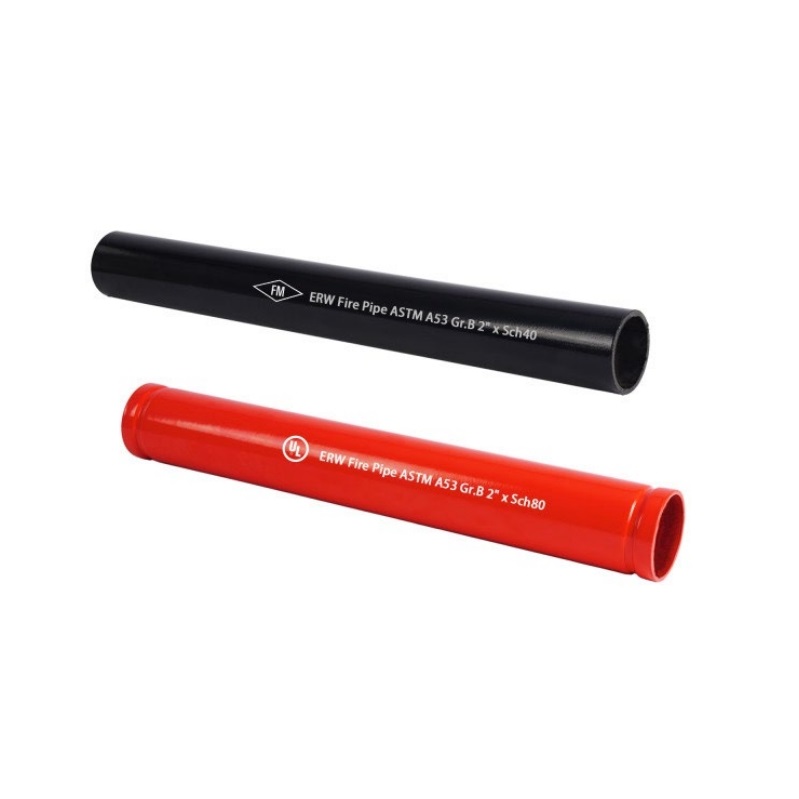
Impact on Wall Thickness and Strength
Roll grooving holds onto most of the pipe’s starting wall thickness. This keeps the pressure level steady. The method just shifts metal around. It does not take any away. Thus, the build stays mostly whole. Cut grooving, however, thins the wall at the groove spot. Material gets removed in the process. Still, for setups with high pressure, cut grooved pipes can provide sharper size accuracy. This holds true even with small losses. The exact fit aids steady coupling hold in factory jobs where close limits are key.
Think about pressure ratings. Roll methods preserve them well. Displacement avoids weak spots. In cut cases, removal creates a notch. But accuracy makes up for it in tough spots. Industrial uses rely on this balance.
Influence on Internal Coating and Corrosion Resistance
Roll grooving cuts down harm to inside coatings like epoxy linings or galvanization layers. No cutting happens within the pipe. This approach fits pipes with linings or galvanization. Keeping those safety layers stops rust from starting. Cut grooving might leave plain metal at groove sides. That boosts rust chances if not fixed. To lower this threat, workers add safety steps after. Things like re-coating or galvanic shields get used. They bring back protection to the surface.
Coatings play a big role in long life. Roll keeps them intact. Cut needs extra care. Proper treatment ensures safety in wet or harsh places.
Which Applications Suit Each Type of Grooved Pipe?
Deciding between roll grooved and cut grooved pipes comes down to work demands, pressure levels, and the places where installation happens.
Factors like these guide the choice. Each type shines in certain areas. Matching them to needs improves results.
Common Uses for Roll Grooved Pipes
Roll grooved pipes work great in HVAC systems. They also fit fire protection lines and water paths with low-to-medium pressure. Quick setup and safe coatings rank high here. They handle coated or lined pipes too. Inner safety is a must in those. This type allows fast joining without welding or threads. So, people choose roll grooves for jobs that cut down on upkeep and speed up finishes.
In building projects, time saves money. Roll methods speed things along. They keep insides clean. Fire systems benefit from this ease. Water lines run smoother without damage.
Common Uses for Cut Grooved Pipes
Cut grooved pipes suit factory piping with greater pressure needs or heavy walls. They appear often in oil & gas lines, process plants, and strong mechanical setups. These demand exact positioning of couplings. The strong size control keeps seals tight. It does so despite shifts in pressure or heat.
Heavy industries count on this reliability. Precision handles variations well. Oil flows safely. Processes stay stable. Mechanical parts link firmly.
What Are the Cost and Maintenance Considerations?
Each method carries clear cost effects linked to making time, tool demands, and upkeep over the system’s life.
Costs add up in different ways. Upfront work affects budgets. Long-run care shapes total spend. Smart picks save in the end.
Fabrication Efficiency and Cost Factors
Roll grooving tends to speed up making with its no-cut style. Without removing metal, it shortens work time and eases tool wear versus cutting. This brings down running costs for each pipe length. Cut grooving takes longer to machine. Yet, it secures narrower limits for vital joins that need spot-on accuracy in setup.
Faster rolls mean quicker output. Less wear saves on tools. Cuts ensure quality but cost more time. Balance fits project scale.
Maintenance and Long-Term Performance Costs
Roll grooved setups usually need fewer fixes during install. Even groove shapes from rolling tools help. Smooth insides lower friction as years pass. Cut grooves might require more surface work. But their sharp shapes boost mechanical hold over time. Overall life cost ties to design details like pressure and surroundings. Hence, engineers weigh starting speed against lasting strength.
Less rework cuts install hassles. Smooth flow saves energy. Extra treatment on cuts pays off in grip. Design choices drive real costs.
How Does FLUID TECH PIPING SYSTEMS (TIANJIN) CO., LTD Support Quality Piping Solutions?
Fluid tech group is the first company in northern China that specializes in the field of fire protection with his own brand -IF grooved coupling and grooved fittings. In 2018, flutech piping systems was established in tianjin in cooperation with several foundries and pipe fittings processing plants. The company provides one-stop procurement services for construction companies around the world. The fire protection products exported by us have passed FM/UL/CE/LPCB/VDS certifications, and the factories involved in the production have passed iso, sgs, and tuv certifications. Our aim is to use high-quality products to ensure the safety of the project, use professional knowledge to solve customer questions, and use professional one-stop services to reduce customer costs.
FLUID TECH PIPING SYSTEMS (TIANJIN) CO., LTD manufactures both roll grooved pipes and cut grooved pipes designed according to international standards such as ASTM A53 / A795 / EN10255 / EN10224 / EN10217 for ERW steel pipes and ASTM A106 / EN10216-1 for seamless steel pipes. Their advanced production technology ensures precise groove formation while maintaining material integrity across all product types used in global piping projects within construction, industrial manufacturing, municipal infrastructure, and fire protection sectors.
This firm stands out for its focus on quality. They offer full support from start to finish. Certifications back their work. Customers get reliable parts for key jobs. In construction sites worldwide, their pipes aid safe builds. Industrial plants trust the strength. City setups use them for steady flow. Fire lines depend on quick joins. Overall, FLUID TECH helps teams meet goals with solid solutions. Their one-stop help cuts worries. Professional advice solves issues fast. High standards keep projects safe and on track.
Key Takeaways from Comparing Roll Grooved and Cut Grooved Pipes
While both types serve similar connection purposes within piping networks using grooved fittings, their differences lie primarily in manufacturing approach, structural characteristics, application suitability, and maintenance requirements:
- Roll grooved pipes preserve wall integrity and coating protection but are limited by pressure capacity constraints.
- Cut grooved pipes offer higher precision for demanding applications but require careful surface treatment post-machining.
- Choosing between them depends on specific system design goals—balancing performance reliability with operational efficiency based on environment conditions such as temperature variation or exposure risk.
These points highlight key choices. Roll suits gentle needs. Cut handles tough ones. Right pick boosts system life. Engineers gain from this knowledge. Projects run better with matches to use.
FAQs about Roll Grooved vs Cut Grooved Pipes
1. Are roll grooved pipes suitable for high-pressure applications?
Roll grooved pipes can handle moderate pressures effectively; however, they are generally not recommended for extremely high-pressure systems due to potential deformation risks at groove points where displacement stresses occur during operation.
This limit comes from the shift method. High force might bend spots. For moderate jobs, they work fine. Check needs before use.
2. Can cut grooves be applied to galvanized or coated pipes?
Yes—but additional protective steps must be taken after cutting since the process removes coating layers at the groove area; recoating or applying corrosion inhibitors is necessary before installation into service environments prone to moisture or chemical exposure.
Extra care restores safety. Without it, rust grows fast. Proper steps keep pipes strong in wet areas.
3. Which type offers easier installation in large-scale projects?
Roll grooved pipes typically provide faster installation because their grooves are formed without removing material—ensuring smoother assembly with standard couplings while maintaining internal coating integrity throughout extensive piping networks requiring efficient setup times across multiple sections of infrastructure projects involving water supply or fire suppression systems.
Speed helps big jobs. No cuts mean less prep. Couplings fit easy. Coatings stay safe. This cuts time in wide networks. Water and fire systems gain from quick work.