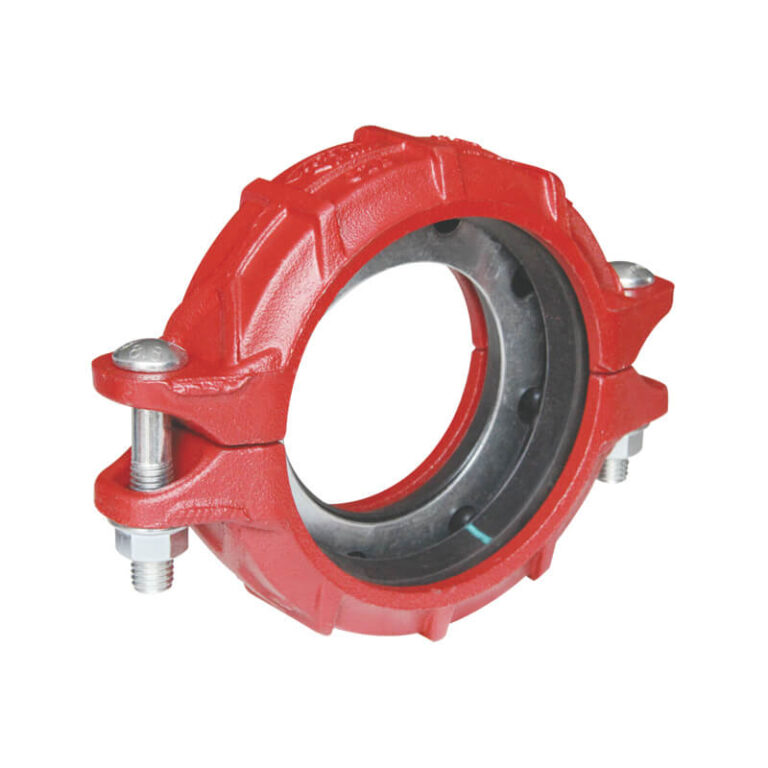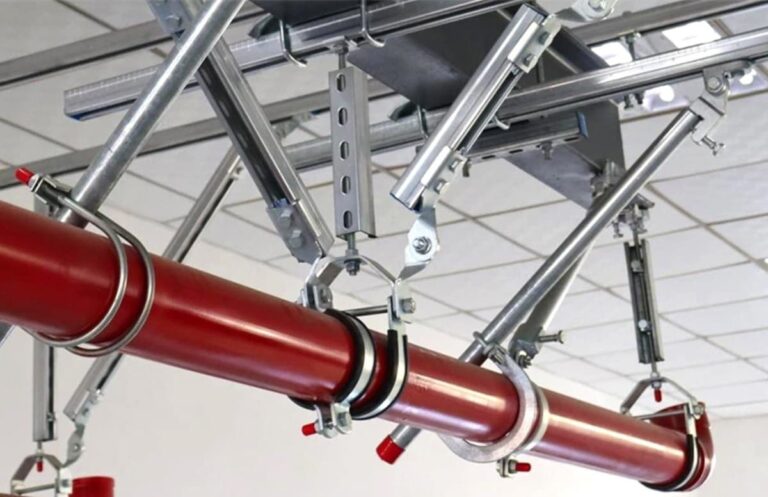
Ductile iron grooved pipe fittings find wide use in fire protection setups, HVAC projects, water supply lines, and industrial networks. They stand out for solid strength, good flexibility, and quick setup benefits. These parts form a main item in the Ductile Iron Grooved Pipe Fitting group shown on Grooved Ductile Iron Fittings for Fire Systems – Fluid Tech. Under usual work conditions, strong ductile iron grooved parts often run for 40 to 70 years. This depends on weather contact, coating layers, setup skill, and care routines. In steady indoor fire setups, their work time can grow much longer. Yet harsh spots like seaside zones or chemical plants may cut that time short. This piece looks at the usual work time of ductile iron grooved pipe fittings, the main points that shape how long they last, how rust acts on them, and clear care steps to keep the whole system going longer.
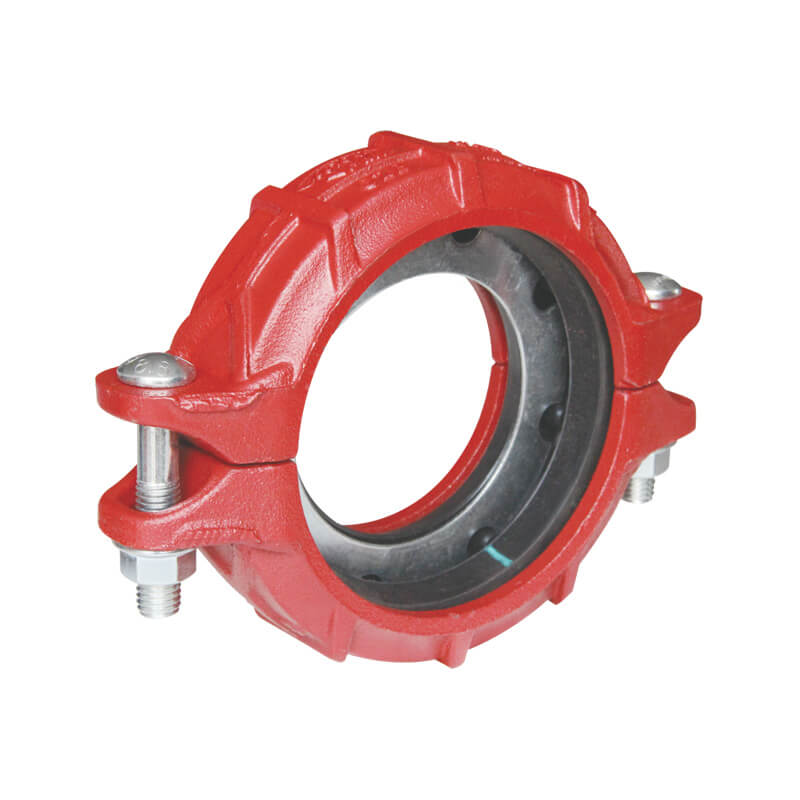
Average Lifespan of Ductile Iron Grooved Pipe Fittings
The work time of ductile iron grooved pipe fittings changes a lot with the job setting and daily use. In real build work, each system faces its own load levels, wet contact, and rust risks. These all shape how well the parts hold up over many years.
Typical Service Life by Application Environment
| Application Environment | Expected Lifespan |
|---|---|
| Indoor fire protection systems | 40–70 years |
| HVAC systems | 30–50 years |
| Industrial water systems | 30–60 years |
| Underground installations | 40–70+ years |
| Coastal / humid environments | 20–40 years |
| Chemical or corrosive environments | 15–30 years |
Why Lifespan Varies
- Wet air speeds up rust on the surface
- Chemical spots wear down the outer layers
- Heat shifts add stress on the metal
- Shaking can hurt how well the seals work
- Fast flow may wear the inside over time
What Factors Affect the Lifespan of Ductile Iron Grooved Pipe Fittings?
Even though ductile iron grooved parts are built for steady use, their real work time depends much on the raw material grade, how well they go in, and the daily setting. Knowing these points helps builders and crews keep the lines safe and lower the chance of trouble later.
Material Composition & Manufacturing Quality
- Ductile iron with round graphite adds toughness
- Careful casting gives even strength through the part
- Clean cut grooves help the coupling sit right
- Good coatings block rust better
Installation Quality
Good setup matters most for long seal life. Extra parts like Ring hanger help hold pipes and tubes in place. Crews often use these in building jobs and machine work. FM Approved or UL Listed items add steady support. Wrong groove sizes hurt the seal. Too much or too little twist on bolts can damage the gasket or shift parts, which adds stress later.
Operating Conditions
High pressure swings speed up metal fatigue. Steady shake lowers joint hold. Chemical touch speeds rust. Sun and damp air outside break down coatings. When teams pair these parts with strong supports like Clevis hanger, they cut down on shake effects and keep the line steady.
How Corrosion Affects Ductile Iron Grooved Pipe Fittings
Rust forms one of the biggest threats to how long ductile iron grooved parts last. Over years, wet air, oxygen, and strong chemicals slowly weaken the pipe body and the seal zones. Learning how rust works helps crews plan better protection steps.
Main Types of Corrosion
Uniform Corrosion shows as slow surface rust from wet air and oxygen. Galvanic Corrosion starts when two different metals touch in a wet spot. Pitting Corrosion digs deep in one place and weakens the metal. Crevice Corrosion often hits the groove zone where water sits under the gasket.
Corrosion Risk Factors
- Seaside air with salt
- Chemical plant zones
- Coating that has gaps or cracks
- Scratched surfaces from setup
- Constant wet contact
Grooved vs Welded Pipe Systems – Which Lasts Longer?
Each pipe join method brings its own strong points. Both grooved and welded lines see wide use, yet they act in different ways during setup, care, and long use.
Grooved Pipe Systems
Grooved pipe systems, such as those from Fluid tech group, give more give under shake. They also make later care easier than welded joins. Crews can put them in faster. Heat stress stays lower at each joint.
Welded Pipe Systems
Welded lines stay more rigid because the joins do not move. They need trained hands to build. Care work grows harder since any change means cutting or new welds.
Key Insight
Grooved lines often give better care options because crews can swap gaskets without stopping flow. Welded lines give strong fixed strength for places that never move.
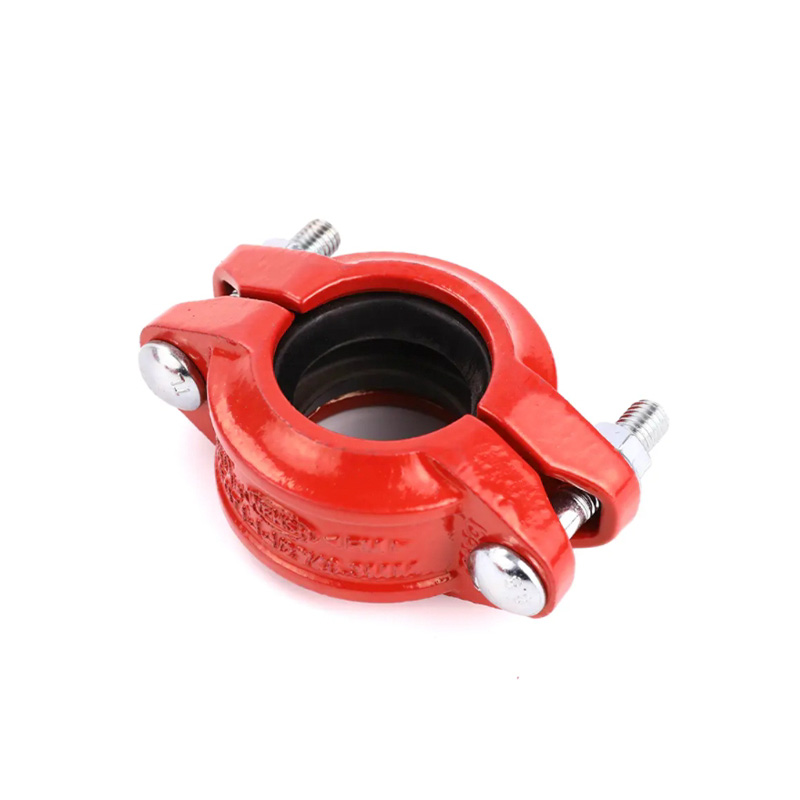
Common Problems That Reduce Lifespan of Grooved Pipe Fittings
Even well planned lines can lose strength over time from wear or setting issues.
Typical Failure Causes
- Gasket wear or wrong rubber choice
- Poor groove cut during build
- Too tight or too loose couplings
- Rust at the join faces
- Shake stress on the metal
- Weak or missed care checks
How to Extend the Lifespan of Ductile Iron Grooved Pipe Fittings
To make parts last longer, teams need solid coatings, correct setup steps, and steady care plans.
Protective Measures
Epoxy or zinc layers block air and water. Surface treatments before join work stop early rust. Safe storage before use keeps parts dry, especially when items like U-bolt sit in damp rooms.
Installation Best Practices
Follow maker torque rules. Cut grooves to the right size. Pick gaskets that match the fluid. Keep parts lined up during join work with items such as Riser clamp.
Environmental Control
Design drains so water does not pool. Keep chemicals away when possible. Add paint that fits the local weather.
Maintenance Strategy
Check the line every two to five years. Change gaskets when needed. Watch for leaks or pressure drops. Keep records to plan care ahead.
How Long Do Grooved Fittings Last in Fire Protection Systems?
Fire lines give one of the steadiest homes for ductile iron grooved parts. They run inside with little change in heat or wet air.
Why Fire Systems Extend Lifespan
Indoor heat stays steady. Sun does not reach the parts. Pressure stays even. Chemicals stay out of the way.
Expected Lifespan
Dry sprinkler lines often last 40 to 70 years. Wet sprinkler lines last 30 to 60 years if water stays clean. Mechanical rooms may see 25 to 50 years because local damp air can vary.
Maintenance Standard
Quick checks every six to twelve months follow NFPA rules. These checks catch gasket wear or loose bolts early.
Signs That Ductile Iron Grooved Fittings Need Replacement
Even strong parts need change after many years when wear shows.
Common Warning Signs
- Rust or coating loss near grooves
- Leak at join points
- Gasket shape change
- Lower pressure in sections
- Cracks or groove shape loss
- Need to tighten bolts often
How to Choose a Reliable Grooved Pipe Fitting Manufacturer
Picking a good maker affects safety and how long parts last. Exact cast sizes decide if seals hold under pressure changes.
Key Evaluation Criteria
Makers must meet UL, FM, ISO, and ASTM rules. They must use steady groove cuts and tested ductile iron. Coatings must resist rust. Pressure ratings must carry proof. Global supply must support large jobs.
Why FLUID TECH PIPING SYSTEMS (TIANJIN) CO., LTD
Fluid tech group was the first firm in north China to focus on fire protection work. The firm makes grooved parts that meet ISO, ASTM, and EN rules. Their UL and FM fire products include epoxy coated choices that fight rust well. They also give shipping help for big HVAC and plant jobs worldwide.
Conclusion
Ductile iron grooved pipe fittings are made for long use in many pipe networks, including fire lines listed under Ductile Iron Grooved Pipe Fitting. With correct setup and care, their work time can reach many decades when the setting stays under control. Picking makers like FLUID TECH PIPING SYSTEMS (TIANJIN) CO., LTD that hold global quality marks leads to steady results over the full life of the system.
FAQ
Can ductile iron grooved pipe fittings rust?
Yes, they can rust when wet air touches bare metal without epoxy or zinc layers from the maker.
How long do grooved coupling gaskets last?
They usually last 10 to 20 years. This depends on pressure, heat range, and chemical strength in the line.
Are grooved fittings suitable for underground use?
Yes, when coated well and drains keep water from sitting at joins.
What causes grooved pipe fittings to leak?
Wrong torque, old gaskets, misaligned parts, or rust on seal faces can start leaks.
Are grooved fittings better than welded systems?
Grooved joins go in fast, allow easy care, and flex with shake. Welded joins stay rigid but need more work to change later.