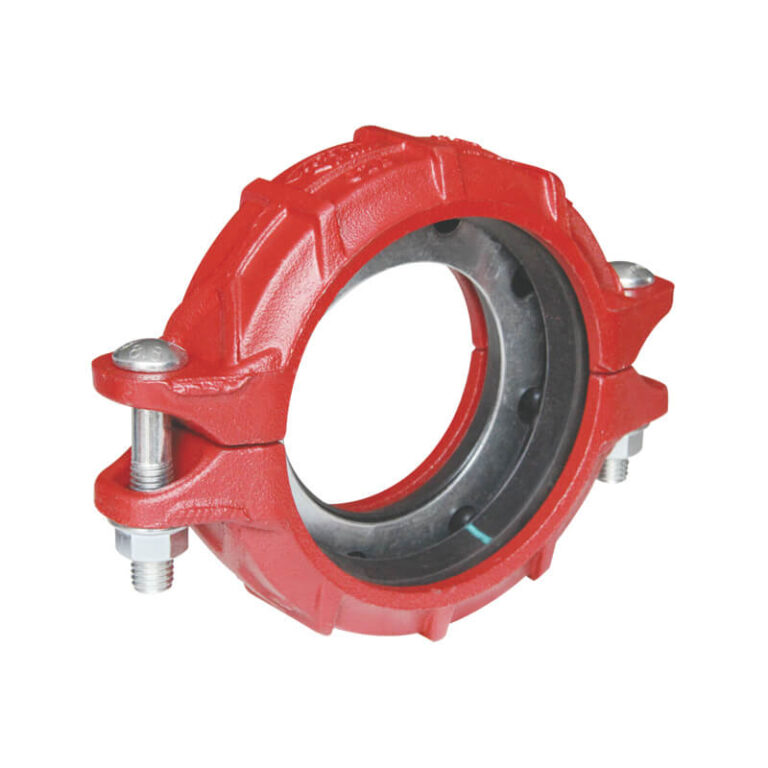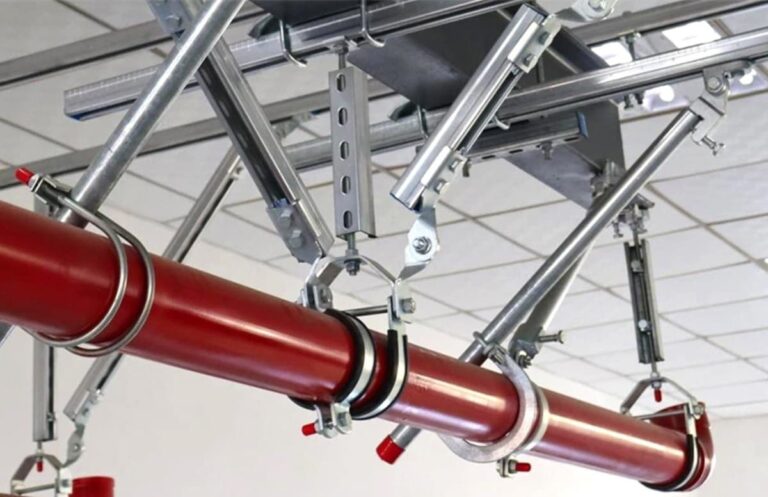
Malleable iron pipe fittings find common use in fire protection systems. They also serve plumbing networks well. Gas distribution lines depend on them often. HVAC setups gain from these parts. Industrial piping jobs make solid use of them. Their toughness, power, and low cost explain this wide appeal. One frequent question from engineers, contractors, and distributors remains this: How long do malleable iron pipe fittings actually last? Under good conditions, strong malleable iron fittings often run for 30 to 50 years. Galvanized versions in steady indoor spots may go even longer. Yet real service time shifts with corrosion risks, install skill, pressure swings, and care routines. This guide looks at average life spans for these fittings. It covers main corrosion causes. It shares practical care steps. And it shows ways to boost long-term system trust.
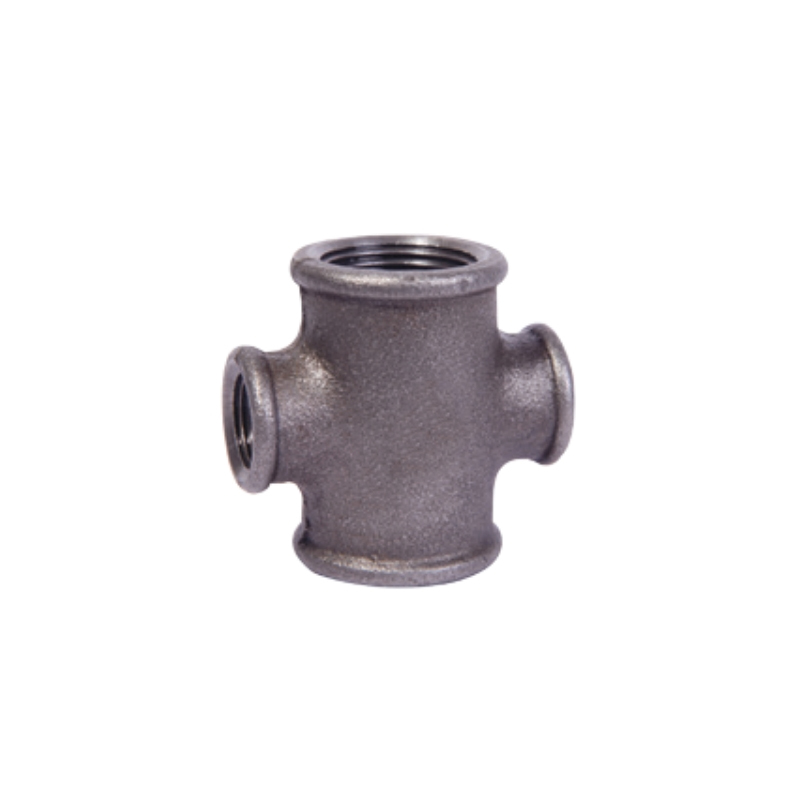
What Is the Average Lifespan of Malleable Iron Pipe Fittings?
Service life for malleable iron pipe fittings changes with setting, coat protection, and job type.
Typical Lifespan by Application Environment
| Application Environment | Expected Lifespan |
|---|---|
| Indoor fire sprinkler systems | 40–50 years |
| Galvanized plumbing systems | 30–40 years |
| HVAC piping systems | 25–40 years |
| Outdoor exposed installations | 15–30 years |
| Underground piping systems | 20–35 years |
| Coastal or humid environments | 10–25 years |
Why Lifespan Varies Across Applications
- Moisture speeds up oxidation.
- Chemical touch can harm protective coats.
- Temperature shifts build material stress over time.
- Pressure cycles and shake raise fatigue chances.
What Factors Affect the Lifespan of Malleable Iron Pipe Fittings?
Many inner and outer elements shape long-term strength and steady work.
Material Composition and Manufacturing Quality
- Carbon level shapes bend ease and mechanical power.
- Right annealing builds toughness and crack hold.
- Strong castings cut inner holes and structure flaws.
- Exact threading lifts seal work and cuts leak risks.
Installation Quality
- Wrong torque can harm thread joins.
- Bad alignment adds stress spots over time.
- Poor seal steps may let moisture in.
Operating Conditions
- High pressure systems keep steady mechanical push.
- Shake from pumps or compressors can cut fitting life.
- Outdoor sun and damp speed coat wear.
How Does Corrosion Reduce Pipe Fitting Lifespan?
Corrosion ranks as a top reason for early pipe fitting fail in industrial lines.
Common Types of Corrosion
Uniform Corrosion
It spreads evenly on open surfaces from oxidation and damp.
Galvanic Corrosion
It forms when unlike metals link in live settings.
Pitting Corrosion
It makes small yet deep holes that thin walls and hurt seals.
Thread Corrosion
It often hits thread joins where coats get hurt during install.
Black vs Galvanized Malleable Iron Pipe Fittings: Which Lasts Longer?
The pick between black and galvanized malleable iron fittings shapes long-term strength in clear ways.
Black Iron Fittings
Advantages:
- Low cost
- Fine for dry indoor lines
- Often used in gas lines
Limitations:
- Less rust hold
- Not great for damp spots
Galvanized Malleable Iron Fittings
Advantages:
- Zinc coat guards against oxidation
- Better hold in wet or open spots
- Longer life in fire lines
Limitations:
- Higher first cost
- Coat harm may bare base metal
Which Option Is Better?
For dry indoor lines, black fittings can give enough strength. Yet galvanized fittings win for fire work, plumbing, and damp spots where steady rust hold matters most.
How to Prevent Corrosion and Extend Service Life
Good corrosion steps raise the work life of malleable iron fittings by a good margin.
Use Protective Coatings
- Hot-dip galvanization
- Epoxy coats
- Anti-rust paint plans
Ensure Proper Installation
- Pick matching thread seals
- Skip over tight thread joins
- Match pipe materials
Control Environmental Exposure
- Cut standing damp
- Shield open lines from direct weather
- Add drain and air flow where it helps
Conduct Routine Inspections
- Watch for rust build
- Check thread joins
- Track pressure shifts
- Spot coat harm early

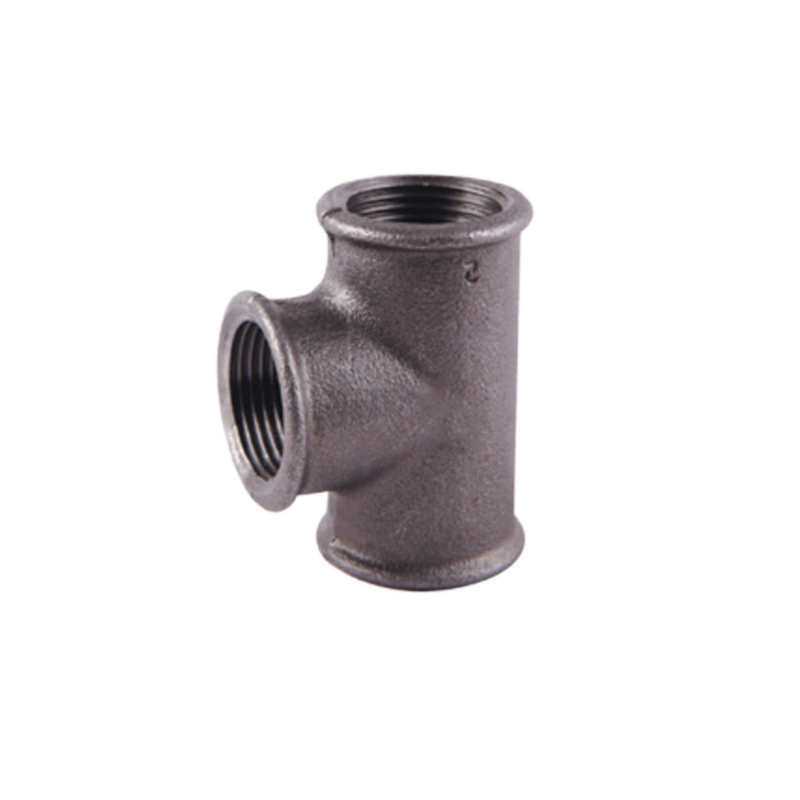
What Maintenance Practices Help Pipe Fittings Last Longer?
Steady care stops surprise fails and high down time costs.
Recommended Inspection Procedures
- Visual check every 6 to 12 months
- Pressure test for key systems
- Leak hunt at thread joins
- Watch shake and mechanical push
Cleaning and Surface Protection
- Clear dirt and rust build
- Re coat when needed
- Swap worn gaskets and seals
Predictive Maintenance for Critical Systems
Modern fire and plant lines now use these tools more:
- Corrosion watch sensors
- Smart pressure checks
- Predictive care software
These tools flag fails before they hit.
Signs Your Malleable Iron Pipe Fittings Need Replacement
Old fittings should be swapped before system strength drops.
Common Warning Signs
- Clear rust or pits
- Water leak at threads
- Cracked or bent fittings
- Lower pressure work
- Thread wear or seal fail
Why Early Replacement Matters
Delayed swaps can bring these issues:
- Line down time
- Water harm
- Fire system fail
- Higher care costs
How Long Do Malleable Iron Pipe Fittings Last in Fire Protection Systems?
Fire lines often give steady conditions that stretch fitting life.
Why Fire Sprinkler Systems Last Longer
Steady indoor heat, low sun hit, set pressure, and less damp in dry lines all add to longer use.
Expected Lifespan in Fire Protection Applications
Well galvanized malleable iron fittings in fire lines can reach these marks:
- 40 to 50 years indoors
- 25 to 40 years in damp machine rooms
Steady NFPA checks keep long-term trust high.
How to Choose a Reliable Malleable Iron Pipe Fitting Manufacturer
A solid supplier shapes product grade, system safety, and steady work in direct ways.
Key Factors to Evaluate
Check UL, FM, and ANSI rule match. Review make steadiness. Test rust hold. Confirm pressure grade papers. And weigh global supply reach when you pick a maker.
Why Many Contractors Choose FLUID TECH PIPING SYSTEMS (TIANJIN) CO., LTD
Fluid tech group is the first company in northern China that specializes in the field of fire protection with his own brand -IF grooved coupling and grooved fittings. In 2018, flutech piping systems was established in tianjin in cooperation with several foundries and pipe fittings processing plants. The company provides one-stop procurement services for construction companies around the world. The fire protection products exported by us have passed FM/UL/CE/LPCB/VDS certifications. Our aim is to use high-quality products to ensure the safety of the project. Fluid tech group is the first company in northern China that specializes in the field of fire protection. The company’s product range includes BS/EN standard malleable iron pipe fittings, American standard malleable iron pipe fittings, and DIN standard malleable iron pipe fittings designed specifically for fire protection pipeline system, fire hydrant system, and sprinkler installations. These products are engineered with precise threading accuracy to ensure compatibility with various international standards such as ASTM A53 / EN10255 / BS1387 series pipes used across global projects (ERW steel pipe can be produced as per ASTM/ASME or EN standard.). Their factory operations comply with ISO-certified processes ensuring dimensional accuracy, reliable threading performance, corrosion resistance, and long-term mechanical durability backed by international certifications like FM Approved / UL Listed (Certificate: FM Approved / UL Listed). The company’s one-stop supply chain capability ensures timely delivery across major global markets while maintaining consistent quality assurance through SGS/TUV verified production facilities (the factories involved in the production have passed iso, sgs, and tuv certifications).
Conclusion
Malleable iron pipe fittings stay a strong and low cost choice for plant lines, fire nets, HVAC jobs, gas runs, and plumbing work. With right install and coats like galvanization, these parts can run well for decades with little wear. Damp control, checks every six to twelve months per NFPA rules, and smart care tools all lift their life span. By buying certified parts from solid makers such as FLUID TECH PIPING SYSTEMS (TIANJIN) CO., LTD, pros can gain top safety and stretch system trust well past usual marks.
FAQs
How long do malleable iron pipe fittings last?
Most malleable iron pipe fittings last between 30 and 50 years. This depends on setting, rust risks, and care level.
Can malleable iron pipe fittings rust?
Yes. Like most iron based parts, malleable iron can rust if damp and air hit it without good coats.
Are galvanized malleable iron fittings better for outdoor use?
Yes. Galvanized fittings give better rust hold. They suit damp or open spots more often.
What causes threaded pipe fittings to leak?
Common causes include bad install. Thread harm, seal fail, rust, and high pressure cycles also play roles.
How often should fire sprinkler pipe fittings be inspected?
Most fire lines need checks every 6 to 12 months. This follows local rules and NFPA standards.