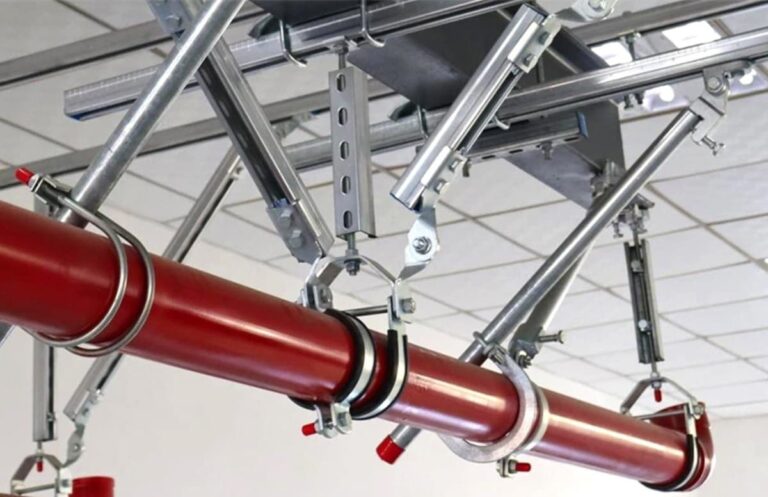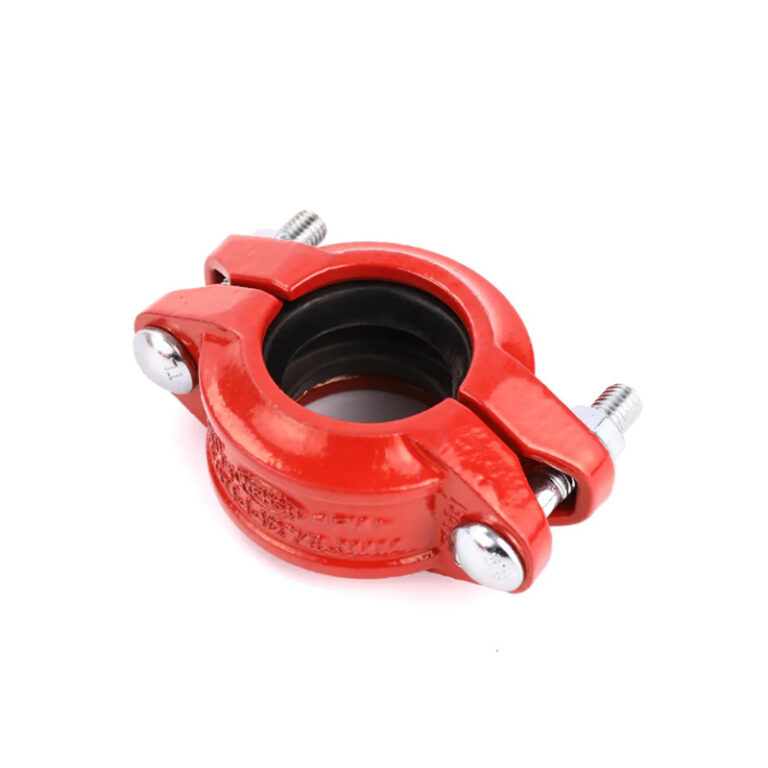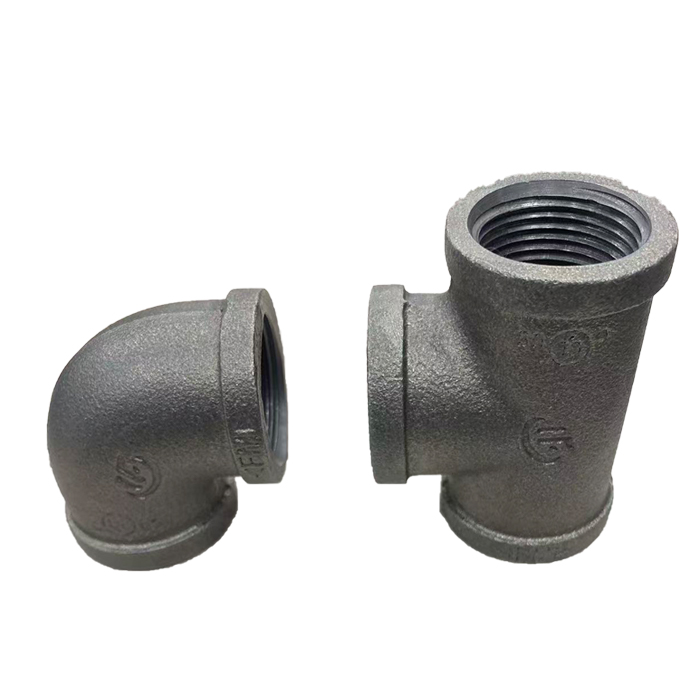
Fire save valves are special safety tools made to block or halt the flow of burnable liquids when they meet fire. These valves make up a key part of factory safety setups. They make sure fire dangers stay in check by cutting off areas of pipes that hold flammable items.
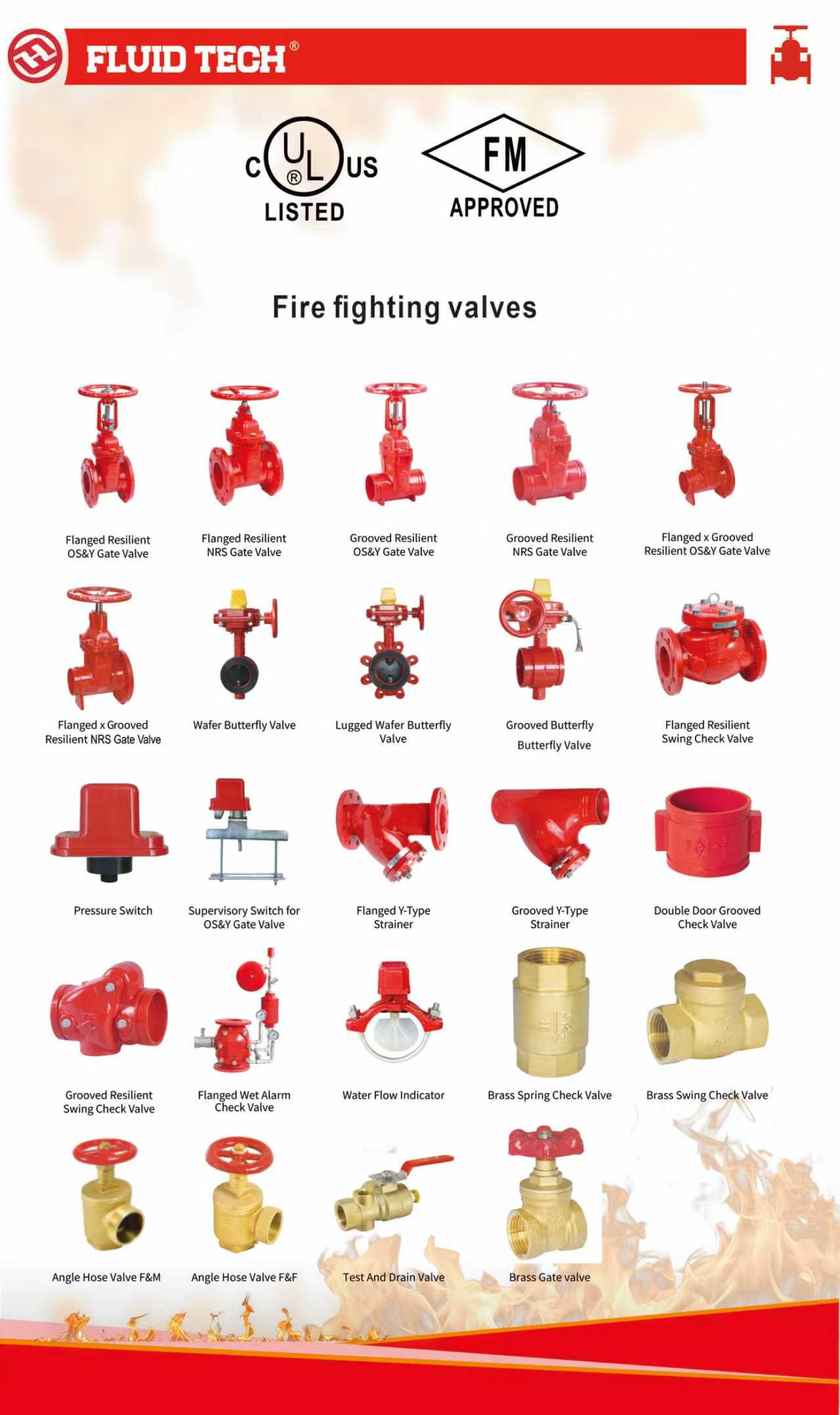 Definition and Core Function
A fire save valve is built to shut by itself in very hot settings. Its main task is to separate pipe areas. This keeps fuel or gas from adding to a fire. It stops the crisis from getting worse. The build is sturdy. It keeps work steady even under strong heat strain. This auto shut cuts down fire spread. It does this without needing hand help. That matters a lot in risky factory spots. There, quick actions are a must.
Key Components and Design Features
The main parts of a fire save valve include heat movers. These grow when they face warmth. They start the shut process. Seals that stand up to fire and build materials keep it lasting during flames or high heat. Also, most types add hand override tools. These let staff handle the valve for upkeep or crisis steps. New setups often mix in pressure switches and water flow signs. These are important tools. They give live checks on the system state. They help spot odd issues before they turn into danger spots.
How Do Fire Save Valves Work in Industrial Systems?
In big factory sites like oil refineries, chemical works, and power plants, fire save valves go at smart spots along pipes. There, flammable liquids or gases flow. Their auto work brings fast cut-off. This happens without people acting once heat limits go past.
Activation Mechanism During Fire Events
When high heat hits, the valve’s heat part grows. It then frees a spring-based shut setup. This way, the valve stops fluid in moments after sensing heat go up. The quick cut of fuel spots stops fires from moving through linked systems. This cuts possible harm by a lot.
Integration with Safety and Control Systems
Fire save valves can link with modern safety builds for matched replies in crises. They usually join alert systems and emergency shutdown (ESD) webs for group starts over many units. Info from mixed sensors, such as pressure switches and water flow indicators, can go to main control spots. There, far-off watching and ahead upkeep happen. This link boosts plant safety. It lets staff see breaks coming before they start.
Where Are Fire Save Valves Commonly Used?
These valves are vital in fields that manage unstable items. Their steady work in tough spots fits them for land plants and sea rigs both.
Applications in Oil and Gas Facilities
In oil refineries and gas plants, fire save valves sit on pipes, storage tanks, and move lines for hydrocarbons. They stop back flow of burnable stuff in urgent times. At the same time, they help meet world safety rules like API 607 and ISO 10497. Their spot aids in keeping to tight laws on holding flammable materials.
Use in Chemical Processing Plants
In chemical plants, these valves guard reactors, distillation columns, and solvent systems from wild fires. They keep hold strong under high heat. They also help safe stop steps. These cut making gaps while keeping workers safe.
Implementation in Power Generation and Marine Industries
In power sites, fire save valves guard fuel lines to turbines and engines. For sea uses, mainly ships with oil cargo, they serve as main guards against ship fires. They cut fuel paths fast when heat shows near engine areas or cargo spots.
Why Are Fire Save Valves Critical for Safety Compliance?
Besides body guard, these valves fill a basic role in meeting rule needs set by world safety groups.
Role in Regulatory Compliance and Risk Management
Fire save valves must follow codes like NFPA 30 (Flammable Liquids Code) and ISO 10497 (Fire Type-Testing Requirements). Meeting these rules brings not just work safety but also chance for insurance on risky tasks. Their setup lowers blame risks from spills or blasts. Those could dirty the surroundings.
Contribution to Operational Continuity and Asset Protection
By holding harm areas well in fire times, these valves cut down time out for fixes or swaps. They also make gear last longer. They do this by stopping heat wear on linked pipe systems. From a business angle, using such ahead risk steps shows promise to safety strength. That is a big point for checks and trust from those involved.
How to Select the Right Fire Save Valve for Your System?
Picking a good fire save valve needs close look at work details. These cover pressure levels, heat spans, liquid type, and site settings.
Factors Influencing Valve Selection
The chosen valve has to fit system needs for pressure span and liquid match. Pick materials that fight rust best. This is key in sea or chemical spots. They must hold heat steady under long warmth. Approval from known groups like FM/UL/LPCB/VDS promises sure work in set fire tests.
Installation Considerations for Optimal Performance
Best spots near spark risks speed replies in crises. Set steady check plans to keep mover feel sharp over time. This fits top upkeep ways in NFPA guides. Those stress regular care for key valves in fire control nets.
Work with still guard steps like heat cover layers adds to full system strength against warmth hits. For instance, adding these layers helps the whole setup stand up better to heat. It creates a stronger barrier overall. This approach ensures that the valves work at their peak. It also ties into broader safety plans that factories often use. In practice, such steps make a real difference in tough spots.
Who Is Fluid Tech Piping Systems (Tianjin) Co., Ltd.?
Fluid tech group is the first company in northern China that specializes in the field of fire protection with his own brand -IF grooved coupling and grooved fittings. In 2018, flutech piping systems was established in tianjin in cooperation with several foundries and pipe fittings processing plants. The company provides one-stop procurement services for construction companies around the world. The fire protection products exported by us have passed FM/UL/CE/LPCB/VDS certifications, and the factories involved in the production have passed iso, sgs, and tuv certifications. Our aim is to use high-quality products to ensure the safety of the project, use professional knowledge to solve customer questions, and use professional one-stop services to reduce customer costs. We focus on building strong ties with clients. This helps us understand their needs better. In turn, it allows us to offer solutions that fit just right. Our team works hard to keep things simple and effective for everyone involved.
Commitment to Quality and Innovation
Fluid Tech Piping Systems (Tianjin) Co., Ltd. keeps firm quality checks that match world rules. These include API 607 and ISO 9001 approvals. The company gives custom fixes for varied fields like oil & gas work, sea building, chemical making, and power projects around the globe. Its steady new idea push centers on study-based item growth. This aims at lasting trust in hard work spots. Clients like this trait a lot. They look for solid fire guard parts like grooved couplings, ERW steel pipes, seamless steel pipes, hangers, clamps, bolts, nuts, washers, U-bolts, riser clamps. All are FM Approved / UL Listed. These go well with its top valve tech. We always test our products thoroughly. This ensures they meet high marks. Our goal is to lead in the market by staying ahead of changes. For example, we invest in new tools and training for our staff. This keeps our work fresh and reliable. Over time, this builds a name we can all be proud of.
Conclusion: Enhancing Safety Through Reliable Fire Protection Solutions
Fire save valves act as vital parts in factory pipe webs. They bring auto cut in fires. This shields workers, goods, and surroundings from huge losses. When got from sure makers like Fluid Tech Piping Systems (Tianjin) Co., Ltd., users gain from checked quality. It comes with skill know-how. This makes sure full match to new world rules. At the same time, it keeps work flow in key build areas. In the end, choosing the right tools like these makes a big impact. It helps sites run smoother and safer. We see this in many projects where quick action saves the day. Overall, these valves prove their worth time and again.
FAQs About Fire Save Valves
What differentiates a fire save valve from a standard shut-off valve?
A standard shut-off valve often needs hand or electric start. Yet, a fire save valve works by heat. It shuts on its own when facing high warmth. No outside help is required.
How often should fire save valves be inspected or tested?
Do yearly checks or times set by the maker. Stick to them strictly. Tests make sure the heat part works well under fake heat. This fits NFPA check ways. They push steady upkeep plans. Following this keeps everything in top shape. It avoids surprises down the line.
Can fire save valves be retrofitted into existing pipeline systems?
Yes. Adding them is doable if fit checks pass. Look at pipe sizes, material kind, pressure level, and rule match. Do this through build reviews first. This keeps safe add to current setups. They often have extra tools like pressure switches or water flow indicators for better watch accuracy. This process takes some planning. But it pays off in the long run. Many sites have done this successfully. It boosts their safety without big overhauls.