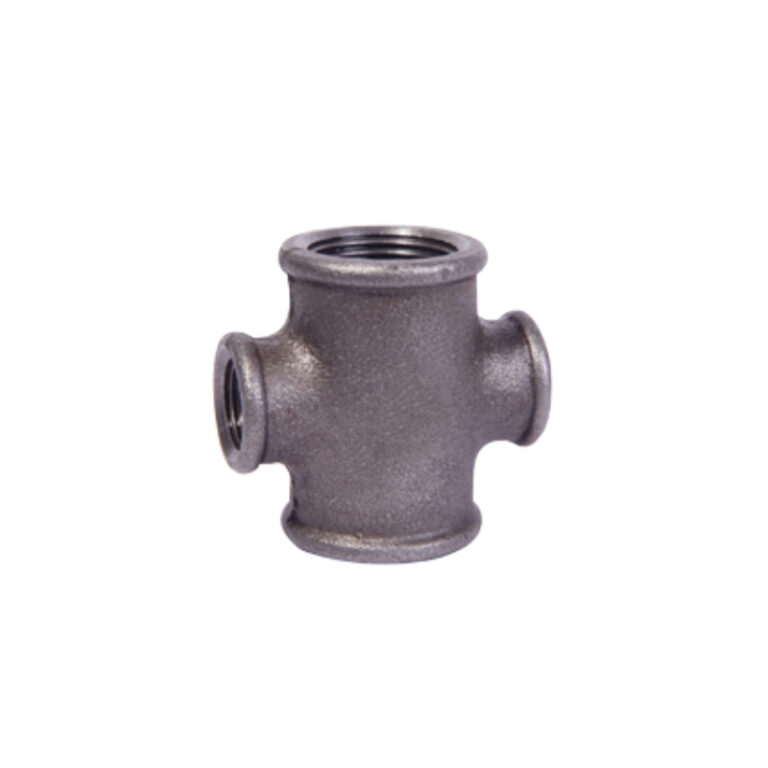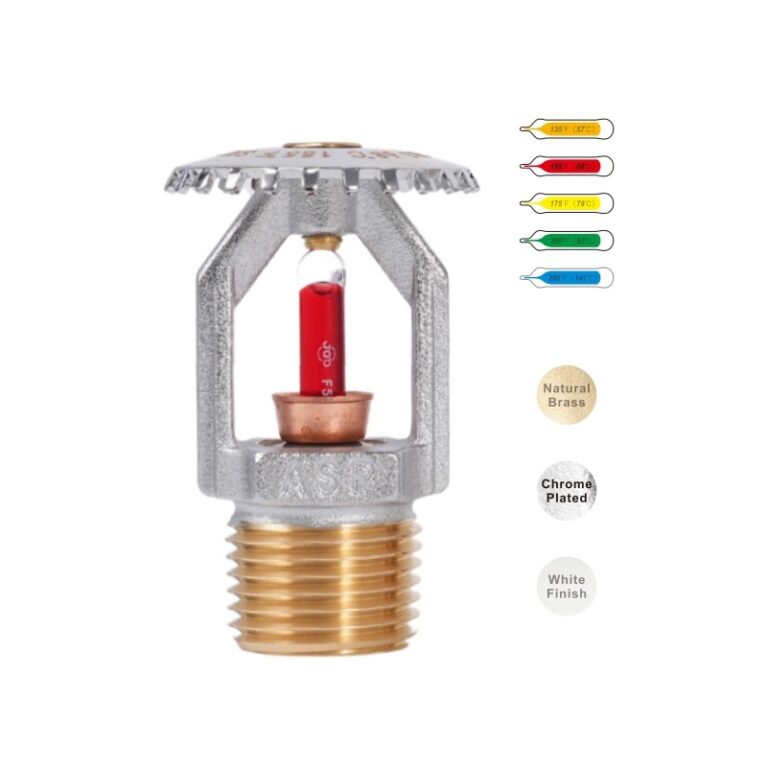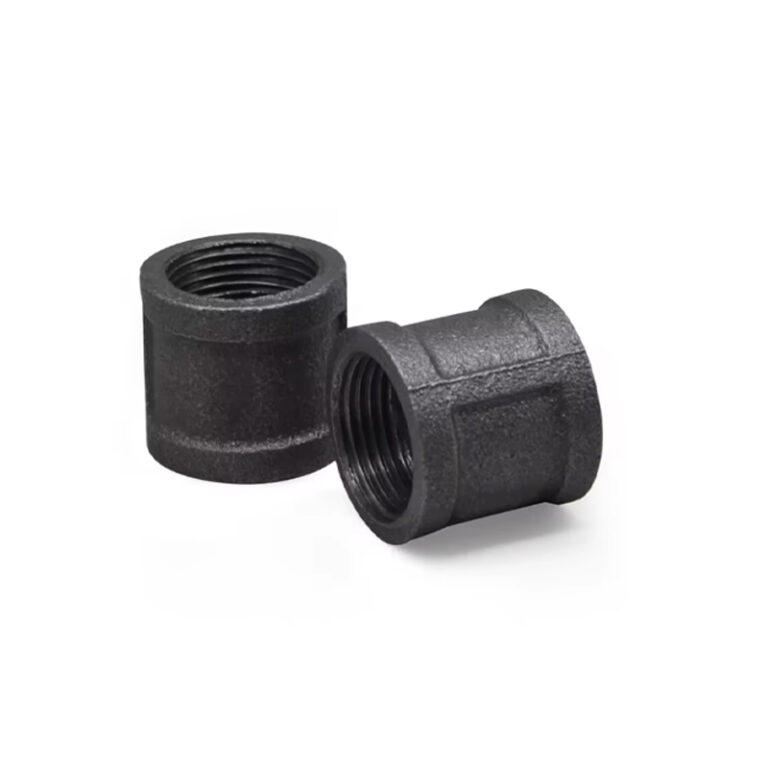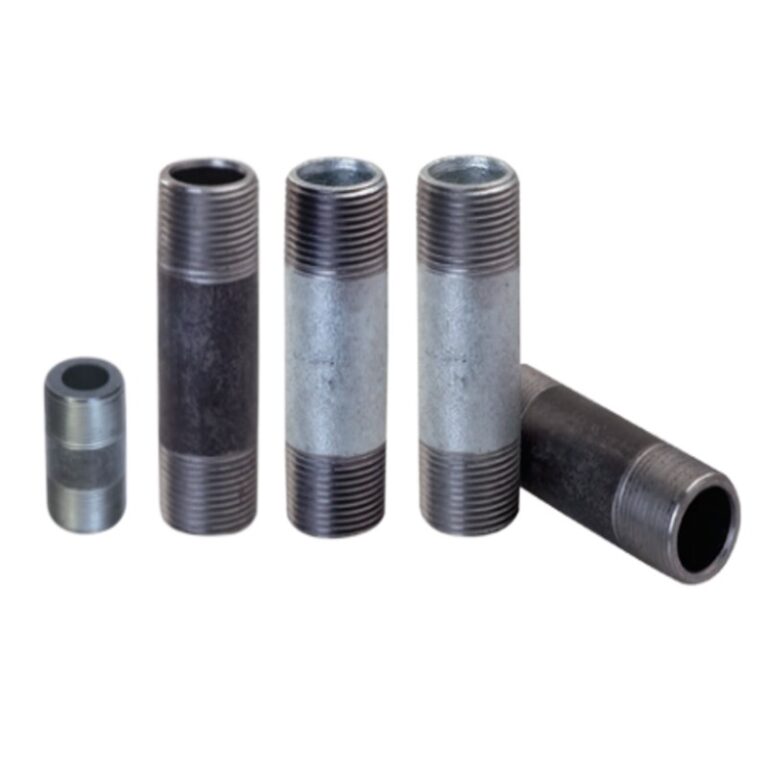
In fire protection systems, pipe fittings need to handle pressure changes, shaking, extended use periods, and tough setup conditions. Picking the incorrect fitting material can raise the chances of leaks, upkeep expenses, and system interruptions.
Among the most often used materials in industrial piping are malleable iron fittings, cast iron fittings, and ductile iron fittings. These materials might look alike to someone without training. However, their mechanical power, flexibility, rust resistance, and setup results vary a lot.
For threaded fire sprinkler systems especially, malleable iron pipe fittings have turned into a popular choice. They provide a good mix of power, durability, seal dependability, and price savings. This guide looks closely at the three materials. It also explains why malleable iron fittings keep leading in current fire protection and industrial piping uses.
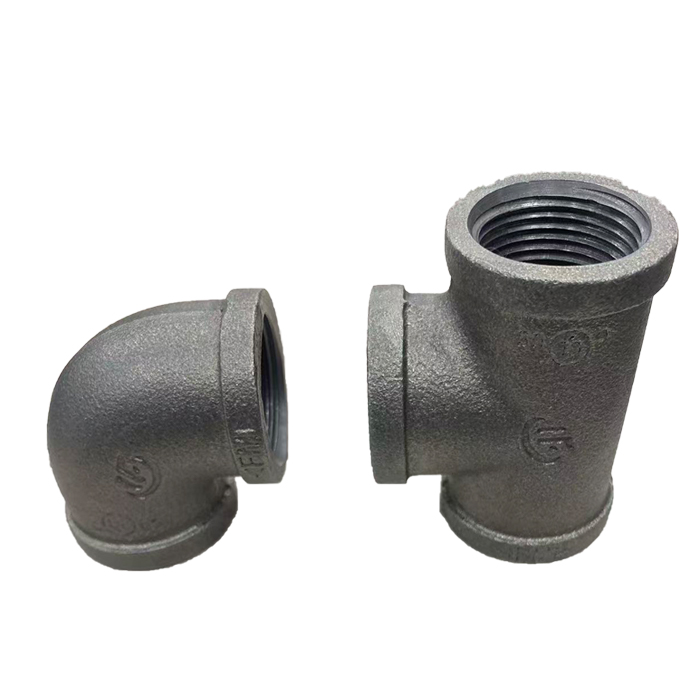
What Are Malleable Iron Pipe Fittings?
Manufacturing Process
Malleable iron starts as white cast iron. This form is hard and breaks easily. To change it, the material goes through a special annealing heat treatment. In this long heating step, the hard iron carbides break down. As a result, temper carbon formation happens. This shift in the tiny structure brings about improved ductility. Thus, the metal can bend or shape without breaking.
Key Characteristics of Malleable Iron Fittings
Excellent Toughness: Unlike standard cast iron, malleable iron can take major physical hits.
Good Machinability: Its build allows for smooth, accurate threading.
Strong Threaded Performance: It does well in uses that need solid metal-to-metal seals.
Vibration and Pressure Resistance: It fits best in places where the system might move or face mechanical strain.
Typical Applications
Malleable iron serves as the usual choice for:
Fire sprinkler systems (threaded)
Gas pipelines
HVAC systems
Industrial piping and compressed air systems
What Are Cast Iron Pipe Fittings?
Material Structure
Cast iron stands out due to its high carbon level and a build with graphite flakes. These flakes make a brittle structure. Therefore, it cannot stretch or bend under load.
Advantages of Cast Iron
Low Initial Cost: It tends to be the cheapest iron option.
Compressive Strength: It handles weight or outside pressure very well.
Suitable for Drainage: People often use it in non-pressurized sanitary or storm drain setups.
Limitations in Fire Protection Systems
People mostly skip cast iron in today’s pressurized fire setups because of several issues.
Cracking Risks: It might break apart during quick pressure jumps (water hammer).
Poor Tensile Strength: It fails to manage the “pulling” forces in pressurized lines.
Vibration Sensitivity: Shaking from the surroundings can lead to major breakdowns in brittle cast iron joints.
Unsuitability for Threaded High-Pressure Systems: The material tends to strip and snap at the threads.
What Are Ductile Iron Pipe Fittings?
How Ductile Iron Is Produced
Ductile iron comes from a magnesium treatment of the melted iron. This method makes the graphite form a nodular (spherical) structure instead of flakes. Hence, it gives far better bendability and power.
Advantages of Ductile Iron
High Tensile Strength: It matches some types of steel.
Impact Resistance: It can endure severe mechanical damage.
Pressure Performance: It manages very high-pressure demands.
Common Industrial Applications
Municipal water systems (large diameter)
Underground pipelines
Heavy-duty industrial systems
Limitations Compared With Malleable Iron
Ductile iron is sturdy, yet it has downsides for regular commercial piping.
Higher Cost: The magnesium treatment and making process cost more.
Heavier Weight: It is tougher to manage during overhead setup.
Less Ideal for Small Threaded Fittings: Machining ductile iron into exact, small-diameter threads is harder than with malleable iron.
Machining Complexity: Malleable iron gives a better threading process. This matters for stopping leaks in fire protection.
Malleable Iron vs Cast Iron vs Ductile Iron: Key Differences
The table below sums up why malleable iron often acts as the balanced pick. It mixes performance and price well.
| Property | Malleable Iron | Cast Iron | Ductile Iron |
|---|---|---|---|
| Ductility | High | Low | Very High |
| Tensile Strength | High | Low | Very High |
| Impact Resistance | Excellent | Poor | Excellent |
| Threading Performance | Excellent | Poor | Moderate |
| Pressure Resistance | Excellent | Moderate | Excellent |
| Corrosion Protection | Good (Galvanized) | Moderate | Moderate |
| Cost Efficiency | Excellent | High initial savings | Higher cost |
| Fire Protection Suitability | Excellent | Limited | Good |
| Ease of Installation | Excellent | Moderate | Moderate |
| Maintenance Needs | Low | High | Moderate |
Why Malleable Iron Pipe Fittings Are Preferred for Fire Protection Systems
Superior Threaded Connection Reliability
In fire protection, one leak can put a whole building at risk. Malleable iron gives top-notch threaded sealing integrity. This cuts down the chance of leaks as time goes on. These fittings let workers assemble and take apart joints multiple times during system changes. They do so without harming the threads. Fire sprinkler teams often pick malleable iron fittings. The reason is that threaded joints stay firm even after years of pressure shifts and upkeep work.
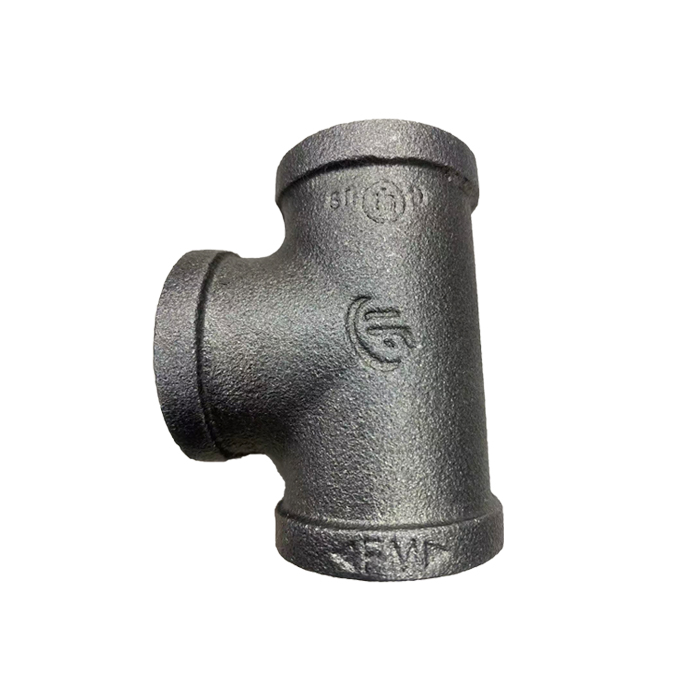
Excellent Resistance to Pressure Fluctuations
Fire systems often face water hammer. This is a fast pressure rise when valves open or shut. Malleable iron’s mechanical flexibility helps a lot. Plus, its vibration absorption plays a key role. Together, they let it handle these rises. It cracks far less than regular cast iron in changing system settings.
Better Installation Efficiency
Malleable iron threads more easily than ductile iron. It is also lighter to work with. As a result, this brings reduced labor costs. Projects finish quicker too. Its fit with standard sprinkler setups makes it a simple option for most business buildings.
Corrosion Resistance for Long-Term Service
Most fire systems are “wet” types. Water stays in the pipes all the time. Galvanized malleable iron fittings use a zinc layer for protection. This layer works well for both inside and outside fire systems. It ensures a lengthy service period, even in damp spots.
Cost-Effective Lifecycle Performance
Ductile iron might have greater basic strength. Yet, malleable iron fittings usually lead to lower total ownership costs. Their simple setup, fewer upkeep needs, and steady long-term seal quality make them the smartest pick over the building’s full life.
Best Applications for Each Type of Iron Fitting
| Application | Recommended Material |
|---|---|
| Fire sprinkler systems | Malleable iron |
| Threaded gas piping | Malleable iron |
| Drainage systems | Cast iron |
| Municipal underground water | Ductile iron |
| HVAC piping | Malleable iron |
| Compressed air systems | Malleable iron |
| High-impact underground pipes | Ductile iron |
Common Mistakes When Selecting Pipe Fitting Materials
Using Cast Iron in High-Vibration Systems: This causes stress cracks and quick system breakdowns.
Choosing Oversized Ductile Iron: Picking heavy ductile iron for small threaded lines wastes money. It also makes setup harder.
Ignoring Corrosion Protection: Not choosing galvanized fittings in wet or outside areas leads to early wear.
Overlooking Pressure Ratings: Make sure the fitting material fits the top pressure level of the system. Include any surge chances too.
How to Choose the Right Pipe Fitting Material for Your Project
When you pick the final option, focus on these points first.
Consider System Pressure: Pick a material that goes beyond the working pressure.
Evaluate Environmental Conditions: Go for galvanized finishes in areas with moisture.
Determine Maintenance Accessibility: Select malleable iron for systems that might need later changes.
Compare Lifecycle Costs: Think past the starting price. Look at setup and upkeep savings.
Malleable iron remains the industry standard for threaded fire protection systems. It delivers the safest, most dependable, and most budget-friendly answer for small-to-medium diameter piping.
Why Global Buyers Choose FLUID TECH PIPING SYSTEMS (TIANJIN) CO., LTD
Buyers around the world keep picking FLUID TECH PIPING SYSTEMS for their key setup needs. The firm focuses on making Malleable Iron Pipe Fittings with high accuracy. Every item meets tight size limits for a flawless threaded match.
They offer choices in galvanized and black finishes. Their goods follow ISO, ANSI, and ASME rules. Fluid Tech supports worldwide sellers and nearby fire teams alike. It gives steady export quality and fire know-how for lasting system strength. These fittings see use in fire protection, HVAC, plumbing, and industrial piping jobs. All need solid threaded links and ongoing toughness.
Conclusion
In short, Cast iron saves money at first but proves too fragile for pressurized fire setups. Ductile iron holds great power. However, it often costs too much and weighs too much for basic threaded jobs. Malleable iron hits the right balance across the board. For threaded fire protection systems and industrial piping setups, malleable iron pipe fittings keep giving one of the most trustworthy and price-smart options out there today.
FAQs
Why are malleable iron fittings commonly used in fire sprinkler systems?
They mix ductility to fight cracking, top threading for no-leak seals, and good value on price.
Are malleable iron fittings stronger than cast iron fittings?
Yes. For tensile strength and hit resistance, malleable iron beats it by far. It breaks much less easily.
Can galvanized malleable iron fittings be used outdoors?
Yes. The hot-dip galvanized layer sets up a strong shield against rust and outside wear.
What is the difference between ductile iron and malleable iron?
The key gap is the graphite build (nodular versus temper carbon) and the making method. Ductile iron suits bigger, high-pressure water lines mainly. Malleable iron shines for smaller threaded joins.
Which pipe fitting material is best for threaded connections?
Malleable iron ranks as the top pick for threading. Its workability and seal quality stand out.
Are malleable iron fittings suitable for high-pressure systems?
Yes. They handle big pressures common in fire protection and industrial gas lines. Still, super high-pressure city lines might call for ductile iron.