Grooved piping systems have changed the way industrial and commercial piping networks come together. These systems use mechanical couplings to join grooved pipe ends firmly. They do this without much hot work or threading tasks. This approach provides solid strength and quick setup.
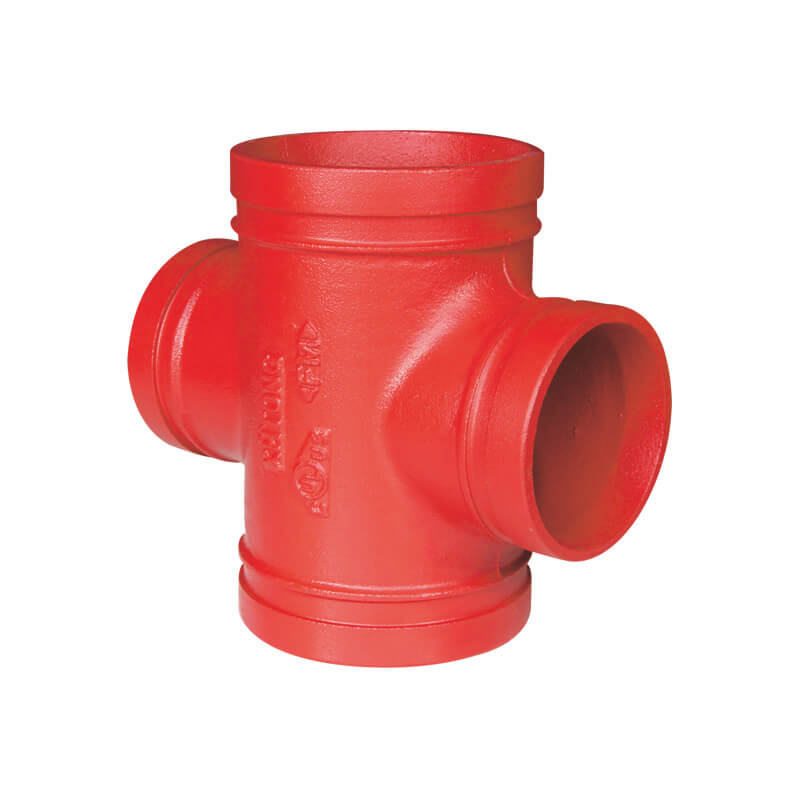
Key Components of a Grooved Piping System
A standard grooved piping system has a few main parts. These parts help it work well and stay dependable.
- Grooved pipe ends form by rolling or cutting grooves into the outer surface of pipes. This allows couplings to fit in place.
- Couplings include housings and gaskets. These press around the grooved ends. They make a tight seal that stops leaks and holds the connection.
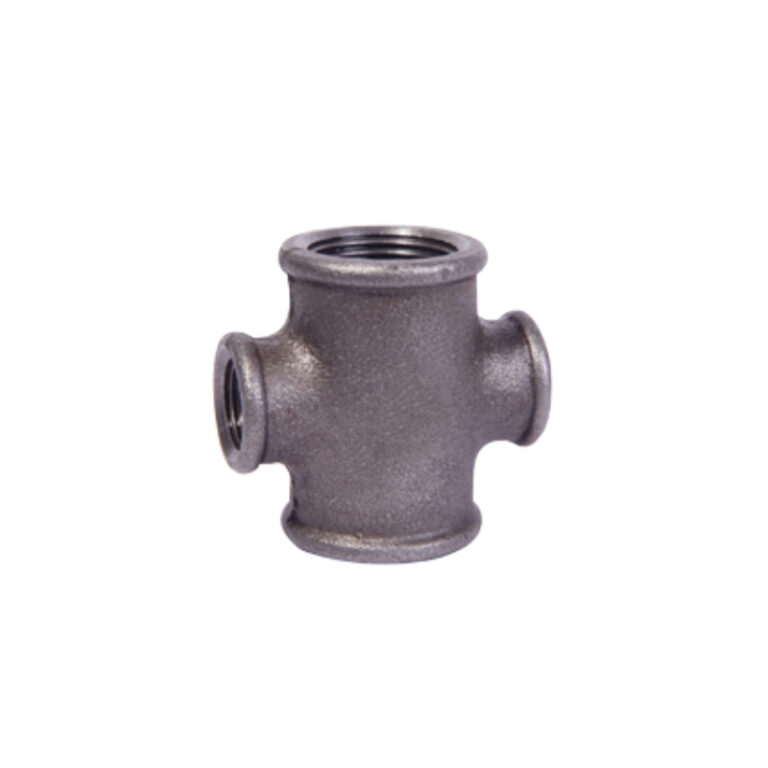
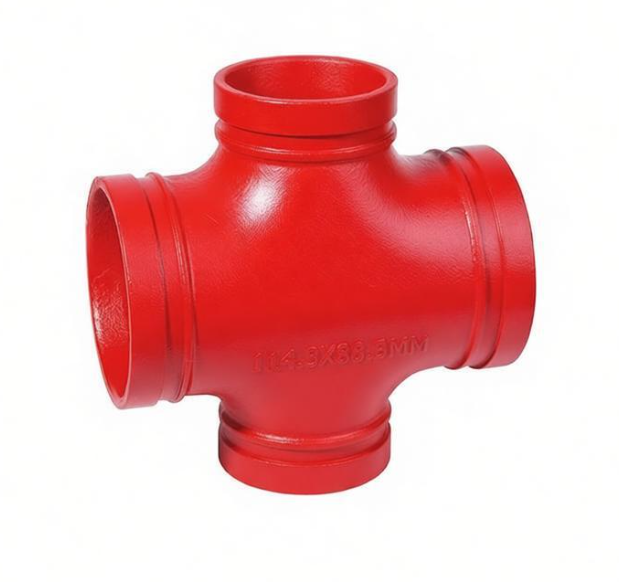
- Fittings like elbows, tees, reducers, and flanges let you change directions, add branches, and switch between pipe sizes.
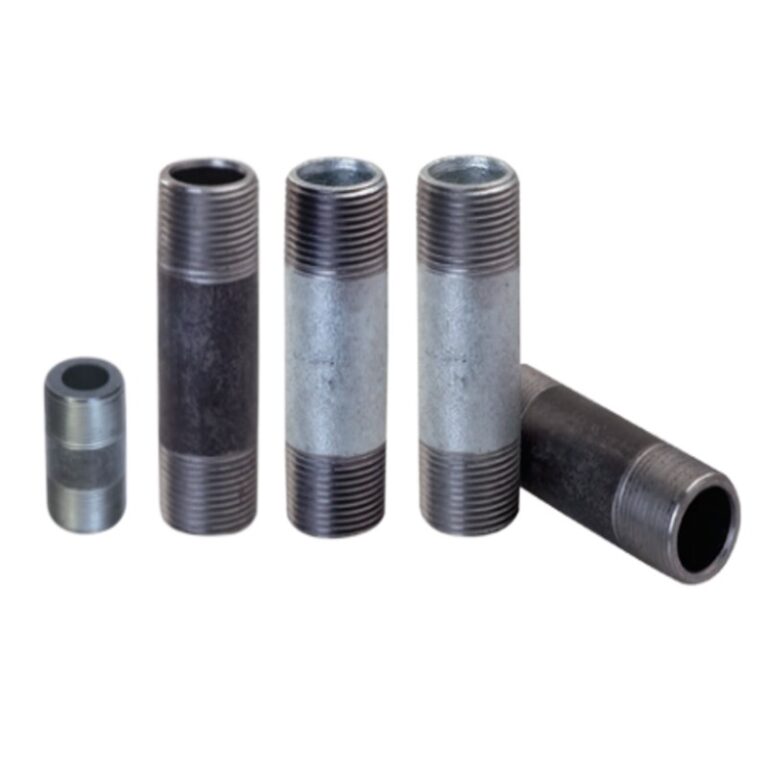
ERW steel pipe comes from cold-formed steel strip or coil. Workers roll it and then weld it along the seam where edges join. They use resistance welding, so no extra welding material is needed. Because there is no weld metal, the pipe has a smooth inside surface. This helps liquids flow better. Grooved pipes also have smooth inside surfaces. They boost flow speed while keeping mechanical strength in systems under pressure.
Comparison with Welded and Threaded Connections
Grooved connections differ from welded joints. They skip hot work permits and cut down fire risks during setup. They also save labor time. Assembly just needs mechanical tightening, not expert welding. Threaded connections can leak from worn threads or wrong torque. Grooved joints avoid those issues. So, the process becomes safer, quicker, and more trustworthy for current building projects.
How Do Grooved Piping Systems Improve Installation Efficiency?
Engineers design grooved piping systems for fast assembly with basic tools. This makes them very useful in big projects where time matters a lot. The coupling method lets you line up pipes quickly. You do not need exact on-site making.
Time-Saving Features During Installation
Grooved couplings have a big plus in easy alignment. You can join pipes fast with little prep. Couplings handle some angle shifts and side-to-side moves during setup. This cuts down labor hours a lot. No welding or threading means no wait for cooling or fixes from bad alignment. As a result, projects finish sooner. Quality stays steady.
Enhanced Flexibility in System Design
Mechanical joints make it simple to take apart for upkeep or growth. This setup suits changes well. It works great for update projects. Existing lines can keep running during changes. The joint takes in shakes and heat growth. It stops stress buildup in the system. This lasts longer for parts. It keeps no leaks under different settings.
Why Are Grooved Piping Systems Preferred in Fire Protection Applications?
Fire protection setups need exact building where trust under stress is key. Grooved piping systems stand out as a top pick. They offer better sealing and handle shakes well. Both matter in sprinkler and suppression setups.
Performance Benefits in Fire Suppression Systems
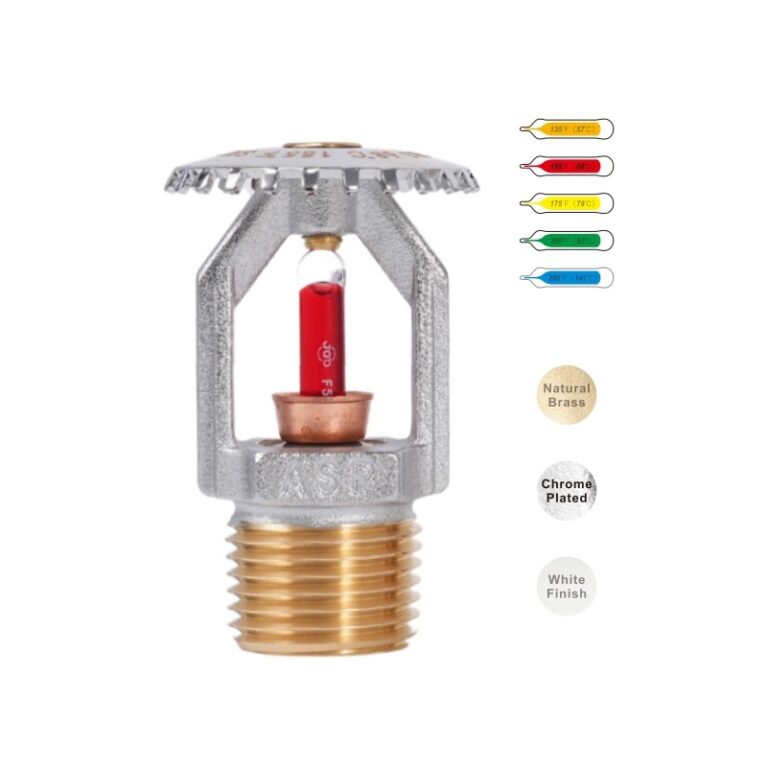
Grooved couplings hold firm seals even with changing pressures in fire suppression starts. Their fast-setup style cuts wait time for upgrades or fixes on fire lines. Plus, materials that fight rust ensure lasting strength. This holds for wet or dry sprinkler types.
Seamless steel pipe starts with heating solid steel billets. Then, they pierce them into hollow tubes. After that, they roll or stretch them. The same metal rules apply to making good grooved pipes. These pipes face high pressures common in fire protection setups.
Compliance with Industry Standards
Grooved parts for fire protection must meet tough world rules. Examples include FM Approved and UL Listed certifications. These make sure safety works the same everywhere. They pass strict tests under high-pressure situations. Such situations happen often in emergency response setups.
How Do Grooved Joints Contribute to Long-Term Maintenance Efficiency?
Upkeep ease affects the total cost over time for big fluid carry networks. Grooved joints make checks simpler. They also lower stop times for fixes.
Simplified Inspection and Replacement Procedures
You can loosen couplings with regular wrenches. No need to cut or harm pipes. This helps a lot in tight spots like plant areas or tunnels. Looking at grooves shows early wear signs. You catch problems before they grow big. This way keeps things running with few surprises. The system stays reliable.
Durability and Longevity of Components
Ductile iron couplings resist rust and wear from use well over long times. Gaskets from EPDM or nitrile rubber keep their bounce in wide heat ranges. They stop leaks even after many years. Bolted flange links might need re-tightening from gasket slip. Grooved systems hold up better with less work.
How Does FLUID TECH PIPING SYSTEMS (TIANJIN) CO., LTD Support the Industry as a Reliable Supplier?
Fluid tech group led the way in northern China for fire protection work. They have their own brand, IF grooved coupling and grooved fittings. In 2018, Flutech Piping Systems set up in Tianjin. They worked with foundries and pipe fitting plants. The company gives full buying help to builders worldwide. Our fire protection goods passed FM/UL/CE/LPCB/VDS certifications. The making factories got ISO, SGS, and TUV approvals.
Product Range and Manufacturing Strengths
FLUID TECH has a wide list of items. It covers ductile iron fittings, valves, couplings, accessories, and more. These fit industrial fluid carry systems. Their modern casting spots ensure right sizes. This matters for good groove fits in all lines. Custom choices let you adjust to special project needs. This works in areas like HVAC, mining, marine work, and city water systems.
Commitment to Quality Assurance and Global Service
We aim to use top goods for project safety. Our know-how solves client issues. Pro one-stop help cuts costs for buyers. We bring cheap and safe fixes to the world. The firm sticks to ISO 9001 rules for quality control. This means steady betterment from start materials to end checks. Our world shipping setup aids fast sends across lands. It comes with tech advice fit for each buyer’s work needs.
Conclusion
Grooved piping tech marks a big change to safer and quicker fluid carry answers. These meet today’s building needs well. They mix mechanical trust with easy upkeep steps. They also follow world rules like FM Approved and UL Listed certifications. You find these on ERW steel pipe and seamless steel pipe goods in the systems. Builders feel sure about long-run steady work in many fields. Fire protection networks need exact work most.
FAQs About Grooved Piping Systems
What materials are commonly used in grooved piping components?
Workers often make grooved fittings from ductile iron. It gives good strength for its weight. It also bends under moving loads. Gaskets use EPDM or nitrile rubber. The choice depends on the setting. This fits different heat levels.
Can grooved piping systems handle high-pressure applications?
Yes. If you follow maker guides, grooved couplings for work use can take pressures like those in water mains or fire pipes. They keep joint strength. This comes from strong material picks. Such picks match those in seamless steel pipe making steps noted before.
Are grooved piping systems suitable for retrofit projects?
Yes, fully. Their piece-by-piece setup aids fitting into old structures fast. It skips long stops from weld changes. This makes them great for renew work. Such work needs steady service while boosting size or shifting flows in hard spots.