A fire sprinkler system is comprised of several components, all of which have been engineered to ensure that the system can distribute water throughout a facility in a short amount of time in the event of an emergency. Pipe nipples are among the many parts used in fire sprinkler systems. A pipe nipple is a short section of pipe with male ends on both ends. A critical aspect of using a pipe nipple is selecting the correct length of pipe nipple for the application. The correct length of pipe nipple is critical to ensure that there is proper alignment between two pipes, that there are no leaks at the connection between the two pipes, and that there is optimum hydraulic performance of the system. A variety of components are typically connected together with pipe nipples, including fire sprinkler heads, fire sprinkler system valves, fire sprinkler system branch lines, and other fire sprinkler system fittings that have threaded ends. If a pipe nipple that is too long is used to connect two components, it can create a number of problems including making the connection between the two components very difficult, creating additional friction loss in the system, creating potential for future leaks at the connection, and possibly not meeting the requirements of the applicable fire protection standards.
Fire protection systems are becoming more complex over time. Engineered fire protection systems, installed by contractors and operated by building owners and facility managers, require critical examination of many factors. The selection of pipe nipples for connection of straight runs of pipe together must take into account the pipe nipples’ configuration, end connections, operating pressure and installation tolerances. The selection must also consider how length of the pipe nipple will affect both the system’s performance and longevity. Avoidance of costly field modifications as well as compliance with industry standards such as NFPA 13 and the applicable ASTM standards for specific products, can be affected by proper selection of pipe nipples.
This article will cover the main factors to consider in choosing the right pipe nipple length in fire sprinkler systems and also discuss the factors of the pipe material, the industry guidelines, and real world applications. The high quality products from FLUID TECH PIPING SYSTEMS (TIANJIN) CO., LTD can be used in the design of all fire protection systems globally to provide safe and efficient systems.
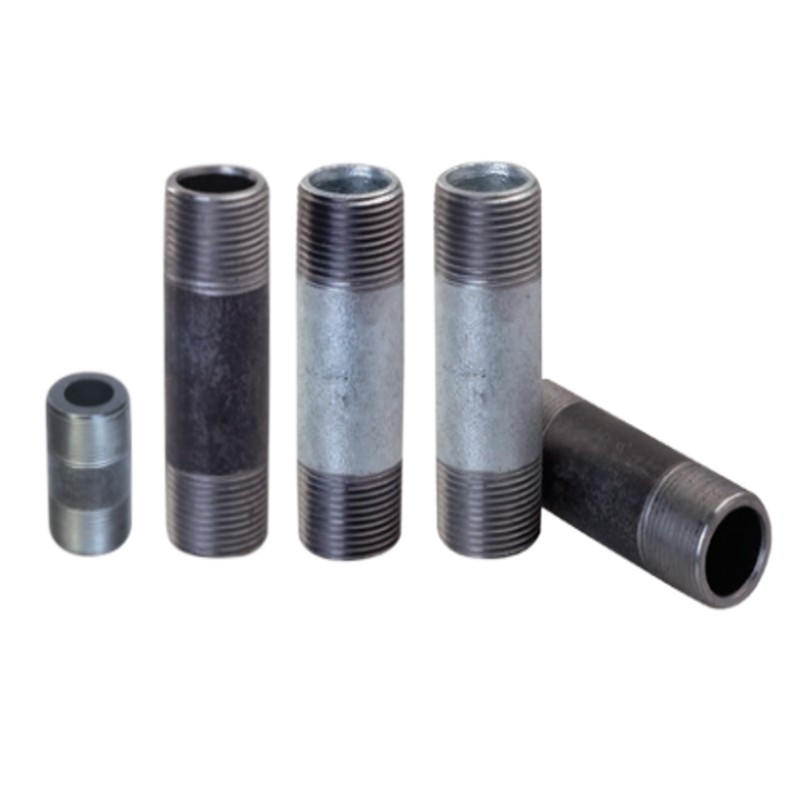
What Factors Determine the Appropriate Pipe Nipple Length in Fire Sprinkler Systems?
The length of the pipe nipple in a fire sprinkler system is an important design aspect. Pipe nipples are used to connect pipes, pipes to valves, or pipes to sprinkler heads. Nipples also are used to align parts in systems. The type of nipple to use for a given application, such as a barrel nipple, hose nipple, or tank nipple, is generally dependent upon the application itself and the required pressure. Typically, pipe nipples are used in a variety of sprinkler system arrangements.
Design Parameters Affecting Nipple Length
The distance between sprinkler heads and branch lines will determine the length of nipples required. In residential systems with varying ceiling heights or more complex systems such as storerooms and workshops longer nipples are required to maintain vertical to vertical connections. The size of the pipe, thread form and even the type of fitting will determine how nipples connect to other fittings. A ‘Hose nipple’ is a fitting used to connect a hose to another fitting such as a pipe, valve or another hose. Hose nipples are typically fitted with male threads to connect to NPT or BSP female threaded ports.
As designers calculate the maximum distance that a sprinkler can project below a ceiling configuration, it is common for suspended ceilings as well as open industrial buildings to be provided with specific lengths of pipe to develop a uniform coverage area. The Tank type nipple is one kind of nipple which have different length for the threading on the two side—the piping component is designed to provide the needed flexibility when connecting pipes of different depth in a sprinkler assembly.
Installation Tolerances and Alignment Considerations
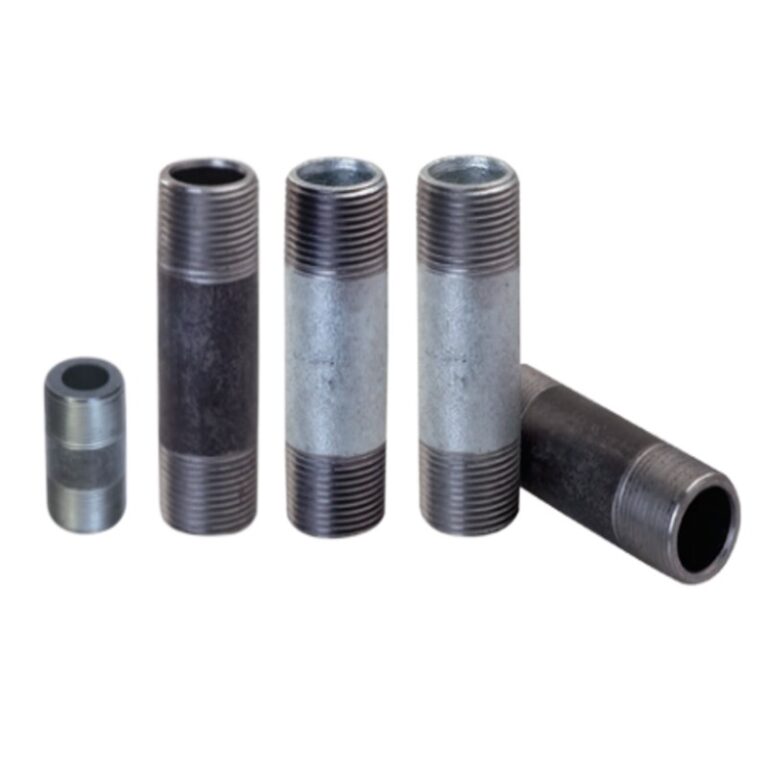
In plumbing installation, various installation tolerances must be met. The pipes must be installed in precise alignment to avoid excessive stress at the joints and connections. An incorrect pipe length can cause an uneven sprinkler head installation and can result in misaligned sections after connecting. Using a Barrel nipple ensures a consistent engagement depth when connecting up pipes, valves and other equipment using threaded connections. A Barrel nipple is a versatile and durable fitting designed to connect pipes, valves, and other components in plumbing, industrial, and mechanical systems.
As an example, professional installers would measure the center-to-center distance between pipes before they are cut or undergo any pipe threading. It is critical to maintain such precise tolerances.
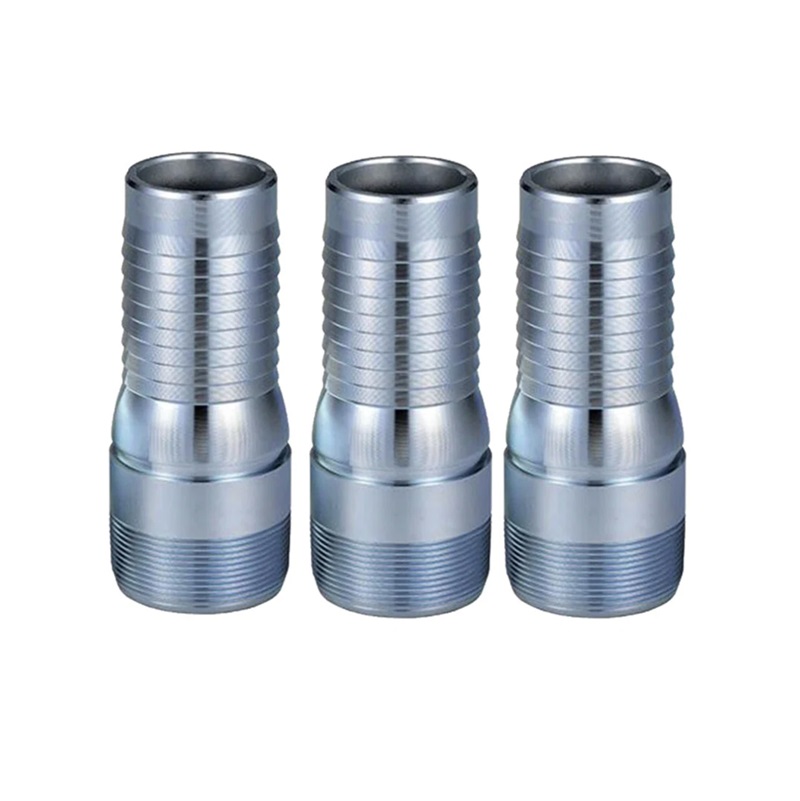
How Does Hydraulic Performance Influence Nipple Selection?
Hydraulic performance governs how efficiently water moves through a fire sprinkler network. Each fitting—including nipples—introduces frictional losses that affect flow rates and pressure distribution.
Pressure Drop Across Fittings and Nipples
Increased friction in longer nipples keeps more pressure in the water flowing through them but increases friction loss as the increased surface area of the water in contact with the nipple is penalized. Conversely, very short nipples can cause a restriction depending upon the diameter of the nipple in comparison to the adjacent pipes. By determining the friction loss of each section of pipe, the designer can size to maintain adequate pressure in each of the zones being serviced by a sprinkler system.
For example, using heavy-duty steel nipples such as those listed on Fluid Tech’s product pages for Fluid Hydronics, as per ASTM A733 specifications, engineers can reference the pressure-loss coefficients for modeling accuracy.
Flow Uniformity Across Sprinkler Heads
Uniform flow from evenly spaced sprinklers generates consistent discharge density from all operating sprinklers. Inconsistent nipple lengths create variations in head loss through branch lines. By utilizing computational hydraulic models prior to field installation of nipple lengths, consistent head loss can be assured.
In systems where different materials are used—such as carbon steel versus galvanized steel—the internal roughness factor slightly alters hydraulic resistance; therefore, material consistency throughout each branch line is recommended.
Which Standards Govern Pipe Nipple Dimensions in Fire Sprinkler Installations?
Fire protection systems rely on the adherence to a number of international standards for dimensions, threads, materials and test procedures.
Relevant International Standards
NFPA 13 addresses sprinkler spacing as well as connection type for fittings to supply lines. Pipe nipples for use in mechanical piping such as fire suppression systems are described in ASTM A733. Details for thread for pressure-tight joints are specified in ISO 7/1.
As you can see from the Material, Dimensions and Threads information listed below for the Fluid Tech products we have been promoting to you, all of the Fluid Tech products are also Dimensionally Compliant to these very same specifications and are therefore in full compliance with the Global specifications listed below:
Compliance Requirements During Inspection
Parts that are installed are inspected against stated criteria for start-up of the system commissioning. Often small items, such as a few cm or threads that are not right, can be repaired for documentation purposes and certified. Traceability of materials are documented by manufacturers to assist with future maintenance. Fluid Tech Piping Systems (Tianjin) Co., Ltd. is one of our suppliers with an ISO certified quality management system.
What Role Do Material Types Play in Selecting Pipe Nipples?
The material selected for use in a fire protection system will affect both the mechanical properties of the material and its resistance to corrosion under exposure conditions.
Common Materials Used for Fire Sprinkler Nipples
Carbon steel is commonly used for general purpose applications, where it offers great durability and cost effectiveness. Some types of carbon steel finishes are coated with zinc to form a galvanized finish to prevent rust in wet applications such as a basement or coastal facility. Stainless steel offers the best corrosion resistance and is typical for use in chemical plant applications and in cleanroom applications where maximum hygiene is required.
As you can see from our Fluid Tech catalog, we are trying to point out the many uses for the Plated steel. Plated steel for example has greater corrosion resistance than regular unplated steel and can help to prevent rust and weathering. Fluid Tech’s barrel nipples are of the highest quality carbon steel or stainless steel. They are designed to have exceptional strength, corrosion resistance and reliability in the most demanding of environments.
Compatibility with System Fluids and Coatings
Internal coatings on pipes help prevent scaling and extend the life of pipes. Also helps to maintain the flow of pipes. When antifreeze solutions are added to a wet-pipe system for cold-weather operation, it is essential to perform chemical compatibility checks on internal coatings. In relating to pipe fittings, it is crucial to use matching metal grades to prevent galvanic corrosion. In particular, stainless steel nipples should not be used with galvanized couplings unless isolating seals are provided.
How Can Installation Practices Ensure Correct Nipple Length Application?
Care in the measurement of precise elements and responsible assembly are fundamental to the correct application of the same during the installation phases of fire sprinkler networks.
Measuring Techniques Before Assembly
When connecting piping using fittings, such as those for tubing or pipes, center-to-center measurements should be taken using precision measuring instruments, keeping in mind the amount of effective thread depth for each connection. Based on nominal size, this can range from 1/2 inch for larger diameter connections to 1 inch for connections of smaller diameters, according to information found in ASTM A733 tables. Information about the various lengths of barrel nipples provided by Fluid Tech and detailed on the product data sheets for this type of fitting show lengths of 2 inches close up and 12 inches for longer lengths, for fittings of various diameters.
Verifying the approved design drawings prior to threading to verify minor deviations in the piping configuration will not affect the end alignment at the sprinkler outlet.
Installation Adjustments During Assembly
Avoid over-tightening which could distort threads or even crack the fitting due to the torque stress. Use of adjustable couplings are only permitted where engineering specifications so allow and shall not be used to compromise seal. After completion of the assembly, hydrostatic test will confirm leak-free condition of the joints and also would verify that proper alignment exists throughout the branch lines. The acceptance criterion for such test is as per NFPA acceptance criterion.
Why Choose FLUID TECH PIPING SYSTEMS (TIANJIN) CO., LTD as a Reliable Supplier?
FLUID TECH PIPING SYSTEMS (TIANJIN) CO., LTD specializes in manufacturing high-quality pipe nipples designed specifically for fire fighting systems and industrial piping applications worldwide. Their product range includes hose nipples suitable for cold-water sprinklers and irrigation setups featuring NPT/BSP threads; tank type nipples offering asymmetric threading; and barrel nipples available in welded or seamless construction conforming fully to ASTM A733/BS EN 10241 standards.
We operate sophisticated production sites around the globe for processing of components in hot-dip galvanizing, electric galvanizing, sandblasting, black coating as well as in the customer’s original finish. All of these coatings offer the respective corrosion protection for the components’ different areas of application. With strict quality control and, among others, by means of international certificates, we ensure that our components are manufactured to highest quality in regular audits as per ISO9001. Our technical engineers are available for any questions around the clock at [email protected].
Key Takeaways for Selecting the Correct Pipe Nipple Length
When specifying nipple length, it is necessary to tie together the fluid flow characteristics with the pipe and fitting configuration within the restrictions of NFPA 13 as well as with the general dimensional limits for such parts as laid out in ASTM. It is necessary to select materials best suited for long term service and accurately install these short pipe sections to ensure leak free service and to pass hydrostatic test.
Conclusion
Selecting the correct pipe nipple length represents an engineering decision balancing hydraulic efficiency against structural precision within fire sprinkler installations. By evaluating flow characteristics, standard compliance requirements, environmental conditions, and precise assembly methods—and partnering with certified manufacturers like FLUID TECH PIPING SYSTEMS (TIANJIN) CO., LTD—professionals achieve reliable system performance aligned with international safety expectations across diverse fire fighting applications.
FAQs
What are the consequences of using an incorrect nipple length for a fire sprinkler system?
Incorrect nipple lengths cause misaligned fittings, uneven distribution of water, more leakage, and do not meet code for inspectors.
Are there standard lengths available for pipe nipples used in sprinklers?
Yes – There are listed standard lengths for pipe nipples, commonly referred to as “nipples” used on fire sprinkler piping per specification ASTM A733, along with other specification. The company Fluid Tech has ability to custom-cut the typical barrel nipple, in order to better conform to a number of the possible layout constraints.
How should I calculate effective thread engagement when measuring nipple length?
Effective thread engagement should include male insertion depth plus sealing allowance—commonly about ½ inch per threaded connection depending on size designation charts found within ASTM references.
Can stainless steel nipples be used in conjunction with galvanized pipe fittings?
No, it is not recommended to use different metals in contact unless some protective measure is taken. There is potential for galvanic corrosion at points of contact between the stainless steel nipple and galvanized pipe fittings.
5. What quality assurance steps should be taken before installing supplied nipples?
Inspect threads visually for burrs or deformation; confirm dimensional accuracy using calipers; verify manufacturer certifications such as ISO9001; perform sample hydrostatic tests prior to full-scale deployment ensuring compliance with all applicable standards.