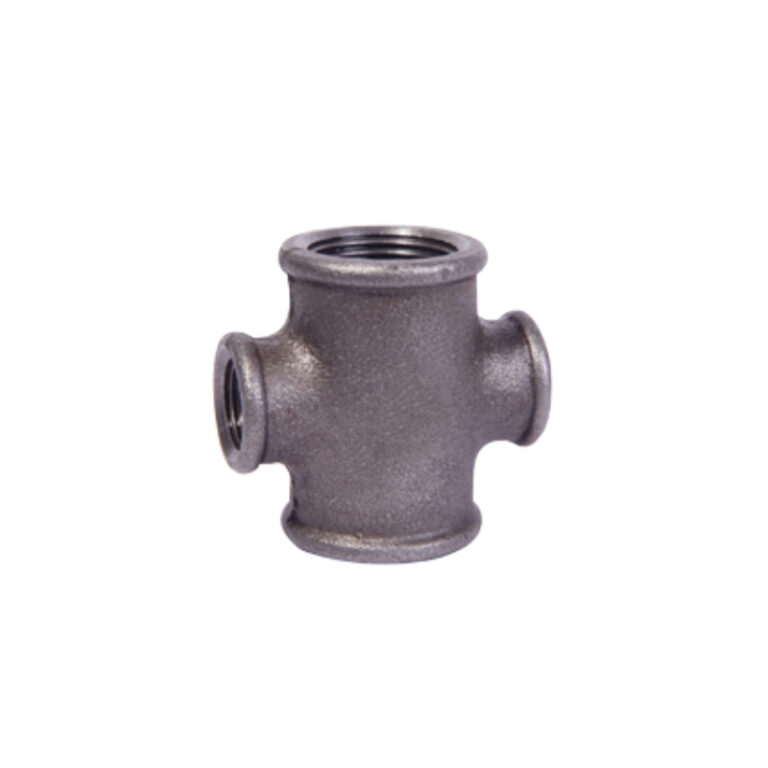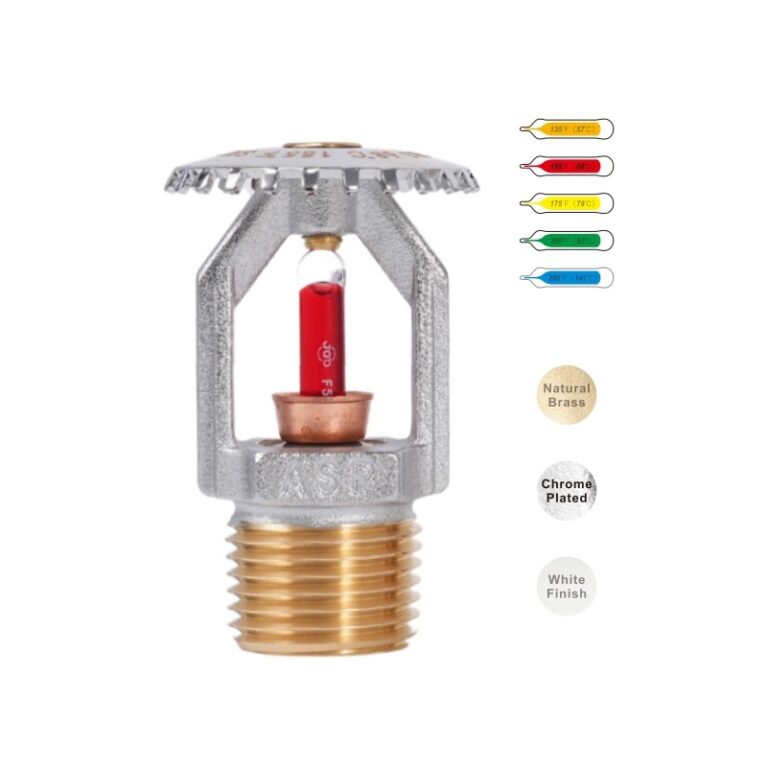
Malleable iron pipe fittings are often used in Fire Protection Systems, Water Supply Systems, Industrial Pipe Work and Fire Fighting Systems. The fact that a Pipe Fitting is made from Malleable Iron does not automatically mean that it is reliable. The fitting’s reliability is also greatly dependent upon the manufacturing process that has been used to transform the molten Iron into the finished Pipe Fitting.
Each stage of production, from casting to heat treatment, machining, inspection and hot-dip galvanizing, is critical to ensuring that the final product has the mechanical properties and corrosion resistance required. Using the latest manufacturing techniques has led to improved consistency, greater dimensional accuracy and longer service life for malleable iron fittings, making them the preferred choice of engineers, main contractors and specialist fire protection contractors around the world.
In this article we will trace the complete production process of malleable cast iron fittings for pipes, from the casting to the galvanizing. Each single phase of the production process plays a role in the performance, safety and dependability of the fittings, that are used in industrial plants as well as in fire protection systems.
How Are Malleable Iron Pipe Fittings Produced?
Malleable castings of pipes and fittings are produced by a sophisticated metallurgical process, i.e. by a casting process followed by a heat treatment process and by a protection process of surface. The produced pipes and fittings are of highest mechanical strength and corrosion resistance and are applied in fire protection systems and in fire fighting systems. Due to the high operating pressure of these systems, highest reliability of pipes and fittings is necessary.
What Is the Role of Casting in the Manufacturing Process?
The first stage in the production of malleable iron fittings is the casting. The highest quality pig iron is melted in a furnace at exactly defined temperatures in order to produce a uniform chemical composition. The resulting melt is then cast into sand casts or permanent molds in the required form and with the exact dimensions. In this stage, the temperature as well as the design of the mold play a crucial role in order to avoid internal stresses or air pockets. The cooling down process must also be controlled in such a way that the white iron produced has a fine grain structure which can be processed in subsequent heat treatment stages.
How Does Annealing Transform White Iron into Malleable Iron?
The process of annealing is used to transform the white, brittle iron castings into a strong, yet ductile malleable material. Cast fittings are heated to precise temperature and then allowed to dwell for several hours or even days at that temperature, depending on the section size of the part. The iron is then allowed to cool slowly and uniformly to room temperature. This heat treatment process changes the cementite in the white iron to very small, loose aggregates of temper carbon or even graphite, and the resulting microstructure is a ferritic or pearlitic malleable iron. The resulting castings have controlled mechanical properties, including tensile strength, elongation, and machinability. Each fitting will have consistent properties.
Why Is Machining Important After Heat Treatment?
The part is then machined to precise tolerances to form the threads of the pipe connections, the grooves for the seals, and the surface of the seals themselves. CNC machining allows for accurate and consistent results. The machining operation also removes any surface imperfections left from the casting process and any subsequent heat treatment operations. The surface of the parts are then finished using processes such as polishing or shot blasting to enable the parts to perform well in contact with other system components, including in pressurized fire protection systems where the seals are subject to maximum pressure.
What Quality Control Measures Ensure Reliable Performance?
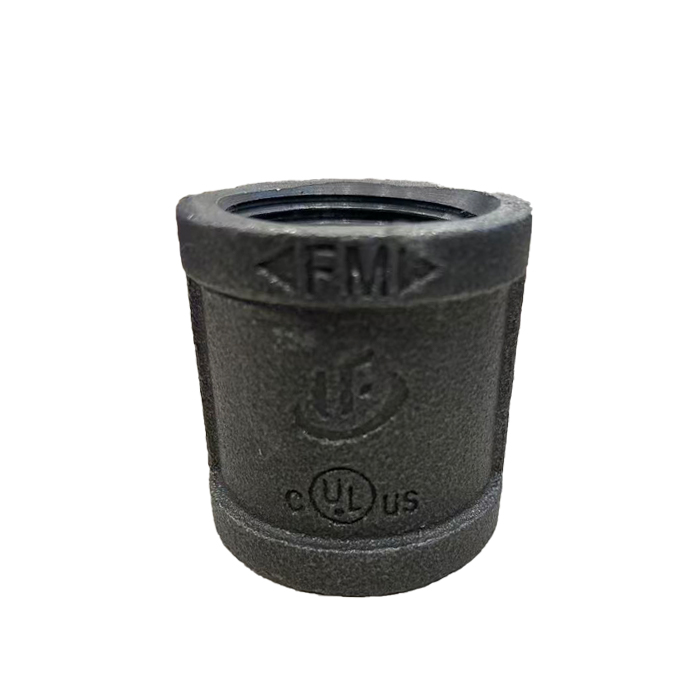
Throughout production quality assurance is incorporated to ensure that all items are manufactured to an international quality standard such as ISO 9001 or BS EN 10242. The quality of the material and the dimensional accuracy of all products is strictly tested before dispatch for galvanizing.
How Are Material Properties Tested During Production?
The mechanical properties of annealed material are verified by means of tensile tests, hardness tests and measurement of elongation in order to check that the material has the required ductility and has not lost any strength. A metallographic examination of the material is also used to verify the correct formation of the graphite and to check for any defects that could have arisen during casting such as shrinkage cavities or inclusions. Finally a dimensional check is carried out in order to check that the pipe fittings comply with the required dimensions in line with the international standards, such as ISO and ASTM for use in industrial and fire fighting systems.
What Non-Destructive Testing Methods Are Applied?
In order to detect any hidden defects without harming the product by means of testing, non-destructive testing methods are used. The magnetic particle testing indicates surface cracks and other defects caused by casting stress. The hydrostatic pressure test checks for leak-tightness. The test is carried out under working conditions and reproduces the water pressure in fire sprinkler systems. A visual test checks for surface defects prior to applying the final coating.
Why Is Galvanizing the Final Step in the Process?
Galvanizing is the final step in protecting the malleable iron pipe fittings from moisture or outdoors from corrosion for long lasting life and minimum maintenance cost over life.
How Does Hot-Dip Galvanizing Work?
Hot-dip galvanizing involves cleaned steel fittings being immersed into a bath of molten zinc at approximately 450°C under strict control. The molten zinc forms a metallurgical bond with the steel via diffusion, forming an intermetallic coating that offers superior protection against corrosion, such as rust, in wet conditions. The excess zinc is then drained off the steel article after immersion to preclude any possibility of an uneven coating thickness on the various surfaces.
What Are the Advantages of Galvanized Malleable Iron Pipe Fittings?
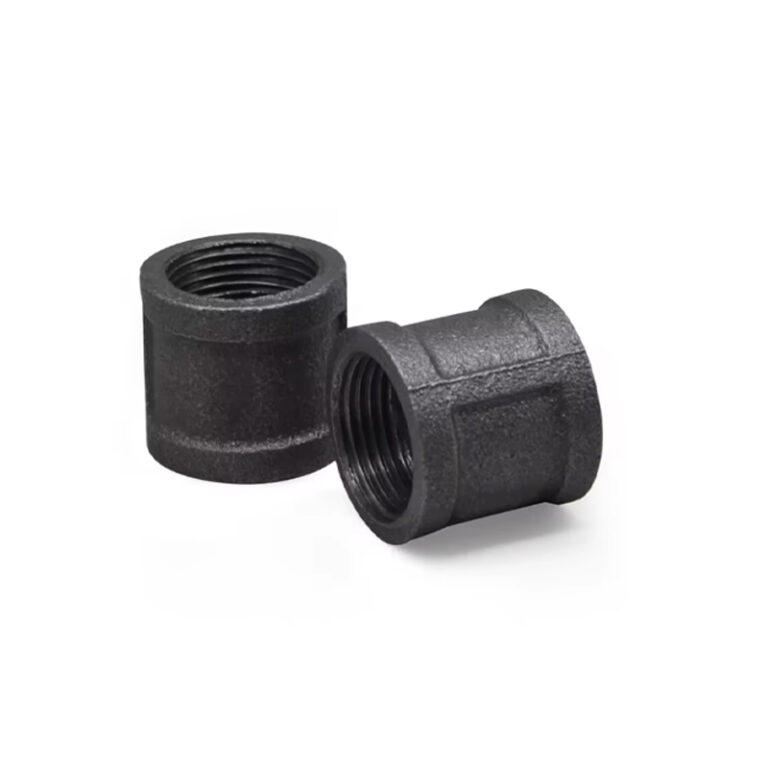
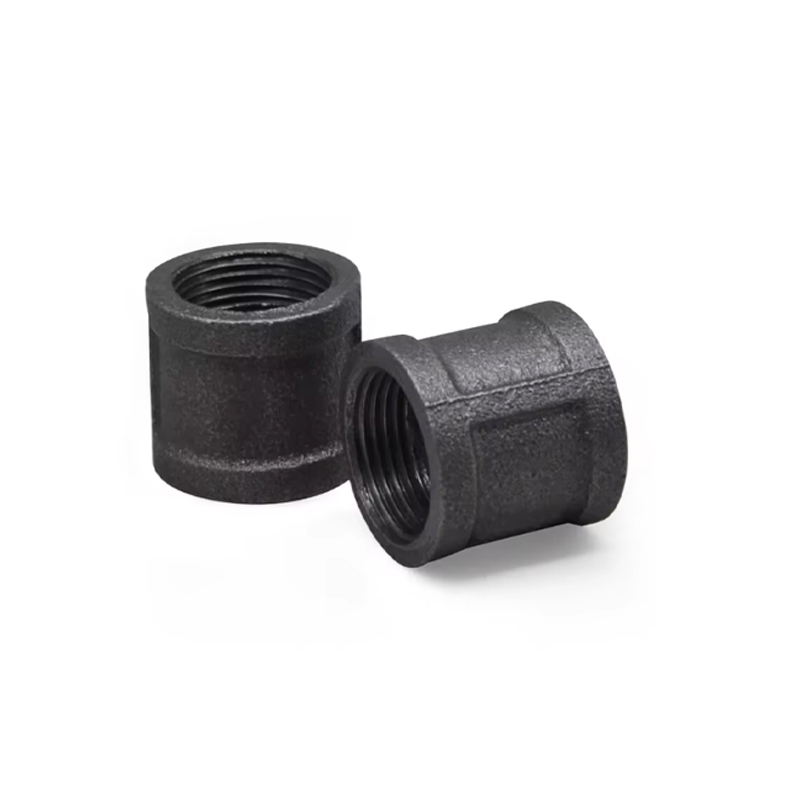
Galvanized malleable iron pipe fittings offer good corrosion resistance and high mechanical strength at high pressure. The Model Socket is a malleable iron full thread Socket Fig 270 with full-length external threads. It is used to connect 2 female fittings, to extend a pipe or to create length where required. The Socket is made of high-quality malleable iron which has good corrosion resistance and strength after galvanizing. It can withstand the rated working pressure and mechanical stress. The fittings are used for water supply, compressed air lines, industrial pipes, etc. The fittings are particularly suitable for fire protection systems where corrosion resistance is important in case of an emergency. The fittings are able to perform well in these applications.
How Does FLUID TECH PIPING SYSTEMS (TIANJIN) CO., LTD Contribute to the Industry?
FLUID TECH PIPING SYSTEMS (TIANJIN) CO., LTD. – a global manufacturer of high quality malleable cast iron pipe fittings for various industries. FLUID TECH Group is the first of its kind in Northern China specializing in Fire Protection field. Equipped with advance foundry technology, accurate and precise machineries, high automated galvanizing lines as well as comprehensive Quality Control Laboratory. We guarantee all our products to meet or even exceed the international quality standards.
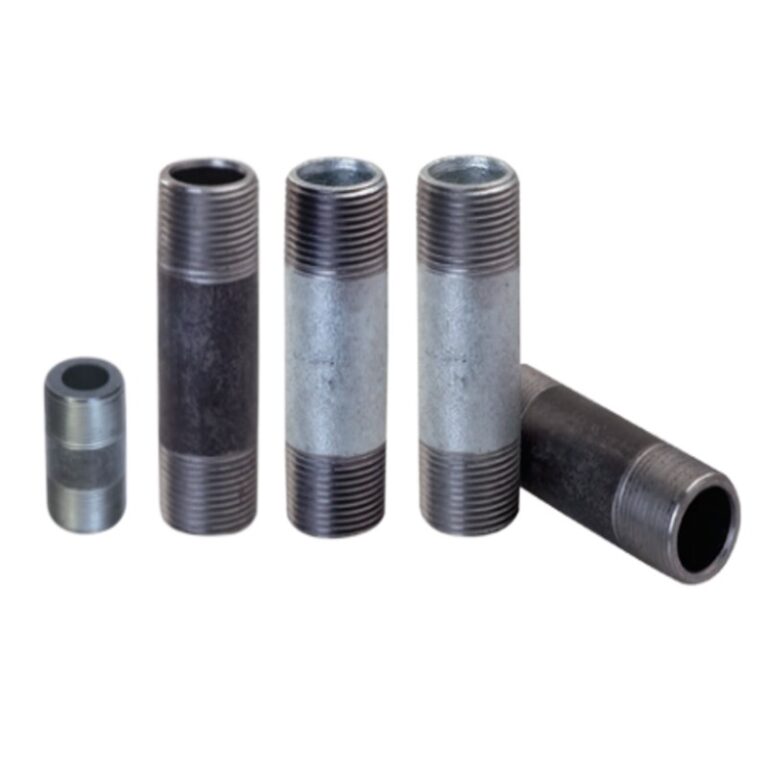
Malleable fittings, made from BS/EN standard malleable iron, such as elbows, tees, unions, sockets, plugs, bends, flanges and pipe nipples. Suitable for use in any piping system, fire sprinkler system or water distribution system. Designed to be compatible with other parts in complex piping systems.
Key Strengths of FLUID TECH PIPING SYSTEMS (TIANJIN) CO., LTD
Fluid Tech has an integrated production line from casting right through to annealing and galvanizing, all done within one factory and with quality control at each step of the process. Fluid Tech products are CE approved and are exported to all corners of the globe. With an excellent range of fluid handling products, FLUID TECH is an OEM supplier who can custom make and print products such as couplers, plugs and caps with a logo and even re-pack in alternate packaging. Worldwide service is offered on all custom made products.
The technical support team at Their provide with the customers running large-scale infrastructure projects such as commercial buildings or industrial plants with the necessary information and professional guidance with regard to the correct installation of their fire fighting system components.
What Insights Can Be Drawn from the Entire Manufacturing Process?
Our comprehensive manufacturing process is based on the integration of metallurgical science and precision engineering. By melting raw materials and casting them, followed by the application of a protective zinc coating in the galvanizing process, we are able to manufacture high quality components for fire protection systems worldwide. These components are able to withstand very high pressures and are also able to resist corrosion. Each stage of the manufacturing process has a specific function: the casting process creates the components’ structure and determines their strength; the annealing process makes the components more ductile; the precise work of the machining process is necessary for the accurate fit of the components; the quality control process ensures that all of our components comply with the relevant standards; and the galvanizing process protects the components against corrosion. The end result is a range of reliable fittings for fire protection systems.
Frequently Asked Questions (FAQs)
1. What distinguishes malleable iron pipe fittings from ductile iron fittings?
Malleable iron fittings gain their ductility through post-casting heat treatment that transforms brittle white iron into flexible ferritic structures. In contrast, ductile iron achieves similar mechanical properties directly during solidification due to nodular graphite formation without requiring annealing.
2. Why are malleable iron fittings preferred for fire protection systems?
These products have excellent mechanical properties for their working pressure and outstanding corrosion resistance after galvanizing. They offer an ideal solution for fire sprinkler networks where reliability is paramount to function correctly in emergency situations.
3. How does galvanizing improve fitting longevity?
The zinc coating acts as a sacrificial protective coating to prevent the underlying metal from oxidizing. The surface of the metal may be scratched locally and the adjacent metal will continue to provide protection against the rusting process.
4. Can malleable iron pipe fittings be used with other materials like steel or copper pipes?
Yes. The use of threaded joints in accordance with BSPT or NPT enables piping to be made of different materials and connected together while maintaining a seal between dissimilar metals by using the correct sealants during assembly.
5. What international standards govern malleable iron pipe fittings manufacturing?
Some of the commonly referenced specifications are; ISO 49 General Construction Cast Iron – General. ASTM A197/A197M Chemical composition. BS EN 10242 Dimensions and Tolerances. Mechanical Performance criteria. Used in many industries using threaded connections. Such as Modern fire fighting system infrastructures.