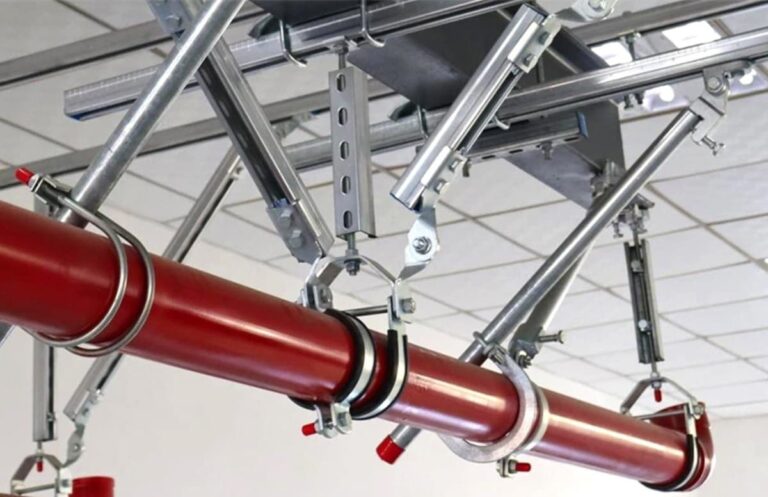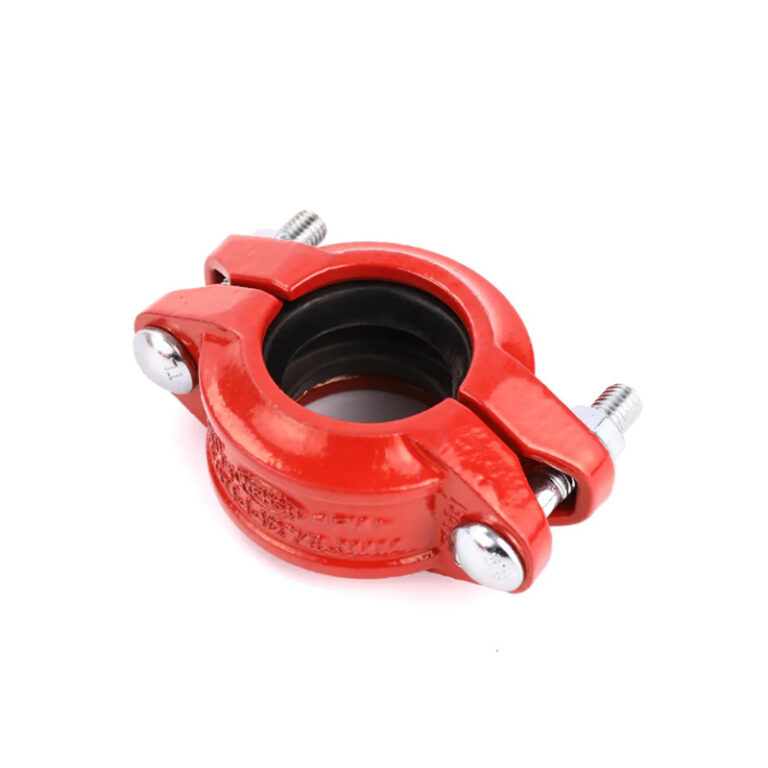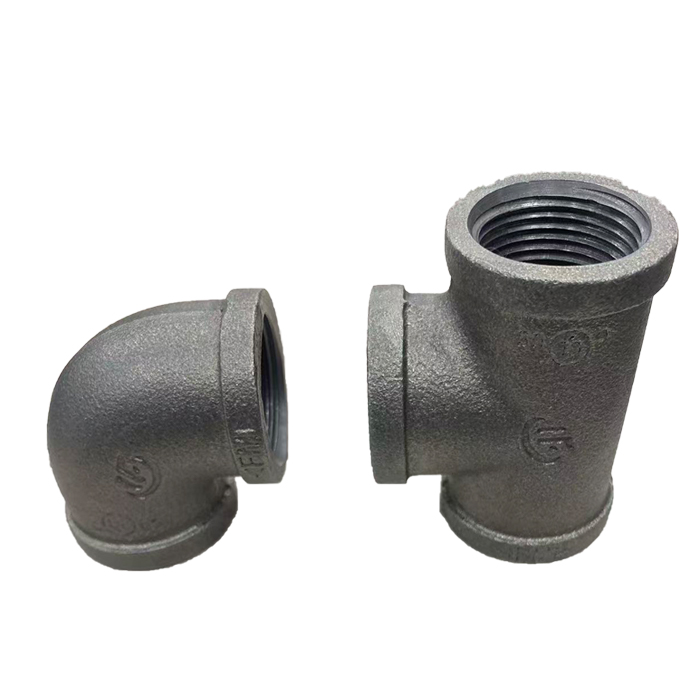
Pipe hangers and supports play a vital role in the planning and running of mechanical, plumbing, and fire protection setups. They offer solid stability by holding pipes steady, handling weights, and cutting down on shakes or shifts that might harm system work. These parts make sure that piping setups stay in line and secure under different working situations, like heat growth, earthquake shakes, or pressure changes.
Key Functions of Pipe Hangers
The main jobs of pipe hangers involve keeping proper pipe lineup all through the system. This stops bad alignment that can cause stress on joints or leaks. They also take in shakes from liquid flow or machine gear, which lowers noise spread and possible wear damage. Another key task is stopping sags or shifts under weight. This keeps a steady slope and flow speed across the setup.
Common Types of Pipe Supports
Pipe supports fall into groups based on their motion traits and weight-holding power:
- Rigid Supports: These give fixed spots for pipes where motion needs to be held back. They work well for upright risers or areas that need exact lineup.
- Spring Supports: Built to handle up-and-down motion from heat shifts, they keep steady support weights while letting some bend happen.
- Variable Supports: These let small moves happen within set limits to deal with system bend during work.
In many factory uses, common setups include clevis hangers and ring hangers.
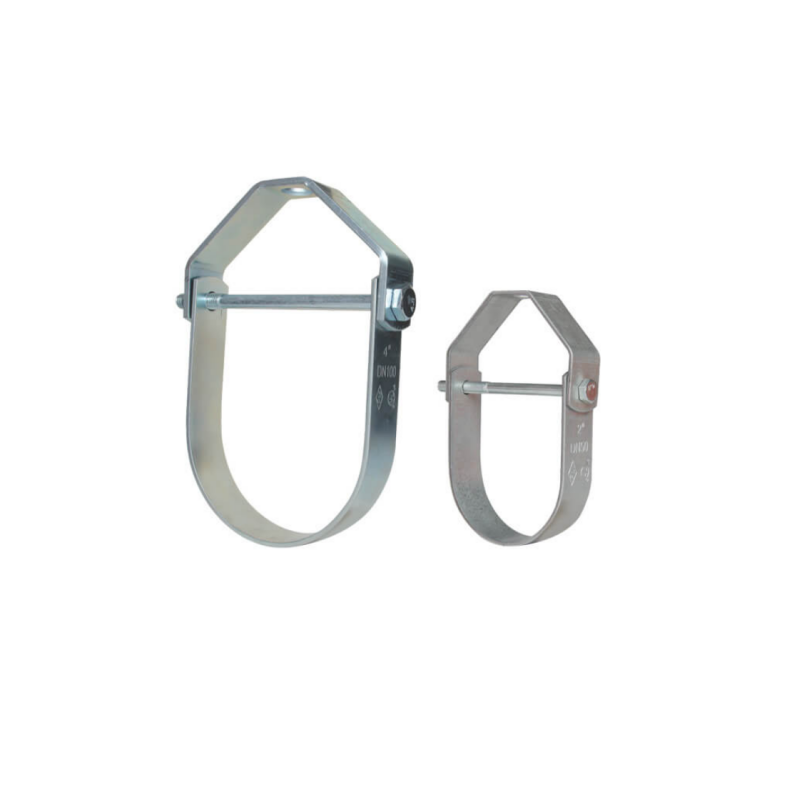
Clevis hanger is a strong and flexible pipe support made to hang piping systems from building parts like beams or ceilings. It comes from good materials such as carbon steel, stainless steel, or galvanized steel. This gives great lasting strength and rust resistance for many factory and business uses.
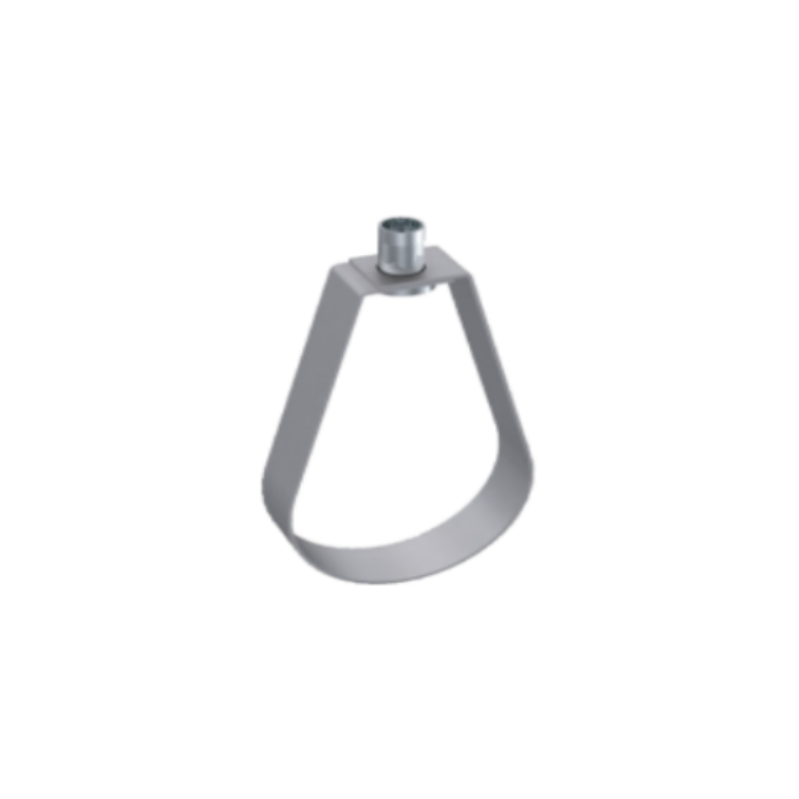
Ring hanger is a tool used to hold up and secure pipes, tubes, or other hanging items. People often use it in building work, factory gear setup, and machine putting together.
How Do You Choose the Right Pipe Hanger for a Project?
Picking the best pipe hanger calls for close review of tech details like weight limit, surroundings contact, heat range, and pipe material match. The right pick makes sure of steady work over time. At the same time, it boosts safety and upkeep ease.
Factors Influencing Selection
- Load Requirements: Engineers need to figure out both fixed (dead weight) and moving (work) loads when picking supports. The hanger should handle these without bending or too much bend.
- Pipe Material Compatibility: The material match between the hanger and pipe should avoid electric corrosion—above all in mixed-metal setups such as copper with steel.
- Thermal Expansion Considerations: Setups open to heat changes need supports that allow side-to-side motion without too much stress on joints.
Standards and Compliance in Pipe Support Design
Building rules set how supports must be planned, checked, and put in place:
- ASME B31 rules give planning guides for pressure piping setups across fields.
- NFPA guides rule fire sprinkler pipe hangers in key safety spots.
- ISO certifications make sure of worldwide match of materials and making methods.
Following UL/FM okay is very important in fire protection setups.
The Clevis hanger has Approvals: FM Approved / UL Listed.
The Ring hanger has Approvals: FM Approved / UL Listed.
Why Are Fire Sprinkler Pipe Hangers Critical in Safety Systems?
Fire sprinkler setups rely a lot on trusty pipe hangers. These keep exact lineup during regular work and urgent times. Well-planned fire sprinkler pipe hangers guard against breakdowns from heat shock, water rush, or building moves in earthquake events.
Design Requirements for Fire Sprinkler Pipe Hangers
Fire protection hangers must hit tough work standards:
- They need to stand up to earthquake shakes or building moves without hurting water flow wholeness.
- Rust-proof covers like electro-galvanized layers shield from dampness or chemical touch.
- Following UL/FM standards makes sure of insurance okay and rule approval.
Function: Designed for the suspension of non-insulated stationary pipe lines. The knurled insert nut allows vertical adjustment after installation. This feature from FLUID TECH’s ring hanger product line shows how adjustability boosts setup accuracy. At the same time, it keeps to NFPA 13 spacing needs.
Installation Best Practices for Fire Sprinkler Supports
Right setup affects system trust directly:
- Use pre-okay anchor spots per project plans to stop weight pass problems.
- Keep steady space between supports based on NFPA 13 guides for pipe size.
- Do regular checks—at least once a year—to confirm mechanical soundness after building upkeep or earthquake shakes.
How Can Proper Installation Improve System Efficiency?
Spot-on setup of pipe hangers boosts not just building steadiness but also water flow ease. It does this by keeping even slopes for draining or flow spread. Even weight spread stops extra stress on fittings and joints. As a result, it lengthens full service time.
Techniques for Accurate Placement of Pipe Supports
Exact tools help a lot during setup:
- Laser lineup tools make sure of right height control along long pipe paths.
- Checked measuring tools confirm even side space between supports.
- Records of built conditions make future upkeep planning simpler.
Common Installation Errors to Avoid
Engineers should skip usual mistakes that hurt trust:
- Tightening clamps too much can bend pipes or limit needed heat motion.
- Skipping growth space may lead to stress breaks at links.
- Using unmatched materials speeds up rust and causes early breakdown.
What Makes FLUID TECH PIPING SYSTEMS (TIANJIN) CO., LTD a Reliable Supplier?
FLUID TECH PIPING SYSTEMS (TIANJIN) CO., LTD shines as a focused maker giving okayed answers for factory piping hold setups. Their know-how covers HVAC nets, oil-chemical pipes, water clean plants, and fire guard structures.
Fluid tech group is the first company in northern China that specializes in the field of fire protection. This top spot highlights their drive for good building backed by new making tech.
Their goods list holds both clevis hangers and ring hangers planned to world rules.
Features: Function: Designed for the suspension of stationary pipe. Material: Carbon steel Finish: Electro-galvanized Approvals: FM Approved / UL Listed Maximum Temperature: 343°C (650°F).
Such details prove fit under high-heat spots common in factory setups.
Core Strengths of FLUID TECH Products
FLUID TECH’s strong points include:
- New making that ensures size exactness in all groups.
- A full goods set covering fixed holds like clevis hangers, changeable kinds such as ring hangers, beam clamps, threaded rods, nuts, bolts, and linked extras.
- A focused tech group giving planning advice services fit for hard building jobs needing special weight counts or odd shapes.
Their stick to strict quality check steps makes sure every part hits world okay needs before send-off. This is a key point when planning safety-key fire put-out nets.
Conclusion: Integrating Reliable Support Systems into Your Project Design
Putting well-picked pipe hangers into project plans makes sure of best work across all steps—from setup through long-run use. Whether using fixed setups for still pipes or changeable groups for heat-active systems, engineers can count on okayed goods from FLUID TECH PIPING SYSTEMS (TIANJIN) CO., LTD. This helps meet world safety rules while keeping work ease across varied uses including HVAC plants, oil-chemical spots, water clean stations, and fire sprinkler nets.
Frequently Asked Questions (FAQs)
1. What materials are commonly used in manufacturing pipe hangers?
Most current pipe hangers come from carbon steel because of its power-to-weight balance. Stainless steel types are chosen where rust block is key. Galvanized covers give cheap shield against rust mainly in wet spots.
2. How often should fire sprinkler pipe hangers be inspected?
Yearly checks are suggested at least—or right after earthquake events—to make sure safe hold points stay whole per NFPA 25 upkeep needs.
3. Can custom-designed hangers be requested from FLUID TECH PIPING SYSTEMS (TIANJIN) CO., LTD?
Yes. FLUID TECH gives made-to-order answers based on client drawings. These include changes in sizes, covers (electro-galvanized or pre-galvanized), material types (carbon steel or stainless), and weight limits checked through inside tests that match UL/FM guides.