Seismic bracing forms a key part of today’s structural engineering. It helps buildings and infrastructure stay stable during strong earthquakes. This system works to handle side-to-side forces from ground shaking. As a result, it stops major failures or damage in earthquakes.
The Function of Seismic Bracing in Load Distribution
In building frames, seismic braces serve as vital parts that move loads. They guide horizontal forces from earthquakes to vertical supports. This action keeps the structure balanced. Such shifts cut down on too much side movement and rocking. Without it, joints might break, or columns could bend out of shape. Seismic bracing directs energy along safe routes. Therefore, it boosts safety for people inside and protects key setups like fire pipes and machine holders.
How Do Engineers Design Effective Seismic Bracing Systems?
Engineers create strong seismic bracing systems by matching firmness, bendability, and energy absorption. They also fit these with the building’s practical setup. Experts consider the whole structure’s reaction and small details. This approach leads to good results under different earthquake strengths.
Key Design Parameters for Seismic Bracing
Choosing materials affects power-to-weight balance and give under repeated pulls. Details on connections, like welds, bolts, or grooved couplings, decide force flow between parts. These prevent early breaks. Extra backups in the braced setup make sure local harm does not weaken the full frame. Thus, it avoids chain reactions of failure.
Analytical Methods Used in Seismic Bracing Design
Modern tools like nonlinear dynamic analysis let engineers forecast how systems act in real quake events. Finite element modeling shows clear views of stress spots and bend patterns in tricky shapes. Performance-based design ties choices to safety goals. It measures okay damage based on building use and risk levels.
Why Is Material Selection Critical for Seismic Bracing Performance?
Material traits shape how well a structure takes in and spreads out energy in shakes. The best choice shows strong pull resistance and enough bend to avoid sudden snaps.
Common Materials Used in Seismic Bracing Systems
Structural steel stays the top pick because of its steady bend points and simple shaping into brace forms. Reinforced concrete gives great weight and firmness. However, it needs careful crack checks for lasting strength under back-and-forth forces. Composite materials, which mix fiber-reinforced polymers with metal centers, gain use in special cases. There, light weight and rust protection matter most.
Innovations in Material Science Enhancing Seismic Resistance
New metal work has brought tough alloys that fight wear from ongoing stress in quakes. Smart materials with built-in sensors now track stretch in real time within brace setups. This aids in planning fixes ahead. Plus, green options from reused items lower harm to the environment. At the same time, they meet rules for structure safety.
How Does Proper Installation Influence the Effectiveness of Seismic Bracing?
A top design can still fail without careful setup or checks on quality. Right positioning, tightness checks, and hold-down strength shape how well the brace works in a quake.
Quality Control During Installation Processes
Checking bolt tightness and weld strength guarantees smooth force lines at all joins. On-site reviews make sure work follows set plans and code rules for quake resistance. Records from these checks help track work for later reviews or upkeep.
Maintenance Considerations After Installation
Regular check times spot rust or wear from tiredness early. This stops them from turning into big risks. Updating old setups with better parts brings them up to new quake rules. It also lengthens use time. Upkeep notes act as key files for long-term plans to cut down on daily risks.
How Does FLUID TECH PIPING SYSTEMS (TIANJIN) CO., LTD Support Reliable Seismic Solutions?
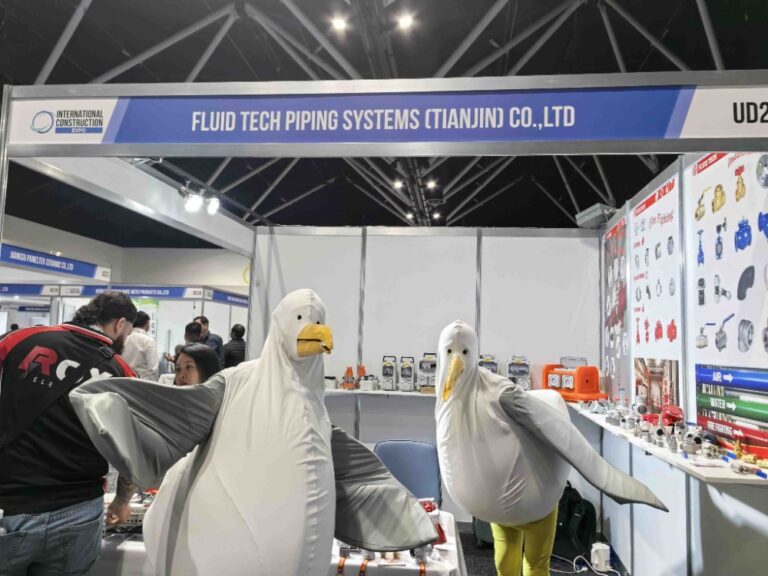
Fluid tech group leads as the first firm in northern China focused on fire safety. It uses its own brand, IF grooved coupling and grooved fittings. In 2018, flutech piping systems started in tianjin. This came through ties with various casting shops and pipe part makers. The firm offers full buying help to builders worldwide. Such smart linking lets FLUID TECH PIPING SYSTEMS (TIANJIN) CO., LTD supply full answers. These cover fire safety setups and quake brace parts suited to factory needs.
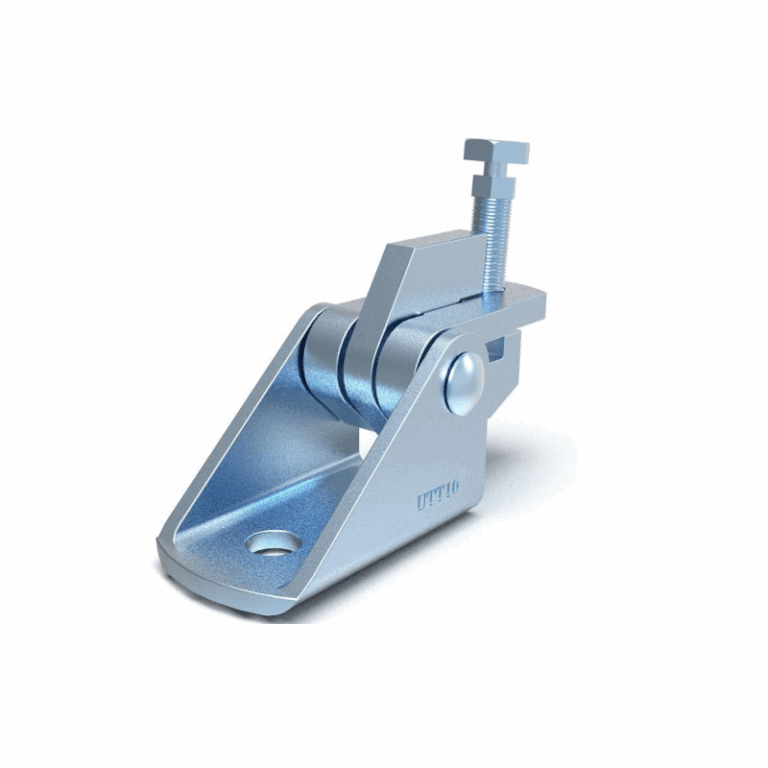
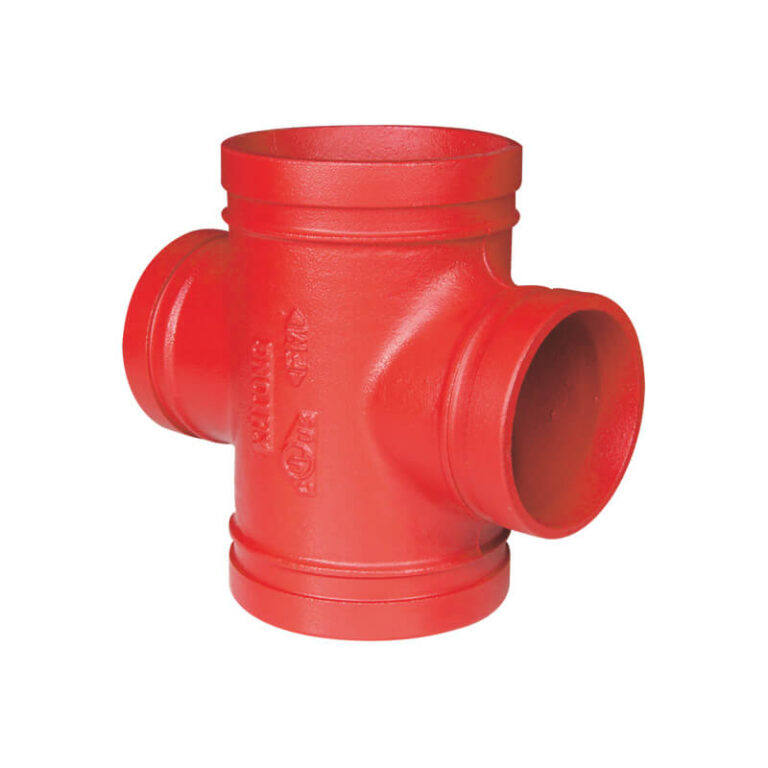
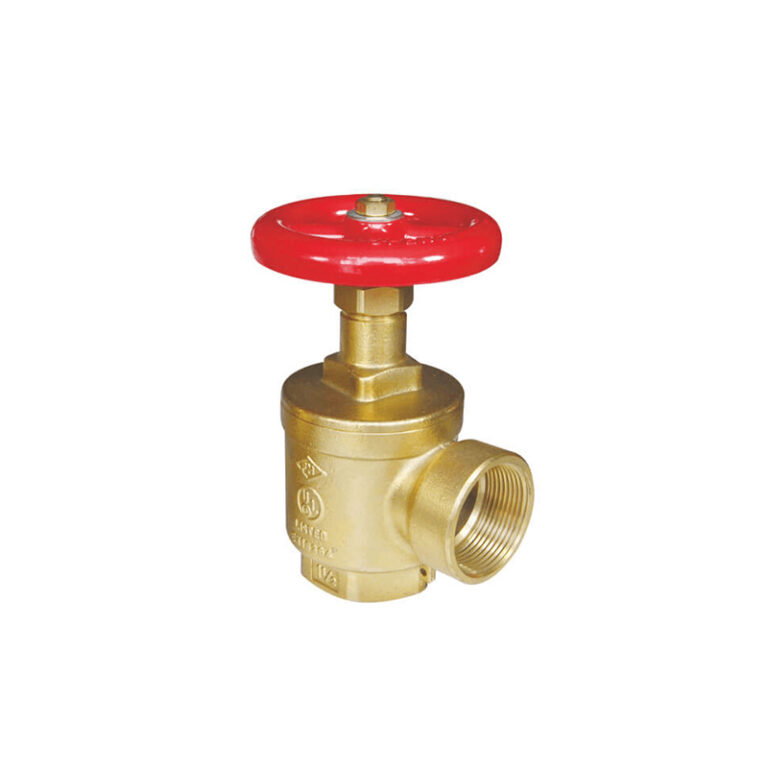
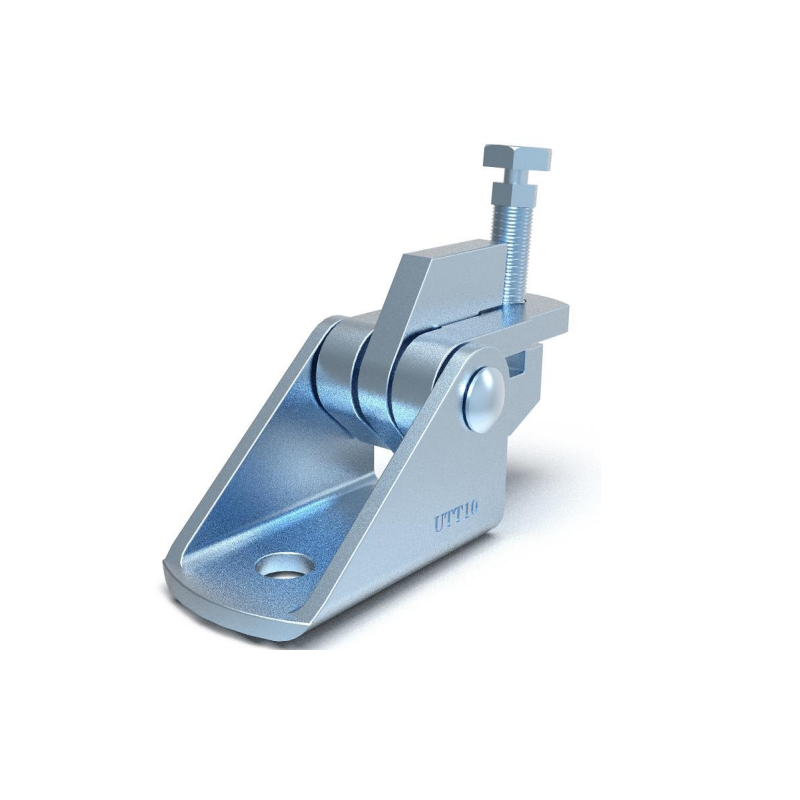
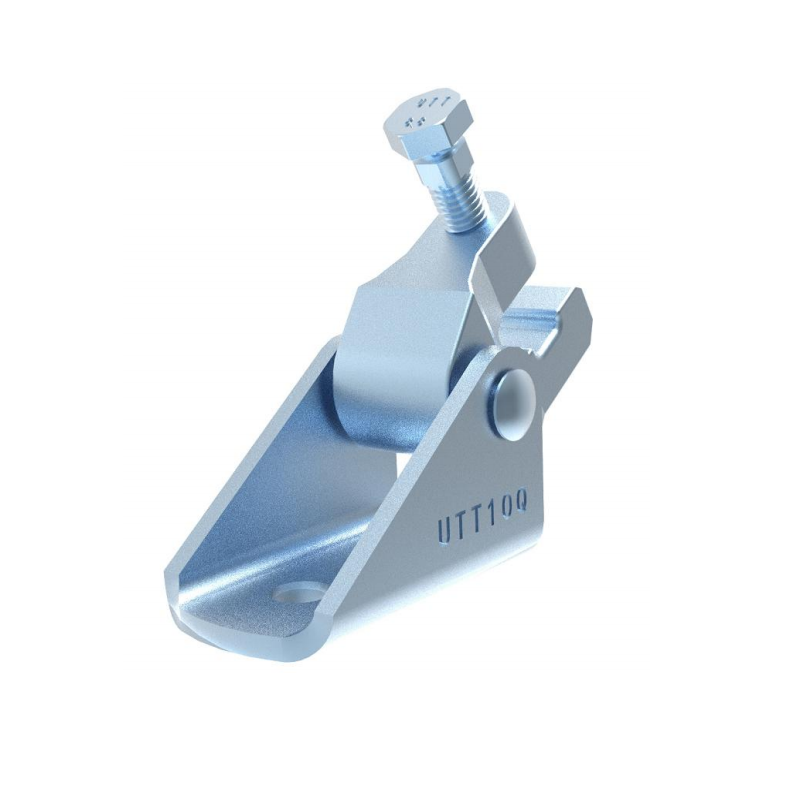
Their lineup holds C-channels, clamps, adapters, structural attachments (UTT10 series), beam adapters (UTT11), pipe clamps (UTT20Q), U quick lateral bracing clamps (UTT13), four-way adaptors, and lateral bracing clamps (UTT18). These fall under “Seismic Bracing System” on their main site. They sit with other must-have parts like ductile iron grooved couplings, valves, sprinklers, flexible hoses, nipples, sockets, flanges, forged fittings, and stainless-steel threaded fittings.
Commitment to Quality and Engineering Excellence
The fire protection products we export have cleared FM/UL/CE/LPCB/VDS certifications. The plants making them have passed iso, sgs, and tuv certifications. These approvals confirm they meet world rules for material standards and steady making. Such points play big roles in quake dependability. Our goal is to use fine products for project safety. We apply expert know-how to answer client issues. Plus, we give skilled all-in-one services to trim client spending. With ongoing new ideas tied to ISO-checked steps, FLUID TECH makes sure its goods work well with growing build tech used around the world. This spans business centers and factory sites.
Conclusion
Seismic bracing keeps its place as a must-have in current structural engineering work. Its power to cut quake damage guards not just buildings but also the lives of those inside. The mix of smart design ways, strict material picks, exact setup steps, and active upkeep builds lasting strength against sudden ground shifts. Working with solid providers like FLUID TECH PIPING SYSTEMS (TIANJIN) CO., LTD adds trust. Their approved goods lines blend easily into varied engineering setups across the globe. This strengthens belief in long-lasting build steadiness in quake zones.
FAQs
What factors determine the type of seismic bracing used in a building?
Choices hinge on details like building height-to-width balance, design shape limits on firmness spread, use type that sets drift bounds, local quake strength from area codes, material likes (steel over concrete), and backup amounts in side-force systems.
How often should seismic bracing systems be inspected?
Yearly checks suit standard use. Yet, quick reviews after big quakes matter most. They confirm join strength, position truth, rust hold, or wear from strain that could hurt work trust.
Can existing structures be retrofitted with modern seismic bracing systems?
Yes. Updating old buildings with fresh tools for study lets experts check load routes and spot weak points. Then, they add matching new braces, shock absorbers, or links. This boosts full strength with little rebuild work. It also cuts time away from normal operations.