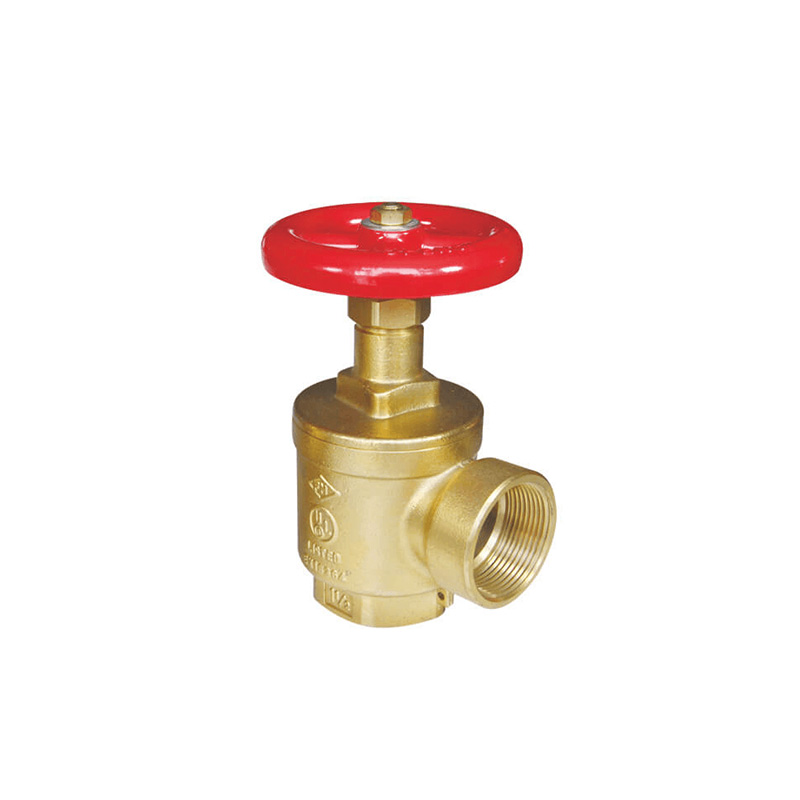
A fire-safety valve serves as a basic part in every fire protection setup. It offers automatic control for the movement of flammable liquids or gases in urgent situations. These valves work as key safety blocks. They stop fire from spreading by cutting off risky parts of pipe lines. They also help keep pressure steady.
Key Functions Within Fire Protection Networks
Fire-safety valves handle several important jobs in combined fire protection setups.
- They cut off fuel or gas flow if fire heat hits them. This stops more burning.
- They keep the system strong even when faced with very high heat or changes in pressure.
- They allow automatic startup through heat, pressure, or electric signals for quick action.
- They fit well with larger suppression systems like sprinklers or deluge units. This ensures smooth safety work together.
Typical Installation Areas
People install fire-safety valves in many high-risk spots in industry. These places deal with flammable materials. Common spots include oil and gas pipes, chemical plants, factory boilers, and sea platforms. Safety rules there demand strong measures. These valves play a vital role. They help contain issues and stop fires from growing worse.
How Does a Fire-Safety Valve Operate Mechanically?
The way a fire-safety valve works mechanically depends a lot on its build type. It could be a thermal fusible link, pressure-triggered, or electric-controlled. Each method gives steady results in tough surroundings.
Thermal Activation Mechanism
Thermal fusible link valves react to heat levels often set between 70°C and 100°C. If the air heat goes over this point, the meltable part softens. Then, the valve shuts on its own. This cuts off the pipe section involved. It stops extra fuel from reaching the fire spot.
Pressure-Controlled Response
Pressure-actuated valves use inside sensors. These detect odd changes in pressure. It might be a quick drop from a break or a rise from heat growth. When they spot this, the valve moves on its own. It keeps the system sealed and avoids big failures.
Electrical and Remote Control Integration
Newer fire-safety valves often include solenoid movers tied to main control boards. This setup lets people operate them from afar in crises or for upkeep. The chance to handle these from a distance boosts safety control in big industry setups.
What Types of Fire-Safety Valves Are Commonly Used?
Various fields need certain valve styles based on the liquid kind, working pressures, and heat levels. Picking the best one makes sure it works well. It also meets safety rules.
Fusible Link Valves
Fusible link valves act as simple guard tools. They use heat-sensitive parts that soften at a set heat point. When that happens, it frees mechanical pieces. Those close the valve without outside power. This makes them great for safe shutdowns in places without staff.
Deluge and Sprinkler System Valves
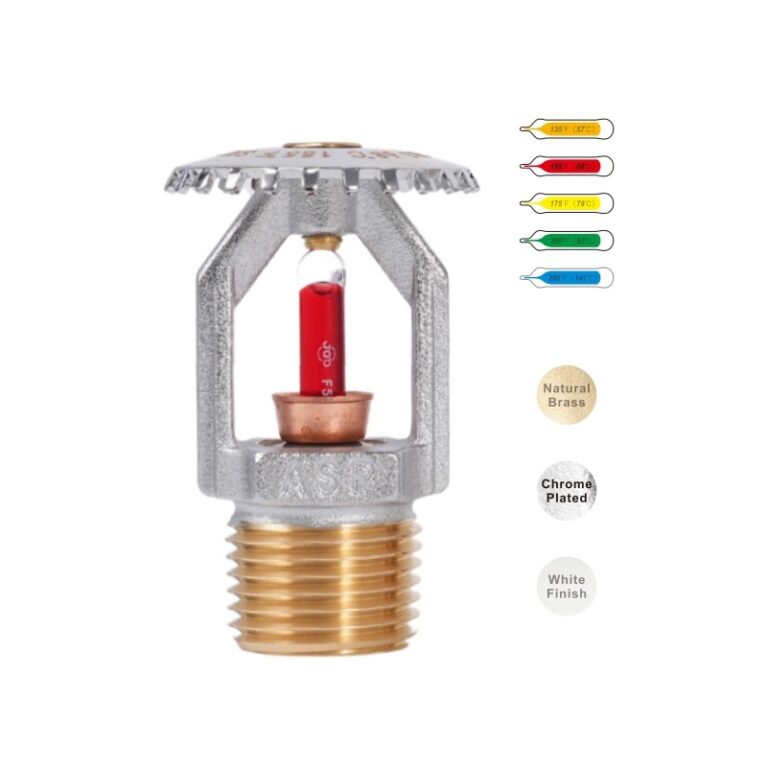
In water-based fight-back networks, deluge and sprinkler valves take an active part. They open on their own when started by spotters like heat or smoke detectors. They send out big amounts of water over set areas. This puts out fires fast.
Pressure Relief Valves for Fire Conditions
Pressure relief valves protect against too much pressure from heat growth in sealed setups during fires. They let out extra pressure in a safe way. Thus, they stop tank breaks and pipe bursts that could make things worse.
How Are Fire-Safety Valves Maintained for Long-Term Reliability?
Upkeep plays a big role in keeping fire-safety valves dependable over time. Regular check plans that match world standards like NFPA 30 or API 607 make sure these parts stay ready for their full use period.
Routine Inspection Practices
Regular upkeep includes these steps:
- Look over for rust, leaks, or damage by eye.
- Check the state of the meltable part and its set point accuracy.
- Test how it works under fake heat conditions to confirm quick response.
These actions help keep it ready to go in risky spots like oil refineries or chemical sites. There, any stop in work can lead to bad results.
Recordkeeping and Compliance Audits
Full records back up rule following. They also give a clear trail for every upkeep done on each valve. This matters a lot in areas like oil-chemical making or power fields. There, sticking to safety guides gets close watch.
Why Choose FLUID TECH PIPING SYSTEMS (TIANJIN) CO., LTD as Your Fire Safety Valve Supplier?
Fluid tech group stands as the first firm in northern China focused on fire protection. It has its own name – IF grooved coupling and grooved fittings. In 2018, Flutech Piping Systems started in Tianjin. It teamed up with a few casting shops and pipe part makers. The firm gives full-buy services for building groups worldwide. The fire items we send out have passed FM/UL/CE/LPCB/VDS approvals. The plants making them have cleared ISO, SGS, and TUV checks.
Their standing as a solid maker comes from their strong promise to build high-working pipe parts for hard industry uses. With modern making spots and tight quality checks, FLUID TECH makes sure of lasting strength and exact work even in rough spots. Their skill in fluid flow building lets them offer made-to-fit fixes that match tricky safety needs in world markets.
Our goal is to use top-quality goods to guard project safety. We apply expert know-how to answer buyer issues. Plus, we use skilled full-service help to cut buyer spending.
Key Considerations When Selecting a Fire-Safety Valve Supplier
Choosing the right seller impacts system steadiness and following of world safety rules for industry work.
Technical Specifications Evaluation
When looking at possible sellers:
- Make sure the materials work with carried items like oil, gas, or chemicals.
- Check that heat hold-up levels fit the surroundings at setup places.
- Go over product build details. This includes start method and seal tech for best work under stress.
Certification and Quality Assurance Factors
Approval acts as sign of trust:
- Confirm ISO 9001 for quality handling.
- Make sure they follow API 607/6FA or EN ISO 10497 for fire-safe test steps.
- Look at seller background via examples of good setups in industry safety works around the world.
Conclusion: Enhancing Industrial Safety Through Reliable Valve Technology
Fire-safety valves make up a core piece of today’s industry fire guard structures. They give both stop-ahead seal skills and react-hold functions in urgent times. Right picking based on work needs, along with steady upkeep, makes sure of good risk cut in many fields that handle burnable stuff. The work of approved makers like FLUID TECH PIPING SYSTEMS (TIANJIN) CO., LTD backs world pushes for safer build ways. They do this through solid tech fit into key structure systems.
FAQs About Fire-Safety Valves
Q1: Can a fire-safety valve be reused after activation?
A: Once it starts from heat touch or mechanical reply in a fire case, most valves need full swap. This is because their inside seal parts might wear out too much to fix.
Q2: How often should fire-safety valves be tested?
A: Test timing relies on field rules. But it should happen once a year in general. Also, do regular work checks every six months for key setups.
Q3: Are all fire-safety valves compatible with automated control systems?
A: Not every type is set for auto work. Yet, many fresh builds have solenoid links. These allow tie-in with main watch setups for far-off handling in urgent times.