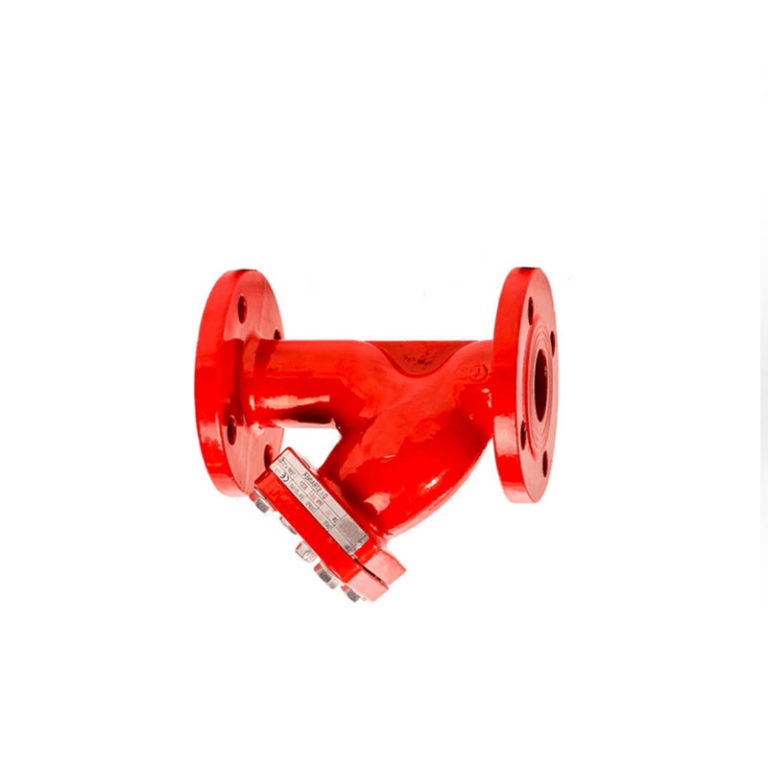
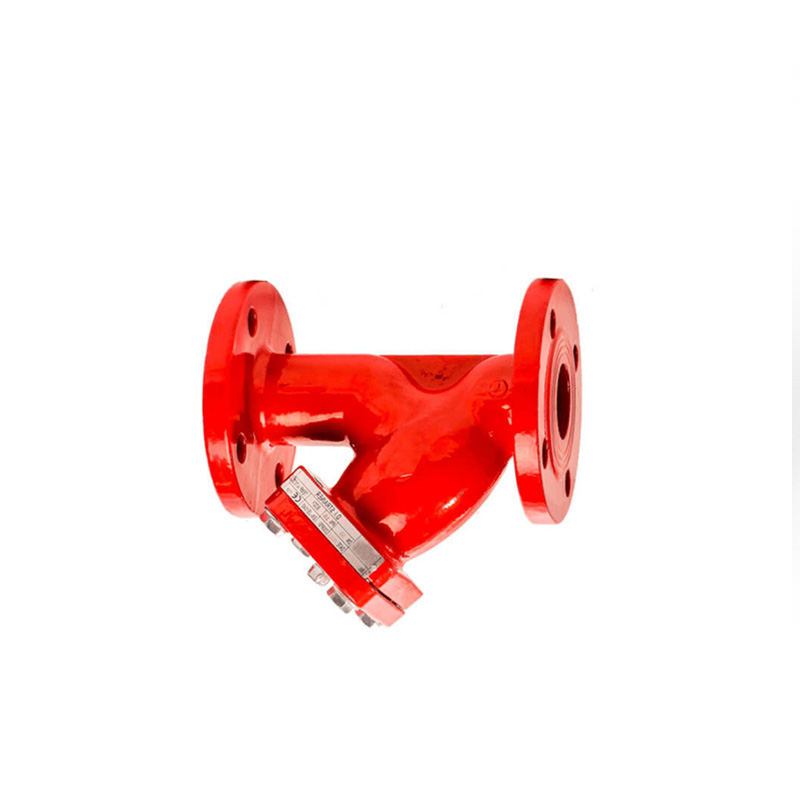
A replacement Y strainer may fit the pipe diameter and still be wrong for the space. Its flanges need to match the existing connections, and its screen has to come out without meeting a wall, tray or other pipe. Those checks deserve a place on the enquiry before the unit price is agreed. For the flanged Y-type strainer, request the drawing for the offered version rather than selecting from the product photograph. This guide concerns dimensional fit and maintenance access after the designer has established that a strainer belongs at that location.
What should be recorded before a replacement is ordered?
For a replacement, I start with the existing arrangement, not the shape in a catalogue photograph. The survey needs to show the connections and the room available for the replacement and for cleaning.
Measure the connection and the installation gap
Record nominal size, the flange standard and pressure designation, then obtain the drilling and facing details. For an existing installation, verify those details against drawings or measurements. Pipe outside diameter alone does not identify the flange drilling or face. Also record the distance available between flange faces. Include any gasket allowance in the fit review, using the proposed assembly details. I would not use flange bolts to pull misaligned pipe into place. The replacement length needs to be right.
Show the obstacles around the strainer
Photographs are useful only when I mark them with measurements. A quick sketch showing the floor, wall and nearby services often answers the clearance question faster than another photograph. The cover may be accessible while the screen remains trapped by an obstacle farther along its withdrawal path. Ask for the removal envelope on the supplier’s drawing and compare it with the survey. A unit that can be bolted into the gap is not necessarily a unit that can be serviced there.
Why is nominal flange size not enough?
Flange connections have details beyond diameter. The marking on an old part is a useful lead, but the proposed strainer still has to be checked against the actual mating connections. Compare candidates in the fire-system strainer range using their drawings, not just their size labels.
Check drilling facing and the gasket arrangement
Ask the supplier to state the flange standard, drilling, face type and gasket requirements on the offer. The pressure designation does not tell me whether the bolt holes match. If the proposed faces differ from the existing ones, refer the connection to the engineer and supplier instead of improvising a gasket arrangement. The same care applies to an adapter proposed during replacement: it changes the overall length and adds connections to review.
Keep the offered pressure rating traceable
I make sure the body rating and flange details describe the same offered version. A product page may cover several options. I keep the rating and dimensions tied to the same offered version. I request the selected data sheet and drawing as one package. Where fire-system approval is specified, ask for the evidence covering that model and size. General approval logos do not establish the scope of every connection option.
How much room is needed for screen removal?
There is no reliable universal clearance to copy into every layout. The body and screen dimensions vary with the design. I use the selected manufacturer’s drawing and instructions for that answer.
Follow the entire withdrawal path
I trace the cover opening and the screen withdrawal path, then mark where the technician can put the removed parts. Remember that the person needs working access as well as the screen needing geometric clearance. If that path crosses another service, I raise the conflict before ordering. The answer may be to revise the layout. Assuming that the cover will never be opened is not maintenance planning.
Confirm flow direction and permitted orientation
I compare the body arrow with the designed flow direction. I then use the instructions to confirm the pocket and cleaning connection orientation. Do not rotate an assembly merely to create space without confirming that arrangement. Before access for cleaning, the system must be isolated and depressurized under an authorized procedure. A loosened cover is not a means of proving that a pressurized system is safe.
Which screen should be supplied with the replacement?
Space is only one part of the replacement review. The screen specification needs to remain visible in the order, even when the existing unit is being replaced with something that looks identical.
Request the opening and the design flow data
State the screen material and opening required by the designer. A finer opening is not automatically an improvement; it changes what is retained and can affect pressure loss and cleaning needs. Ask for the relevant flow and pressure-loss information for the offered screen. Do not assume that a curve for a different screen or size applies. The designer should check the selection against the system duty and the equipment it protects.
Arrange the handover for future cleaning
Keep the screen and cover-seal references with the maintenance records. Obtain the cleaning instructions, any replacement-part details and the selected drawing. Discuss isolation arrangements with the responsible designer or operator rather than adding bypasses or changing fire-water service on site. Fluid Tech’s fire protection pipeline system information provides wider component context, but the specific strainer instructions remain the reference for its maintenance.
What should a replacement enquiry sent to Fluid Tech include?
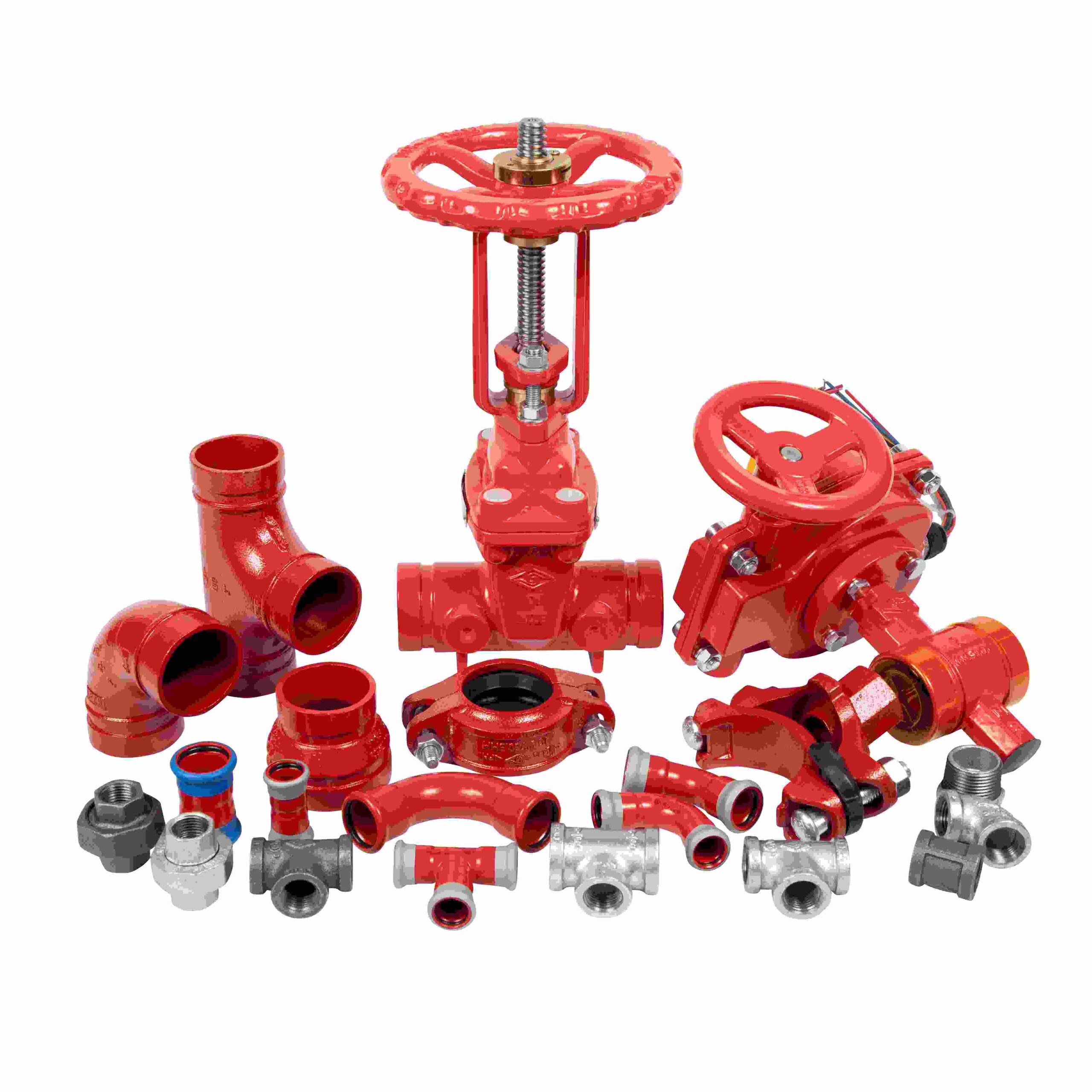
FLUID TECH PIPING SYSTEMS (TIANJIN) CO., LTD supplies fire-protection piping products, including strainers, and provides procurement support across the component range. Send the connection survey, installation gap, available cleaning space and required screen details with the design duty. Request a quotation identifying the offered version and its available drawings and approval documents. Resolve differences with the project engineer before release. This is more useful than asking the supplier to match an unidentified old casting from a photograph.
After commissioning, the record should remain useful. Keep the screen opening, cover-seal reference and cleaning instructions with the valve schedule. When the first inspection is due, the operator should not need to search an old email to learn which screen was supplied. Good procurement information continues to pay back during maintenance.
For a quotation, I prefer a supplier response that says exactly which drawing was used. It is much easier to review ‘drawing A, screen option B, flange standard C’ than a paragraph saying the product is suitable for fire service. The project engineer can then confirm the duty, and the installer can work from the same reference. That chain of identification is more valuable than another general product photograph.
The same sketch can record the practical side of maintenance. Where will the technician stand? Can the isolated section drain safely? Is there room to hold the cover without leaning it against another valve? Those are site questions, but they affect the replacement choice. A strainer that looks compact on a data sheet may still be awkward to clean when it is installed beside a pump room wall.
I normally make a simple clearance sketch before asking for a replacement quote. One line shows the pipe centerline; another shows the wall or tray. I mark the cover, the pocket and the direction in which the screen will be withdrawn. It is not a fabrication drawing. It is a quick way of finding the obstacle that a product photograph hides. If the screen has to come out vertically, the height above the unit belongs on the sketch as well.
Conclusion
There are two final fit checks: the bolted connection and the maintenance space. Confirm the facing, drilling and installed length, then compare the screen withdrawal drawing with the surveyed space. Keep the screen specification and service evidence tied to that same offered version. It is cheaper to find the mismatch in procurement than after the pipework is live.
FAQs
Can two strainers of the same nominal size have different lengths?
Yes. Obtain the selected unit’s dimensional drawing and compare it with the installation gap. Nominal pipe size does not establish the strainer’s end-to-end length.
Is there a standard screen removal clearance for every Y strainer?
I do not copy a universal clearance. I use the offered model’s removal dimensions and leave working access around them.
Should a replacement always have a finer screen?
No. Confirm the required opening and pressure-loss information with the designer. A replacement should suit the specified duty rather than change the filtration requirement without review.