A list of certification logos is very comforting for those who wish to undertake fire safety projects internationally. However, one should note the fact that the above-mentioned logos have other meanings apart from their implied ones. Certain marks mean the independent certification of the products, while others symbolize the standards of the market and product regulation. Before buying malleable iron threaded pipe fittings, construction companies and distributors have to establish the targeted country, standard, and exact fitting model, instead of demanding all the logos on one certificate.
Why Do Certifications Matter When Buying Threaded Pipe Fittings?
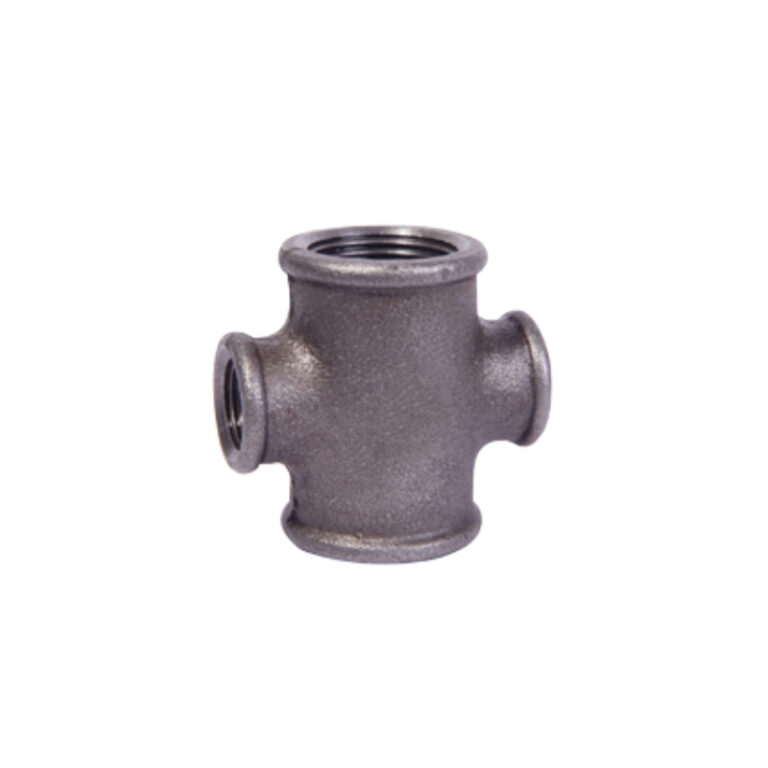
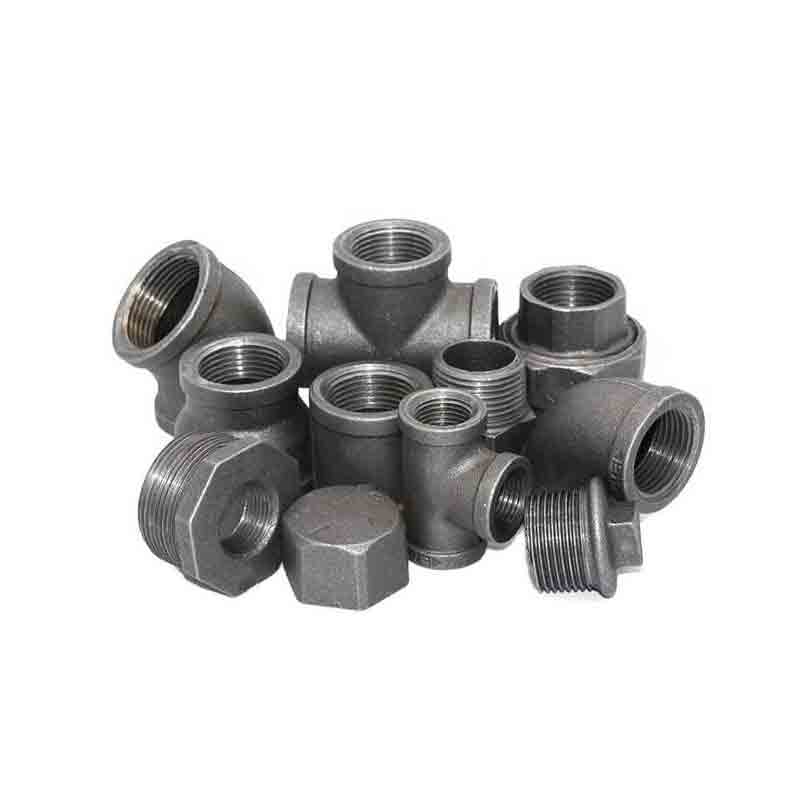
Iron elbows, tees, sockets, and unions which are flexible are used to connect the threaded pipes. For fire sprinklers procurement, the mechanical fitness and approval of these items by the project authority is as important as the nominal thread size.
What Is the Difference Between a Standard and a Certification?
Product specifications are defined by standards like EN 10242 or ASME B16.3. Certification or approval involves the evaluation process relative to some specific requirements with its specific scope. Compatibility of NPT/BSPT thread, pressure rating, finish, and fit for service has to be confirmed separately. ISO 9001 certificate issued to the factory does not imply that all manufactured fittings are certified.
What Do UL, FM and C-UL Mean in North America?
All three certifications are usually demanded for fire protection equipment, although each one has to be confirmed by the listing/approval report.
UL Listed: Product Certification for Applicable Requirements
Abbreviation UL stands for UL Solutions Certification. UL Listed or UL Certified mark denotes that the particular product was tested under a certain certification program. Consumers need to find out the file number, related standard, manufacturer and list of products in UL Product iQ; only the logo from the general brochure will not be enough.
FM Approved: Loss-Prevention Product Approval
FM Approvals conducts tests for the products according to the appropriate loss prevention standards. The fitting approved by FM must be identified in the Approval Guide with its proper use and sizing stated in the approval listing. FM approval and UL listing are two different processes and one cannot automatically replace the other.
C-UL: Certification Against Canadian Requirements
The “legacy” cUL symbol, or a UL mark that includes a Canadian identifier, means certification to Canadian requirements where applicable. The cULus symbol may be used to identify both Canada and the USA. Never assume all UL marks mean the same thing – always check the geographical identifier and scope of the certificate.
What Do CE, UKCA, VdS, LPCB and BSI Kitemark Mean in Europe?
European projects may combine legal conformity requirements with voluntary or specification-driven third-party approvals. Those requirements should be checked separately.
CE and UKCA: Regulatory Conformity Marking
CE marking indicates conformity with applicable EU harmonisation rules where the product is covered by legislation requiring it. For construction products, applicable harmonised technical specifications and a Declaration of Performance or its current equivalent determine whether CE marking can be used. CE is not simply an all-purpose laboratory certificate. UKCA is the UK conformity-marking regime for applicable products in Great Britain; CE recognition for construction products also continues under current UK policy. Applicability must be checked by product and destination.
VdS, LPCB and BSI Kitemark: Independent Assessment Schemes
VdS is a German certification and approval body active in fire protection. RedBook Live publishes listings for the eligible fire and security products certified by LPCB through BRE Global. BSI Kitemark is another third-party scheme provided by BSI for the product tested against a particular standard. None of the above schemes implies inclusion of all types of threaded fittings automatically since the model and application should be in the appropriate scope.
Which Local Certification Schemes May Matter Across Asia?
Importers selling into Southeast Asia, South Korea or Turkey should review local regulatory categories before treating a national mark as universally compulsory.
SNI, SCDF PLS and SIRIM
SNI refers to Indonesian National Standards; mandatory SNI certification applies only where the relevant Indonesian regulation requires it. Singapore’s SCDF Product Listing Scheme (PLS) applies to regulated fire safety products identified in its Fire Code. Where applicable, an accredited certification body issues a Certificate of Conformity; this is not a blanket “SCDF certification” for all fittings. Malaysia’s SIRIM QAS provides product certification to specified standards, which may be voluntary or required under a particular regulator.
TSE, KS and CNBOP
TSE identifies the Turkish Standards Institution and its product conformity schemes. KS is the Korean Industrial Standards certification mark for eligible products, and it should not be confused with the separate Korean KC mark. Poland’s CNBOP-PIB handles several fire-protection conformity and product-admission processes. The necessity of using a CNBOP document will depend on the exact type and procedure used; it does not have to be used for all imported threaded fittings.
What Do NOM and INMETRO/ABNT Mean in the Americas?
Local market names can be mistaken for universal approvals. In fact, they often describe a national standards or conformity-assessment framework.
NOM in Mexico and INMETRO/ABNT in Brazil
NOM stands for Mexico’s Official Mexican Standards: mandatory technical regulations where a product falls within their scope.Metrology and conformity assessment are regulated by INMETRO in Brazil, whereas the technical standards of Brazil are developed by ABNT. The standard of ABNT and the certificate regulated by INMETRO are two different things. The buyer needs to make sure that a particular threaded fitting falls under a compulsory requirement.
How Can Buyers Verify the Right Certification Before Ordering?
The safest purchasing process starts with project specifications and works backward to fitting documentation, not the other way around.
Match the Listing to the Exact Model and Application
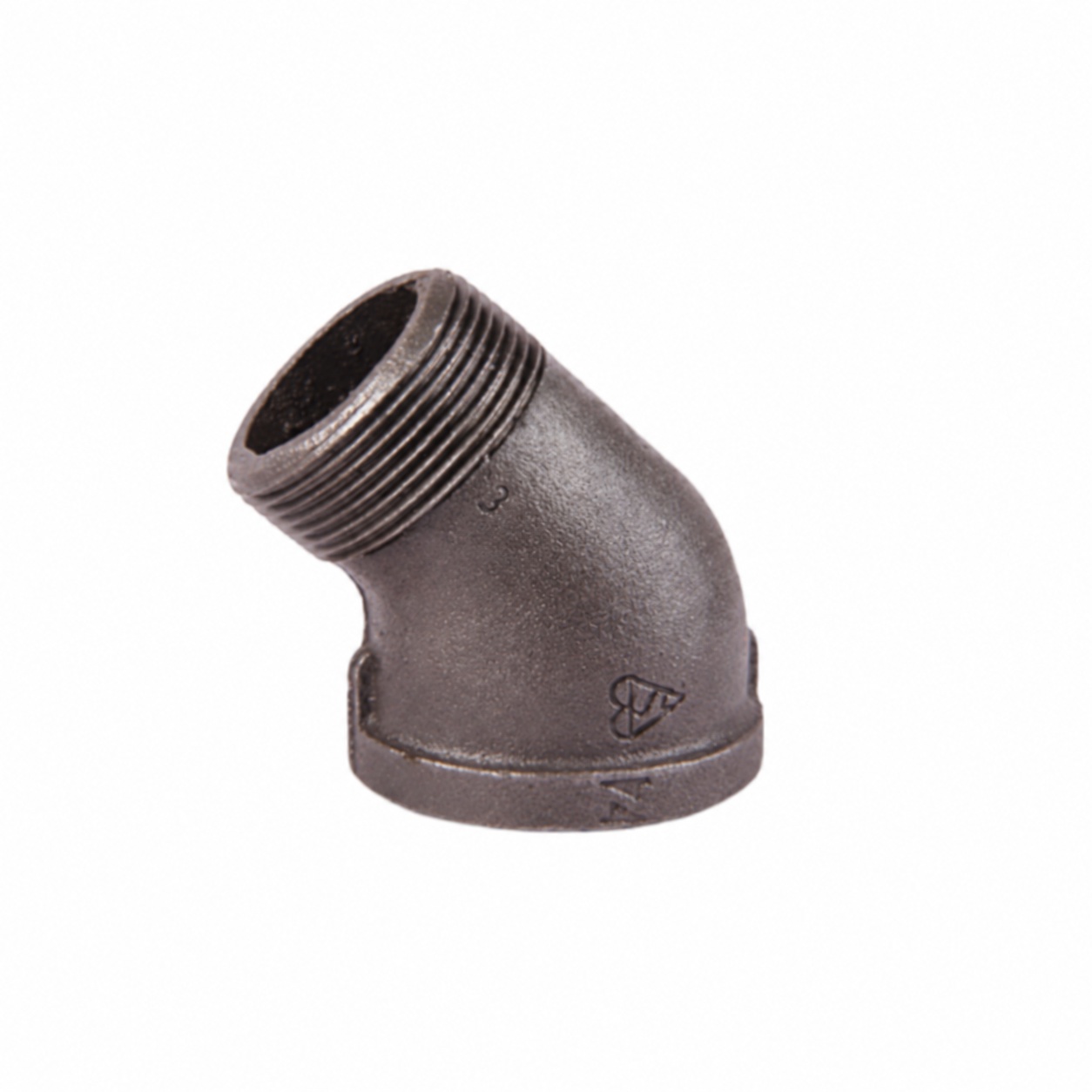
Ask for the certificate or public listing, document number, issuing body, validity status, manufacturer, fitting figure, size range and intended service. Check whether the evidence covers the actual 45° male/female threaded street elbow or another figure, and whether the order requires BSPT or NPT threads. For U.S.-style designs, confirm the product details against the American-standard malleable iron fittings selected for the project. Obtain clarification from the authority having jurisdiction when a market rule is uncertain.
Why Consider Fluid Tech for Threaded Fitting Procurement?
Fluid Tech Piping Systems (Tianjin) Co., Ltd. supplies fire protection piping components and supports consolidated international procurement. Its website identifies UL/FM information for selected malleable iron fittings and describes broader fire protection product certification capabilities. Buyers should still request current, model-specific documents, rather than interpret the company’s overall certification portfolio as approval of every fitting under every scheme.
Conclusion
UL, FM and cUL address distinct product certification schemes; CE and UKCA concern applicable regulatory marking; VdS, LPCB and BSI Kitemark offer separate assessment routes. NOM, INMETRO/ABNT, SNI, SCDF PLS, SIRIM, TSE, KS and CNBOP are market-specific frameworks with different scopes. For malleable iron threaded fittings, the useful question is not “How many logos are on the catalog?” but “Which valid evidence covers this exact product for this project?”
FAQs
Do All Malleable Iron Threaded Fittings Need UL and FM Approval?
No. These will be determined by the application and by the contract itself. When it comes to fire sprinklers, it is necessary to identify the listing and/or approval that applies instead of assuming all plumbing fittings can apply.
Does a CE Mark Replace UL or FM Approval?
No. The CE marking is based on EU conformity guidelines while UL and FM have their own certification/approval procedure. There can be more than one type of evidence used within a project.
Can One Certificate Cover Every Fitting Size and Figure?
This can only happen if the given scope of work specifically mentions this. Compare the real measurements, size, thread, manufacturer, and application with the record before placing an order.