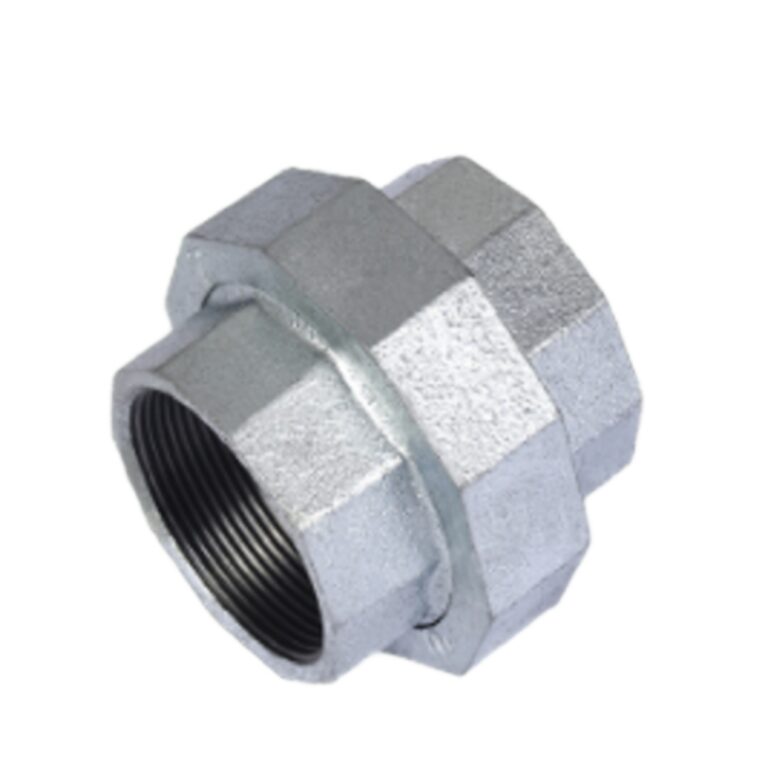
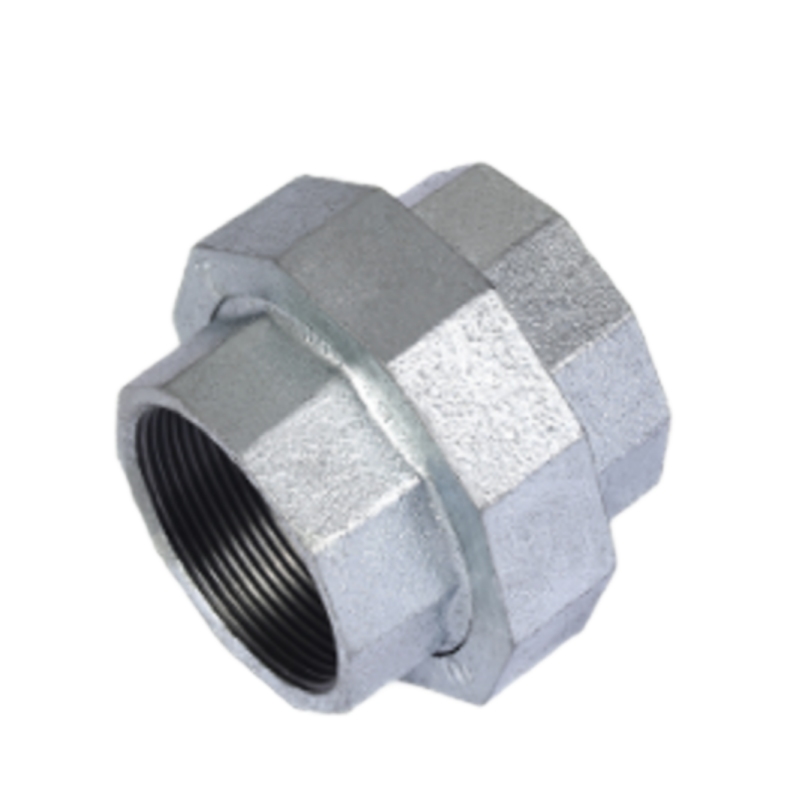
I opened a union line on an RFQ and found the usual short description: ‘2 in union, malleable iron.’ It looked tidy, but it did not tell me which thread was on the pipe or what happened at the center joint. A flat seat vs taper seat comparison starts there. The Fig 330 A197 NPT flat seat union page gives a product reference. The order still needs the drawing for the version being quoted.
Why does the union seat deserve its own line on the order?
What I like about a union is the break in the middle. The pipe-end halves can stay where they are while the connection is opened. That matters around a valve, pump connection or short replaceable section. I keep the center seat and the pipe thread on separate lines. ‘Same size’ doesn’t settle either one.
How does a flat seat seal?
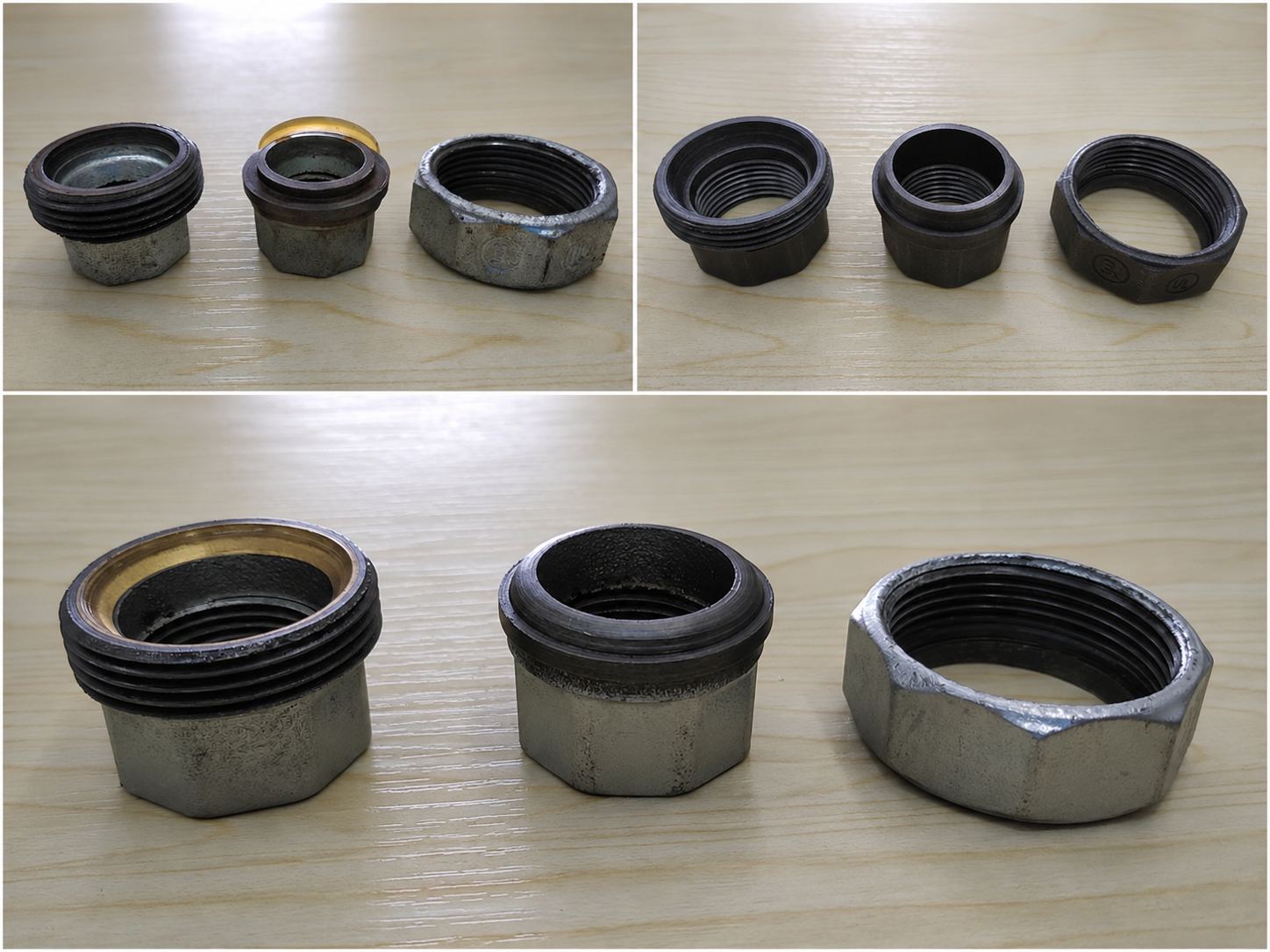
A flat seat leaves a familiar procurement question: is the gasket in the box? I put that question in the RFQ. I also ask for the gasket material and a spare reference. The warehouse can identify a two-inch body from a label; the maintenance team cannot identify the correct gasket from that label alone. If the quote gives only the casting and size, one part of the joint is still missing.
How does a taper seat differ?
A taper seat reads differently. The two shaped surfaces are meant to meet, but the product name does not show their material or profile. I ask for the section drawing. If it shows a gasketless joint, adding a gasket because one is available would change the assembly. I leave that point with the manufacturer’s instructions and the project reviewer.
Does a brass seat answer the whole selection question?
The Fig 342 BSPT brass seat union page is a good reminder that material and geometry are separate descriptions. Brass is one column. Flat or taper is another. I would not let ‘brass seat’ stand in for a gasket answer, a pressure answer or an approval answer.
Can an old union half be reused?
I have also seen the tempting replacement-half question. The new half has the right pipe thread; the old nut seems to engage. That is not enough. The hidden seat can still be wrong. I put both references in one email and ask a plain question: are these two halves intended to work together for this service? If that answer never comes back, a complete matching union leaves less room for interpretation.
Which dimensions and service details should be written down?
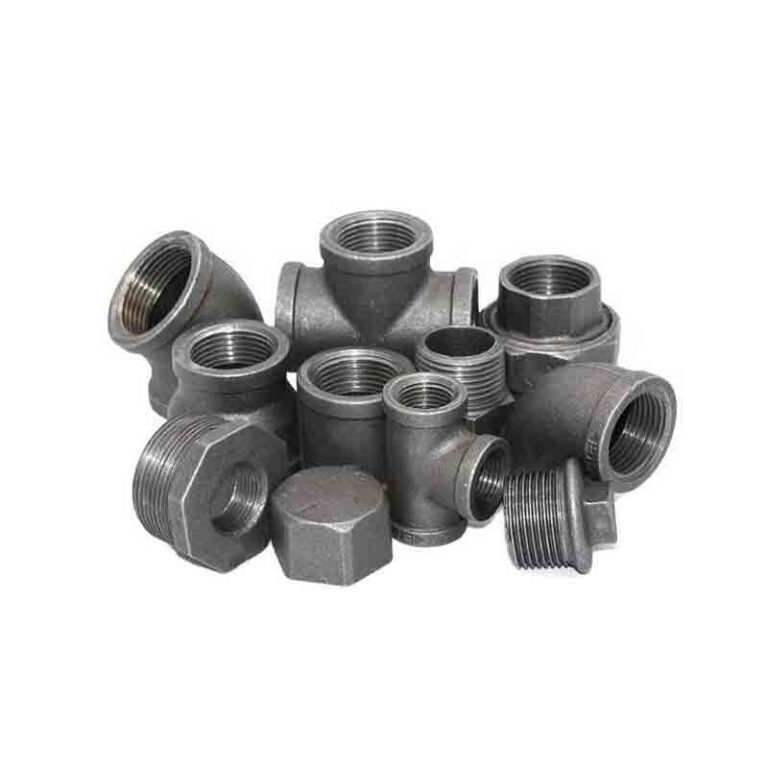
The rest of the RFQ has a similar pattern. I put the thread standard, assembled length, temperature, medium and approval requirement beside the malleable iron pipe fittings range. That makes the price comparison useful. Otherwise two prices may describe two different assemblies.
Why should NPT and BSPT be named separately?
I write NPT or BSPT in full because they are different thread descriptions. I write the required one. On a replacement, I measure where the pipe ends sit and compare that with the union’s assembled length. It takes only a moment to measure, and it can uncover a very practical problem: the nut is hidden behind a cabinet, or the pipe ends short of the union. A drawing beats a product photograph for this check.
How do pressure and certification fit into the order?
The service note belongs beside the size. What will the union carry? At what temperature? If the project calls for UL or FM evidence, which model and seat option does the certificate name? I ask for the rating of the offered union and seal rather than copy a maximum number from another catalogue row. A company certificate does not automatically cover every version in the range.
What should happen when the union arrives?
When the carton arrives, I compare its reference with the order line and drawing. If the gasket is packed separately, its reference stays with the union record. Before the joint is opened, the line is isolated and depressurized under the site’s procedure. The union nut isn’t a drain valve. Reassembly follows the supplied instructions.
How can Fluid Tech support the review?
FLUID TECH PIPING SYSTEMS (TIANJIN) CO., LTD supplies threaded fittings in its fire-protection piping portfolio and helps buyers organize the supporting documents. Send the figure, thread, seat preference, service conditions, approvals and quantity. A quotation tied to the selected drawing gives the reviewer a concrete item to approve. The project engineer or authority makes the final suitability decision.
Conclusion
My short checklist has figure, thread, seat, gasket or mating surface, material, finish, service, pressure, temperature, approval, drawing and spare reference. It is longer than ‘2 in union.’ The extra detail makes each open question visible. It lets the buyer resolve an open question while the order can still be changed.
FAQs
Does a flat seat union always include its gasket?
Not automatically. Ask whether the flat-seat assembly includes the gasket and request its replacement reference.
Can a brass seat union also have a taper seat?
Yes. Brass tells me about material; taper tells me about the seat shape. The selected drawing should show the offered construction.
Can an old union half be reused with a new union?
Only after the manufacturer confirms that the parts are compatible for the stated service. Matching threads or a nut that appears to fit cannot prove that the center seat will seal.