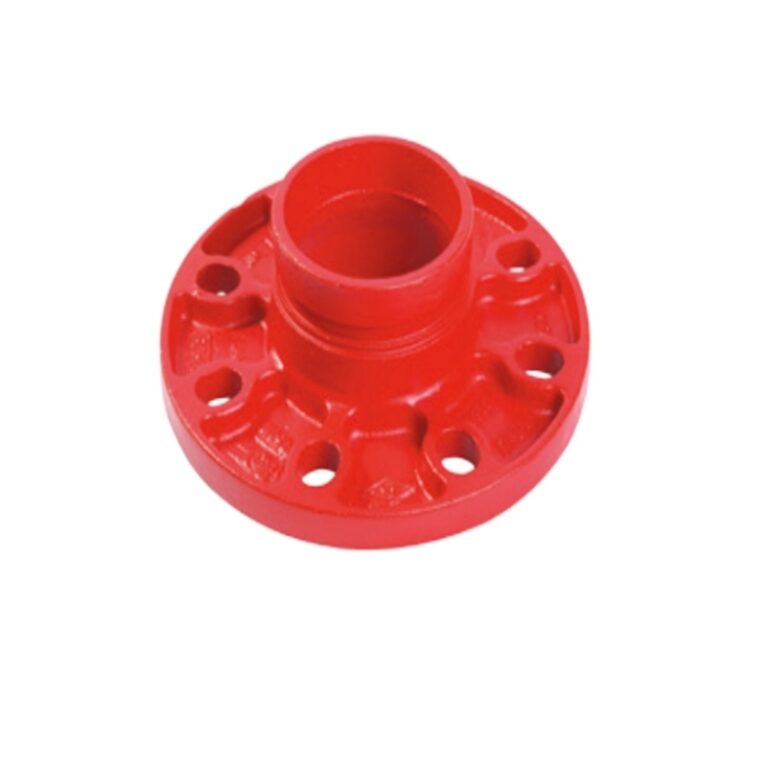
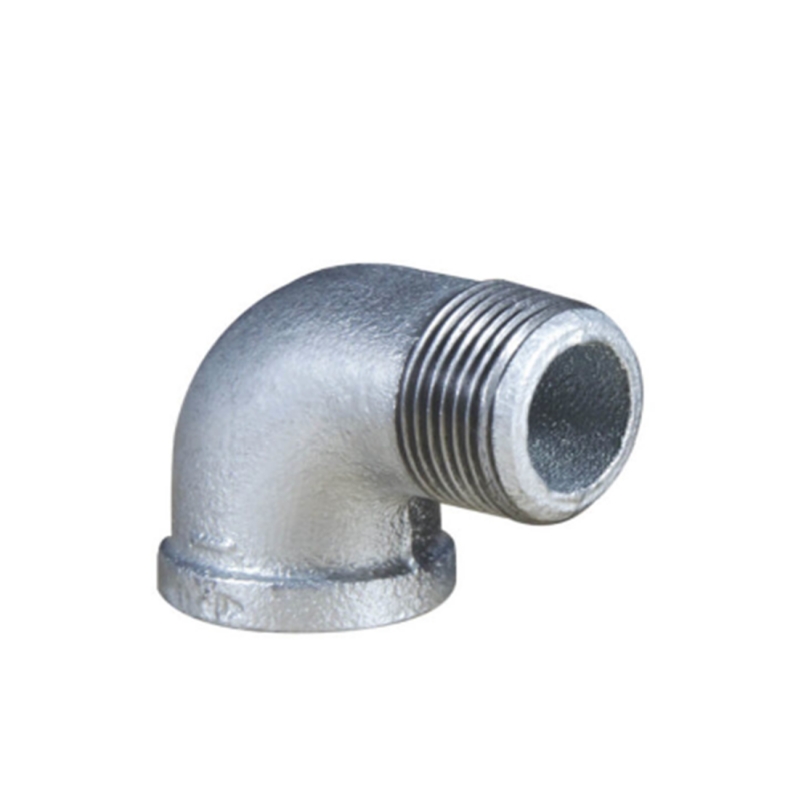
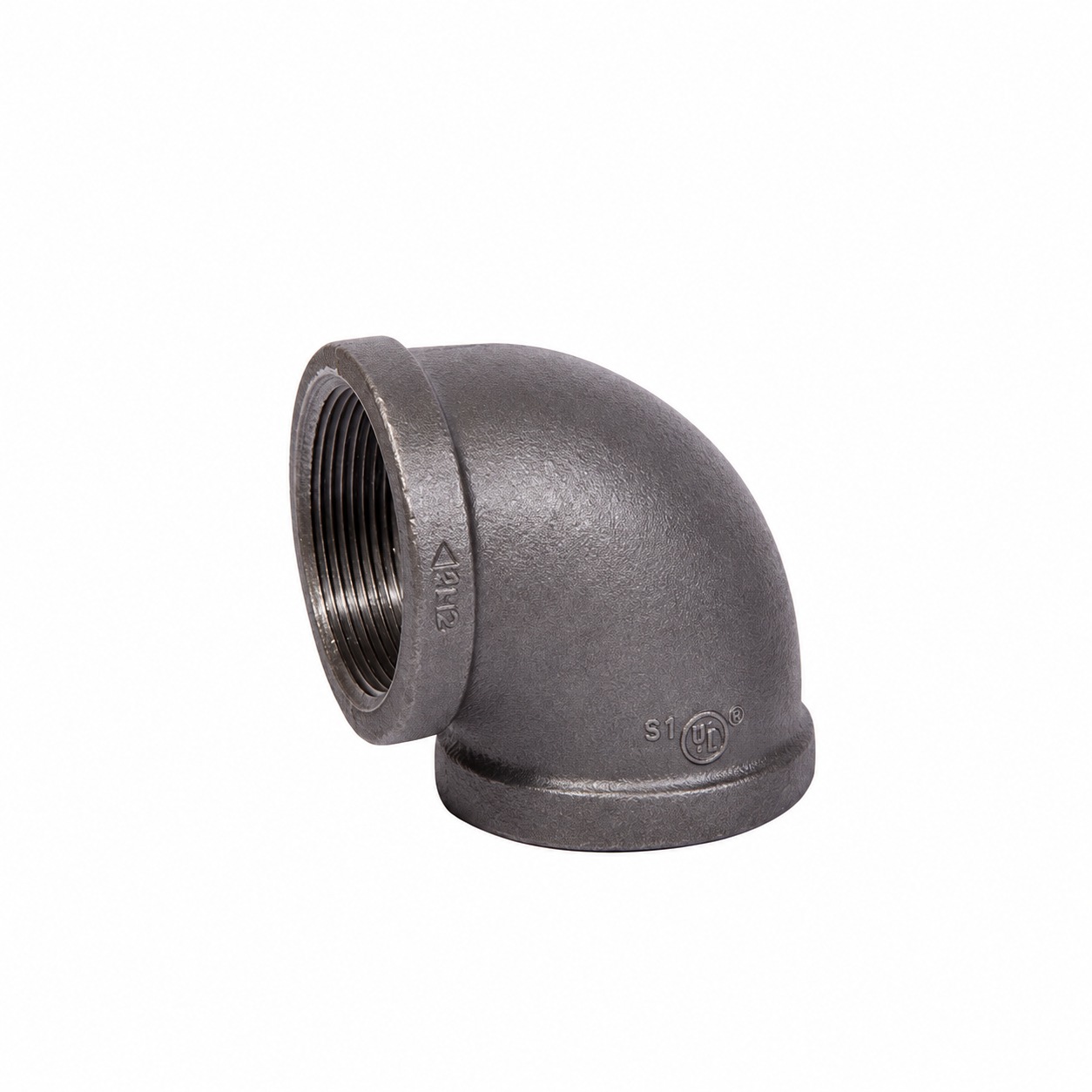
On a drawing, both fittings turn a threaded branch through 90 degrees. On site, their ends create different jobs for the fitter. A street elbow pairs one male end with one female end; a regular elbow has two female ends and usually takes male-threaded pipe or a nipple at each side. That can change the parts list, the distance to the outlet, and the order of assembly. Choose from the complete connection, including which part can still turn, rather than from the angle alone.
Which elbow suits the connection already shown on the drawing?
The drawing usually answers the first question: what end is on each adjoining part? Mark those ends, then note which component will be fixed before the others are installed. That small check is useful because the elbow may need to rotate as its threads tighten.
When a street elbow makes a direct connection
The A197 NPT malleable iron street elbow is listed with one male and one female end. The male end can thread into a female valve or fitting; the other end receives a male-threaded pipe. On a short branch, that arrangement may remove a separate nipple from the bill of materials.
The catch is rotation. With the valve loose on a bench, turning the elbow into position is generally simple. Once that valve is attached to rigid pipe, it may not be free to turn; the elbow can tighten before its outlet points where the drawing requires. A nipple, union, or different assembly order may solve the problem, but only if the approved detail permits it.
When a regular elbow gives the installer more options
The Fig. 90 A197 90-degree elbow is listed as a regular elbow with female connections. Male-threaded pipe or nipples connect at both ends. The additional piece can provide useful spacing and may let the fitter tighten the elbow before installing a valve that would otherwise be difficult to turn.
The extra piece also occupies space and adds another threaded joint. Where the outlet sits close to a wall or valve, include nipple length and thread engagement in the take-off. If a component needs a set orientation, confirm it can reach that position fully tightened; backing off a threaded joint to make parts line up is not a substitute for a workable assembly sequence.
Which product details should be checked before ordering?
End pattern is only the first filter. A fitting with the right shape can still be wrong for the joint if the thread, class, finish, or dimensions differ from the specification. “90-degree elbow” alone is not enough for a purchase order.
State the thread standard and selected variant
NPT and BSPT are different tapered thread standards. A matching nominal size does not make them interchangeable. The street-elbow listing identifies an A197 NPT product and includes thread options in its product information. The mating valve, pipe, and elbow must all follow the thread callout on the project documents.
The pages also list black heart malleable iron, 150LB and 300LB classes, and black, electro-galvanized, or hot-dip galvanized finishes. These are options on the listings; they do not show that every combination is offered for every size. Put the required size, thread, class, finish, and project approval in the enquiry and confirm the exact variant against its current documents.
Use dimensions to check the assembled route
For the 1/2-inch street elbow, the product table lists A = 28.5 mm and B = 41.2 mm. The Fig. 90 table lists A = 28.5 mm for Class 150 and A = 31.8 mm for Class 300. Those values are not enough by themselves to predict the installed position. The column definitions, engaged thread length, and any connecting nipple all matter.
Set those dimensions beside the valve and pipe on the drawing. Does the outlet clear the wall? Can the handle move, and can a wrench reach the joint? If the layout is tight, a supplier drawing or full-size trial assembly may resolve it. Pipe that does not line up calls for a support or drawing review, not force applied through the elbow.
How should the fitting be specified for a fire protection project?
For fire protection work, the project documents may also specify material, thread, finish, pressure class, or a product listing. Record those alongside the elbow type so the selected component can be checked against the approved connection.
Keep substitutions traceable to the approved connection
The street-elbow page and Fig. 90 page describe different end configurations and provide their own product information. If a proposed substitution changes the fitting style, check the mating sequence and assembled dimensions against the approved drawing. Record the product figure and selected variant so procurement, installation, and review are working from the same description.
The malleable iron pipe fittings range can help locate related threaded components. For broader context, the fire protection pipeline system overview describes the product range in a system setting. Neither page replaces project drawings or product-specific documents.
What information helps a supplier respond accurately?
Send the connection information with the product name. A marked-up sketch is often the quickest way to show orientation and available projection.
Send the connection details, not just the nominal size
FLUID TECH PIPING SYSTEMS supplies piping products for fire protection projects. For a product enquiry, include the fitting type, size, thread, end arrangement, class, finish, quantity, and drawing reference. Note which adjoining part is fixed and the projection available. This gives the supplier details to match against product information; the approved project documents remain the selection basis.
Conclusion
A street elbow can make a compact direct connection when its male-female ends match the adjoining parts and the fitting can be turned into position. A regular elbow may be easier to assemble when two female ends, a nipple, or adjustable spacing better suits the installation sequence. Confirm the thread standard, selected product variant, assembled dimensions, access, and project requirements before the order is released.
FAQs
Is a street elbow always shorter after installation?
No. It can eliminate a nipple, but the finished projection still depends on the fitting dimensions, thread engagement, and the components joined to it.
Can an NPT elbow connect directly to a BSPT fitting?
No. They are different thread standards. Specify the thread at each connection and make sure the mating parts follow the same approved callout.
Why use a regular elbow if a street elbow can make the same turn?
A regular elbow may allow a nipple to set spacing or make it possible to tighten the elbow before a valve is installed. The drawing and the available assembly sequence should determine the choice.