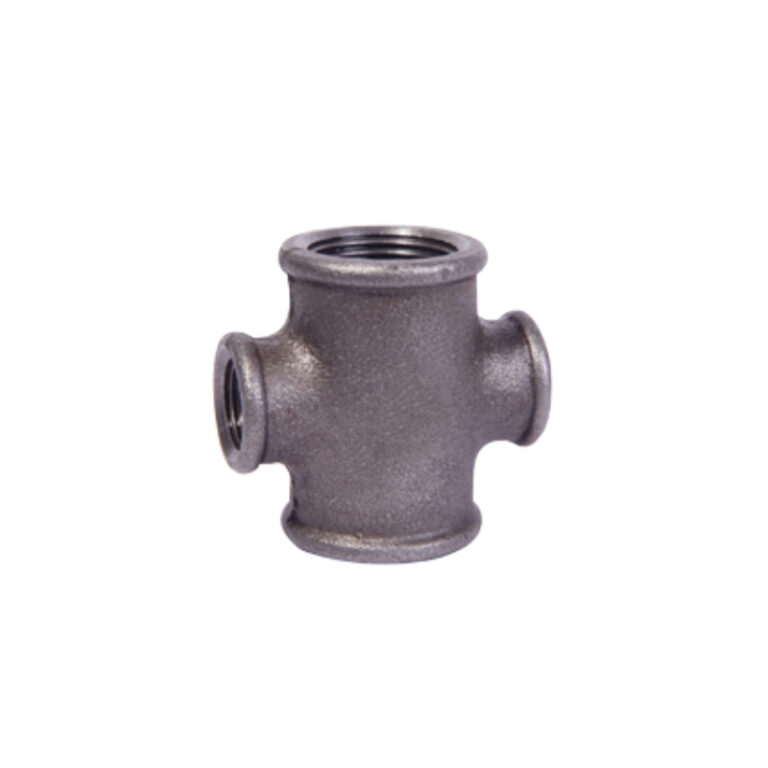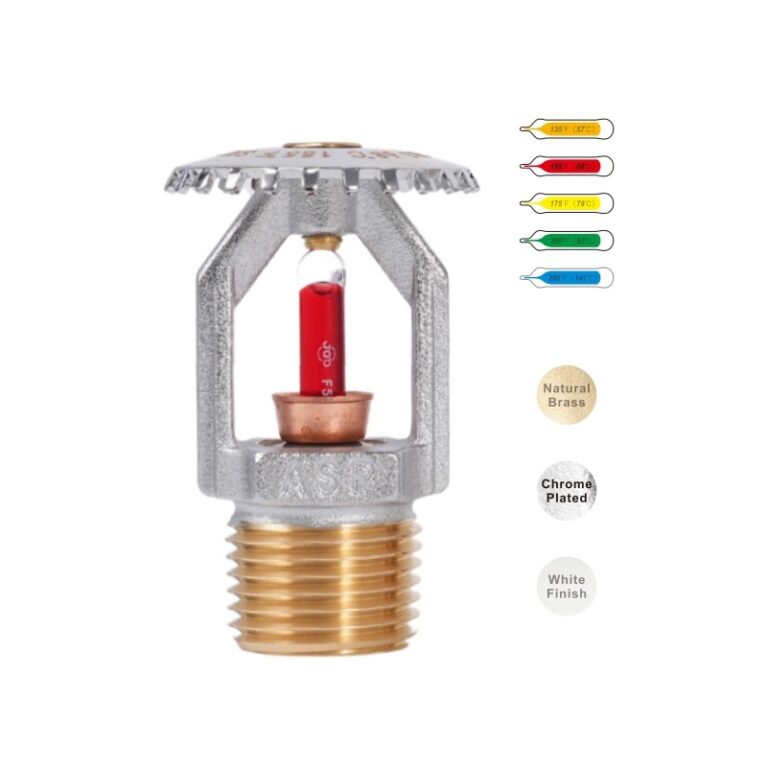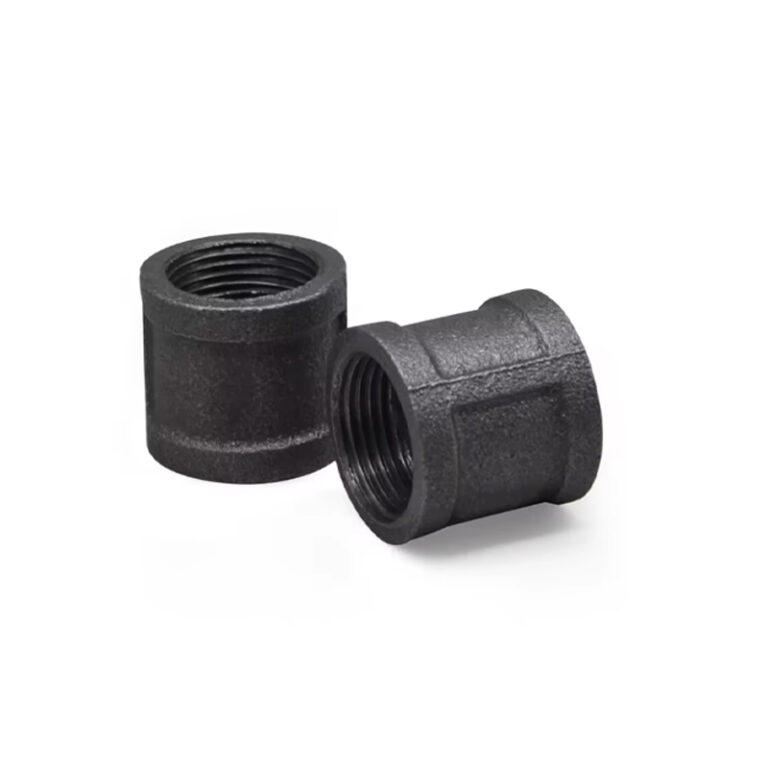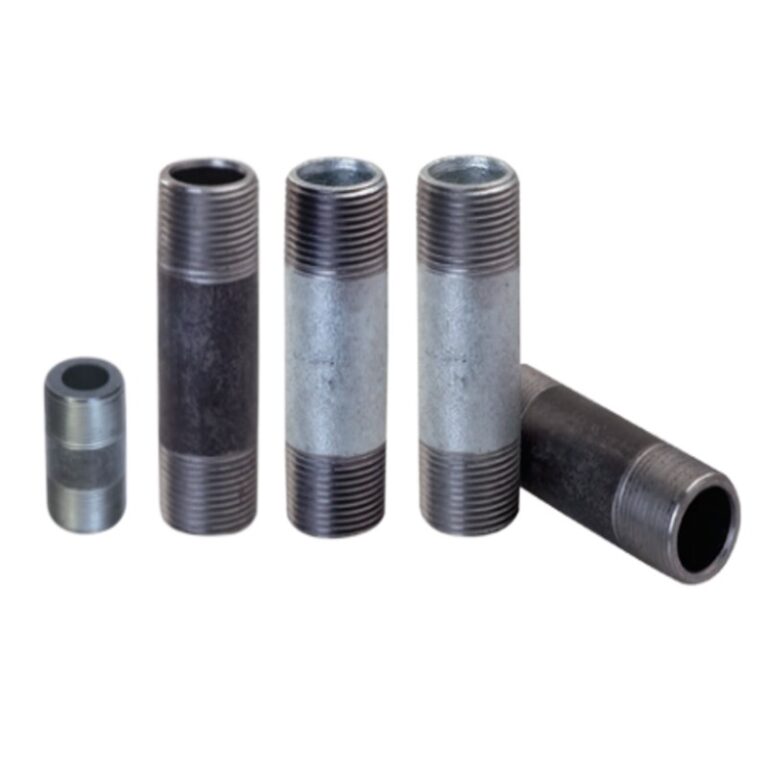
Threaded cast iron fittings are essential components widely utilized in water supply and drainage, fire protection, HVAC, municipal engineering, and industrial fluid conveyance systems. In the current global market, two mainstream material solutions dominate threaded pipe connections: traditional black heart malleable iron (KTH) fittings and advanced QT450-10 ductile iron threaded fittings. While both categories share identical installation methods and interface compatibility, they differ substantially in manufacturing methodology, metallurgical microstructure, mechanical performance, energy efficiency, cost structure, and operational adaptability.

Malleable iron fittings have long been recognized as a mature, specification-compliant solution with standardized production and stable field performance. Meanwhile, continuously optimized ductile iron technology has created a new generation of high-strength, energy-efficient, and cost-competitive threaded fittings. Both materials possess unique advantages and application boundaries, enabling flexible specification selection based on project standards, operating environments, and engineering requirements. This article delivers an authoritative, neutral, and comprehensive technical comparison between malleable iron and ductile iron threaded fittings.
1. Manufacturing Process & Metallurgical Characteristics
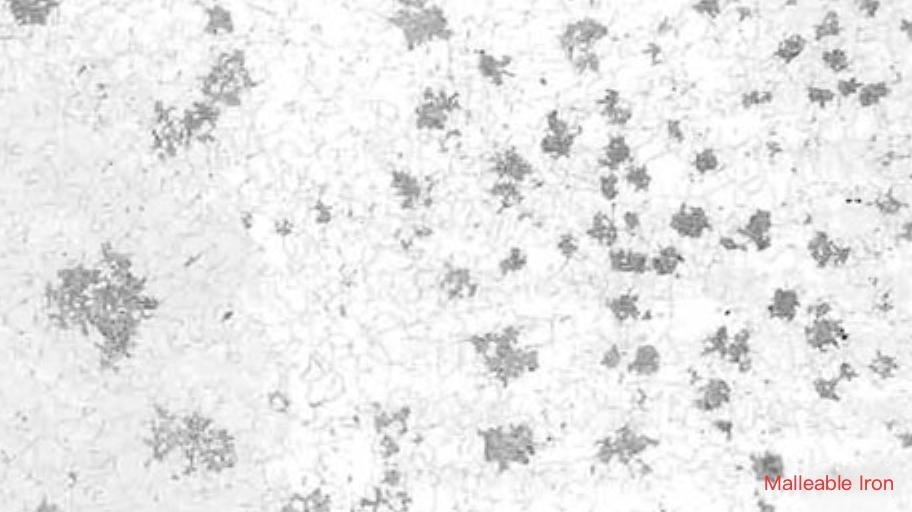
Malleable iron fittings are produced from white cast iron blanks, which require prolonged high-temperature graphitizing annealing lasting dozens of hours. This thermal treatment decomposes cementite within the casting and forms a flocculent graphite structure, granting balanced toughness and structural stability. Malleable iron complies with globally recognized industry standards, including GB/T3287, ASTM A197, and ASME B16.3, and is exclusively specified for Class150/300 pressure-grade piping systems. It delivers stable mechanical performance with tensile strength ranging from 300 MPa to 350 MPa and an elongation rate of approximately 10%. Its moderate hardness significantly enhances machinability, providing precise, burr-free thread forming and excellent sealing consistency, particularly for small-bore sizes. For this reason, malleable iron remains the conventional choice for standard fire protection, plumbing, and low-pressure static pipeline projects. However, its production involves high energy consumption, extended production cycles, and strict process tolerance, resulting in limited production capacity and relatively higher batch quality sensitivity.
Ductile iron threaded fittings adopt an advanced metallurgical process by introducing magnesium-based nodulizers during molten iron pouring. The graphite precipitates into a spherical structure during solidification, eliminating the necessity for long-duration annealing treatment and achieving superior mechanical properties in the as-cast state. Spherical graphite uniformly disperses structural stress, delivering significantly improved toughness, impact resistance, and fatigue performance. With a tensile strength of 450 MPa or above — approximately 30% higher than malleable iron — and a minimum elongation of 10%, ductile iron provides a considerably larger safety margin under dynamic and high-pressure working conditions. Additionally, molten ductile iron exhibits superior fluidity and mold-filling capability, minimizing shrinkage cavities, cold shuts, and other casting defects. It offers stable forming quality for conventional, thick-wall, irregular, and large-diameter fittings, with higher production stability and lower reject rates under standardized mass production.
2. Comprehensive Performance Comparison
| Comparison Item | Malleable Iron Fittings (KTH) | Ductile Iron Threaded Fittings (QT450-10) |
| Manufacturing Process | Casting + long-cycle high-temperature annealing; high energy consumption and long lead time | Molten iron nodulization + as-cast forming; no annealing required, lower energy consumption and shorter production cycle |
| Graphite Structure | Flocculent graphite with ordinary stress dispersion capacity | Spherical graphite with outstanding structural stability and stress resistance |
| Tensile Strength | 300–350 MPa | ≥450 MPa (≈30% higher than malleable iron) |
| Elongation | Approximately 10% | ≥10% with more stable toughness performance |
| Thread Machining Performance | Excellent machinability, smooth thread profile, stable precision for small-bore fittings | Higher material hardness; conventional machining poses tool wear and small-bore forming challenges (optimized via refined industrial processing) |
| Vibration & Impact Resistance | Moderate; prone to thread fatigue under sustained vibration | Superior; ideal for pump outlets, pressure fluctuation, and continuously vibrating industrial systems |
| Standard Compliance | GB/T3287, ASME B16.3, ASTM A197; fully certified for international fire protection projects | Not compliant with ASME B16.3 malleable iron specifications; cannot replace malleable iron on certified-restricted projects |
| Cost Characteristics | Stable market pricing with mature industrial supply chain | Traditionally high-cost; optimized production achieves competitive cost advantages over malleable iron |
| Casting Quality Control | High sensitivity to raw material composition with low process tolerance | Excellent mold-filling performance, low defect rate, and stable batch consistency |
3. Industry Limitations & Process Optimization
Malleable iron fittings deliver irreplaceable value in specification-restricted projects due to their universal standard recognition and highly reliable threading performance. Their limitations are mainly reflected in higher energy consumption, lower mechanical strength ceilings, and weaker adaptability to dynamic working conditions.
Ductile iron, although mechanically superior, has long been perceived with two industry limitations: higher machining difficulty and higher production costs. Its greater material hardness accelerates tool abrasion during threading. Without standardized process control, small-diameter threads may exhibit incomplete profiles or surface burrs. In addition, precise nodulization and molten iron control traditionally increase manufacturing costs, forming a market perception that ductile iron equates to premium pricing. Furthermore, certain UL/FM-certified fire protection projects explicitly require malleable iron material, limiting the full substitution of ductile iron in specific overseas scenarios.
To mitigate the inherent processing challenges of ductile iron, our factory has implemented systematic production upgrades, including standardized tool inspection and replacement protocols, customized threading parameters, and stabilized nodulization procedures. These refined manufacturing measures effectively improve small-bore thread formation accuracy, reduce machining defects, and ensure consistent thread tightness, flatness, and sealing performance. Meanwhile, by eliminating annealing energy consumption, optimizing metallurgical formulas, and scaling mass production, we have successfully reduced overall manufacturing costs. Our upgraded ductile iron threaded fittings achieve superior mechanical performance at a more competitive cost compared with conventional malleable iron products, providing reliable and cost-effective solutions for modern pipeline systems.
4. Engineering Selection Principles
We maintain a dual-material supply strategy and objective application-oriented recommendation mechanism. For international projects, certified fire protection systems, and static low-pressure piping that explicitly specify malleable iron per drawing or tender requirements, malleable iron fittings remain the most compliant, reliable, and safest choice.
For most domestic municipal water supply, drainage, HVAC, fire protection, and general industrial pipelines — especially systems under dynamic pressure, frequent fluctuation, mechanical vibration, and medium-high pressure operation — optimized ductile iron threaded fittings provide excellent upgrade value. Their higher structural strength, superior fatigue resistance, stable batch consistency, and cost advantages make them an ideal alternative for modern pipeline engineering.
5. Conclusion
Malleable iron threaded fittings represent a time-tested, standard-compliant, and mature solution for conventional pipeline systems. Ductile iron threaded fittings are an upgraded, high-performance, and cost-efficient product optimized for complex industrial working conditions and energy-saving production trends. The two material solutions serve different application scenarios without absolute superiority. We support flexible material selection based on project specifications, site conditions, and customer preferences.
As the pipeline industry advances toward high strength, energy efficiency, and cost optimization, upgraded ductile iron threaded fittings will continue to act as a valuable supplement and upgrade alternative to traditional malleable iron products, delivering diversified, high-quality, and economical pipe connection solutions for global engineering projects.