
An RFQ that says “flexible hose” leaves a surprising amount of work for the person preparing the quote. One supplier might picture a straight nipple; another might allow for an elbow. The prices look comparable until the drawing is opened. There is a branch connection, a sprinkler location and a route between them. That route, not the look of the braid, is where the purchase discussion should begin. FLUID TECH’s flexible hose range is a useful starting point, followed by the sheet for the exact assembly offered.
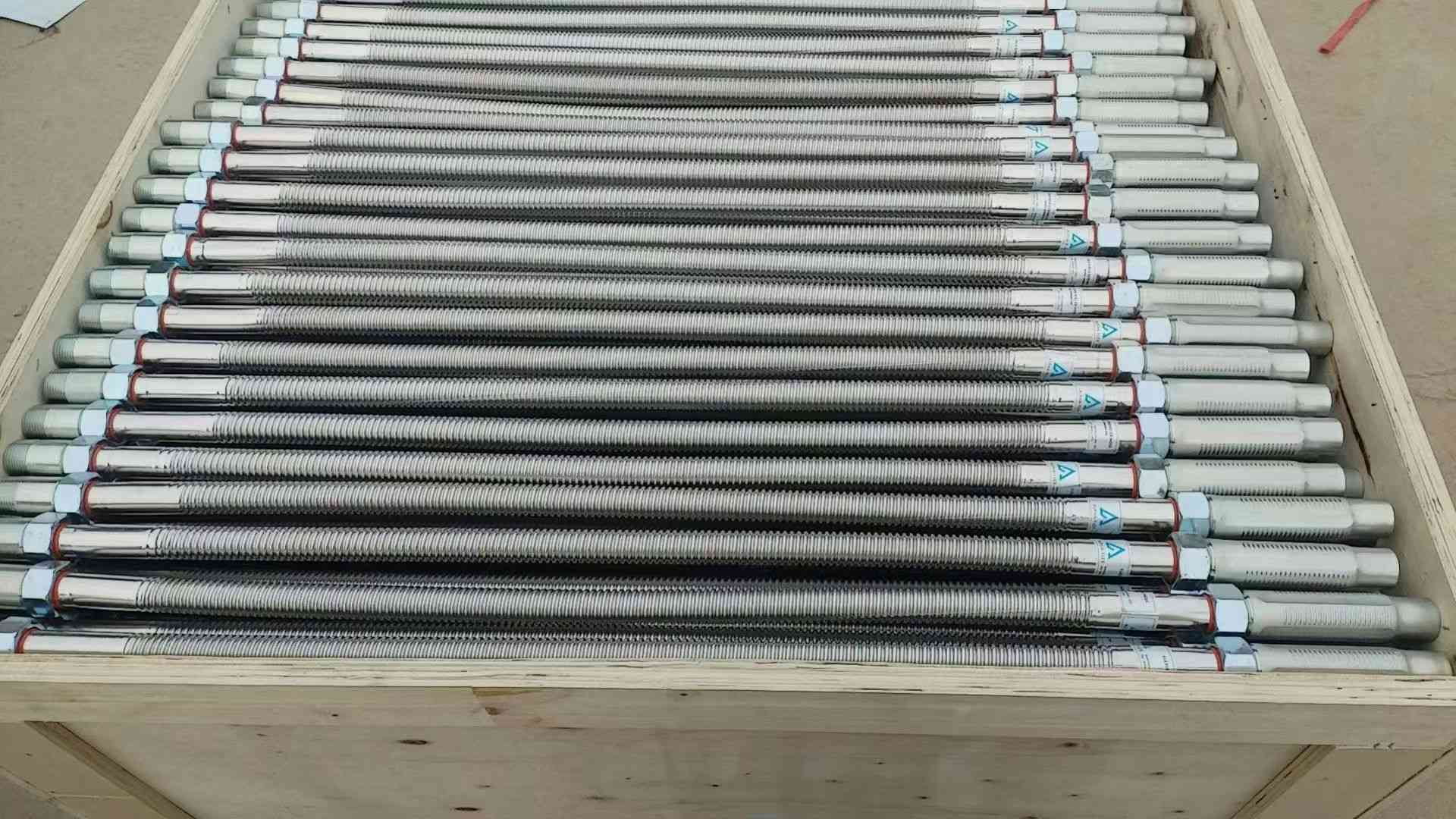
Read the first line of each product sheet. RF-100 is described as an unbraided hose with a straight nipple. The separate RF-200, RF-200E and RF-200G sheet describes braided hoses with straight, elbow and grooved connection forms. If a quote stops at “RF-200 series,” ask which of those forms the supplier priced. Put the suffix on the order. The installer cannot fit a product family to a branch connection.
The unbraided hose and braided hose pages let a buyer find those families. A photograph may help identify what was discussed, but it cannot answer how the hose will turn above this ceiling. And a visible braid is not a pressure rating or an installation instruction. Those answers belong to the exact model, not to a visual impression of its outer layer.
A small quotation mismatch with a large consequence
Take a route that turns almost as it leaves the branch pipe. A quotation for a straight nipple may be perfectly reasonable, but the sketch should go back to the supplier before the line is accepted. There are two possibilities to review: the hose takes the turn within its permitted bend, or another connection form is needed. A drawing calling for a grooved end creates a different question again. Pricing a threaded end would not answer it.
The sketch need not be elaborate. Mark the branch, head position, obstructions and the path the installer is expected to use. That beam on the drawing matters. So does the space immediately beside the fitting. Either can force the installer to take a wider route than the nominal pipe-to-head distance suggests. Send the sketch to the supplier and ask where its specified bend limit applies; the designer can then judge whether the proposed route works. A single dimension between connection points will not show this problem.
A short schedule next to the sketch can do most of the ordering work: location, acceptable hose length, inlet, outlet and end connection. The RF-100 and RF-200 sheets show NPT and BSPT choices. Have the quotation spell out the selected thread. Otherwise, a code could reach the warehouse without anyone having checked it against the branch. When comparing offers, circle a change from straight to elbow or from one thread to another. The price difference may now have an explanation.
Put the head schedule in the same email. Where a product is already selected, the sprinkler head page can help identify it for the supplier. Now the outlet, reducer, if any, and possible elbow can be checked against an actual head connection. A photograph does not tell the engineer whether those interfaces agree.
Keep the hydraulic table attached
The hydraulic designer also needs the specific model sheet. Imagine copying an equivalent-length number into a calculation while leaving behind the column that names its configuration. A reviewer could reasonably assume it applies to the quoted elbow when the table described a straight assembly. Include the table heading and model code wherever the value is recorded. The designer, with the project drawing in hand, makes the calculation and accepts or rejects the proposal.
Look at the document requirement in the project specification before comparing two prices. What listing, approval or declaration is required in the destination market? Ask each supplier for the current record covering its exact proposed model. Read the product name, end form and conditions beside the quote. If one record belongs to a straight assembly and the price is for an elbow version, that is a gap to resolve before purchase.
Next, check the boundaries of each price. Which connection parts and support components are included? Where is the head specified? The parts may arrive on different purchase lines even though they have to come together on site. Ask for an itemized quote, then mark the missing pieces before calling one offer cheaper.
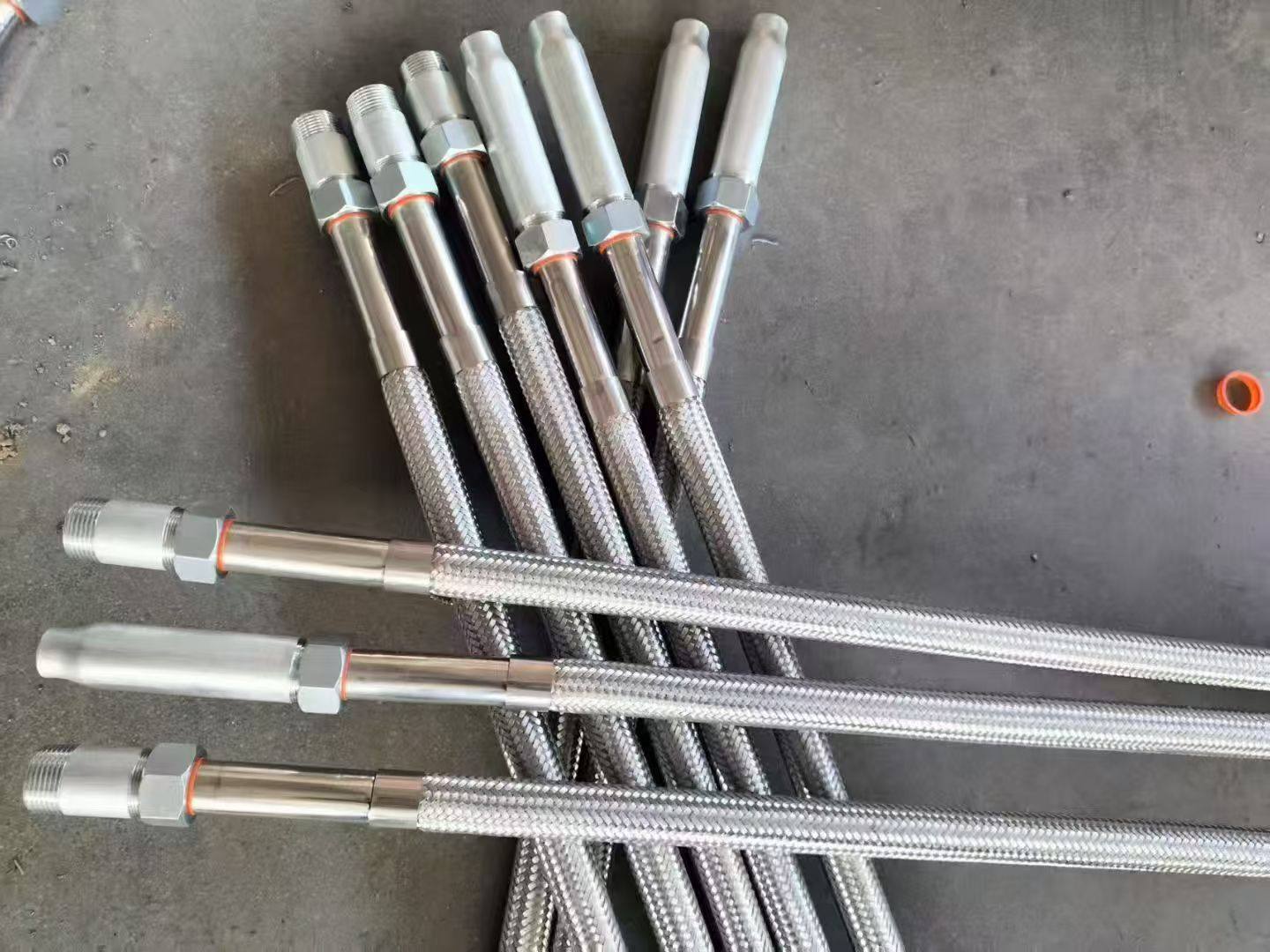
Rather than asking which hose is “better,” send a package the supplier can answer. Attach the route sketch and head schedule. State the two connection sizes and the thread you need. Put the permitted length and end form on the same line. For every proposed RF-100 or RF-200 assembly, ask for a separate priced line that names the fittings in the box. Have the supplier attach the relevant installation sheet, hydraulic table and market document. If two options come back, keep their codes and included parts apart so the buyer can compare them.
Send the connection schedule and route sketch with that request to FLUID TECH PIPING SYSTEMS. Its About us page identifies the supplier. The decision should rest on the matching model sheet, quote and project review.
Braided and unbraided describe construction; they do not complete the specification. A usable order states the model, end connections, length, route and documents. Compare those fields across the offers before judging price.
Is braided always preferable?
No. Look past the visible braid to the two actual quoted assemblies. Their connection forms, dimensions and documented conditions answer the purchasing question.
Does matching length make two hoses interchangeable?
It is only one field on the order. A different end could fail at the branch, and the route might exceed that model’s bend limit. Send the alternative’s drawing and hydraulic sheet to the designer before changing the order.
Which documents belong with a quote?
Get the data sheet and instructions carrying the proposed model code. Then check the project specification for its listing, approval or declaration requirement, and ask for the matching record.


