The quotation says ‘certified pipe support.’ Does it mean a hanger carrying pipe weight, or a brace intended to restrain movement during an earthquake? Resolve that before comparing prices. UL, FM, C UL, CE, VdS and LPCB evidence cannot all be read as descriptions of the same test. What the document names is what has to be reviewed. Fluid Tech’s seismic bracing system includes connection parts for this kind of enquiry, but a product category is only a starting point. Ask for the document tied to the selected component. Then check the proposed assembly and its structural connection against the design; a product mark cannot calculate the demand for a building.
Why does the component scope matter?
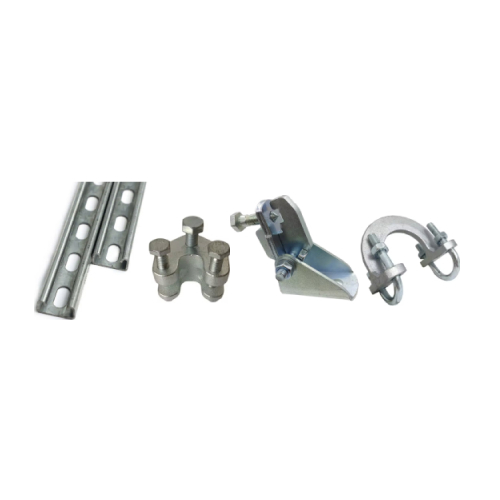
Follow a brace from the pipe toward the structure: clamp, member, attachment and building connection. Every part of that route has work to do. Now suppose an attachment is replaced because another one is available on site. The published data need checking again; the replacement cannot be accepted merely because it fits. Brace angle and member choice matter as well. Read the permitted arrangement in the approval documents and instructions. Where the proposed work differs, get an engineering answer before installation. Apply this check to the proposed parts; no Fluid Tech assembly capacity is inferred here.
Which device does the UL record identify?
Sway-brace devices for sprinkler piping are addressed by UL 203A. The named device and its documents are the starting point, though, not the standard number printed on a general brochure. Which member is permitted? What load data apply? What hardware goes with it? Those answers must travel with the selected part into the calculation and installation documents. Keep the stated restrictions in the site instructions. A preferred alternative needs checking, and an incomplete supplier response is no basis for using a rating.
Where can an FM approval be checked?
The FM Approved program is operated by FM Approvals, with approved products recorded in its Approval Guide. Read the selected fitting’s entry alongside the proposed bracing arrangement. The applicable load data need to belong to that arrangement, not another configuration on the next page. The anchor still needs attention: approval of the clamp does not establish the capacity of an unrelated building attachment. A contract asking for FM is asking for that route’s evidence. Submitting UL papers instead leaves the FM requirement unanswered unless the project expressly accepts an alternative.
What is C UL for a support component?
For Canada, look for Canadian coverage rather than the familiar UL symbol alone. C UL indicates evaluation against the applicable Canadian requirements. Some marks cover both countries. To find out whether this part does, obtain its own certification record and instructions, not a general export catalog. Project or provincial requirements may add something further. Establishing the destination in the first enquiry saves a second selection exercise when the certificates arrive.
What does CE mean for a support component?
CE is not a number that can be inserted into a seismic calculation. Its meaning comes from the legislation and conformity route covering the product. Where CPR applies, obtain the applicable declaration and the technical basis it refers to. Keep the product limits with that document. Building demand and attachment suitability require an engineering check against the actual substrate. The CE-marked part still needs that check; its conformity documents do not supply a building calculation.
Does the VdS or LPCB scope cover suspension or restraint?
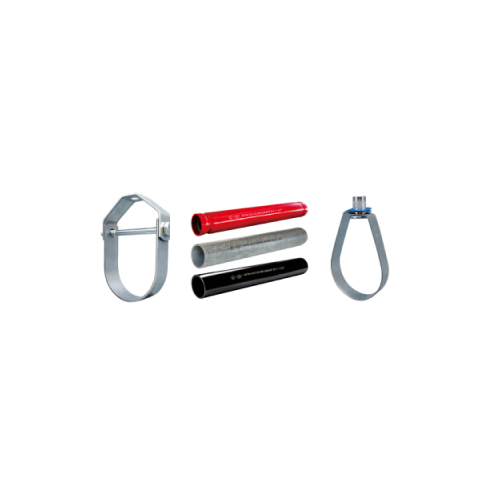
For LPCB evidence, locate the product in the RedBook. An LPS 1194 pipe-hanger entry concerns suspension. It cannot be presented as earthquake-brace evidence just by changing the description on the quotation. VdS certifies products used in fire protection and water extinguishing applications under its own arrangements. Read the entry to establish the function that was evaluated. If the response covers ordinary suspension only, report that limitation to the engineer. Do not solve a seismic-evidence gap by copying a hanger’s certification into the brace schedule.
Where does NFPA fit into the review?
NFPA supplies system rules rather than a product mark. The adopted NFPA edition can govern seismic protection, brace locations and installation. Selecting a certified part leaves the demand calculation and load-path review to the designer. On site, compare the installed attachment and arrangement with the approved drawings and manufacturer’s instructions. A certificate retained in an office cannot correct an attachment that was installed differently on site.
Which project details belong in the support enquiry?
An enquiry containing only quantity and a bracket photo leaves too much unanswered. Add pipe size and water-filled weight, identify the building substrate and give the seismic criteria. Request the proposed parts’ drawings, load data and compatible member details, with the installation limits. Include the contract’s certificate requirement. Each order line needs a document reference. Where a returned load table describes another configuration, ask which table is applicable; do not enter the convenient number into the calculation while waiting for an answer.
What should Fluid Tech receive for a support quotation?
FLUID TECH PIPING SYSTEMS (TIANJIN) CO., LTD supplies fire protection valves and support-system components for project buyers. Its fire protection pipeline system resources help place the component in its intended application. Ask Fluid Tech to return product data and the available certification documents against the quoted items. Review the scope for those items before treating an approval claim as confirmed.
Send the support schedule to Fluid Tech with the project location. Name the structural substrate and approval requirement alongside the selected part types. Those details help focus the quotation and document request. The project engineer retains responsibility for the earthquake design and structural attachment; supplier documentation assists that review without taking it over. No seismic load capacity should be inferred from an unverified catalog description.
Conclusion
Read a fire seismic-bracing certificate as evidence for the item and use it actually names. UL, FM and C UL concern defined products and markets. CE follows the relevant conformity route, while VdS and LPCB evidence must be checked for the actual support function. Match that evidence to the selected assembly, then review the calculation and installation separately. A certified hanger and an engineered earthquake-restraint system are not the same thing.
FAQs
Does an FM Approved brace make the whole seismic system approved?
No. Approval concerns the identified product and permitted arrangement. The other components, structural connection and design demand still require review. Use the part within the documented limits; the building installation requires its own review.
Is CE a substitute for UL or FM on a sprinkler brace?
No. CE addresses applicable European conformity obligations. UL and FM are separate certification routes. Obtain the route named in the contract, then read what that document covers.
What is the most important information in a brace submittal?
The reviewer needs an identifiable component, applicable load data and the permitted assembly. Add the current certificate and instructions, then compare them with the design calculation and structural-attachment details.