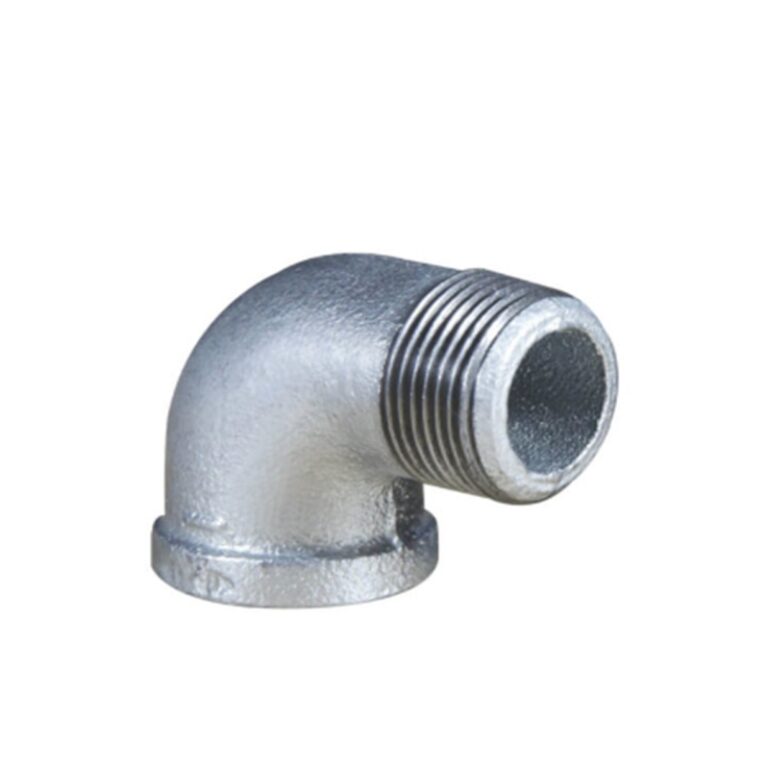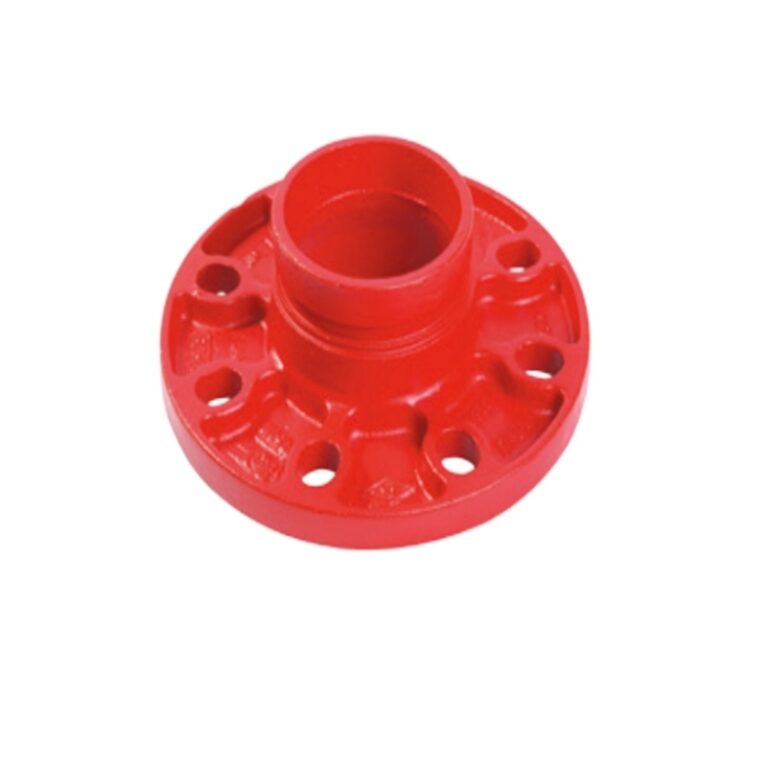
A threaded pipe cap goes over a male thread; a threaded plug goes into a female thread. That difference decides the closure for a steel pipe end or a spare port in a malleable iron fitting. A cap and plug of the same nominal size are not direct substitutes. After identifying the mating connection, check the thread standard, product class, finish, and space for installation or removal.
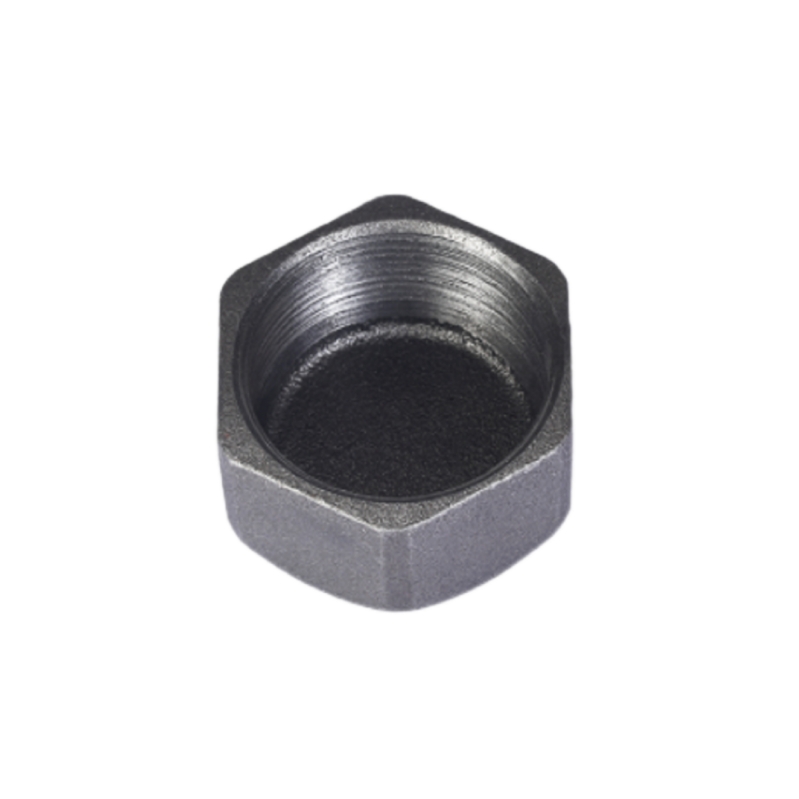
Identify the Thread on the Part Being Closed
An exposed threaded pipe end and an unused fitting port can look like the same terminal symbol on a drawing. Naming the connection prevents that ambiguity from reaching purchasing.
Fit a Female Cap Over a Male Pipe End
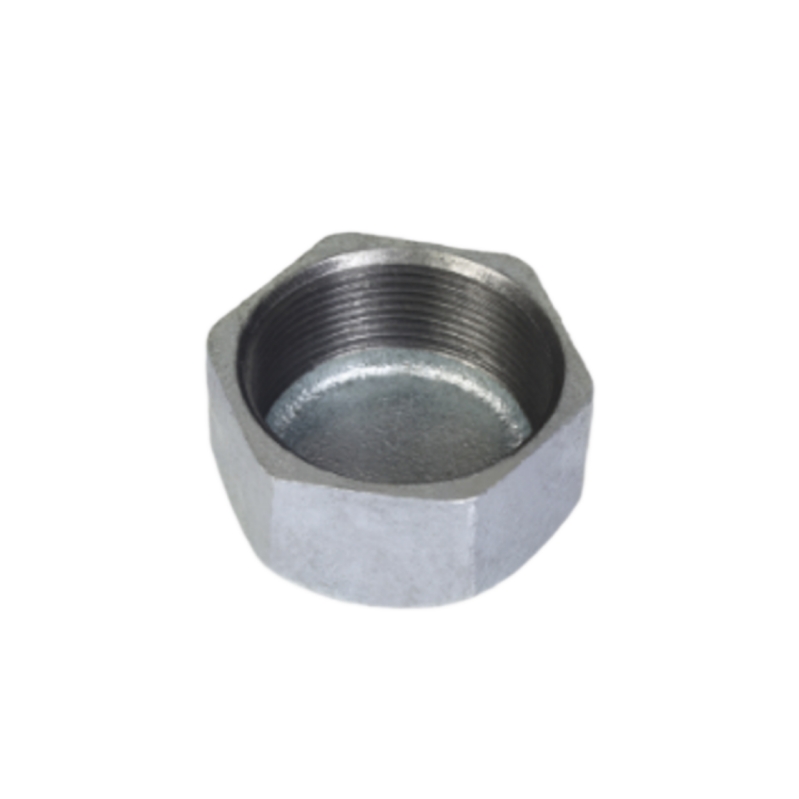
The Fig 301 A197 NPT hexagon cap is identified in Fluid Tech’s specification as a female-threaded fitting. It screws over the external thread at the pipe end. Its hexagonal exterior provides surfaces for a suitable tool.
For a branch ending in a male-threaded nipple, a matching cap can close the end directly. A male plug cannot mate with it. Adding a socket creates another arrangement with an extra component and connection, which needs review as a substitution.
Fit a Male Plug Into a Female Port
A tee outlet or another internally threaded opening needs a male closure. Fluid Tech’s A197 NPT solid plug has an external thread and is listed for sealing reserved ports, including those in sprinkler networks.
An unused female tee outlet can therefore be closed without adding a nipple. Identify the port being closed and the selected plug figure, especially where several spare outlets or plug head styles appear in the order.
Compare the Installed Arrangement and Tool Access
The mating thread settles the basic choice. Space beside a wall, valve body, or another branch then determines whether the closure is accessible.
Use the Drawing Dimensions for Each Shape
The Fig 301 page lists A and S dimensions. For its 1 inch entry, A is 24 mm and S is 37.2 mm. The solid plug page lists A as 31.8 mm for its 1 inch entry. These are dimensions for different shapes; their labels must be interpreted against the respective product drawings.
It would be misleading to subtract those values and call the result an installed-space saving. Thread engagement and head geometry enter the assembly differently. Instead, place the selected closure on the pipe or fitting detail and check its outside envelope. Include the tool that will turn it. The gap needed for a wrench is often more useful to the installer than an isolated catalogue dimension.
Allow for the Intended Maintenance Access
If the closure is expected to be removed later, the layout should preserve access to it. A plug behind another pipe may be compact on paper and awkward in service. A cap at the end of a projecting nipple may be easier to see, but the projection still has to fit the available space.
Removal is work on a pressure-containing component. Before either closure is disturbed, the relevant line must be isolated, depressurized, and drained, and residual pressure must be ruled out under the approved procedure. A removable cap or plug does not make an opening safe to access while the system remains pressurized.
Specify the Thread and Product Requirements
With the arrangement established, specify the remaining details that distinguish the required part from a similar item in the supplier’s range.
Write the Full Thread Designation
The Fig 301 listing identifies NPT as standard and shows optional BSP thread variants. The solid plug information also shows thread options. These are choices to confirm, not permission to mix thread systems. An enquiry that says only 1 inch plug leaves out information needed to select its mating thread.
Copy the required designation from the pipe or fitting specification. If the existing port is unidentified, have its thread established before purchasing a closure. A part that starts to screw into the opening has not proved that its thread form, pitch, and taper are correct. The American standard malleable iron fittings range groups related products, while the individual page and drawing identify the selected variant.
Keep Class and Finish Attached to the Selected Part
Both product pages list black heart malleable iron, 150LB and 300LB class options, and black, electro-galvanized, or hot-dip galvanized finishes. Confirm the requested combination for the chosen size. The presence of a class or finish in the range description does not establish availability for every possible variant.
Use the project’s pressure, temperature, medium, and approval requirements to review suitability. A galvanized surface does not establish a pressure rating, and a material standard does not by itself prove a specific fire protection certification. Any required listing should be checked for the exact supplied product.
Inspect the Closure Before the Line Is Tested
Fluid Tech’s product guidance calls for inspection of the fitting and threads, cleaning of the connection, suitable thread sealing, and controlled tightening. Damaged or contaminated threads should be addressed before assembly. Applying extra force is not a remedy for a mismatched part.
The completed connection then needs the inspection and testing required by the project. These closures are one small part of the fire protection pipeline system; the connected pipe and fittings also have to meet the specified conditions. Keep the installed cap or plug identifiable in the final component record.
Threaded Fitting Procurement with Fluid Tech
FLUID TECH PIPING SYSTEMS offers malleable iron fittings through its fire protection piping supply range and one-stop procurement service. Send the size or a marked drawing and identify the mating end. The team can help locate product information and discuss the required cap or plug. Add the thread, class, finish, and quantity as the selection is confirmed.
Conclusion
The connection being closed decides the basic choice. Use a female-threaded cap on a male pipe end and a male-threaded plug in a female port. Check tool access around that arrangement, then confirm the thread designation and exact product requirements. Clear descriptions prevent a small closure from becoming an unnecessary site substitution.
FAQs
Can a Shipping Protector Replace a Threaded Pressure Closure
No. A protector supplied to keep dirt or damage away from a thread should not be treated as a pressure-containing cap or plug. Use the specified closure.
Does a Hexagonal Exterior Mean the Part Is a Cap
No. External tool shapes do not determine thread gender. Check the drawing and identify whether the thread is inside or outside the component.
Can an Old Plug Be Reused After Removal
That requires inspection and approval under the applicable procedure. Damaged threads, corrosion, cracks, or sealing problems are reasons to replace it rather than reinstall it automatically.