A grooved end cap closes the main pipe bore. Some versions also provide a smaller outlet through the face for a drain connection or reserved branch. A plain cap, a cap with a concentric outlet, and one with an eccentric outlet can occupy the same location while doing different jobs. Start with what the pipe end must do, then select the opening position and check the assembly dimensions.
Decide Whether the Pipe End Needs an Outlet
The drawing should establish whether a smaller connection is needed. Any outlet also needs its own mating component or closure before the line enters service.
Use a Plain Cap for a Closed End
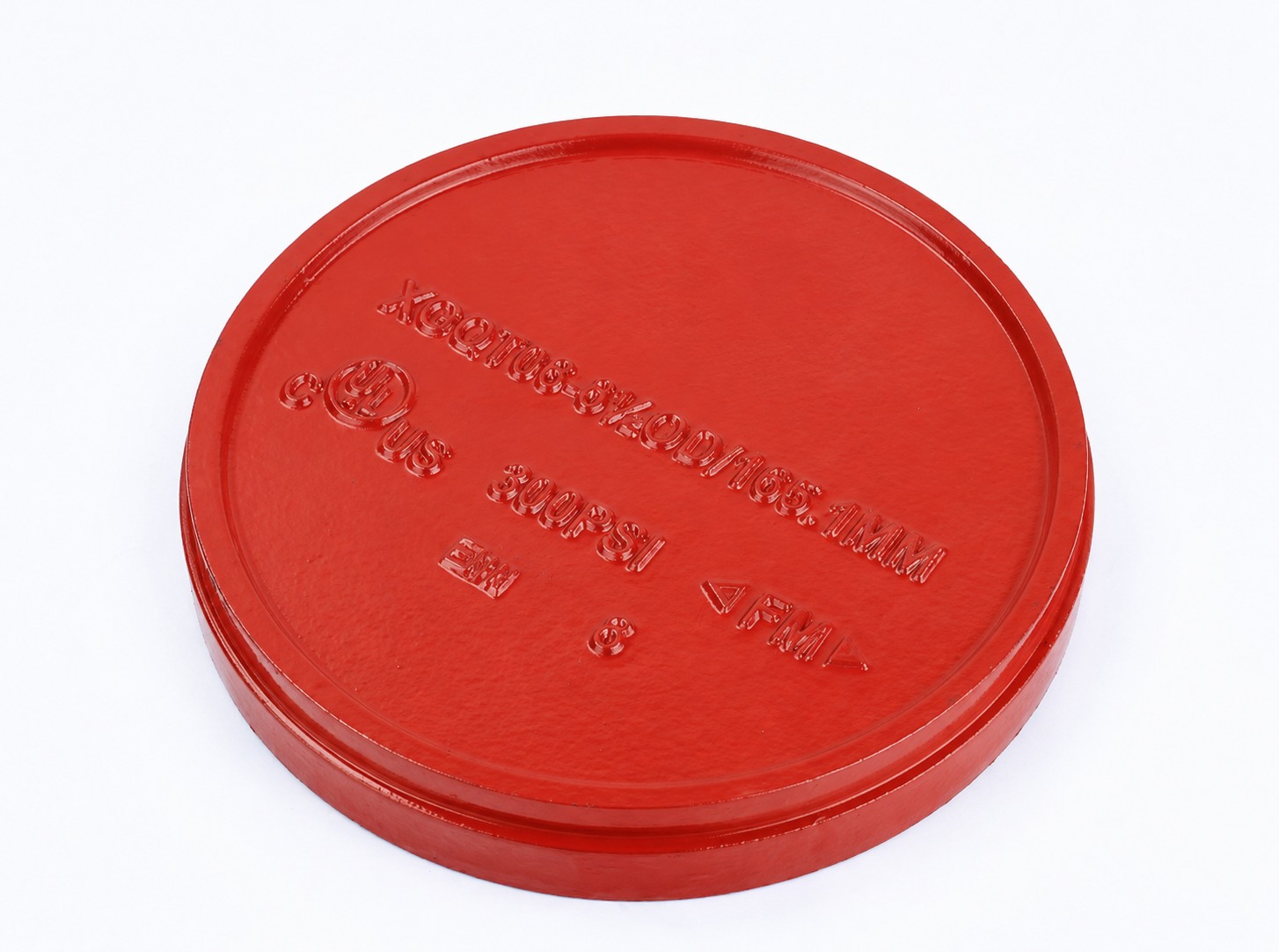
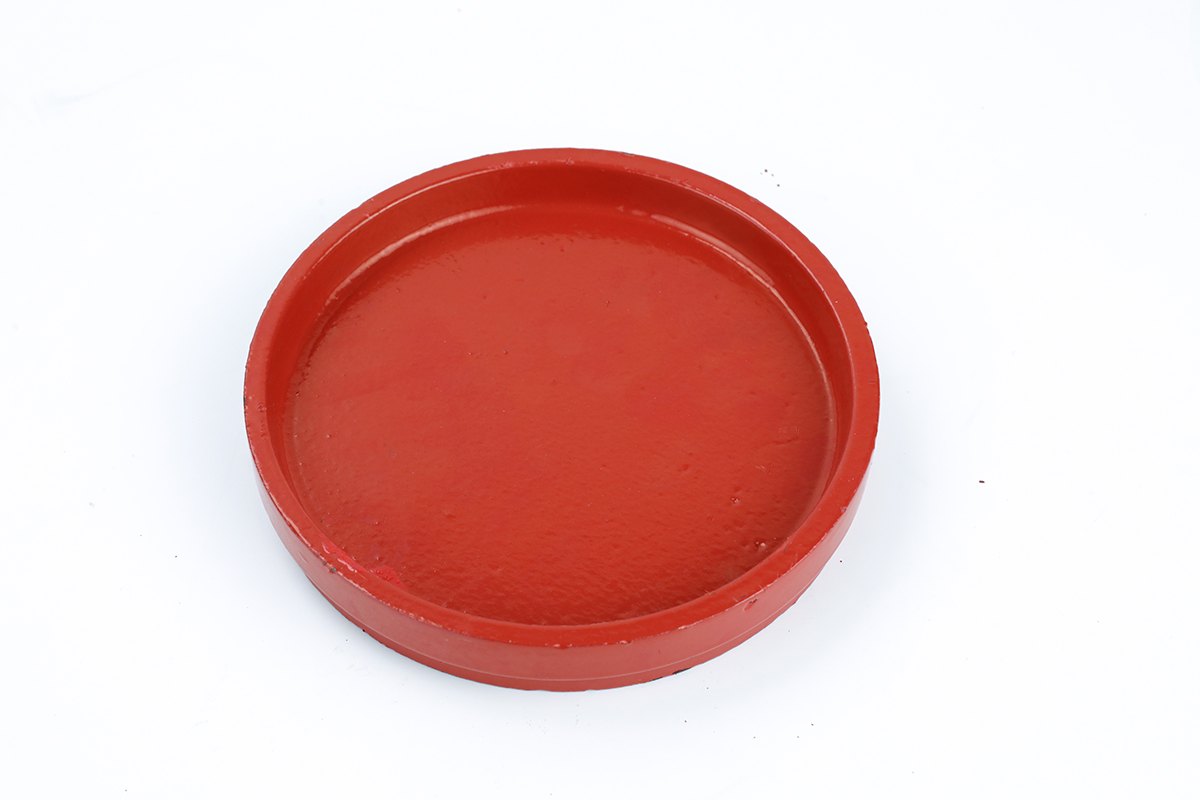
A grooved end cap closes the full pipe bore through a grooved coupling connection. It is a straightforward option where the approved design requires a sealed terminal and provides drainage elsewhere. It does not provide a separate outlet for a drain valve.
Consider a horizontal branch ending near a wall. For a closed terminal, an outlet adds a connection to specify and inspect. For a drain location, a plain cap leaves the requirement unresolved. The bill of materials needs to distinguish these functions.
Choose an Outlet Cap When the Connection Is Required
An outlet cap closes the larger pipe while retaining a smaller opening. Fluid Tech lists concentric and eccentric versions for drainage and small branch connections. The names identify where the outlet sits relative to the main pipe axis. They do not establish the complete connection specification.
The enquiry needs the main pipe size, outlet size, and outlet connection form. An entry such as 4 inch by 1 inch gives two nominal sizes without telling the buyer how the smaller component attaches. Confirm that detail before ordering its mating fitting.
Match the Outlet Position to the Intended Route
Once an outlet is needed, its position becomes a layout decision. The difference between a centered and an offset opening is especially visible at the end of horizontal pipe, where the outlet elevation influences the route of a drain connection.
Keep a Concentric Outlet on the Pipe Axis
The grooved cap with a concentric hole places the outlet on the main pipe centerline. This can suit a connection that needs to continue along that axis. The smaller pipe or attached component starts from a predictable position in the end view.
For drainage, however, the center of a horizontal pipe is above its bottom. A centered opening does not by itself establish a completely drainable low point. Review the pipe slope, outlet bore, and attached piping together. A product described as suitable for drainage still has to fit the drainage arrangement shown in the project design.
Position an Eccentric Outlet Deliberately
The grooved cap with an eccentric hole moves the opening away from the centerline. Where the design needs a lower outlet, the offset can help position the drain connection closer to the bottom of the pipe. The drawing should show its intended orientation.
An offset opening is not automatically a low point. Rotate it upward and the opening is higher; fit it beside an obstruction and the valve may become difficult to reach. Check the actual outlet elevation and access before assembly. The cap shape cannot compensate for an unsuitable pipe slope or a drain line that rises again downstream.
Check Both Size Entries Against the Product Drawing
After the outlet position is settled, verify the pipe connection. The larger nominal size is not enough to identify the actual pipe outside diameter, particularly when a product table contains several diameter options under one DN designation.
Record the Actual Main Pipe Outside Diameter
Fluid Tech’s concentric outlet table includes DN150 entries for 159.0, 165.1, and 168.3 mm main pipe outside diameters. The smaller connections and available combinations vary by row. Calling all of them 6 inch caps would hide the measurement that distinguishes their pipe connections.
Use the outside diameter specified for the installed pipe and identify the matching table row. Then confirm the groove profile and coupling compatibility for that selection. The published range of grooved pipe fittings offers context for related components, but each mating joint still needs its own check.
Read Dimensions for the Selected Variant
For the 4 inch by 1 inch entries, both outlet-cap pages list 114.3 by 33.7 under OD size and an L dimension of 27 mm. Those entries help identify the listed variant. They do not settle tool clearance, the outlet connection form, or the dimensions of an attached valve.
Keep the selected drawing with the enquiry so the supplier can identify the exact combination. Include pressure, temperature, and project approval requirements as well.
Prepare for Inspection and Later Access
The chosen cap must remain suitable when it reaches the site. Inspect the fitting and groove, and assemble the joint using the instructions for the selected cap, coupling, and gasket. Do not transfer tightening requirements from a different coupling model.
Keep the Closure Accessible
Allow space for the coupling hardware and any outlet valve. Before work on an existing terminal, the relevant section must be isolated, depressurized, and drained, with the absence of residual pressure verified. Loosening the coupling is not a way to check whether pressure remains. Inspection and removal should follow the approved site procedure and the actual component instructions.
Grooved Cap Selection Support from Fluid Tech
FLUID TECH PIPING SYSTEMS supplies grooved fittings and other fire protection piping products through its one-stop procurement service. Share the pipe size or drawing and describe whether the terminal needs full closure, a centered connection, or an offset outlet. The team can help identify current product information and discuss the required supply combination.
Conclusion
Choose the cap by the purpose of the terminal, then locate any outlet on the coordinated drawing. A centered connection follows the pipe axis; an eccentric connection permits an offset position that must be oriented deliberately. Confirm the main pipe outside diameter, outlet details, and mating coupling before releasing the order.
FAQs
Can an Ordinary Grooved Cap Be Drilled on Site for a Drain
Do not assume this is permitted. Specify a suitable manufactured outlet cap and obtain the required product and project approval rather than modifying a pressure-containing closure without authorization.
Does an Eccentric Outlet Guarantee Complete Drainage
No. Its orientation, bore position, pipe slope, and downstream drain route all affect where water can remain.
Is an Outlet Cap a Complete Test and Drain Assembly
No. It is a fitting with an opening. A complete assembly needs the specified valve and other components, selected for the required function and service conditions.