ASTM A53, ASTM A795, and ASTM A135 often show up in requests for electric-resistance-welded steel pipe. However, these codes mean different things for buyers. A53 is a general pipe standard. People use it for various mechanical and pressure tasks. A795 is made specifically for fire protection systems. Meanwhile, A135 applies to electric-resistance-welded steel pipe used to move gas, vapor, water, or other fluids. Your best choice relies on the project rules, intended use, size, grade, and finish. It also depends on end styles and paperwork. You cannot rely on the standard number by itself. This article offers buyers a helpful method to evaluate these three options. It helps you avoid treating them as exact substitutes.
Why Is an ASTM Number Not a Complete ERW Pipe Specification?
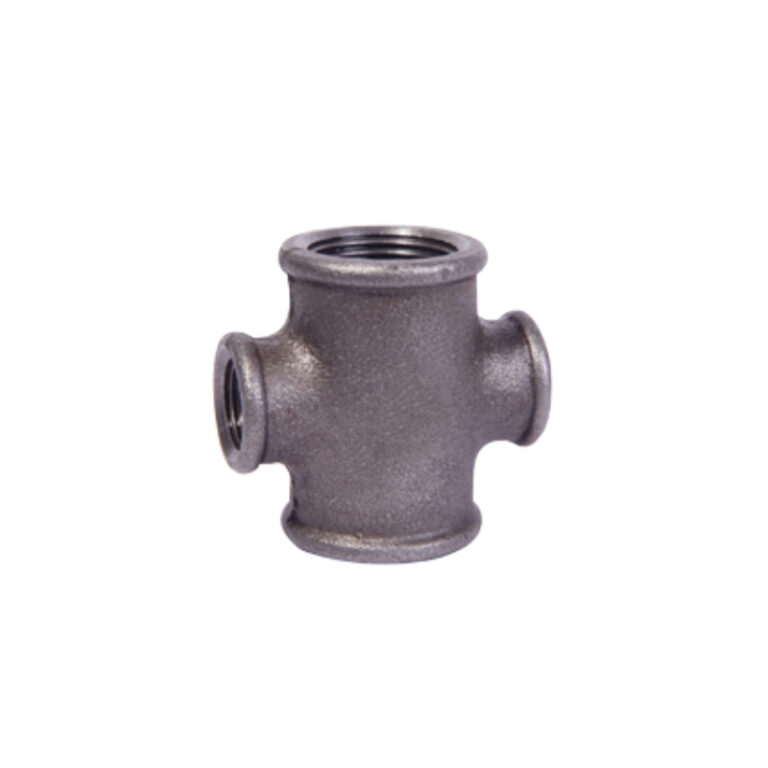
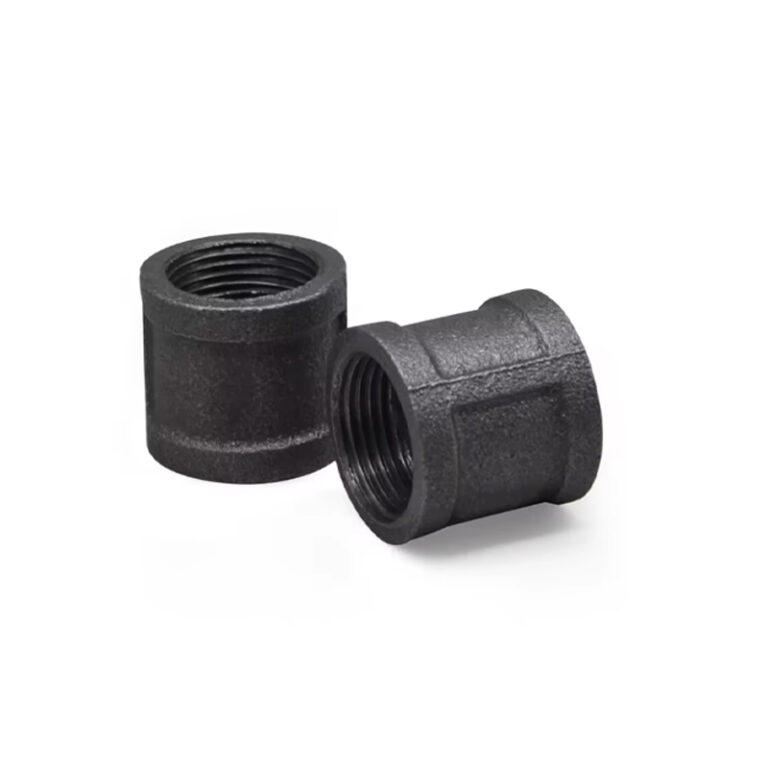
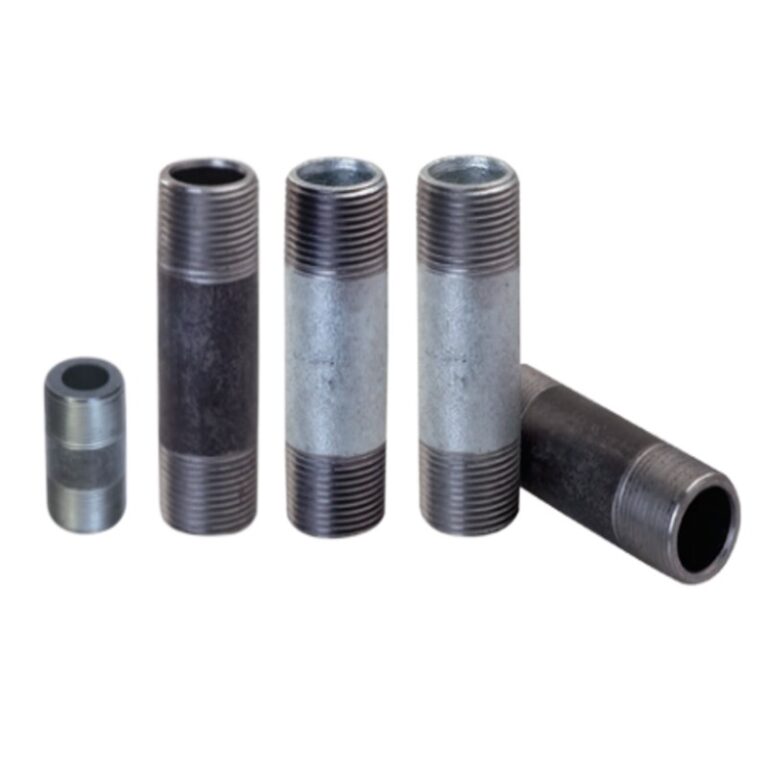
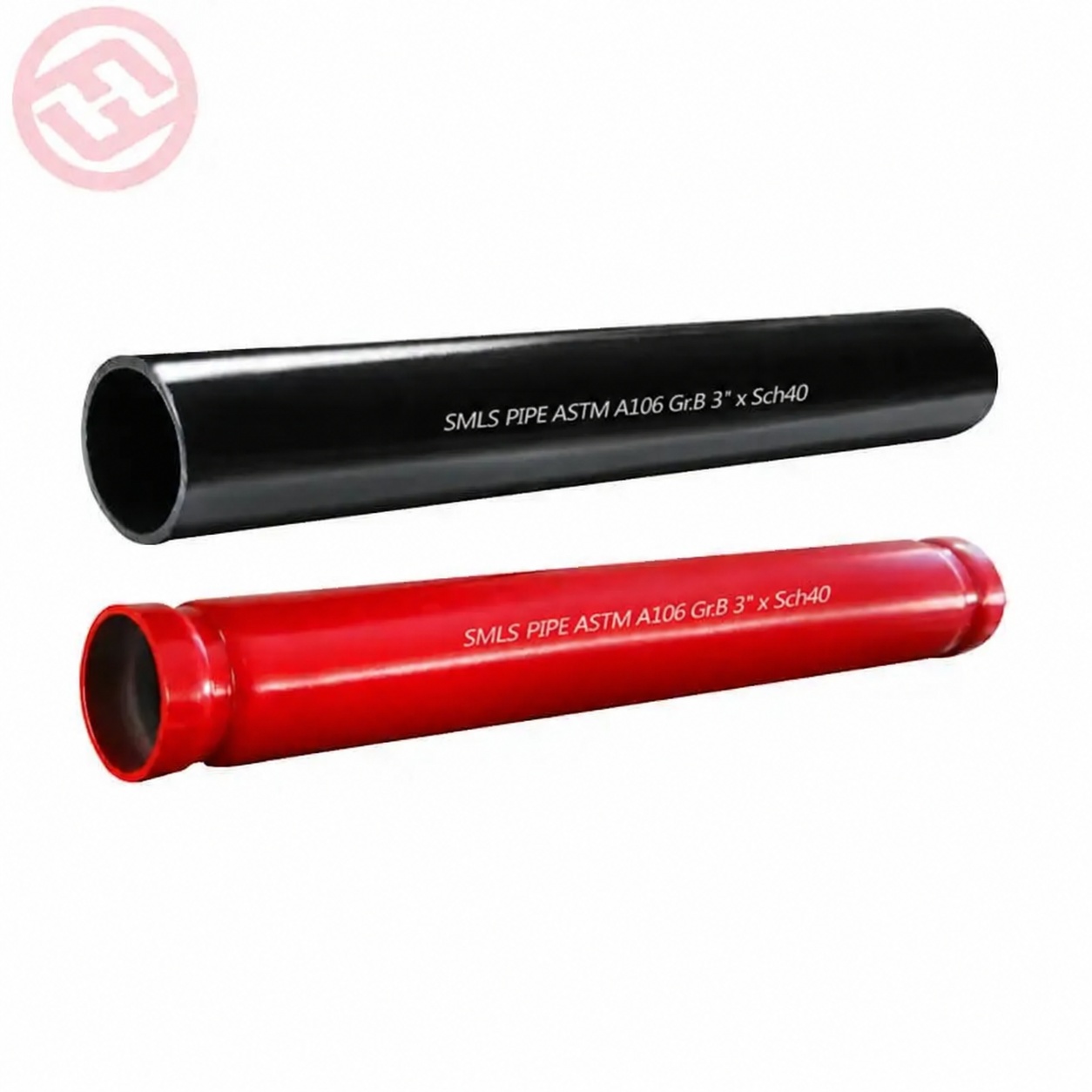
A standard sets up a basic technical guide. An actual order still requires specific business and project facts. When making an ASTM ERW steel pipe inquiry, buyers must list the exact ASTM standard. They must also note the grade, nominal pipe size, and wall thickness or schedule. Other key details include length, surface finish, end type, total amount, and testing papers. Fluid Tech provides product details showing popular choices. These include plain, beveled, grooved, or threaded ends. Surface options cover original, black, galvanized, or red-coated finishes. Buyers need to check stock and rule matching against the latest price quote and approved project files.
What Does ASTM A53 Cover?
ASTM A53 acts as a general rule for black and hot-dipped, zinc-coated welded and seamless steel pipe. During buying, people might ask for it for mechanical and pressure uses. They also use it for steam, water, gas, and air pipes. This depends on the specific design needs of the project. A53 covers both welded and seamless types. Therefore, the buyer needs to clearly say ERW or seamless. They should not guess that the maker knows the production method. The purchase request must also include the grade, type, and exact sizes. Coating, end style, testing rules, and paperwork are just as important.
Why Is ASTM A795 Common in Fire Protection Projects?
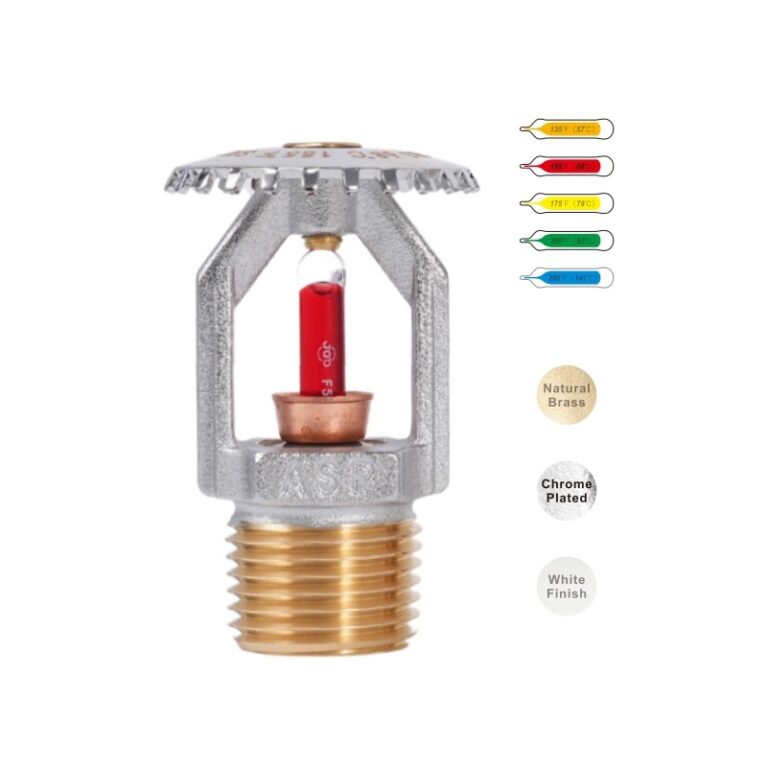
ASTM A795 links directly to black and hot-dipped zinc-coated welded and seamless steel pipe meant for fire protection. This clear focus makes it very common in paperwork for sprinkler and standpipe jobs. Still, naming the standard does not take the place of the approved material list. It also does not replace local building rules or special safety certificates. Buyers must check if the job needs welded or seamless pipe. They must verify the needed wall thickness, surface look, end style, and exact papers. A seller must not apply one product approval to all pipe types without solid proof.
When Is ASTM A135 Relevant to ERW Steel Pipe?
ASTM A135 applies to electric-resistance-welded steel pipe used for moving gas, vapor, water, or other fluids. Its main focus connects tightly to the ERW production method. In a buying request, the intended use should always go with the standard name. Buyers should never leave this detail unsaid. The purchaser must verify the exact grade, sizes, finish, and end types. They also need to check testing hopes and any special project limits. A135 works well for some water or fluid moving tasks. However, final approval must come from the main design papers and the lead engineer.
How Should Buyers Compare A53, A795, and A135?
A helpful review starts with the planned use. It then focuses the order using the accepted product shape of the standard. These three codes often mix together in business talks. Yet, they handle very different technical goals. Viewing them as the same thing can cause paperwork delays. It might lead to wrong test papers. It could also result in a pipe type that fails to match the approved parts list.
Start With the Project Specification
If the job clearly asks for A795 for fire safety, price that exact item. Do this unless a formal swap gets approved. If the plan lists A53 or A135, keep the named standard, grade, and working conditions. The steel pipe category helps buyers view the offered ASTM ERW, EN ERW, and seamless choices. However, this web page cannot replace the actual project rules or specific product facts.
Confirm Pipe Configuration and Documentation
Once the standard is set, verify the nominal size. Check the outside diameter and wall thickness needs. Also, confirm the grade, random or set length, and surface finish. Note the end style, total amount, packing, and required test papers. For fire safety jobs, include every safety listing or approval exactly as stated. For other fluid systems, share the fluid type and design limits with the expert project team. These clear facts give the seller a solid starting point for pricing. They also cut down on guessing during the technical check.
Should You Choose ERW or Seamless Steel Pipe?
The making method must match the standard and job needs. Makers form ERW pipe from steel strips or plates. They join it using electric resistance welding. This creates a long weld line. A seamless steel tube lacks this long welded seam. Buyers might pick it when the job strictly demands seamless parts. Neither way is always better for every single system. The right choice relies on the main rule, pressure, and heat levels. It also depends on sizes, testing rules, stock, and the approved plan. Buyers must ask for the needed production method clearly.
Why Work With Fluid Tech for Steel Pipe Supply?
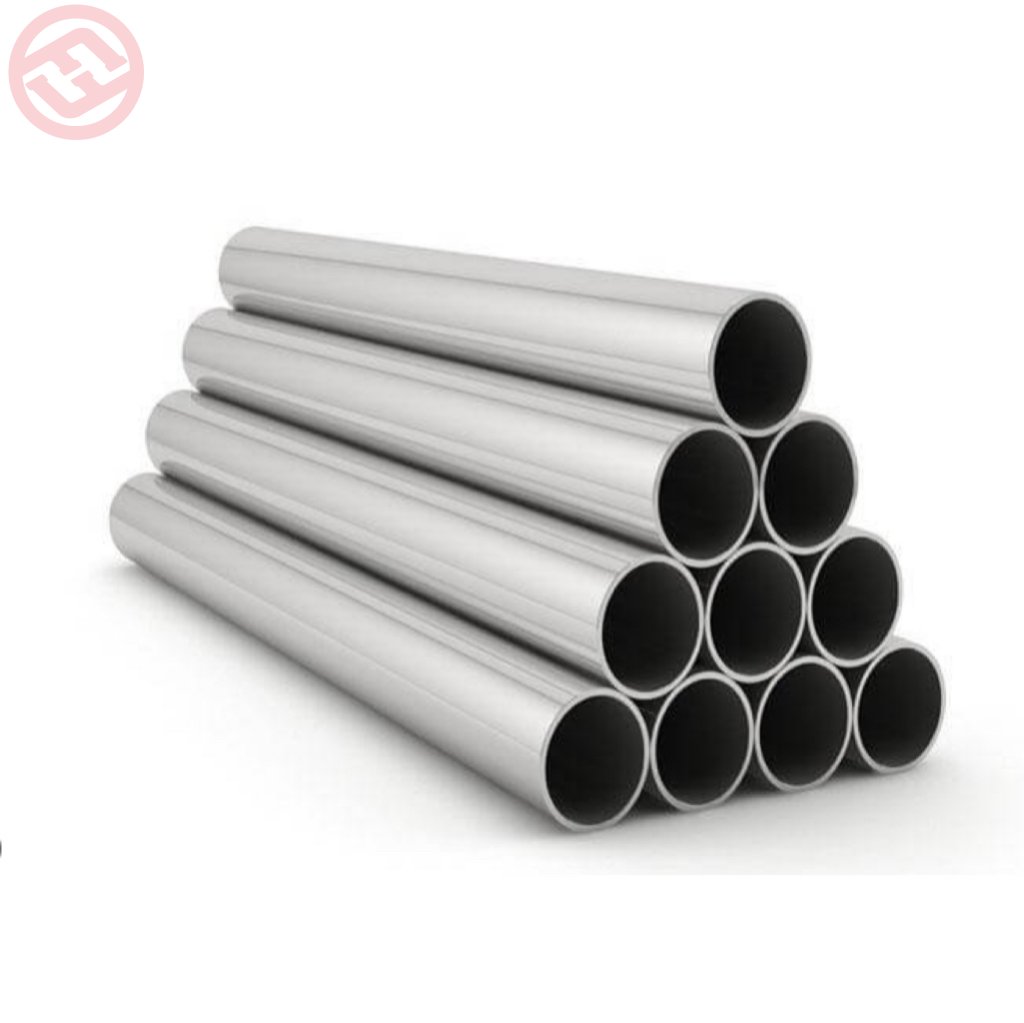
FLUID TECH PIPING SYSTEMS (TIANJIN) CO., LTD. provides pipeline fluid system goods. These include ERW and seamless steel pipe choices. The firm helps arrange pricing facts. These facts cover the standard, size, finish, and end style. They also include length, amount, and test papers. This clear seller help allows buyers to look at different offers fairly. It does this without taking over the project engineering or official approval steps.
Conclusion
ASTM A53 serves as a general welded and seamless pipe rule. ASTM A795 focuses strictly on fire protection pipe. ASTM A135 is made just for ERW pipe that moves gas, vapor, water, or other fluids. The best standard is always the one listed in the approved project files. A full request must clearly state the grade, size, and wall thickness. It must also list length, finish, ends, amount, and test papers. Do not make casual swaps just because the width or name looks similar. Always check rule matching before buying and installing the items.
FAQs
Is ASTM A795 Only Used for Fire Protection Pipe?
ASTM A795 is created for black and hot-dipped zinc-coated welded and seamless steel pipe. It is meant for fire protection tasks. Buyers must follow the exact working and product rules written in the project files.
Can ASTM A53 Pipe Replace ASTM A795 Pipe?
It cannot do so automatically. The sizes might look very similar. However, the main rule, working needs, and testing steps can vary greatly. Paperwork and safety approvals often differ as well. Any swap must go through the formal check and approval steps of the project.
What Details Should an ERW Steel Pipe Inquiry Include?
You must list the ASTM standard, grade, and nominal size. Also, state the wall thickness or schedule and the length. Add the surface finish, end style, total amount, and packing method. Make sure to ask for the needed testing or approval papers. Always mention the planned fluid service when it matters.