Selecting between a riser clamp and a clevis hanger starts with one practical question: is the pipe run vertical or horizontal? Both products belong to the broader family of pipe hangers, but they carry load in different ways and are not interchangeable by default. A clevis hanger suspends a horizontal pipe from above, while a riser clamp supports a vertical pipe where the clamp bears on a floor, sleeve, or other structural surface. This guide compares their functions, installation logic, purchasing details, and common selection mistakes so that contractors, distributors, and project buyers can specify the correct support without adding unnecessary complexity.
Why Does Pipe Orientation Determine the Support Type?
Pipe orientation changes both the direction of the load and the way that load reaches the building structure. A horizontal pipe normally needs support at intervals along its route, and a suspended support can transfer the pipe weight to an overhead structure. A vertical riser creates a different problem: its weight must be restrained at selected elevations and transferred to a suitable bearing surface. The support must also fit the pipe outside diameter and the project layout. Before comparing finishes, standards, or price, buyers should therefore confirm the pipe direction, nominal size, load path, and attachment point.
When Should You Use a Clevis Hanger?
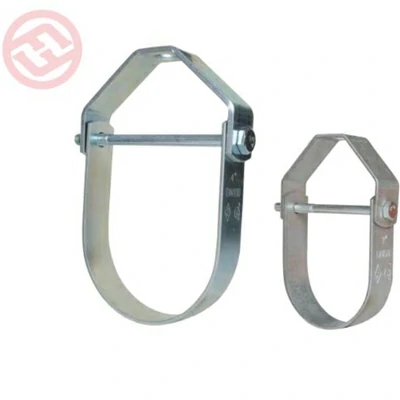
A clevis hanger is generally selected for a stationary, non-insulated horizontal pipeline suspended from a hanger rod. Its U-shaped lower strap cradles the pipe, while the upper clevis connects to the rod. This arrangement makes it a familiar choice in fire protection, water, and other building service piping where overhead suspension is required. The exact support spacing and rod design must still follow the project drawings and applicable engineering requirements.
How Does a Clevis Hanger Carry the Pipe?
The lower part of the hanger supports the pipe from beneath, and the connected rod transfers the load upward. Fluid Tech’s clevis hanger product page identifies carbon steel construction, sizes from 1/2 inch to 12 inches, and pre-galvanized or electro-galvanized finishes. It also references UL 203 and MSS SP-58/69 Type 1 for this product. Those details can help a buyer prepare an inquiry, but the final selection should match the approved submittal, required load, pipe size, and installation environment.
What Should Buyers Confirm Before Ordering?
A useful purchase request should identify the pipe size, quantity, required finish, referenced standard, rod connection, and any project-specific approval or documentation requirement. The buyer should also confirm whether the line is insulated, because a standard clevis hanger for non-insulated pipe may not be the complete support solution for an insulated system. Clear information prevents a size-only quotation from being mistaken for a fully engineered support selection.
When Is a Riser Clamp the Correct Choice?
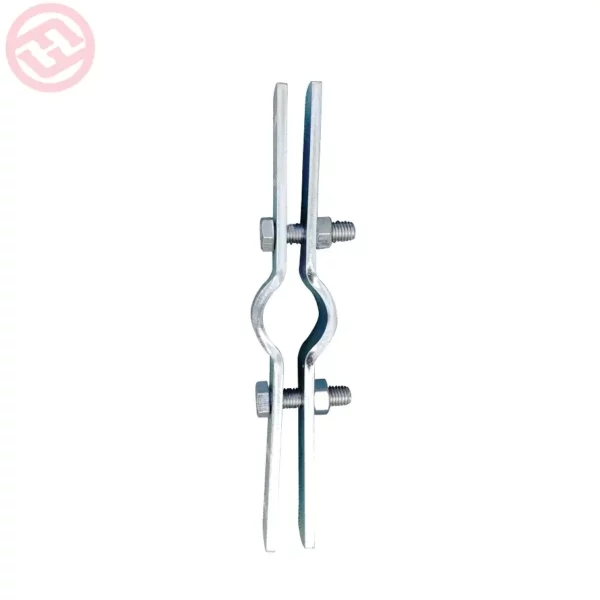
A riser clamp is intended for a vertical pipe run. It wraps around the pipe and extends outward at both sides, allowing the projecting ears to bear on a floor, sleeve, or other structural support. In this arrangement, the clamp restrains the riser at the chosen elevation and transfers the vertical load to the supporting surface. The structural bearing condition is therefore as important as the clamp itself.
How Does a Riser Clamp Transfer Load?
Unlike a clevis hanger, the typical riser clamp does not depend on a hanger rod above the pipe. Fluid Tech’s riser clamp page lists carbon steel, sizes from 1/2 inch to 12 inches, pre-galvanized or electro-galvanized finishes, and references UL 203 and MSS SP-58/69 Type 8 for the listed product. The bolts draw the clamp around the pipe, while the ears provide the bearing points. Installers must place the clamp at the specified elevation and ensure that the supporting surface can receive the load.
What Installation Details Matter?
The clamp must match the pipe outside diameter and be installed in the orientation shown in the approved design. Buyers should confirm pipe size, finish, quantity, standard, and the required submittal documents. Installers should not assume that tightening alone proves the support is adequate; clamp positioning, bolt engagement, bearing area, and the capacity of the surrounding structure all affect performance. Project engineering requirements remain the controlling reference.
How Do Clevis Hangers and Riser Clamps Differ in Practice?
The simplest distinction is load path. A clevis hanger supports a horizontal pipe from below and transfers the load through a rod to an overhead attachment. A riser clamp grips a vertical pipe and transfers the load through its ears to a bearing surface. The clevis hanger is therefore associated with repeated suspension points along a horizontal route, while a riser clamp is located at selected levels of a vertical run. Both may be available in similar size ranges and finishes, but matching dimensions do not make them substitutes. Orientation, attachment method, standard reference, insulation condition, and project approval must all agree with the design.
Why Choose Fluid Tech as a Pipe Support Supplier?
FLUID TECH PIPING SYSTEMS (TIANJIN) CO., LTD. supplies pipeline fluid system products, including pipe support accessories for fire protection and water system projects. For clevis hangers and riser clamps, the company can help buyers align common commercial details such as product type, size, finish, quantity, and documentation with the inquiry. This supplier role supports efficient sourcing, but final engineering selection and installation remain the responsibility of the project’s qualified parties.
Conclusion
Choose a clevis hanger when a horizontal, non-insulated stationary pipe must be suspended from an overhead rod. Choose a riser clamp when a vertical pipe must be restrained and its load transferred to a suitable bearing surface. Do not select either product from pipe size alone. Confirm orientation, support location, finish, standard, documentation, and structural load path before ordering. A concise, project-specific inquiry allows the supplier to identify the relevant product more accurately and reduces avoidable revisions during submittal and installation.
FAQs
Can a Clevis Hanger Support a Vertical Pipe?
A standard clevis hanger is primarily used to suspend a horizontal pipe from a hanger rod. A vertical riser normally requires a support designed for vertical load transfer, such as a properly selected riser clamp at an approved bearing location.
Does a Riser Clamp Use a Hanger Rod?
A typical riser clamp transfers load through its projecting ears to a floor, sleeve, or similar bearing surface rather than through an overhead hanger rod. The project detail should confirm the exact arrangement.
What Information Is Needed for a Pipe Hanger Quotation?
Provide the product type, pipe size, required finish, quantity, referenced standard, application orientation, and required certificates or submittal documents. Also note insulation or unusual site conditions when they affect selection.