The end of an ERW steel pipe determines how that pipe will be joined, fabricated, inspected, and installed. Plain, beveled, grooved, and threaded ends support different connection methods, so an incomplete purchase order can lead to extra site work or a pipe that does not match the approved fittings. The correct end preparation should follow the project specification, pipe dimensions, joining system, applicable standard, and installation plan. This guide compares the four common options and gives buyers a practical checklist for preparing a clearer ERW steel pipe inquiry.
What Is a Plain-End ERW Steel Pipe?
A plain end is supplied without a machined bevel, formed groove, or pipe thread. Fluid Tech describes the option as a square-cut end on its ASTM ERW steel pipe product page. Plain ends can provide flexibility when the fabricator plans to cut, groove, weld, or otherwise prepare the pipe later, but that flexibility does not mean every joining method accepts the same untreated end. The buyer should state the intended connection and confirm any edge, squareness, deburring, or field-processing requirements with the approved procedure.
When Should Buyers Specify a Beveled End?
A beveled end is normally associated with a welded joint that needs prepared edges. The bevel creates space for the weld joint geometry, but the exact preparation must follow the relevant welding procedure and project standard. Fluid Tech’s current ASTM ERW product page lists a 30-degree beveled option. Buyers should not convert that listing into a universal welding instruction; wall thickness, material, fit-up, root condition, inspection, and welder qualification remain project-controlled factors. The RFQ should state the required bevel and governing specification.
When Is a Grooved End the Right Option?
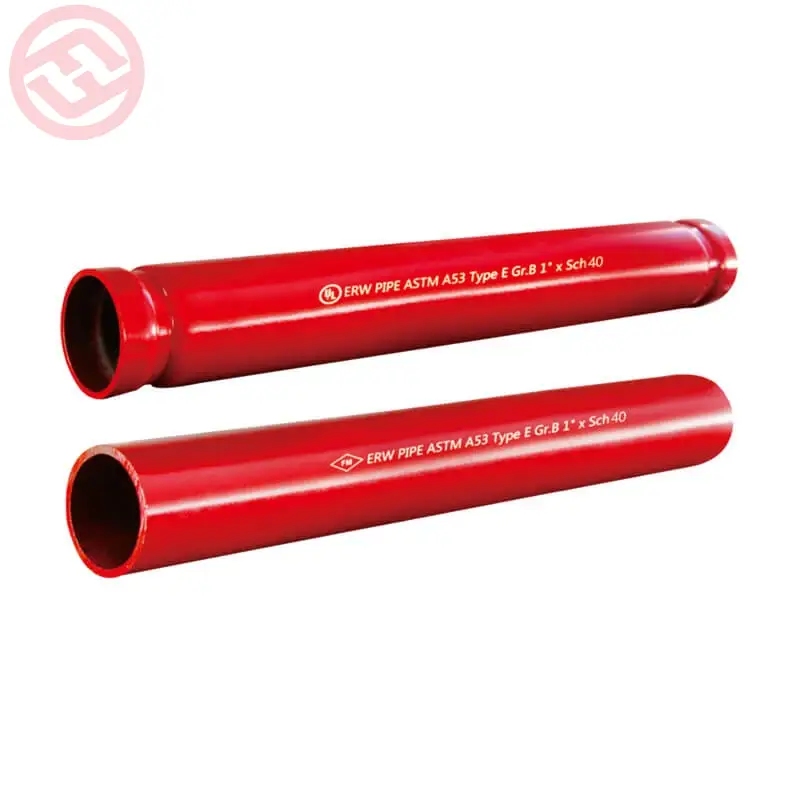
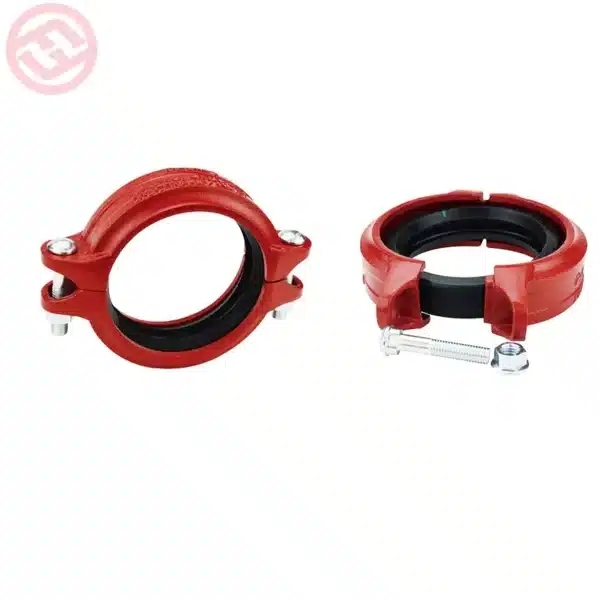
A grooved end is prepared for a mechanical grooved connection. A coupling housing engages the grooves on the pipe ends while a gasket provides the seal. This method is widely encountered in fire protection and water piping, but reliable assembly depends on correct pipe outside diameter, groove dimensions, sealing surface condition, compatible coupling components, and the applicable standard. The groove is therefore a controlled connection feature rather than a decorative recess.
What Should Buyers Confirm for Roll-Grooved Pipe?
Fluid Tech lists roll grooving to AWWA C606 among its ASTM ERW pipe end options. Buyers should identify the required groove standard, pipe size, wall condition, coating, and mating coupling system. The company’s article on roll-grooved end dimensions explains why outside diameter, groove width, depth, and profile matter to coupling engagement. Final acceptance should follow the coupling manufacturer’s instructions, approved submittal, and the project’s inspection requirements.
Why Does the Sealing Surface Matter?
The gasket contacts the pipe surface near the end, so rust, scale, weld spatter, deep scratches, excessive paint, or other irregularities can interfere with sealing. The pipe ends also need alignment during assembly. Buyers ordering pre-grooved pipe should clarify whether surface coating is applied before or after grooving and what protection is required during transport. Installers should inspect the groove and gasket seating area before assembling and pressure testing the joint.
When Should Buyers Specify Threaded Ends?
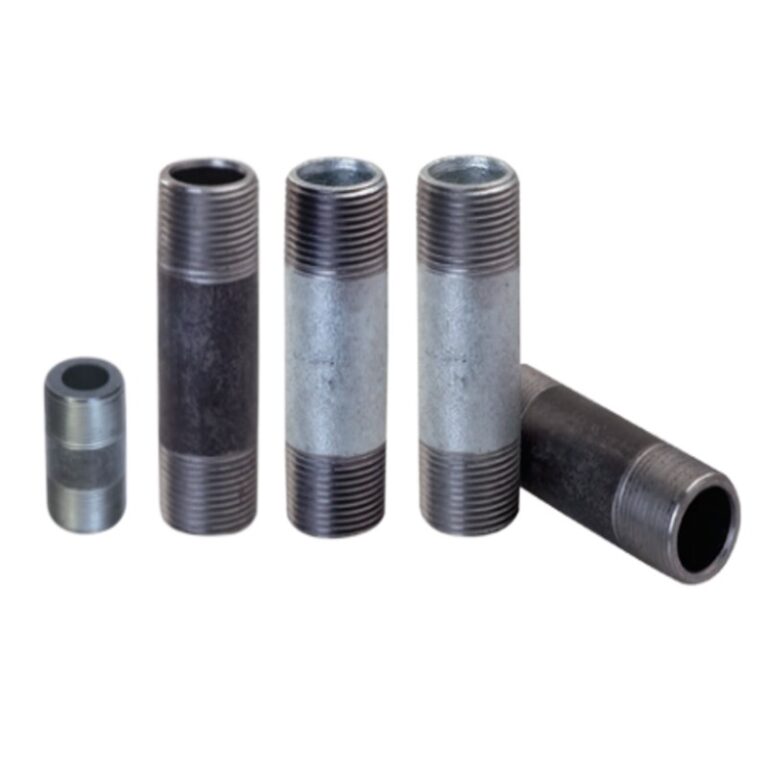
Threaded ends are prepared to connect with compatible threaded fittings, sockets, or other components. Fluid Tech lists NPT threads to ANSI B1.20.1 and BSPT threads to ISO 7-1 on the ASTM ERW product page. Because NPT and BSPT are different thread systems, the purchase order must name the required thread rather than use the word threaded alone. Buyers should also confirm size range, wall suitability, end protection, coupling requirements, sealant procedure, and any project restrictions on threaded joints.
How Should Buyers Compare the Four End Types?
Start with the intended joining method. Plain ends preserve downstream fabrication choices. Beveled ends prepare the pipe for an approved welded joint. Grooved ends work with a compatible mechanical grooved system. Threaded ends connect to matching threaded components. The steel pipe product category shows Fluid Tech’s ASTM ERW, EN ERW, and seamless pipe families, but the category alone cannot determine the end type. Standard, grade, size, wall, surface, connection system, and site method must be reviewed together.
What Should an ERW Pipe RFQ Include?
A complete RFQ should state the applicable ASTM or EN standard, grade, nominal size, outside diameter and wall or schedule requirement, length, surface finish, end preparation, quantity, packaging, and required inspection documents. For a grooved end, add the groove standard and mating system. For a threaded end, name NPT or BSPT and the applicable standard. For a beveled end, state the required bevel specification. If ends require caps, thread protectors, special coating protection, or bundled identification, include those details before quotation.
Why Work With Fluid Tech for ERW Steel Pipe?
FLUID TECH PIPING SYSTEMS (TIANJIN) CO., LTD. supplies pipeline fluid system products, including ERW steel pipe with plain, beveled, grooved, and threaded end options. The company can help buyers structure an inquiry around standard, size, length, surface, end type, quantity, and documentation. This supplier coordination supports consistent quotations but does not replace the project engineer’s selection of the joining method or the installer’s approved procedure.
Conclusion
Plain, beveled, grooved, and threaded ERW pipe ends serve different connection strategies. The best option is the one that matches the approved piping system and project documents. Buyers should never assume that a pipe standard automatically defines the end preparation or that all threaded and grooved systems are interchangeable. By specifying the end type together with size, wall, surface, length, connection standard, packaging, and inspection documents, procurement teams can reduce field processing, mismatched components, and avoidable submittal revisions.
FAQs
Can Plain-End ERW Pipe Be Grooved Later?
It may be possible when the pipe dimensions, wall, material, equipment, and applicable groove standard are suitable. The fabricator should follow the approved grooving procedure and coupling manufacturer’s requirements.
Are NPT and BSPT Threaded Ends Interchangeable?
They should not be treated as automatically interchangeable. They are different thread systems, so the RFQ and fittings must identify the required standard and compatible components.
Does ASTM A53 Automatically Require a Beveled End?
No. The purchase order and project requirements should state the required end preparation. Plain, beveled, grooved, or threaded options may be supplied when they match the specification and product availability.