Connections in fire protection, plumbing, gas distribution, and industrial piping systems are amongst the most critical elements of any system. Those connections that are made using malleable iron pipe fittings are particularly popular due to their high strength, ductility, and ability to handle fluctuating pressures. Importantly, however, the quality of the malleable iron pipe fittings is largely determined by the manufacturer, and even minor defects within the materials, the casting, the threaded connections, or the heat treatment process can lead to serious problems, such as leaks or premature wear, potentially leading to costly failures. The industry is increasingly moving towards higher quality products that are able to comply with a growing number of stringent international standards. To this end, a growing number of manufacturers are increasingly implementing sophisticated quality control processes to check raw materials, monitor processes, carry out a variety of non-destructive tests, and finally check for pressure. Understanding the different quality assurance measures that are in place will enable designers, distributors, and project managers to make informed decisions when choosing malleable iron pipe fittings for use in critical situations.
What Role Does Quality Control Play in Malleable Iron Pipe Fittings Manufacturing?
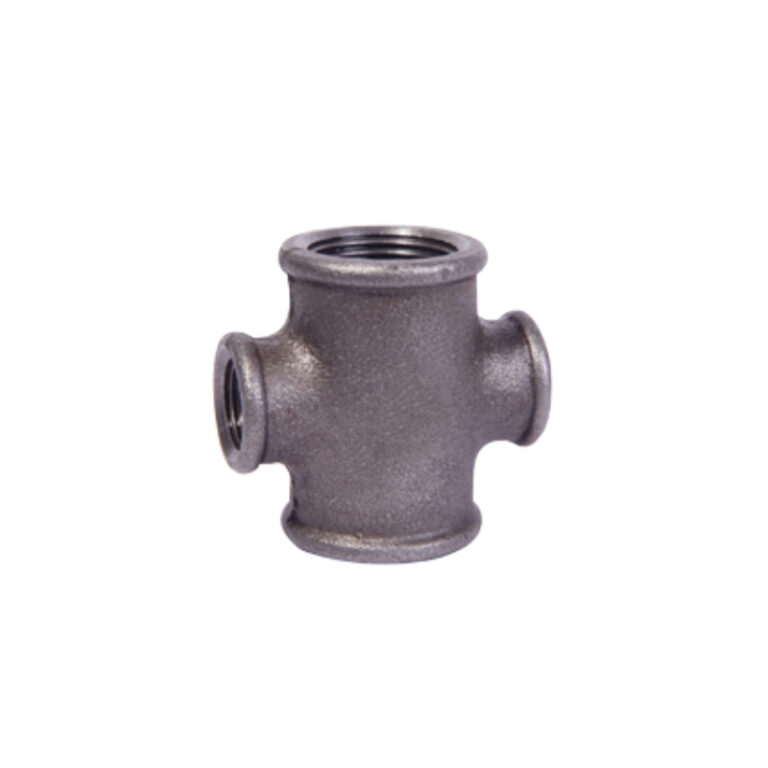
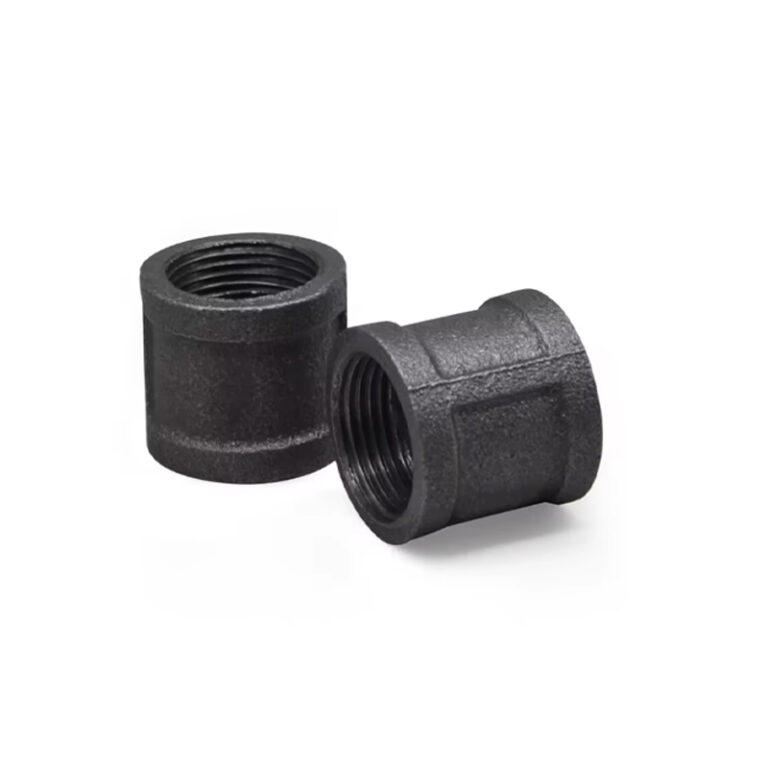
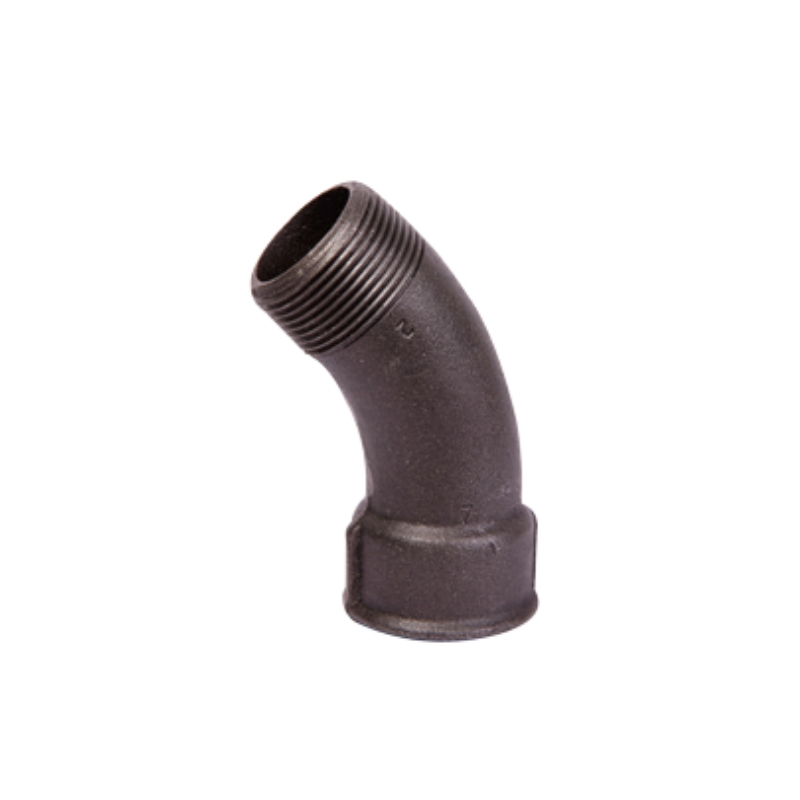
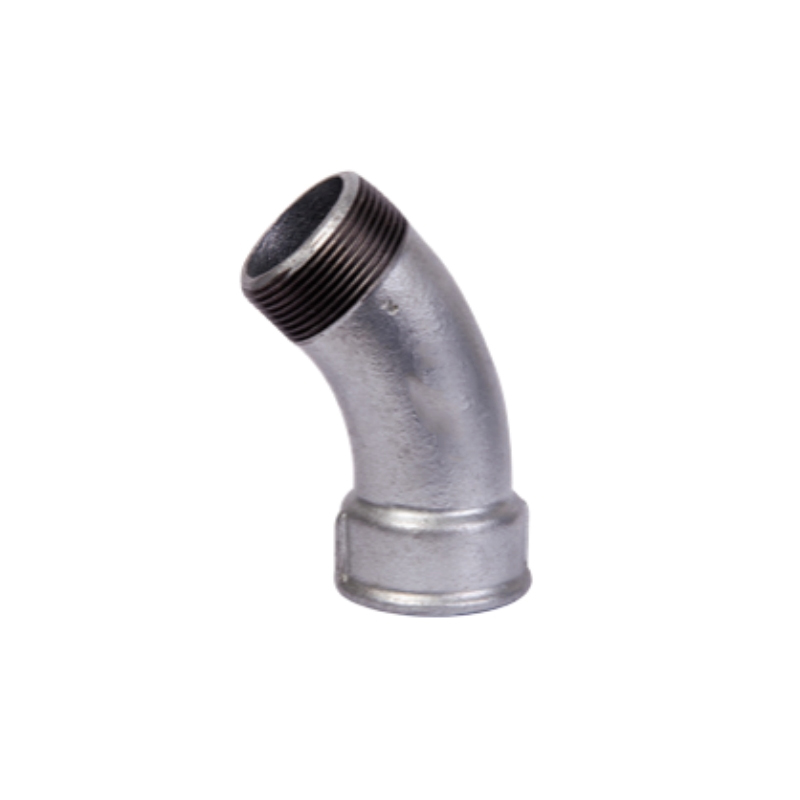
The control of quality is the guarantee of reliability for malleable iron pipe fittings. By checking each item in relation to its mechanical, dimensional and functional properties, one can be assured that each item will function properly. Fluid Tech’s DIN malleable iron pipe fittings, such as the M&F 45° Bend Fig 40 beaded is made to DIN specifications. It is a 45° turn fitting for use in piping systems. A 45° turn is made between the two ends of the fitting. One end is a right hand male threaded and the other end is a left hand female threaded for easy connection to other pipe fittings. The above item illustrates the function of quality control throughout all the manufacturing processes.
Key Stages of Quality Control Implementation
The production process starts with material verification. By analyzing the chemical composition of the raw materials prior to casting the base metal, the required ductility after annealing can be achieved. After the machining process, the dimensions of all fittings are checked with respect to the stipulated tolerance limits. In accordance with generally recognized standards, such as DIN EN 10242 and DIN 2999, pressure and leakage tests are then performed in order to check the hermetic sealing of the fittings, which are used for applications with water, gas, oil, steam and fire protection.
Fluid Tech emphasizes rigorous quality control: All their products are 100% new and go through strict inspection processes prior to their dispatch. These include pressure test as well as dimensional check to ensure that even when the product is put under thermal or mechanical stress, it would be able to withstand and still retain its structure.
How Process Monitoring Enhances Product Consistency
Process monitoring during casting and heat treatment is of high importance. By monitoring temperature and mold conditions in real time during the process the operator can identify potential problems affecting the microstructure in time to correct them. Data is collected and enables prompt action to be taken to prevent entire batches being scrapped. By using statistical process control the variability of the process from batch to batch is minimized by analyzing temperature curves, cooling rates as well as tensile test results.
To ensure consistent production outcomes in high-volume production facilities like those at Fluid Tech, such as its heat treatment facilities, Furnace Control can be integrated with and monitored by production control automated systems to ensure that accurate furnace conditions are maintained on an ongoing basis to guarantee repeatable results as specified in ISO and ANSI standards around the world.
How Does Material Selection Influence Failure Rates?
The performance of malleable iron pipe fittings under working loads is largely governed by the material selected. The critical factor is the balance of carbon, alloying elements and heat treatment to resist cracking and corrosion fatigue.
Chemical Composition and Metallurgical Properties
Controlling carbon is crucial for making the material malleable after annealing. The alloying elements Si increase the oxidation resistance and Mn increases the tensile strength. Impurities as S and P have to be kept as low as possible because they cause brittleness at grain boundaries.
The Fluid Tech black heart malleable iron formulation is well balanced between the above factors. This high quality black heart malleable iron part has high strength, good toughness and good sealing properties making it a ideal part for very demanding applications such as fire sprinkler systems or industrial compressed air pipelines.
The Effect of Heat Treatment on Durability
Annealing changes hard and brittle white cast iron into malleable cast iron with a ferritic matrix. During annealing the cementite is dissolved into graphite-clusters. A uniform heat treatment prevents the introduction of stresses which can cause cracks when threading or during operation. After the heat treatment uniformity of the structure of parts made from different molds or even in big series from different batches can be checked.
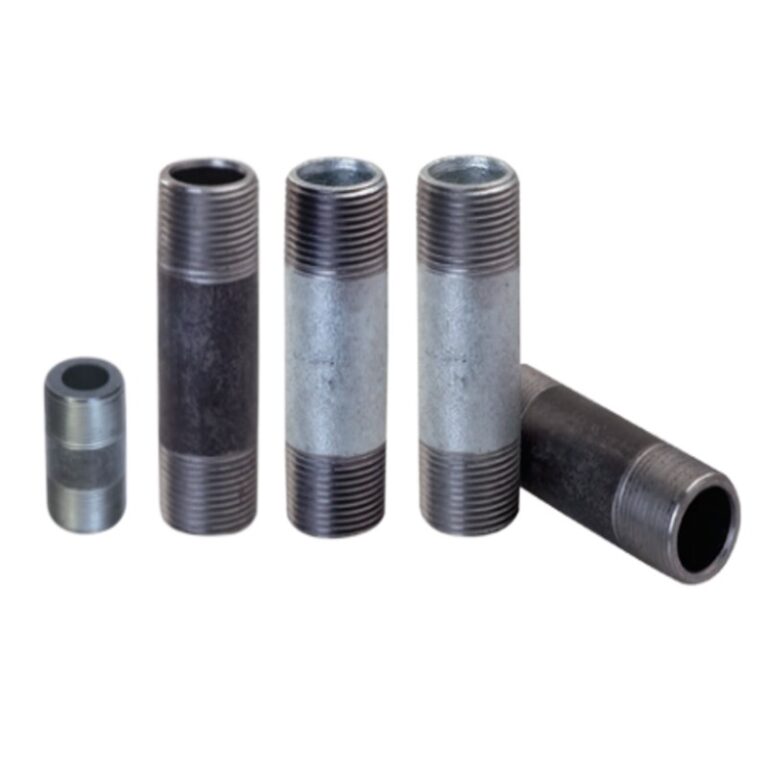
Seamless steel pipe is produced by heating a solid steel billet and piercing it in the form of a tube, which is then rolled or stretched into its final form. Note that these are tubes, not fittings. But the process gives a clue to the metallurgical principle involved. Steel tubes are made by controlled heating of the steel billet in order to produce uniform strength. Exactly the same principle is involved in the production of annealed malleable iron.
How Do Inspection Methods Help Detect Defects Early?
A multi-layered approach of inspection techniques is set up to prevent customers from receiving defective parts. At early stages of production non-destructive testing (NDT) is carried out in order to detect any defects. Destructive tests are then used in order to verify the mechanical properties of a part in order to check whether they are in line with the designed specifications.
Non-Destructive Testing (NDT) in Iron Fittings Production
Magnetic particle testing can detect surface cracks which are not visible with the naked eye. The testing method uses magnetic fields to expose discontinuities on ferromagnetic surfaces. In addition to magnetic particle testing, other methods for testing of castings are ultrasonic testing which detects voids and inclusions by the way sound waves are reflected. Radiographic inspection can show the wall thickness in great detail and is therefore used for pressure parts, e.g. which are designed for 150LB pressure class and are manufactured according to DIN.
By implementing various NDT methods during manufacturing, defective items can be detected and separated from good items before final assembly or even galvanizing to prevent any damage to the usable products.
Destructive Testing for Mechanical Performance Verification
Destructive tests validate design assumptions through empirical measurement. Tensile tests assess load-bearing capacity under axial stress; impact tests measure toughness at varying temperatures; hardness measurements verify proper heat treatment across samples from different production lots. Together they ensure that fittings maintain ductility even after prolonged exposure to cyclic loading conditions common in plumbing or fire suppression networks.
How Can Process Optimization Reduce Defect Occurrence?
Process optimization is used to integrate quality control data with production efficiency, to keep a minimum of waste and rework while maintaining the strictest of dimensional control.
Data-Driven Process Adjustments
Feedback loops between inspection results and process parameters allow for continuous improvement. Defect trends can be predicted by means of predictive analytics based on past furnace temperature variations or machining wear. Automated processes guarantee constant casting temperatures and annealing cycle lengths to assure stable metallurgical conditions.
ERW steel pipe is rolled using Cold-formed steel strip or coil, then Resistance welding along the seam where the edges of the 2 pieces meet. Then there is no need for any additional welding material. This advanced practice in other industries uses automation, similar to that that could be used in malleable iron fitting foundries to produce consistent products. By using automation in the process, variability is eliminated.
Training and Workforce Competence in Quality Assurance
Technicians with specialized knowledge are able to accurately interpret test results and respond in a timely manner to address problems that may occur during the casting or machining processes. The plant holds regular training sessions to ensure that the most up-to-date international standards are being adhered to, such as those set forth by ISO 9001 and EN 10242. By including metallurgists, machinists and inspectors from throughout the plant in all stages of production – from receipt of raw materials through packaging of finished products – the plant increases its ability to handle problems and provide solutions.
Why Is Supplier Reliability Crucial for Quality Assurance?
Supplier reliability ensures traceability across global distribution networks where consistent product quality is mandatory for safety-critical applications like firefighting systems or gas pipelines.
FLUID TECH PIPING SYSTEMS (TIANJIN) CO., LTD as a Trusted Supplier
FLUID TECH PIPING SYSTEMS (TIANJIN) CO.,LTD is a leading manufacturer of fire protection products including threaded malleable iron pipe fittings available in BS/EN, American and DIN Standards. At Fluid Tech, our philosophy of mfg is one of Traceability & Inspection. We assure all our products are 100% new & undergo rigorous quality checkup before dispatch to ensure pressure rating & Size tolerance.
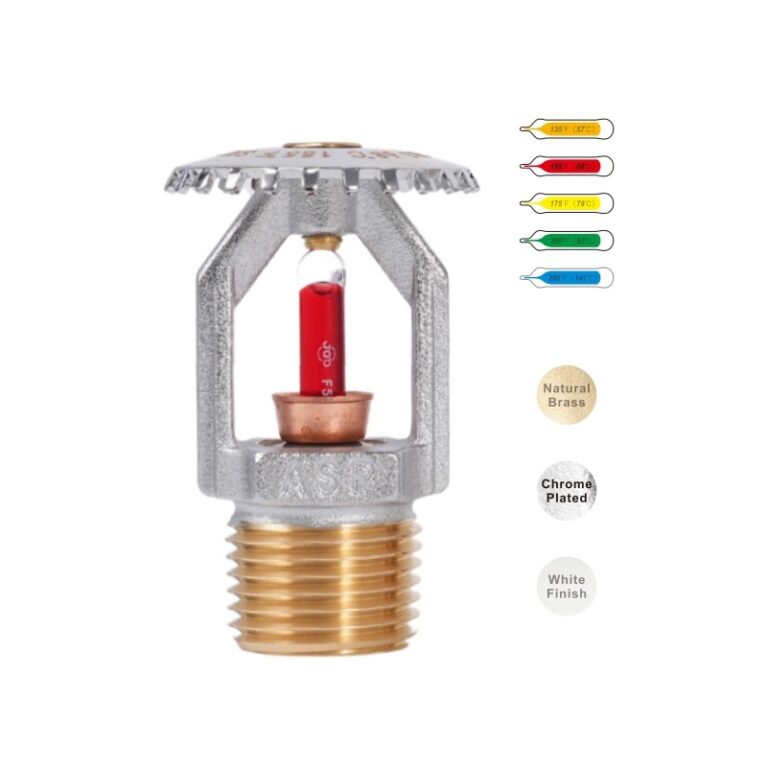
Our beaded end design reinforce the pipe ends against deforming. This can be especially important when using our pipe for a fire sprinkler system as this pipe is typically subject to installional torque as well as the large change in thermal cycled that this system goes through. This product is also designed and manufactured to comply with ISO processes to ensure that our pipe and fittings are suitable for distribution to international markets where approval such as FM Approved / UL Listed is required for a product approved for use in ERW steel pipe systems in accordance with ERW steel pipe product standards, such as the ASTM A53 / A795 specifications.
Summary of Key Insights on Quality Control’s Impact on Failure Rates
Effective quality control in production processes is able to keep failures at a minimum. On the one hand this is achieved by ensuring uniform material properties by means of verified analysis of the chemical composition. On the other hand by optimum production parameters, which are monitored on a real-time basis, and by strict inspection procedures during all phases of the production process, from casting to packaging verification at the time of shipment.
FAQs
1. What are the common causes of failure in malleable iron pipe fittings?
Failures are generally caused by heat treatment faults leading to residual stresses, cast part inclusion defects caused by contamination or inadequate degassing and dimensional faults of machined parts caused by wear of the molds during repetitive machining.
2. Which testing methods are most effective for preventing leaks in pipe fittings?
Pressure testing combined with non-destructive examinations such as magnetic particle inspection or ultrasonic scanning provides comprehensive assurance against leakage risks before dispatching finished goods into service environments handling water or gas flow lines.
3. How does continuous improvement contribute to long-term reliability?
In pursuing continuous improvement, a manufacturer refines process parameters using real-time feedback derived from the inspection databases. It results in less variation between batches and in the long run more consistent results. Such results guarantee compliance to the latest international safety codes pertaining to systems for conveying fluids with the use of high-grade malleable iron parts and other materials. Fluid Tech Piping Systems (Tianjin) Co., Ltd. offers malleable iron parts for such systems.