A fire sprinkler control valve does more than stop water during maintenance. It must remain in the correct operating position, fit the planned piping arrangement, and provide a dependable indication if someone moves it. For a contractor ordering a grooved butterfly valve with a tamper switch, the decisive questions concern valve location, approved size and pressure, grooved-end compatibility, supervisory wiring, and the commissioning record. A compact valve is useful, but an attractive price cannot compensate for a poorly matched assembly.
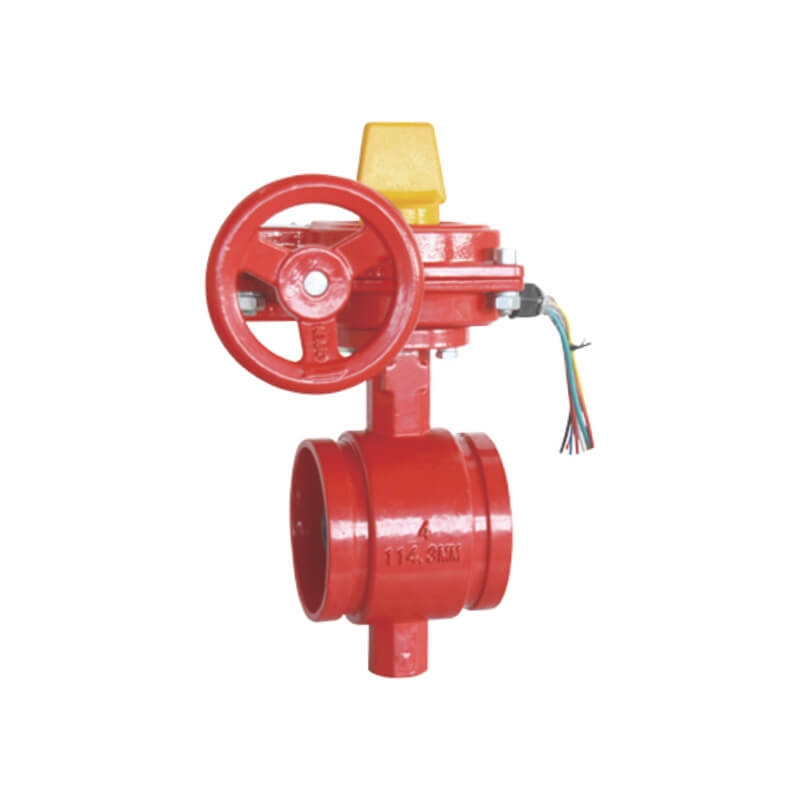
What Does a Grooved Butterfly Valve with a Tamper Switch Do?
The valve and its supervisory device perform related but distinct jobs. Keeping that distinction clear helps the installation team specify the correct components and avoid confusing valve supervision with water-flow alarm functions.
How Does the Valve Control a Sprinkler Zone?
A butterfly valve uses a rotating disc to open or shut the water path. In a sprinkler supply or zone-control position, it is normally maintained fully open, except during authorized isolation or testing. Grooved ends connect it to compatible prepared pipe through grooved couplings. The compact body may help where access around risers and equipment is limited, although installers still need room for the operator, couplings, and inspection.
What Does the Tamper Switch Actually Monitor?
A tamper switch reports an off-normal valve position to a compatible supervisory circuit. It does not measure sprinkler discharge, detect a fire, or confirm that every downstream pipe has water. A monitored valve can still be installed incorrectly or connected to the wrong circuit. The switch needs to match the fire alarm design, and the installer must demonstrate that moving the valve produces the intended supervisory indication.
Which Valve Specifications Belong in a Procurement Request?
The valve schedule should contain more than a nominal diameter. Procurement teams can prevent substitutions and on-site disputes by recording the mechanical, electrical, and approval requirements together.
How Should Size, Pressure, and End Connections Be Matched?
Start with the pipe outside diameter, nominal size, and system design pressure. Confirm that the valve and its coupling share the specified groove profile and that the operator can move freely in the installed orientation. Fluid Tech publishes a grooved butterfly valve with tamper switch featuring grooved connections to AWWA C606, a ductile-iron valve application, and pressure options shown as 300 or 363 psi. These are product-page options, not ratings to assume for every supplied variant. Ask the supplier to confirm the exact selected size and rating on the submittal.
Which Electrical and Approval Details Need Confirmation?
Record the required supervisory contact arrangement, electrical ratings, wiring diagram, enclosure suitability, and approved system interface. The Fluid Tech product page lists UL and FM status and contact ratings for its grooved butterfly valve with tamper switch; buyers should request documentation for the exact item ordered rather than treating a general catalog claim as model-wide approval. Also verify that the valve is suitable for the project water service, temperature conditions, and installation requirements.
Where Should the Valve and Switch Be Installed?
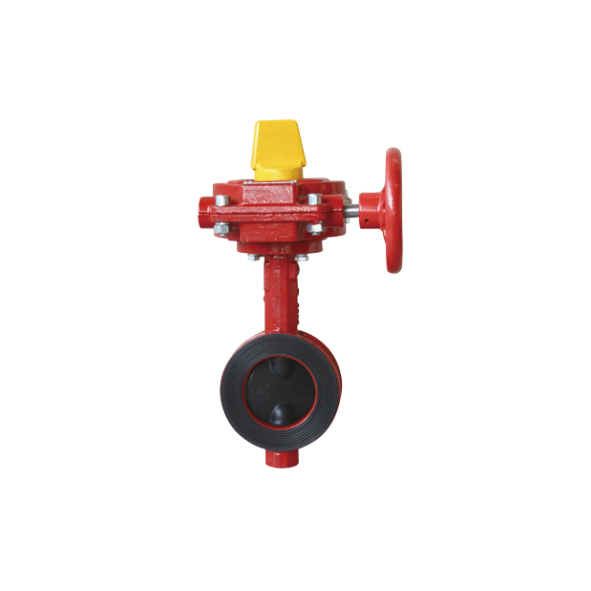
A technically suitable valve can become difficult to operate if its handle or gearbox is blocked by other equipment. Layout review should happen before procurement drawings are approved.
What Clearances Matter Around a Riser or Zone Assembly?
Check access for the valve operator, switch cover, coupling bolts, and future testing. The chosen orientation should allow authorized personnel to operate the valve without removing ceiling panels or forcing tools around nearby fittings. Note whether the planned installation is horizontal or vertical and obtain the manufacturer’s permitted mounting positions. Do not infer orientation approval from a product photograph.
How Can Contractors Avoid Wiring and Identification Errors?
Locate the switch connection point where the fire alarm installer can access it. Confirm cable routing and valve identification on coordinated sprinkler and alarm drawings. Before handover, compare the field label with the signal shown at the supervising equipment. An unlabeled signal or a switch wired to the wrong zone defeats much of the benefit of valve supervision.
What Should Be Checked During Installation and Commissioning?
Mechanical and electrical work should be checked as one valve assembly. A visual look at the valve body cannot confirm that the supervisory function has been correctly integrated.
What Does the Mechanical Inspection Cover?
Check pipe-end preparation, coupling compatibility, approved gasket selection, valve alignment, required bolt-pad condition, and unrestricted operation. Follow the actual valve and coupling installation sheets. After the required piping tests, inspect the joints for leakage and confirm that opening and closing the valve does not place unusual strain on nearby pipework. A leaking joint should be addressed after safe depressurization, not through indiscriminate tightening.
How Is the Supervisory Signal Verified?
With the responsible parties following the approved test procedure, move the valve from its normal position and check whether the supervisory signal appears at the specified monitoring point. Restore the valve to its required normal position and verify the signal clears as designed. Record the test result, valve tag, date, and responsible personnel. The final acceptance procedure must follow the approved project documents and applicable local requirements.
How Can Buyers Compare Quotations Without Missing Critical Items?
Two offers described as “grooved butterfly valve with tamper switch” may not supply the same configuration. Treat missing documentation as a clarification item before comparing delivered cost.
What Should Appear on the Purchase Schedule?
Ask for size and actual OD, pressure option, groove standard, operator type, switch specification, coating, approval evidence, installation sheet, lead time, and accessories included in the price. Confirm whether matching couplings are ordered separately. If a different end style is proposed, assess the added adapters, assembly work, and access needs instead of comparing valve unit prices alone.
How Can Fluid Tech Support a Complete Order?
Fluid Tech Piping Systems (Tianjin) Co., Ltd. supplies fire protection valves alongside grooved fittings, pipes, and pipe supports through its one-stop sourcing service. For a project purchasing several valve assemblies, the company can be asked to coordinate the valve schedule with related piping components and provide product-specific documentation. The purchasing team should still confirm every selected item against the approved project submittal.
Conclusion
Specify a grooved butterfly valve with a tamper switch as a complete supervised control assembly, not as a valve with an optional electrical accessory. Pipe compatibility, accessible placement, correct supervisory contacts, model-specific approvals, and witnessed commissioning each affect the result. A complete purchase schedule helps contractors avoid substitutions that look similar in a quotation but are harder to install or verify on site.
FAQs
Is a tamper switch the same as a water-flow switch?
No. A tamper switch supervises valve position. A water-flow switch detects a flow condition; the two devices have different functions in the sprinkler and alarm systems.
Can a grooved butterfly valve replace any flanged control valve?
Not automatically. Confirm size, pressure, end connection, approved installation position, operator clearance, required monitoring, and project approval before changing the specified valve type.
What should a contractor request before buying?
Request the exact model submittal, dimensional drawing, pressure rating, connection requirements, supervisory wiring information, approval evidence, and installation instructions for the selected configuration.