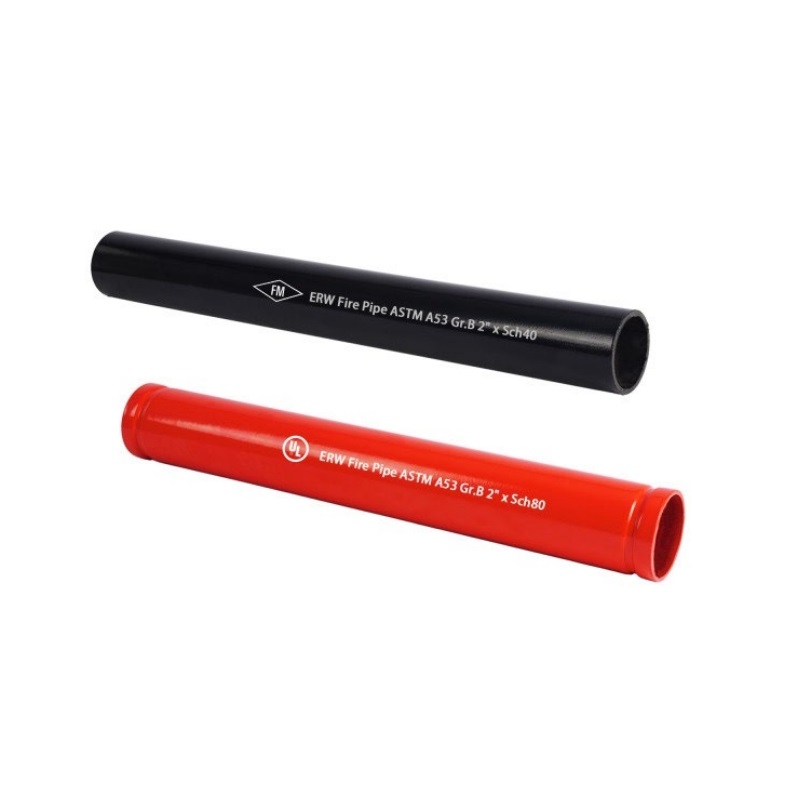
A pipe schedule describes wall thickness, not the type of sprinkler system a pipe can serve. Schedule 10 and Schedule 40 steel pipe can share the same nominal diameter and outside diameter, yet differ considerably in weight, inside diameter, connection options and installation requirements. A purchasing team that chooses only by price per metre may overlook grooving restrictions, support loads or the project’s approved specification. Here is how contractors and distributors can compare the two schedules without treating either as a universal replacement for the other.
How Do Schedule 10 and Schedule 40 Differ in Wall Thickness and Weight?
Schedule numbers are size-dependent. A 4-inch Schedule 10 pipe does not have the same wall thickness as a 2-inch Schedule 10 pipe, and nominal size alone does not describe its actual outside diameter. Start with a pipe schedule table for the specified dimensional standard.
What Does the Difference Look Like at a Common Size?
For 4-inch pipe, the published ERW steel pipe table from Fluid Tech lists an outside diameter of 114.3 mm, with a Schedule 10 wall of 3.05 mm and a Schedule 40 wall of 6.02 mm. These are catalogue dimensions, not an approval for every connection or project. With the same outside diameter, a thicker wall reduces the internal bore and increases the steel per metre.
Does Thicker Pipe Automatically Mean a Better Sprinkler System?
No. A thicker wall may provide additional metal for certain joining methods and corrosion allowance, but it also changes material cost, handling and the inside diameter used in hydraulic calculations. A pipe must be suitable for its operating pressure, manufacturing standard and approved application. Schedule 40 does not remove the need for compatible fittings, while Schedule 10 is not automatically unacceptable simply because it is thinner.
Which Connection Methods Work With Each Schedule?
The connection method often decides whether a proposed substitution is feasible. The relevant wall-thickness limits depend on pipe size, the selected joint system, its listing and the code or project specification in force.
When Do Grooved Connections Make Sense?
Roll-grooved mechanical joints are frequently considered for fire protection mains where a compatible pipe, gasket and coupling have been specified. However, a roll groove deforms the pipe end, so groove dimensions and minimum permitted wall thickness must be checked for the exact product. The Quick-Mech 91 rigid grooved coupling is described by Fluid Tech as compatible with specified Schedule 10 and Schedule 40 pipe configurations; installers must still confirm pipe outside diameter and the coupling’s applicable listing before purchase.
Cut grooves remove metal rather than displacing it. They therefore need separate verification and must not be assumed suitable for the same thin-wall configurations as roll grooves. The manufacturer’s instructions govern groove formation, pipe-end preparation and coupling assembly.
Can Schedule 10 Pipe Be Threaded?
Do not assume that a thin-wall pipe can be threaded merely because a machine can cut threads into it. Threading removes wall material at the pipe end. Minimum wall requirements for threaded joints can differ from those for listed grooved systems and may rule out a proposed Schedule 10 arrangement. For threaded branches or small-bore sections, confirm the applicable code, actual nominal size and approved pipe-and-fitting combination rather than using one schedule for every joint on site.
What Changes in Installation Time and Project Cost?
The wall schedule also changes practical handling and joint preparation. Before comparing labor or quoted pipe prices, installers need to consider how each schedule affects lifting, cutting, grooving and threading on the actual job site.
Where Can Lighter Pipe Save Time?
Schedule 10 can reduce the mass that crews move into ceiling voids or onto access platforms. On a project with many long runs, that may help with material staging and lifting. The gain is not guaranteed: additional joint checks, grooving controls or a different approved support arrangement may change the outcome. Include labour assumptions and site access in the comparison.
Where Might Schedule 40 Be Necessary?
Schedule 40 may be specified for threaded sections, particular joint systems, selected mechanical demands or a client’s standardised material schedule. Even then, the extra weight can affect hanger selection and transportation. Inspect the drawings for intentional changes between mains, branch lines and equipment connections rather than applying a single schedule across the building without approval.
What Should Buyers Confirm Before Sending a Fire Pipe RFQ?
For a useful quotation, the purchasing team needs more than “four-inch sprinkler pipe.” The RFQ should identify the intended installation and the exact dimensional and compliance requirements.
Which Details Prevent Price and Compatibility Mistakes?
State nominal size, actual outside diameter, wall schedule, material/manufacturing standard, connection method, end preparation, finish, required approvals, order length and quantity. Ask for the applicable product certificate or listing documentation for the proposed size and application; a general logo on a catalogue is not a substitute for checking the actual configuration.
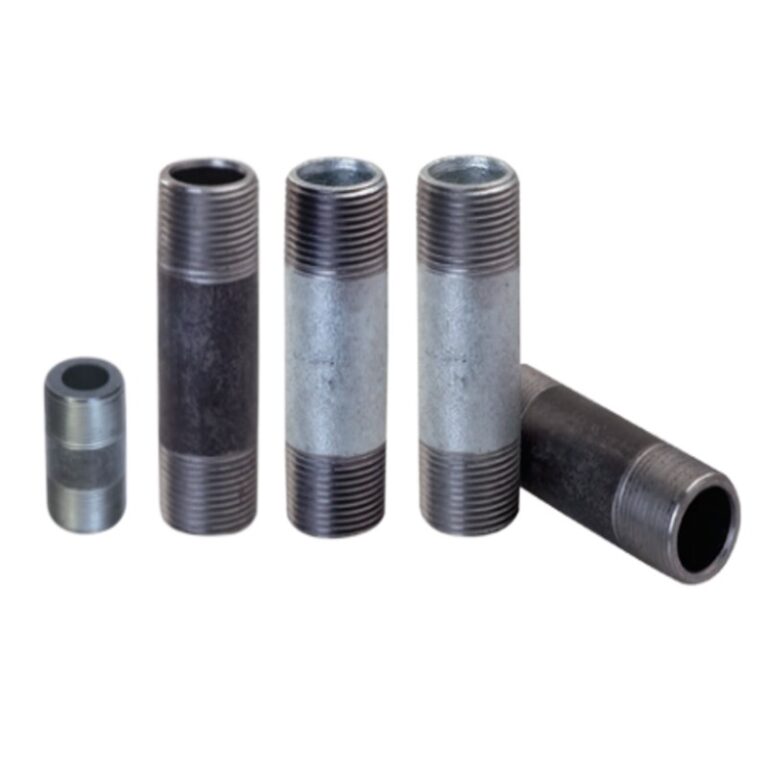
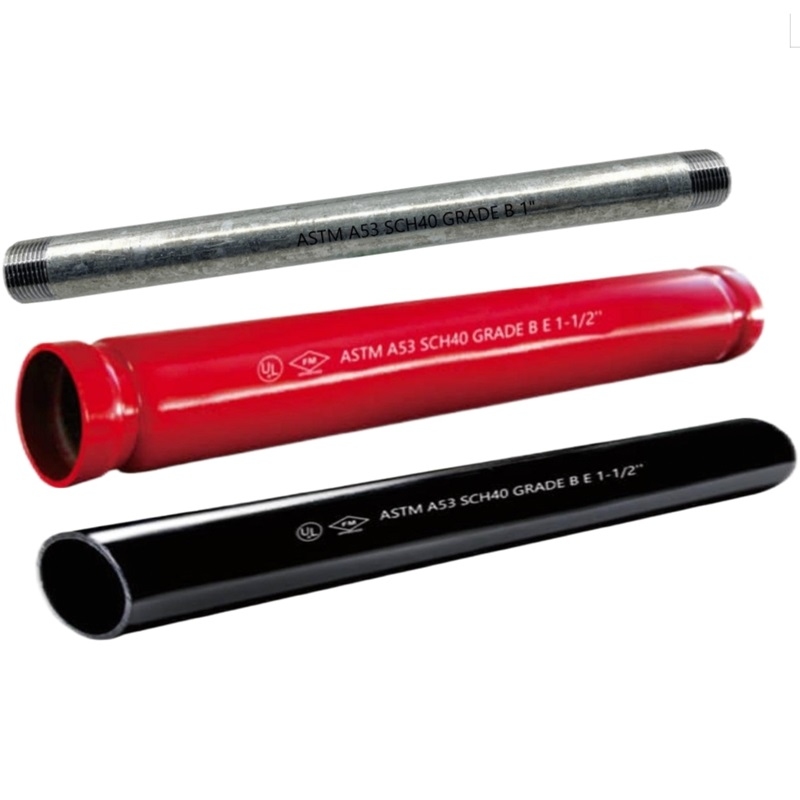
Fluid Tech’s pipe catalogue shows plain, beveled, grooved and threaded end options and original, black-painted, galvanized and red-painted surfaces. These are ordering options, not evidence that every finish-and-end combination is available or suitable under every listing. The fire protection pipes range can be used to align the quotation with the intended pipe family.
How Can Fluid Tech Help With Fire Protection Pipe Procurement?
Fluid Tech Piping Systems (Tianjin) Co., Ltd. supplies fire protection pipe and related fittings through a one-stop procurement model. Its published ERW range includes Schedule 10 and Schedule 40 dimensions across multiple nominal sizes, while its pipe selection also includes seamless alternatives. Buyers can use the relevant product pages to confirm available ends, finishes and standards, then request size-specific documentation before an order is approved.
Conclusion
Schedule 10 and Schedule 40 are different wall-thickness specifications, not interchangeable labels for quality. Schedule 10 may simplify handling on an approved grooved arrangement, while Schedule 40 can be necessary for certain threaded connections or project requirements. Confirm the standard, size, approved joint, hydraulic design and support loads first; only then compare material and installed cost.
FAQs
Is Schedule 10 Pipe Always Cheaper Than Schedule 40?
Its lower steel weight can reduce the base material cost at the same diameter, but coating, approvals, connection preparation, order volume, freight and installation can change the final quotation. Compare identical specifications rather than bare price per metre.
Can the Same Grooved Coupling Fit Both Pipe Schedules?
Some couplings have approved configurations covering both schedules, but suitability depends on actual outside diameter, groove profile, wall thickness and the manufacturer’s listing. Check the exact coupling data rather than assuming universal compatibility.
Should a Contractor Replace Schedule 40 With Schedule 10 to Reduce Weight?
Not without approval. The substitution can affect joining methods, pipe support loads, corrosion allowance and contract compliance. Ask the designer and authority responsible for the project to confirm the proposed pipe and connection arrangement.